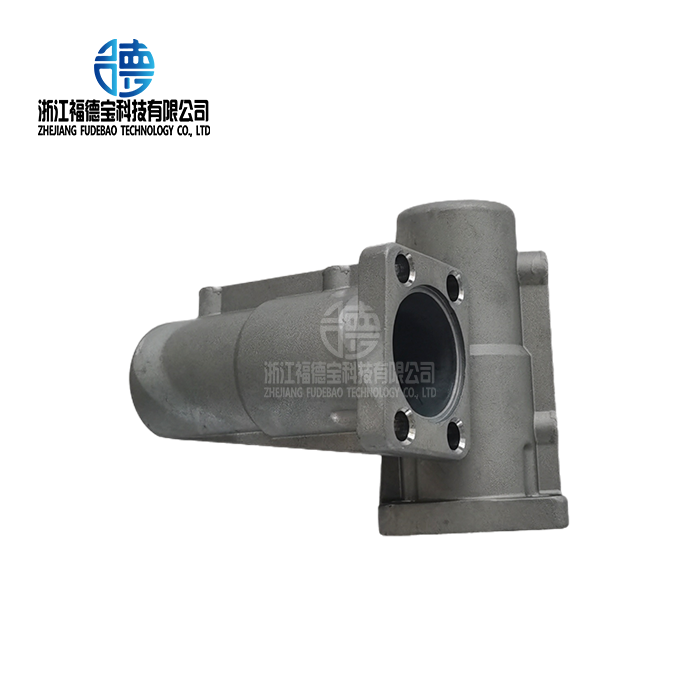
How to Select a Reliable Structural Aluminium Die Casting Supplier?
2026-07-11
The success of your next production cycle can be determined by choosing a reliable partner for structural aluminium die casting. If you buy from the right supplier, you'll get precisely engineered parts that are made to strict tolerances for size, meet industry standards, and arrive on time, all without any hidden costs or quality issues. This book explains the basic technical information, selection criteria, comparison frameworks, and risk-reduction strategies you need to choose a supplier that can meet the needs of the automotive, aerospace, industrial, and energy sectors.
Understanding Structural Aluminium Die Casting: Key Factors for Procurement
High-pressure structural aluminium die casting involves pouring liquid aluminium alloy into steel moulds that have been hardened at pressures higher than 1,500 psi and often up to 30,000 psi. This method makes parts with complex geometries that are accurate in terms of size and shape in a single step, so assemblies don't have to be welded together. This saves time and money without sacrificing structural integrity. This method works especially well for making car parts lighter, battery housings for electric cars, and aircraft parts where every gram counts.
Why Aluminum Alloys Excel in Die Casting Applications
Aluminium alloys like A380, ADC12, and A356 have a specific gravity of about 2.7 g/cm³, which means they are very strong for how light they are. They are great for getting rid of heat in electrical enclosures and motor housings because their thermal conductivity ranges from 96 to 120 W/m·K. An oxide layer forms on aluminium naturally that protects it from rust. This layer can be strengthened by anodising or powder coating. These metals can have very thin walls (less than 1.5 mm), and they keep their shape well even when heated and cooled many times. This is very important for engine parts and gearbox cases that have to deal with big changes in temperature.
Process Fundamentals and Industry Standards
High-pressure die casting can make shapes that are very close to net shapes. This means that extra cutting isn't needed as much, and the cost per unit is lower in large production runs. The process follows NADCA guidelines, which makes sure that it stays the same over millions of cycles. Die casting has better surface finishes, tighter tolerances, and faster cycle times than sand casting. This makes it the best choice for large-scale industrial and automotive applications. Sand casting can still be used for large, low-volume parts or alloys with high melting points, but it needs a lot of work to be done on them after they are cast.
Current Trends Shaping Supplier Capabilities
As alloy formulations have improved, they can now have better mechanical properties and thermal performance that are tailored to specific uses. Automation and computer integration make cycle times more consistent and lower the amount of work that needs to be done by hand. Leading suppliers are using vacuum-assisted die casting more and more to get rid of air from the mould cavity before injection, which reduces porosity. Procurement workers can tell if a seller invests in technology that meets changing quality standards and industry demands by looking at these trends.
Defining Your Requirements: How to Establish Clear Procurement Criteria
Setting clear guidelines for buying structural aluminium die casting that are in line with the technical and financial facts of your project is the first step to choosing the right supplier. Specifications that aren't clear cause expectations to be off, work to be redone, and delays. A structured approach helps you be clear about what you need and lets you objectively judge which suppliers can meet your needs.
Segmenting Order Volumes and Production Batches
Cost structure and supplier suitability are directly affected by the number of orders. Five to fifty parts may be used in a prototype run, so suppliers need to be able to make tools that are flexible and turn orders around quickly. For batches of a few thousand units or more, quality control must be consistent and process management must be effective. Suppliers with automated equipment and strong statistical process control systems are good for high-volume production that makes more than 100,000 parts per year. If you tell suppliers up front how much you want, they can come up with the best manufacturing methods and price models for you.
Material Specifications and Alloy Grades
For different uses, different aluminium alloys are needed. Because the A380 is so fluid and doesn't let pressure build up, it is often used for general-purpose parts like housings and brackets. A356 has better mechanical properties than other materials, so it is used for structural parts in defence and aerospace. ADC12 strikes a balance between castability and strength, which is often needed in industrial and automotive machinery. When you're describing a material, you should think about its mechanical qualities, its ability to fight corrosion, its ability to conduct heat, and its ability to work with other processes like anodising or heat treatment.
Quality Systems, Certifications, and Technological Capabilities
IATF 16949 certification is needed for suppliers who work with car OEMs. This certification requires PPAP paperwork, control plans, and traceability systems. ISO 9001 is a standard for quality management that can be used in any industry. Parts that want to join the European market must comply with RoHS and REACH. In addition to certifications, you should also look at technological capabilities like vacuum-assist systems, CNC machining centers, high-pressure die casting equipment, and spectrographic analysis done in-house. Suppliers who have coordinate measuring machines and X-ray inspection can give critical applications the precise parts they need without any flaws.
Comparing Structural Aluminium Die Casting Suppliers: What to Look For
To pick the best supplier, you need to compare things like price, lead time, certifications, and operational flexibility in a structured way. A data-driven review cuts down on subjective bias and helps you find the seller whose needs are most in line with your project's.
Cost Transparency and Volume Discounts
Lead Times and Production Flexibility
Lead times for new tools usually last between six and twelve weeks, but this depends on how complicated the part is and how busy the seller is. For known moulds, production cycles range from a few weeks for small orders to continuous runs for large orders. Suppliers who make their own tools and have more than one die casting machine can better handle urgent orders or changes to the design. To make sure the supplier can adapt to changes in your demand, ask about capacity buffers and restrictions during peak seasons.
Certifications, Industry Reputation, and Client References
Certifications are a good way to make sure of quality, but a company's name in the industry and references from past clients can tell you more about how reliable and quick they are. When suppliers work with well-known original equipment manufacturers (OEMs), like tier-1 automakers or military companies, they show that they can handle tough situations. Ask for references from clients in the same industry, and look into the supplier's history of on-time delivery, defect rates, and technical support. Case studies that show how a provider solved a problem or improved a process can show how committed they are to continuous improvement.
Overcoming Common Challenges and Avoiding Pitfalls in Supplier Selection
There are technical risks and hidden costs in structural aluminium die casting that can stop projects in their tracks. Procurement teams can bargain better and keep budgets safe if they know about typical flaws, quality control measures, and contract traps.
Identifying and Mitigating Casting Defects
The most common flaw is porosity, which is caused by trapped air during high-speed injection or metal shrinking while it hardens. It makes the structure less stable and can cause pressure leaks in parts that handle fluids. Some of the best suppliers reduce porosity by using vacuum-assisted die casting, optimising gate design, and increasing the pressure during solidification to get rid of air pockets. ASTM E505 guidelines say that parts must be inspected with an X-ray or fluoroscope to make sure they are sound inside before they leave the plant.
When two metal streams don't join properly, causing weak seams, this is called a cold shut. Blisters and flow marks ruin the look and feel of the surface. Dye penetrant inspection can find cracks that go through the surface. When cooling happens unevenly or there is too much residual stress, warping happens. Coordinate measuring machines are used for dimension verification, which ensures that the tight tolerances shown on engineering drawings are followed. Suppliers who use statistical process control and real-time process monitoring can find deviations early on, which lowers the amount of waste and the cost of rework.
Hidden Costs Beyond Quoted Prices
Critical Contract Terms and Minimum Order Quantities
Minimum order quantities have an effect on the cost of keeping inventory and on cash flow. MOQs are usually set by suppliers to spread out the costs of setup, but flexible sellers can work with smaller batches during ramp-up stages. Sample approvals and first item checks should be required by contract before full production starts. This will make sure that all specs and quality standards are met. Payment terms, warranty coverage, and liability clauses keep everyone safe and make it clear who is responsible when there are problems or delays.
Making the Final Decision: Strategies to Choose the Best Structural Aluminium Die Casting Supplier
The final choice of provider depends on how well their skills match the technical and business needs of your project. A strategic approach looks at both what the supplier can do now and how they might work with you in the future.
Matching Supplier Profiles to Procurement Objectives
Automotive sourcing directors put a high value on accurate measurements, PPAP documentation, and the ability to make moulds. Suppliers to this industry must show they have experience with IATF 16949 and have strong quality control systems. Teams that buy industrial gear look for strong materials that can withstand heat and batch production that can be changed easily. This makes suppliers that offer a range of casting methods and heat treatment services appealing. When electrical engineers are looking for parts for power equipment, they focus on things like conductivity, corrosion resistance, and meeting industry standards. This means that the suppliers they work with need to know a lot about materials and be able to do spectrographic analysis. Certifications, traceability, and advanced inspection are things that aerospace quality directors want. This narrows the field to suppliers who have AS9100 or NADCAP credentials.
Communication Channels and After-Sales Support
Active lines of contact make it easier to solve problems and keep projects on track. Suppliers with dedicated account managers, engineering support, and quick response times make it easier for designers to make changes and for production to start up. After-sales support includes warranty coverage, technical troubleshooting, and working together to make things better all the time. Long-term suppliers put in the time and effort to understand how your needs change over time and suggest process improvements that improve quality or lower costs over time.
Leveraging Custom Services and Prototype Programs
Supply chains are streamlined, and logistics are made easier by custom services like CNC machining, surface treatment, and assembly. You can test designs and material choices with prototypes before committing to full-scale tooling. Sample programs give real proof of a supplier's skills by letting you check the accuracy of measurements, the finish on the surface, and the material's dynamic qualities. Digital tools like online pricing platforms, tracking orders in real time, and safe document sharing make buying processes more open and efficient.
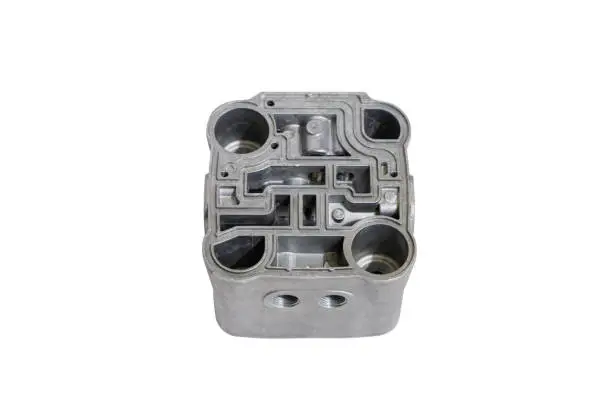
Conclusion
A methodical process that weighs technical skills, quality assurance, cost clarity, and the possibility of a long-term partnership is necessary when choosing a trustworthy structural aluminium die casting supplier. You can help your company get parts that meet performance, compliance, and delivery expectations by learning about the die casting process, setting clear criteria for purchases, systematically comparing suppliers, and planning for common problems. The strategies in this guide give procurement workers the information they need to make smart choices, lower risks, and create strong supply chains that can meet big output targets in the energy, aerospace, automobile, and industrial sectors.
FAQ
What are the primary cost drivers in aluminum die casting projects?
Tooling has the highest up-front cost, which depends on how complicated the part is, how long the mould needs to last, and how precise it needs to be. The grade of the material affects the unit price. Speciality alloys cost more than standard grades. Costs per part are affected by the number of parts ordered. This is because setup and tooling costs are spread out over more parts. Costs go up for secondary operations like CNC machining, surface treatment, and inspection. Logistics, like shipping and packaging, change depending on where the supplier is located and how often the goods are shipped.
How can I validate supplier quality for new engagements?
Check to see if your company has any related qualifications, like ISO 9001, IATF 16949, or AS9100. Ask for client references and call the references to find out about on-time delivery, defect rates, and how responsive the company is. Check the tools, process controls, and quality management methods in person. You can get samples and check their sizes, look at the materials, and test their strength. Before signing a long-term deal, pilot orders show what a seller can really do in the real world.
What are realistic lead-time expectations for custom die casting projects?
Depending on the complexity of the part and the supplier's workload, new tooling usually takes six to twelve weeks. For known moulds, production cycles range from two to four weeks for small orders to continuous runs for large ones. Add extra time for secondary operations, shipping, and inspection. Shorter lead times and more options are available from suppliers who have their own tools and more than one die casting machine.
Partner with Fudebao Technology for Precision Structural Aluminium Die Casting Solutions
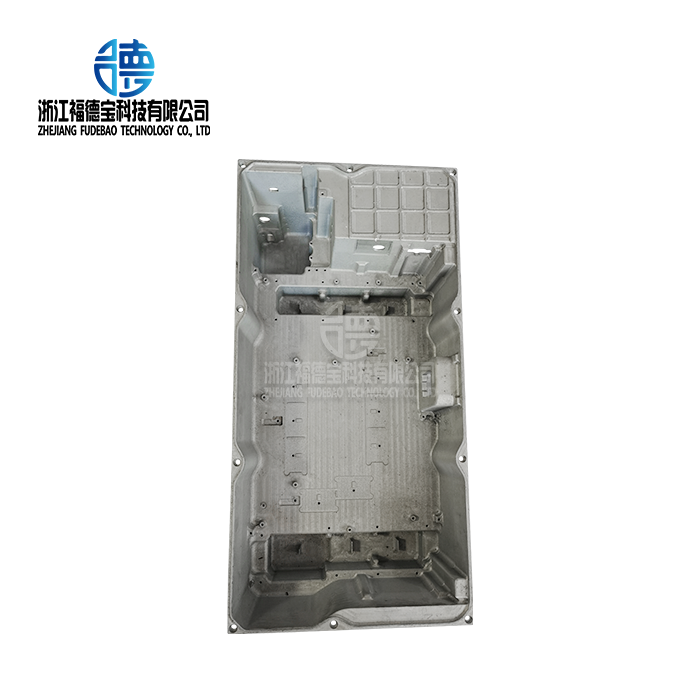
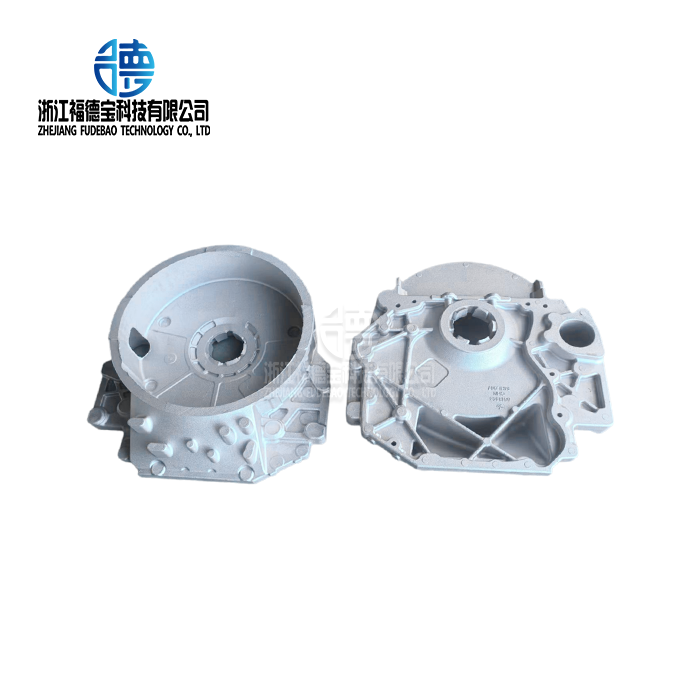
Precision-engineered parts are delivered to the automotive, aerospace, industrial, and energy sectors around the world by Zhejiang Fudebao Technology Co., Ltd., a leading structural aluminium die casting provider. Our facility has high-speed machining centers, CNC lathes, low-pressure casting machines, and die casting equipment all in one place. This means that we can deliver anything from a blank to a finished product, with tolerances of up to ±0.05 mm. We help with the whole process, from melting and casting to cleaning and treating the surface. This makes sure that the dimensions are correct and the material stays intact for important uses like medical equipment cases, EV battery housings, and precision parts for cars. Our quality systems and certifications meet the strict requirements of OEM partnerships, and our engineering team is available to help with any technical questions during prototype development and full-scale production. You can talk about your needs and get samples by emailing hank.shen@fdbcasting.com. Fudebao Technology is your reliable partner because of our knowledge and experience.
References
1. North American Die Casting Association. (2021). Product Specification Standards for Die Castings Produced by the Semi-Solid and Squeeze Casting Processes. NADCA Technical Publications.
2. American Society for Testing and Materials. (2020). ASTM B85: Standard Specification for Aluminum-Alloy Die Castings. ASTM International Standards.
3. International Organization for Standardization. (2019). ISO 9001:2015 Quality Management Systems — Requirements. ISO Standards Catalogue.
4. Automotive Industry Action Group. (2018). Production Part Approval Process (PPAP) Manual, 4th Edition. AIAG Reference Materials.
5. ASM International. (2017). Casting Design and Performance. ASM Handbook Volume 15: Casting.
6. Society of Automotive Engineers. (2016). High Pressure Die Casting: Design and Manufacturing Guidelines. SAE Technical Papers Series.



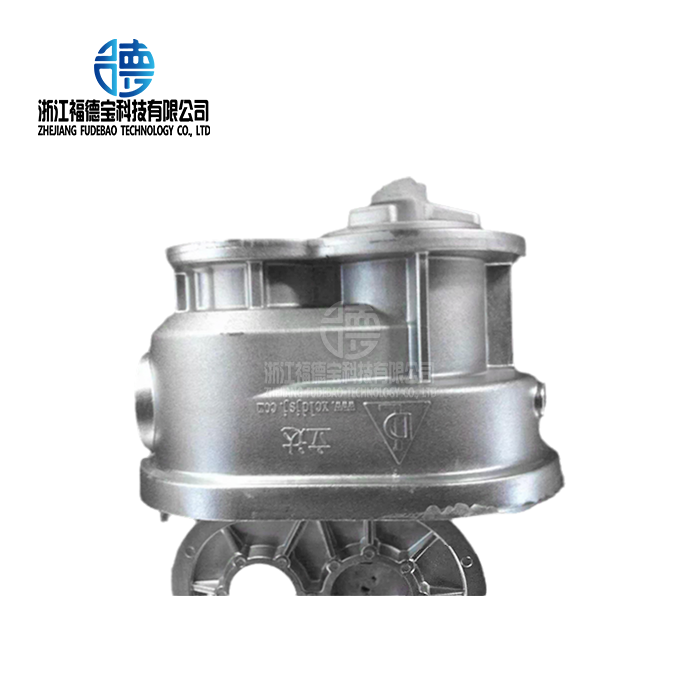
_1756361494985.webp "sliding block copper castings")
_1756352400994.webp "chassis enclosure")
_1756349696500.webp "Pulley aluminum casting")
_1756345858191.webp "Aluminum casting crafts")