How to Properly Vent a Sand Mold for Casting Non-Ferrous Metals?
2026-04-27
For sand casting of non-ferrous metals to work properly, channels must be strategically placed to let trapped gases escape while the metal is being poured. The basic method involves adding small-diameter vent holes to the cope (top mold half), placing them where air naturally gathers at the highest points, and making sure the sand can pass through by choosing the right grain size. Proper venting in sand casting stops blowholes and porosity by matching the speed at which gases escape with the integrity of the mold. This is especially important when working with aluminum and copper metals that produce hydrogen and other reactive gases as they solidify.
Understanding the Problem of Improper Venting in Sand Molds
Why Venting Matters in Non-Ferrous Metal Casting?
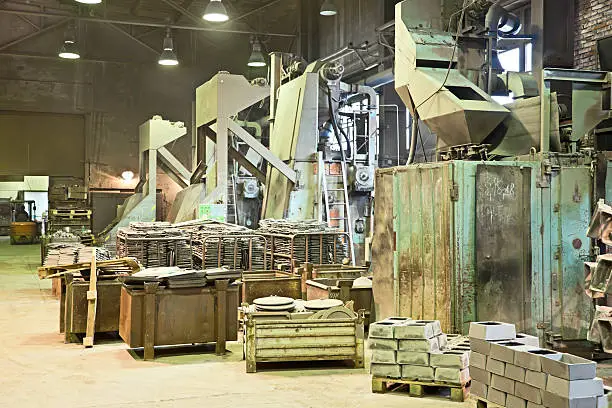
The way that sand forms breathe is through vents. When metal is poured, temperatures above 700°C for aluminum and above 1100°C for copper cause the sand to quickly expand with air and lose water. At the same time, as non-ferrous metals cool, they release dissolved gases, mostly hydrogen. If there aren't enough vents, these gases build up pressure inside the mold hole and either push their way into the metal as it hardens or stop the mold from filling completely.
The results show up as blowholes (round holes near the surface), porosity (empty spaces inside the metal), and misruns (parts of the casting that aren't finished). When engineering managers look at PPAP documents, they know that these flaws cause rejections during measurement checking and pressure testing. Defect rates have gone from 2% to 15% because of inadequate venting in sand casting, which means a lot of wasted material and wasted cutting time on flats that can't be used.
Common Challenges Faced by Procurement Professionals
When it comes to speaking, procurement teams face a certain set of problems. There is a wide range in the technical skills of suppliers, and many foundries don't have standard venting procedures in their quality control systems. During supplier checks, we often find that mold makers place vents based on experience rather than careful planning. This causes differences between batches that make it hard to keep up with production schedules.
Communication problems make the issue worse. When sourcing directors ask for better venting, sellers may just add more holes without knowing how gas flows, which can weaken the mold structure and lead to sand inclusion defects. Complex shapes make the problem worse. For example, electrical housings with deep pockets or car brackets with multiple cores create gas traps that can't be fixed with normal venting methods. To bridge this technical gap and hold suppliers responsible to measurable venting standards, procurement workers need clear specifications and ways to make sure they are followed.
Causes of Venting Failures and How They Affect Non-Ferrous Casting
Material-Specific Gas Evolution in Non-Ferrous Alloys
When they solidify, non-ferrous metals behave differently than cast iron or steel, which means they have different cooling needs. When aluminum alloys are liquid, they dissolve easily in hydrogen, but when they are solid, they dissolve much less easily. This makes gas rejection happen during the cooling process. When you pour copper alloys, especially those with zinc in them, they give off air because zinc has a low boiling point compared to copper's melting point.
Because of these mechanical features, vents must be able to handle both displaced air and gases made by the metal that are released during the cooling cycle. Even if an aluminum housing casting looks solid right after being shaken out, it may have holes in the surface that can only be seen during CNC cutting or pressure testing. This slow finding of defects messes up supply lines and hurts relationships with suppliers, so proactive venting design for sand casting is required and not just an option.
Sand Properties and Permeability Issues
Because it is naturally permeable (gases can pass through the spaces between grains), the sand blend itself works as the main venting medium. Permeability ratings for green sand systems that use bentonite clay binders are usually between 80 and 120 units, while ratings for resin-bonded sands reach 150 to 200 units. Lower permeability limits gas flow, so vent path designs have to be more active.
The permeability is directly related to the grain size. Sands with a fineness number (AFS 70–90) have a better surface finish but less permeability than sands with a coarseness number (AFS 40–60). Another variable is the amount of moisture in the green sand. Too much moisture makes the mold stronger, but it also makes more steam when the metal is poured, which is too much for the exhaust system to handle. We've seen foundries have a hard time balancing these different needs, especially when they have to switch between die-cast metal options and sand-cast production runs, where the cost of the materials makes them choose less-than-ideal sand conditions.
Design and Process Variables Affecting Vent Performance
How well a vent works depends on where it is placed in relation to the control systems. Since gases move upward and toward cooler mold areas, vents near the splitting line or low in the drag (bottom mold half) don't help much. The casting volume and filling speed must be used to figure out the number and width of vents. Not enough vents cause backpressure, while too many vents can let metal into vent channels, damaging the mold and costing a lot of money to fix.
Environmental factors make things even more complicated. High-humidity work settings can change the amount of water in the sand, and changes in temperature can affect how well the binder cures in resin sand systems. When foundries work different shifts, the quality of their work can vary between day and night. This is because changes in the environment can affect the features of the sand and how it vents. To find out about these hidden factors, procurement teams that are keeping an eye on how well suppliers are doing should ask for environmental control paperwork along with standard process sheets.
Principles and Best Practices for Proper Venting of Sand Molds
Strategic Vent Design for Aluminum and Copper Castings
A good vent design starts with planning out where gases are likely to build up during the mold filling exercise. The most important places to put vents are the highest points in the casting shape in terms of the direction of metal flow. For aluminum castings, air channels should be 1.5 to 3 mm in diameter and for copper metals, they should be 2 to 4 mm. The length-to-diameter ratio should not be higher than 10:1 so that the channels don't get clogged too soon.
Vent placement density in sand casting goes up as the casting gets more complicated. For flat plates and other simple shapes, three to four vents around the edge may be enough. But for complicated electrical housings with ribs inside, there needs to be a vent at every possible gas trap. The main idea is to make sure that there are constant gas exit routes from each mold cavity part to the air. We suggest that vents be placed no more than 100 mm apart for metal castings that weigh less than 5 kg. For heavier parts, where gas production goes up proportionally, vents should be placed closer together.
Here are tried-and-true ways to set up vents to improve sand casting yield:
• Radial vent patterns work well for cylinder-shaped parts like motor housings, with vents spreading out from the center line to the mold edges. This arrangement works with the way gas flows when metal swirls into the hole. This method lowers the amount of holes in bearing surfaces and fixing flanges, which are places where structural loads are concentrated.
• Graduated vent sizing uses bigger vents near the sprue, where the first gas movement happens, and smaller vents in cavities that are farther away. This method keeps the mold strong in smaller parts while stopping backpressure from building up during the important early pouring phase. Foundries that use this method say that aluminum gearbox housings with 30–40% less leakage are made.
• Core venting through prints takes care of internal openings in complicated castings by running vent lines through core prints, which are the core pieces that sit in the mold. This method is very important for parts like pump bodies that have internal water jackets because gases stuck in enclosed areas have no natural way to escape. This method needs exact core manufacturing skills, but it gets rid of flaws that would need to be fixed with welding after casting.
These design ideas can be directly applied to requirements for buying things. Including vent quantity, placement drawings, and acceptance criteria in RFQs makes it clear to sellers what the goals are and gets rid of any confusion that could lead to quality disagreements. We've helped engineering managers create source venting forms that are now required for PPAP submissions. This makes sure that venting gets the same level of attention as dimensional tolerances.
Material Selection and Mold Preparation Techniques
How well leaking works depends on the chemistry of the sand and glue. Silica sands are still the standard because they are easy to get and can withstand temperatures above 1600°C. However, specialty sands like olivine or chromite have better thermal qualities for some uses. Choosing the right binder means weighing the need for strength against the production of gas. Furan resin systems produce less gas than phenolic binders, but they cost more in materials.
Permeability tests for sand casting should be done when the arriving sand is inspected and when the mold is being made. Standard permeability meters check how much air flows through samples of packed sand and give numbers that show how well the opening is working. Target permeability ranges rely on the size of the casting and the type of metal used. For example, aluminum castings weighing less than 10 kg usually need 100 to 150 permeability units, while larger parts need 150 to 200 units to handle bigger gas amounts.
How you prepare for mold has a direct effect on how well the vent works. The pressure of the compacted material must stay the same. Too much compacting near vent holes lowers the flow of fluid, making jams that cancel out the benefits of the vent channel. Before the mold closes, loose sand particles should be brushed or compressed air through the vent holes. Some advanced foundries put ceramic coats around vent openings to stop erosion and metal from penetrating during pouring. This makes molds last longer in low-volume production situations where design costs favor more than one pour per cast.
Process Control and Simulation Tools
For consistent vented results, process controls must be written down and used throughout the production sequence. Venting theory, hands-on vent placement tasks, and defect case studies should all be part of mold making training programs. Before letting the metal pour in, quality checks at the mold assembly stage make sure the vents are the right size, number, and cleanliness. Even though these steps seem simple, we've inspected tier-2 sources where vent inspection of production travelers wasn't done at all, which explains why porosity problems kept happening.
Venting goes from being an art to a science with simulation software. Modern modeling programs for casting figure out how much gas is being made based on the features of the sand and how it will flow through the mold as it fills and hardens. We've seen engineering teams use these tools to find the best places for vents before they cut the patterns. This cut the number of prototype changes from five to two. The software measures the amount of gas pressure in any mold spot, which helps find possible flaw areas that a person without the software might miss.
When a lot of things are made, the return on investment in simulations becomes clear. A company that makes 50,000 metal brackets a year cut scrap from 8% to 3% by using simulations to help them rethink vents. This saved a lot of material and got rid of the need for extra work. When reviewing suppliers, people in charge of buying things should ask about their modeling tools and ask for gas flow analysis data as part of the PPAP paperwork. When suppliers spend money on these technologies, it shows that they care about quality in a way that goes beyond fixing problems after they happen to prevent defects before they happen.
Conclusion
Proper sand mold ventilation is an element that can be controlled and has a big effect on the quality of non-ferrous castings and the cost of production. We looked at the technical bases, like how gases evolve and permeability science, and turned them into buying tactics that can be used. To achieve excellent venting in sand casting, you need to communicate clear specifications, evaluate the capabilities of suppliers, and work together to solve problems using simulations and data.
When procurement and engineering teams understand these concepts, they gain a competitive edge through less waste, a shorter time to market, and stronger relationships with their suppliers. Venting might seem like a small part of the casting process as a whole, but it has a big effect on your quality standards and costs. Put these models into action and make sure that venting paperwork meets the same high standards as other important requirements. You will see a noticeable improvement in the performance of your supply chain.
FAQ
How can I verify proper mold venting before production starts?
Ask for pre-production vent inspection paperwork that shows how many vents there are, where they are located, and their diameters, along with proof that they match the approved mold design. This information should come with the results of a permeability test for the sand mixture, which will show that the numbers are within the range given. Progressive suppliers offer mold filling simulation results that show expected gas pressure zones. This is an extra way to check the accuracy of the predictions besides direct inspection. During supplier qualification checks, watch how vents are actually prepared and ask mold makers about the factors they use to decide how to vent to see how much they know.
What defects indicate inadequate venting in finished castings?
Surface blowholes look like round or uneven holes in the casting surface that are open to the air. They tend to be more common at high places in the geometry. X-rays show that subsurface porosity looks like clumped voids instead of spread-out shrinking porosity. These voids are often found in the opposite direction of vent positions, which means gas couldn't leave. Backpressure that stops the opening from filling all the way can cause misruns or cold shuts, which happen when metal fronts don't join. A rough surface with sand particles buried in it can mean that gas is moving too quickly through vents that aren't big enough, which wears away sand and makes it mix in.
Do aluminum and copper castings require different venting approaches?
Because aluminum has a lower filling temperature and dissolves more hydrogen than other metals, it needs vents that can let gas out continuously during long solidification periods. Copper alloys need bigger vents to handle the strong gas production that comes from pouring at higher temperatures. This is especially true for zinc-containing brasses that make steam. Copper is a better thermal conductor than aluminum, so it solidifies faster, focusing gas evolution in less time, and needing higher permeability sands than similar aluminum casts for sand casting.
Partner with Fudebao Technology for Superior Sand Casting Solutions
To get reliable, flaw-free non-ferrous castings, you need more than just general venting rules. You need a manufacturing partner with a lot of experience in metalworking and advanced process control. Zhejiang Fudebao Technology has become known as a top aluminum manufacturer by being able to do all of its services under one roof, including melting, casting, precise cutting, and surface treatment. Tolerances of ±0.05mm can be reached with our low-pressure casting tools and high-speed CNC machining centers. This meets the high standards needed for engine parts, medical device housings, and aircraft parts.
As your sand casting maker, Fudebao Technology has the skills to help you find aluminum housings for industrial automation, copper parts for green energy systems, or precise castings for any tough job. Contact our team at hank.shen@fdbcasting.com to talk about your project needs and find out how our combined casting and machining services can help you save time and money while also improving quality.
References
American Foundry Society. (2019). Sand Casting Processes and Procedures Manual: Non-Ferrous Metals. Schaumburg, IL: AFS Publishing.
Campbell, J. (2015). Complete Casting Handbook: Metal Casting Processes, Metallurgy, Techniques and Design (2nd ed.). Oxford: Butterworth-Heinemann.
Beeley, P. R., & Smart, R. F. (2017). Foundry Technology (3rd ed.). Oxford: Elsevier Science.
Stefanescu, D. M. (2018). Science and Engineering of Casting Solidification (3rd ed.). Cham: Springer International Publishing.
Brown, J. R. (2020). Foseco Ferrous Foundryman's Handbook (12th ed.). Oxford: Butterworth-Heinemann.
Khullar, P., & Singh, R. (2021). Optimization of Venting Systems in Sand Molds for Aluminum Alloy Castings. International Journal of Metalcasting, 15(3), 892-907.



YOU MAY LIKE
_1756361423150.webp "Cryopump body")
_1756348711711.webp "anti surge turbo housing")
_1756348489473.webp "Automobile intake valve")