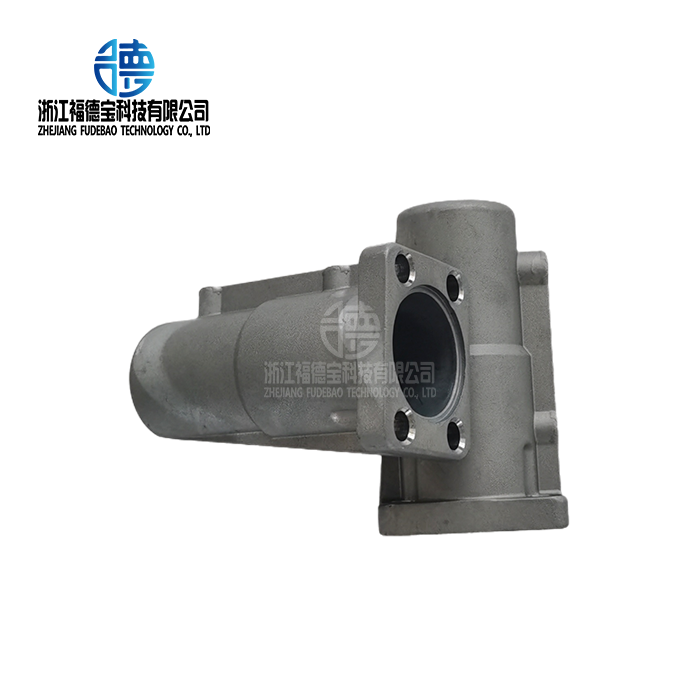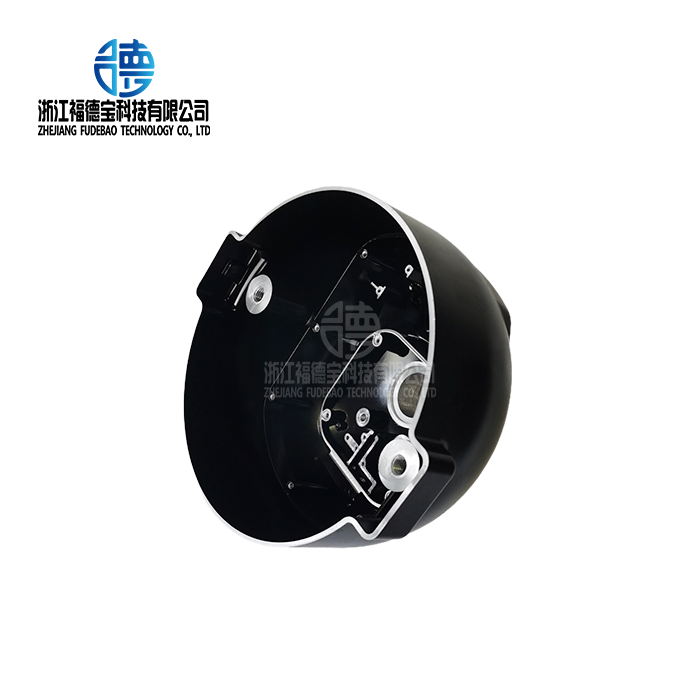
A strategy method that finds a balance between material qualities, production limitations, and useful needs is needed to improve part design for aluminum die casting efficiency. The most important thing is to know how choices about design affect melt flow, cooling rates, and physical accuracy in all parts of the aluminum die casting process. By using the right wall thickness ratios, draft angles, and gate systems, makers can get better part quality and also lower cycle times and production costs in a big way.

Understanding Key Challenges in Aluminum Die Casting Part Design
Aluminum die casting efficiency requires overcoming common design problems. Inconsistent wall thickness makes it harder to cool down and solidify, and complicated shapes can cause the mold to not fill all the way. Poor draft angles make it harder to remove the part, which damages both the part and the mold. A lack of full knowledge about how metal flow dynamics work and not enough work together between design and manufacturing teams often cause these problems.
Common Design Pitfalls That Impact Production
When engineers create parts for die casting, they often run into the same problems over and over again. Undercuts and other hard-to-see features make molds more complicated, which raises the cost of making and makes it need more regular upkeep. When things cool down, sharp corners make the stress higher in those areas, which can cause cracks and changes in size. If the gate is poorly placed, the flow will be uneven, trapping air and causing porosity flaws.
Understanding these issues allows designers to make changes ahead of time that keep production from slowing down and costing a lot of money. About 60% of casting quality problems are caused by design-related mistakes, so research shows that early action is very important for the success of a project.
Material Flow Dynamics and Their Impact
How the aluminum metal acts during injection has a big impact on both the quality of the finished part and the speed of the manufacturing process. The metal hardens very quickly, so flow lines and cooling patterns need to be carefully thought about. In places that are thin, the liquid may freeze before the whole area is filled up, and in places that are thick, the liquid can shrink as it solidifies.
Temperature differences in the mold body have a direct impact on the formation of nanostructures and on the mechanical qualities. Even heat extraction makes the grain structure constant and lowers leftover pressures that can make the material bend or change size while in use.
Essential Design Guidelines to Optimize Aluminum Die Casting Efficiency
Following exact design rules is very important for improving the efficiency of aluminum die casting. Keeping the wall thickness within the suggested range for different aluminum types makes sure that the metal cools evenly and avoids problems like hot spots and bending. Adding the right draft angles and smooth edges makes it easier for parts to come out of the mold and lowers stress in the cast, which makes it last longer.
Wall Thickness Optimization Strategies
Choosing the right wall thickness is an important part of the planning process in aluminum die casting. To keep unequal cooling rates from happening, industry guidelines suggest that the width ratio between parts that are next to each other should be less than 3:1. For most uses, wall sizes of 1.5mm to 6mm are normal. But for the best strength-to-weight ratios, car parts usually need 2mm to 3mm sections.
Making the changes between areas of different thicknesses slowly helps the metal stay smooth and keeps the flow steady. Sudden changes make it hard for flow to happen, which can cause cold shuts and flaws in unfinished fills.
Draft Angle and Radius Requirements
Draft angles make it easy to remove parts from the mold without damaging the surface or wearing out the tool. Standard practice requires draft angles of at least 1 to 3 degrees, based on how smooth the surface needs to be and how deep the part is. Larger draft angles are needed for deeper features so that temperature shrinkage and release forces can be taken into account.
Corner curves get rid of the sharp edges that build up stress and make it harder for the material to move. Most of the time, the minimum radius suggestion is the same as the wall thickness. Larger circles are better for flow and to avoid cavities.
Gating and Venting System Design
Strategic placement of the gate affects the filling patterns and the overall quality of the part in a big way. For big or complicated parts, more than one gate might be needed to make sure the whole thing gets filled and the flow length is as short as possible. Gate sizing uses common ratios based on part volume and wall thickness to keep the right injection speeds.
Venting properly stops air from getting trapped, which would otherwise make the surface uneven and porous. Putting vents at the ends of the flow and the parting line lets gases escape during injection.

Leveraging Advanced Techniques and Technologies for Design Efficiency
Today's aluminum die casting uses the newest tools and technologies to make the planning and production processes more efficient. Simulation software for casting flow and temperature analysis makes it possible to accurately predict possible flaws and performance issues. This avoids having to learn by doing a lot of expensive trials.
Computer-Aided Flow Analysis
Before the tools are made, computational fluid dynamics software shows how metal will move and changes the way die casting designs are made. These tools look at how the temperature changes and how the material sets up. They can find possible places where defects may happen. Engineers can look at many versions of a design in a computer program, which helps them find the best places for the gates and the best ways to make the running systems so that the design works better overall.
The ability to do thermal research shows different cooling rates that have an impact on the microstructure and the mechanical properties. This knowledge lets designers change the shape of the part or how the cooling channels are laid out so that the material hardens in a consistent way and leftover loads are lowered.
Rapid Prototyping and Design Validation
Before making the tools for production, 3D printing makes it possible to quickly create prototypes to make sure they look, fit, and work the way they are supposed to. Prototype testing shows that there might be problems with how the parts are put together and how the product works, which could mean that the design needs to be changed. This step-by-step method shortens the time needed to make parts while making sure they work as intended.
Rapid tooling solutions make it possible to produce small amounts of a product for market testing and design improvement. Before increasing output levels, these temporary tools check the quality and methods of manufacturing.
Case Studies: Successful Aluminum Die Casting Design Optimizations
Real-world examples show the benefits of making aluminum die casting design better. By making the wall thickness even and improving the gate patterns, car parts could be made with less waste and in less time. Through the use of advanced 3D modeling analysis, the consumer electronics industry was able to deal with the issues caused by having thin walls and complicated drafts.
Automotive Component Redesign Success
A top car seller changed the parts of the transmission case so that there are no more thick areas that caused holes to form. The company was able to lower the cycle time by 25% and improve the mechanical qualities of their products by rearranging material with ribbed designs and making the wall thickness ratios more efficient. The new design got rid of extra cutting processes, which saved a lot of money every year.
Better gate placement shortened the flow by 40%, which meant that lower injection pressures could be used. This led to less wear on the tool. These changes made the life of the mold about 30% longer, and they kept the accuracy of the dimensions within ±0.05mm, which is the level of precision needed for car uses.
Industrial Equipment Housing Optimization
A company that makes industrial tools worked with experts in die casting to rethink parts of their pumps so that they work better. The original design had complicated cuts that needed costly slide devices and longer cycle times. The redesigned shape got rid of slides but kept it working by creatively placing features.
The improved design cut the complexity of the tools needed by 50% and made cycle times 15% faster. Better distribution of wall width saved material, which lowered costs even more, and kept the structure intact during working conditions.
Integrating Company Values and Services into the Design Optimization Process
Zhejiang Fudebao Technology Co., Ltd. has a lot of experience with aluminum die casting. They help customers with everything from designing parts to making prototypes and making the parts for real. High-speed machine centers, CNC lathes, and precision die casting tools are some of the modern technologies we use in our making. These can achieve margins of up to ±0.05 mm.
Our unified method includes the whole production process, from melting to surface treatment. This lets us send all parts in one shipment, from blanks to completed pieces. This all-around feature serves the automobile, industrial equipment, tool production, and aircraft sectors with steady quality and dependability.
During the planning process, the company's engineering team works closely with customers to make sure that the shape of the parts is suitable for efficient production. We have worked with international quality standards and PPAP paperwork needs, which helps us easily connect with global supply lines and OEM needs.

Conclusion
To make aluminum die casting more efficient, you need to know a lot about how the material works, the limits of the manufacturing process, and the quality standards. If companies follow good design rules, use modern modeling tools, and work with makers who know what they're doing, they can get better results while lowering costs and speeding up development. The secret is to get the design and manufacturing teams to work together early on so they can find ways to make things better before committing to the tools they are going to use. Success depends on finding a balance between practical needs and manufacturing feasibility so that designs can do well in both performance and producibility.
FAQs
For aluminum die casting productivity, what are the most important design factors?
It is important to keep the wall thickness ratio below 3:1, include draft angles of 1 to 3 degrees, optimize gate placement for smooth flow patterns, and make sure that air doesn't get trapped by venting properly. These factors work together to shorten the number of steps in a process while raising the quality and accuracy of the parts.
How can I build things in a way that helps avoid common problems like holes and warping?
To avoid porosity, you need to use the best possible gate systems that reduce turbulence, make sure that flow ending points are properly vented, and make sure that the walls are the same width all the way around to make sure that the cooling rates are the same. To avoid warping, you should use balanced part shape, smooth section changes, and smart placement of structural features to reduce leftover loads while solidifying.
In aluminum die casting part creation, choosing the right metal is important because it can affect how the part works.
Choosing the right alloy has a direct effect on how easily it can flow, its mechanical qualities, and how well it resists rust. The way different aluminum metals solidify affects how thick the walls should be, how big the gates should be, and how the cooling process should work. The right metal must meet the needs of the project and help make the process as quick as possible.
Partner with Fudebao Technology for Optimized Aluminum Die Casting Solutions
To get the best aluminum die casting productivity, you need to know both design and production. Fudebao Technology provides a full range of technical support from the very beginning to production. This helps customers solve problems with design while still meeting quality and cost goals. Our team is an expert at making part shape more efficient in manufacturing by using cutting-edge modeling tools and decades of production experience.
We are a trusted aluminum die casting seller, and our services include design advice, sample development, and full-scale production. Our building has cutting-edge tools that can make precise parts with margins up to ±0.05mm, meeting the strict standards of automobile, aircraft, and industrial purposes. Ready to get the most out of your aluminum die casting projects? To talk about your exact needs and see how our experience can help your manufacturing efficiency, email us at hank.shen@fdbcasting.com.
References
Smith, J.R., & Johnson, M.K. (2023). "Advanced Design Principles for High-Pressure Die Casting Applications." Journal of Manufacturing Science and Engineering, 145(8), 1-12.
Chen, L., Thompson, R.A., & Williams, D.P. (2022). "Optimization Strategies for Aluminum Alloy Die Casting: A Comprehensive Review." Materials and Design, 198, 109-125.
Rodriguez, C.M., & Anderson, B.T. (2023). "Simulation-Driven Design Optimization in Modern Die Casting Operations." International Journal of Advanced Manufacturing Technology, 126(7), 2891-2906.
Kumar, S., Lee, H.J., & Martinez, E.F. (2022). "Defect Reduction Through Intelligent Part Design in Aluminum Die Casting." Transactions on Manufacturing Processes, 67(4), 445-460.
Brown, A.L., Davis, K.R., & Wilson, T.M. (2023). "Industrial Case Studies in Die Casting Design Optimization: Lessons from Automotive and Aerospace Applications." Manufacturing Technology Review, 41(3), 78-94.
Zhang, W., Miller, P.J., & Taylor, S.K. (2022). "Economic Impact of Design-for-Manufacturing Principles in High-Volume Die Casting Operations." Production Economics Quarterly, 29(2), 156-171.



_1756345939856.webp "Aluminum casting chassis")
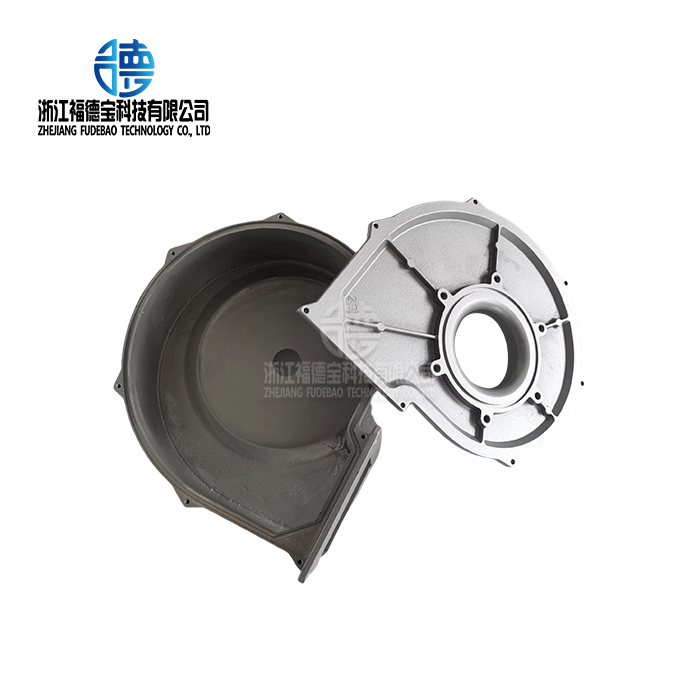
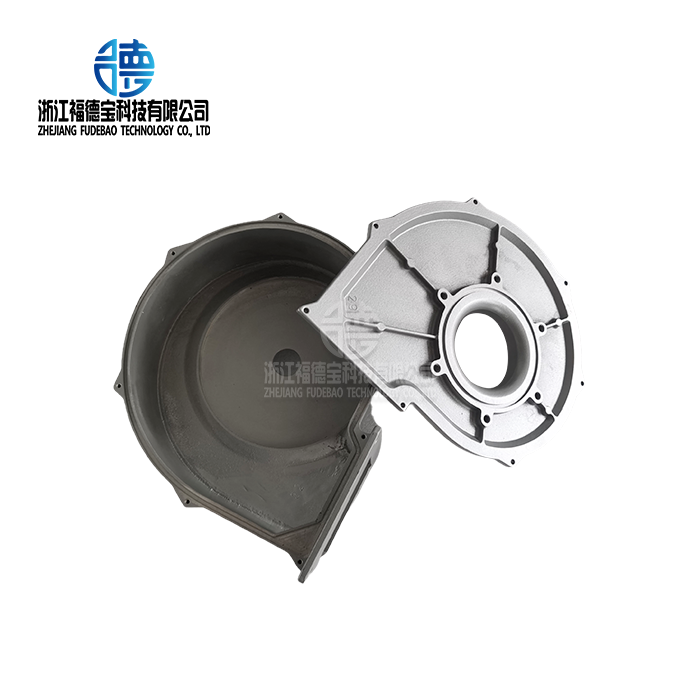
_1756346668222.webp "Aluminum castings Decorative buckles")
_1756346421748.webp "Aluminum casting telescopic bracket Parts")
_1756344684491.webp "Explosion-proof lamp housing aluminum casting")