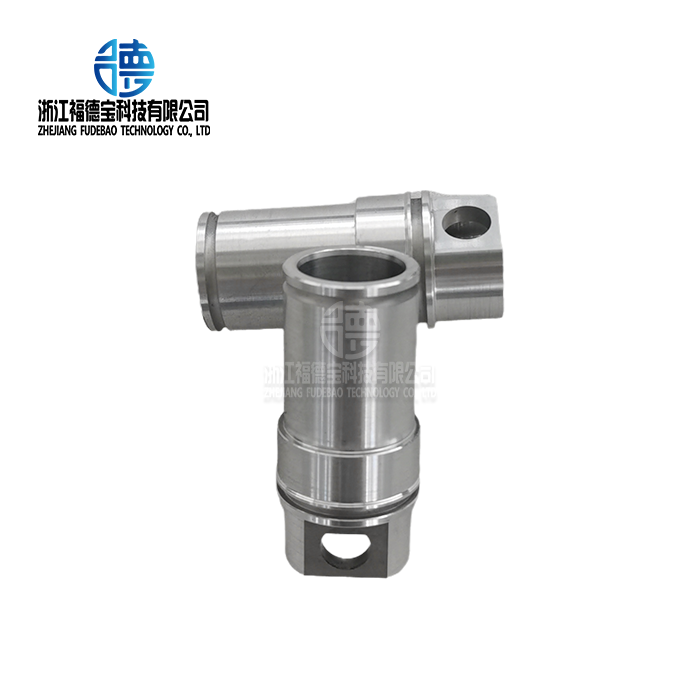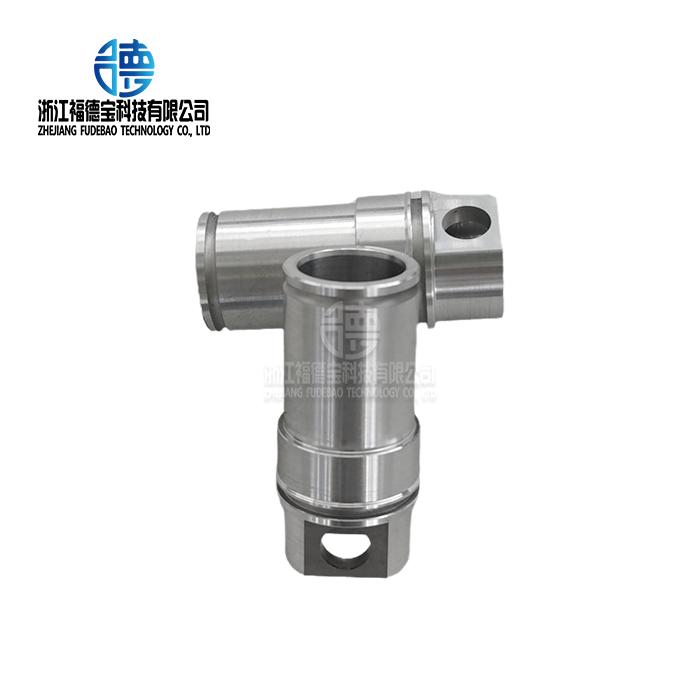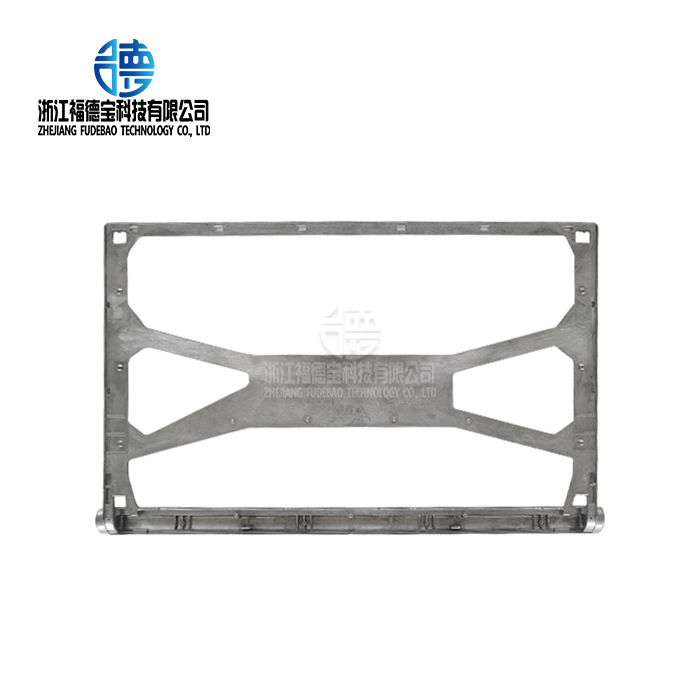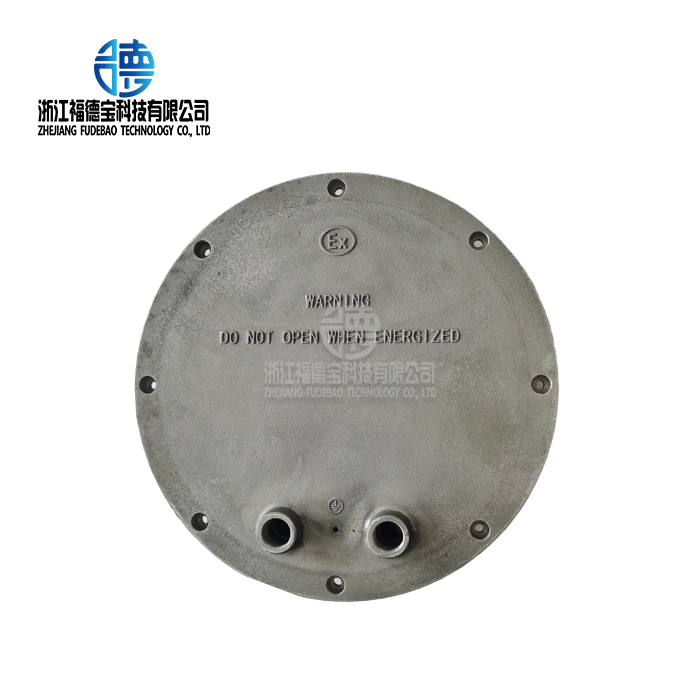
Through sophisticated automated control systems, strict temperature management methods, and built-in quality control technologies, Chinese makers achieve high accuracy in low pressure casting. These days' metal casting businesses use exact pressure controllers, up-to-the-minute process oversight, and advanced mold design features to keep measurement errors within ±0.05mm. Due to this technical excellence, Chinese low pressure casting facilities are seen as dependable partners by automakers, airplane manufacturers, and industrial equipment makers around the world who need regular, high-quality metal parts.

Understanding the Fundamentals of Low Pressure Casting
Low pressure casting is an advanced industrial technique that pours metal into molds under very carefully controlled pressure, usually between 0.2 and 1.5 bar. This filler system gets rid of the turbulence and air pockets that are common in gravity casting, which leads to better part density and measurement accuracy. The first step in the process is precise mold preparation. This involves heating permanent molds to the right temperatures so that the metal can flow properly.
Process Control and Temperature Management
Temperature control is the most important part of accurate casting. During the whole casting cycle, modern Chinese foundries use high-tech pyrometric tools to keep an eye on the temperatures of metals within ±5°C. Aluminum alloys are the most widely cast materials, and they need to be kept at the right temperature, between 680°C and 720°C, during the filling process. This level of temperature accuracy stops the material from solidifying too soon and makes sure that the mold is completely filled.
Mold Design and Material Considerations
When making permanent molds, high-quality steel or special alloys that can handle a lot of temperature changes are used. To get the best mold shape, Chinese makers put a lot of money into computer-aided design software and modeling tools. This helps them find fewer areas where defects could happen and improves the metal flow patterns. Aluminum and magnesium metals are used most often in precision casting because they are strong and light and are easy to machine.
Key Factors Behind High Precision in Chinese Low Pressure Casting Manufacturing
Chinese foundries have adopted the ideas of Industry 4.0, combining new technologies in production with old knowledge of low pressure casting. Thanks to this coming together of technologies, it is now possible to make things in a way that high-volume production runs always guarantee and repeatable accuracy.
Advanced Machinery Integration
Based on real-time feedback from built-in sensors, the newest pressure control systems instantly change the rate at which things are filled. These systems sense tiny changes in pressure and metal flow speed. They make immediate changes to keep the best casting conditions. Chinese makers in the lead use casting rooms that are fully automatic. The only time a person would need to be there is when the system is being set up or tested for quality.
Quality Management Systems
Strong quality systems that use statistical process control and Six Sigma methods let Chinese makers keep the right size on a regular basis. Cpk numbers higher than 1.67 for important variables have been shown by process capability studies. This means that the process is very stable. Continuous tracking systems keep an eye on important factors like metal temperature, pressure profiles, and cooling rates. These systems make big records that can be used to make processes more efficient.
Workforce Development and R&D Investment
Chinese foundries put a lot of money into training programs for technicians and projects that help engineering grow. Skilled workers need a lot of certification, and R&D teams work with universities and research institutions to come up with new casting methods. This knowledge-based method keeps the ability to make things at the cutting edge of casting technology around the world.
Comparative Analysis: Low Pressure Casting Precision in China vs. Other Methods and Regions
Low pressure casting has some clear benefits over other ways of making things, especially when it comes to complicated shapes and exact measurements. This process is better than gravity casting because it lowers internal porosity by 60-80% and improves surface finish quality a lot.
Process Comparison with Alternative Methods
Even though die casting is faster, it requires great pressure that makes designs less flexible and adds more internal stress. While sand casting is cheap for big parts, it can't match the physical accuracy that fixed mold methods can achieve. Low pressure casting finds the best mix between accuracy, cost, and design freedom. This makes it great for car parts, aircraft structure elements, and industrial machinery housings.
Regional Manufacturing Capabilities
Chinese producers have the benefits of being able to adopt new technologies and make products at a wide range of scales very quickly. European foundries are great at making specialized alloys, and American ones focus on very high levels of accuracy for military applications. Chinese factories, on the other hand, are great at using cutting-edge tech while still being able to make products at a low cost. Automotive industry data shows that Chinese suppliers always meet OEM quality standards and keep shipping performance numbers above 98%.

Practical Applications and Benefits of Precision China's Low-Pressure Casting
Chinese foundries make a wide range of precise parts that are very important for many different businesses. Some common car uses where measurement accuracy directly affects how quickly and well the product goes together are engine blocks, transmission housings, and structural frames.
Industry-Specific Applications
Aerospace makers depend on Chinese sources for lightweight parts with high strength-to-weight ratios. These parts are tested in a number of ways, including X-ray inspection, checking the dimensions, and trying the material properties. Industrial equipment uses precise standards for best performance and longer service life in pump housings, compressor parts, and gearbox cases.
Benefits for B2B Procurement
Procurement workers who handle difficult supply chains get a lot of help from precision low pressure casting. Here are the main perks that are making people use it in places all over the world:
- Reduced Secondary Machining: Near-net-shape casting capabilities minimize post-casting machining requirements, reducing production costs and lead times while maintaining dimensional accuracy.
- Better Assembly Efficiency: Consistent part sizes mean that fit-up problems don't happen during assembly, which lowers the cost of labor and speeds up the manufacturing process.
- Longer Product Lifespan: The denser and less porous the material, the better it resists wear, which leads to longer service life for the parts.
- The dependability of the supply chain: You can count on your delivery to work well with different amounts of orders because of your ability to scale output and quality systems that are already in place.
These benefits lead to better overall performance for businesses that focus on both high quality and low cost in their buying methods.
Procuring High Precision Low Pressure Casting from China - What You Should Know
It is important to look at a lot of different things when choosing a seller, like their producing skills, quality standards, and experience with similar projects. Due research methods should include checks of a facility, reviews of capabilities, and evaluations of sample parts to make sure that promises of accuracy are correct.
Supplier Evaluation Criteria
Quality control systems have been set up for ISO 9001, TS 16949 (automotive), and AS9100 (aerospace) approvals. Manufacturing technology evaluations should look at the powers of the tools, process control systems, and testing capabilities. The past success of a project, such as quality and delivery measures, shows how reliable and technically skilled the seller is.
Cost Structure Understanding
The cost of materials, the difficulty of designing molds, the number of items produced, and value-added services like cutting and surface processes are all factors that go into pricing. Choosing the right alloy has a big effect on material costs and how well the casting works. The complexity of the mold design affects the amount of money spent on tools and the cost per part. Procurement experts can get the best specs for cost-effectiveness without lowering quality standards as long as they understand these factors.
Fudebao Technology is an example of how great Chinese production is in precision casting uses. The company provides final parts that meet accuracy standards of ±0.05mm. They can do the whole production process from freezing to surface treatment. Their building has advanced tools like high-speed machining centers, CNC lathes, and specialized casting machines. These tools help car, airplane, and industrial equipment makers from all over the world.
Conclusion
By making smart investments in technology, carefully managing quality, and constantly looking for ways to improve their processes, Chinese makers have become top providers of high-precision low pressure casting parts. Adding high-tech machines, training for skilled workers, and strong quality control systems all help make sure that the parts you make always meet global standards. Chinese foundries have these skills, along with the ability to make as much as needed and offer low prices. This makes them a good choice for global sourcing workers who want to get precision casting. Chinese sellers are still focused on new technologies and high-quality goods to stay ahead of the competition as industrial technologies keep moving forward.
FAQs
Which metals are best for high accuracy low pressure casting?
Aluminum alloys, especially A356, A380, and A383, are the best at combining castability, strength, and structural stability for precision uses. Magnesium alloys are great at being lightweight, and copper alloys are great at conducting heat and electricity. Choosing a material depends on performance needs like how strong it needs to be, how heavy it can be, how well it resists rust, and how it reacts to heat.
How is low pressure casting better than gravity casting at making fewer mistakes?
Low pressure casting stops the mold from filling with uneven flow. This lowers the amount of gas that gets trapped and stops oxides from forming. Using controlled pressure reduces shrinking flaws by making sure that the hole is completely filled and the parts that are hardening are fed better. Internal porosity is usually 60-80% lower than gravity casting ways after this process.
What quality standards should a low pressure casting provider from China have?
ISO 9001 for quality management and ISO 14001 for environmental management are two important certifications. There are also standards that depend on the industry, like TS 16949 for cars or AS9100 for aircraft. NADCAP for special processes and other third-party lab accreditations show that you can do a lot of different things well.
Partner with Fudebao Technology for Premium Casting Solutions
When you want low pressure casting, you can trust Fudebao Technology to give exact parts that meet quality standards around the world and at home. Our state-of-the-art factory uses the latest technology and skilled engineers to make complicated casts with measurement accuracy of ±0.05 mm. Our broad skills in melting, casting, drilling, and surface treatment allow us to serve car, airplane, and industrial equipment makers around the world.
Our promise to quality goes beyond just production. It also includes full project help from optimizing the design to the final delivery. Our team offers unique solutions that meet your exact needs, whether you need parts for car suspension, structures for airplanes, or housings for industrial machinery. To talk about your precision casting needs and learn how our low pressure casting source skills can improve product quality while lowering production costs, email us at hank.shen@fdbcasting.com.
References
Campbell, John. "Complete Casting Handbook: Metal Casting Processes, Metallurgy, Techniques and Design." Butterworth-Heinemann, 2015.
ASM International. "ASM Handbook Volume 15: Casting." ASM International Materials Park, 2008.
Stefanescu, Doru Michael. "Science and Engineering of Casting Solidification." Springer International Publishing, 2015.
Beeley, Peter. "Foundry Technology." Butterworth-Heinemann, 2001.
Brown, John R. "Foseco Ferrous Foundryman's Handbook." Butterworth-Heinemann, 2000.
Ravi, Bangalore. "Casting Simulation and Optimization: Benefits, Bottlenecks and Best Practices." Indian Foundry Journal, 2008.



_1756346371362.webp "separator housing")
_1756352472762.webp "steel threaded plug")
_1756346668222.webp "Aluminum castings Decorative buckles")