



How to Evaluate Aerospace Aluminum Castings Suppliers for Projects?
2026-08-25
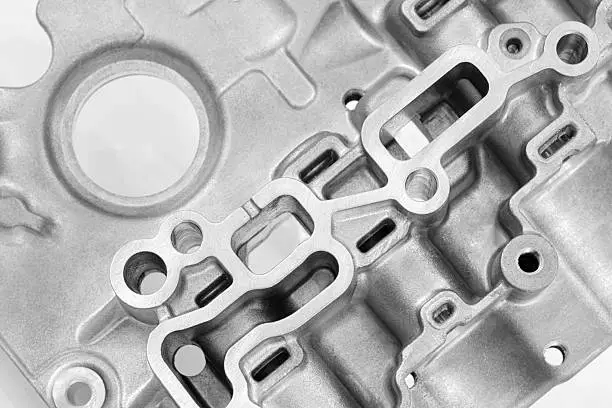
Evaluating aerospace aluminum castings suppliers requires a systematic approach centered on certification compliance, technical capabilities, and quality assurance infrastructure. The selection process must address critical factors including alloy expertise (A356, 6061-T6, 7075), casting methodology proficiency, dimensional accuracy guarantees, and traceability protocols. Aerospace aluminum castings demand suppliers who maintain AS9100 certification, demonstrate consistent metallurgical testing, and provide complete first article inspection documentation. Understanding the supplier's equipment sophistication—from low-pressure die casting machines to high-speed CNC machining centers—directly correlates with their ability to meet aerospace-grade tolerances and deliver mission-critical components reliably.
Understanding the Core Requirements of Aerospace Aluminum Castings
Aerospace parts have to work in harsh situations where the materials can't break. Every decision about buying aerospace aluminum castings is affected by this fact.
Industry-Specific Alloy Standards
The chemical make-up and mechanical qualities of aerospace aluminum alloys must be in line with AMS (Aerospace Material Specifications) norms. Some common alloys are A356-T6 for structural parts that need to be easy to cast and resistant to corrosion, and 7075 for uses that need the highest strength-to-weight ratios. These materials are put thru a lot of chemical tests to make sure they have the right amount of silicon, magnesium, and impurities that affect how long they last and how well they resist fatigue and stress corrosion cracking at high elevations.
Certification Framework Expectations
AS9100 certification is the basic quality management system for aircraft producers. It builds on ISO 9001 by adding more controls for managing configurations, evaluating risks, and stopping the production of fake parts. NADCAP certification for certain processes, such as heat treatment and nondestructive testing, shows that suppliers keep process controls that meet the needs of aerospace OEMs. The procurement teams should make sure that these certifications are up-to-date and fit the needs of your components.
Material Performance Comparisons
Titanium is stronger and can handle heat better than aluminum, but it costs a lot more to buy and machine, so aluminum is better for structural parts that aren't engines. Even more weight can be saved by using magnesium instead of aluminum, but it needs to be handled in a certain way because it can rust and catch fire. For most aircraft bracket assemblies, housings, and secondary structures, aluminum is the best choice because it has the best performance, is easy to work with, and has the lowest lifetime cost.
Defining Evaluation Criteria for Aerospace Aluminum Castings Suppliers
Choosing the right supplier affects every part of your flight program after the supplier is chosen. This includes when the prototypes are validated and how consistent the production runs are for aerospace aluminum castings.
Manufacturing Process Capabilities
For different aircraft uses, different casting methods are used. For complex shapes like turbine parts, investment casting gives you the tightest tolerances and smoothest surface finishes. Low-pressure casting, on the other hand, is best for bigger structural parts that need to control the direction of solidification. High-pressure die casting makes it easy to make frames and housings quickly and accurately every time. When you buy from suppliers that can do more than one process, you can be flexible with your purchases as your component portfolio changes to fit different aircraft systems.
Quality Infrastructure and Testing Protocols
Advanced providers of aerospace aluminum castings have their own steel labs that can do spectroscopic analysis, tension testing, and microstructure study. This feature lets you check the quality in real time, without having to use outside labs, which takes longer. Coordinate measuring machines (CMM) that use aerospace-grade calibration standards make sure that measurements are accurate and meet geometric dimensioning and tolerancing (GD&T) standards. Before machining, X-ray inspection systems and dye penetrant testing stations find internal porosity and surface discontinuities. This stops expensive rework situations.
Production Flexibility and Scalability
Usually, aerospace programs start with small numbers of prototypes and then move on to regular production over a number of years. Suppliers must be able to work with this phased method without making initial builds too expensive by investing in too many tools. Look for partners who use modular tooling systems that let you change the design while the product is being developed and then switch to automated cells for mass production. Their ability to keep track of buffer stock when production rates change keeps your assembly schedules from getting thrown off.
Establishing these review factors up front produces a way to find suppliers that can meet the performance needs of aerospace programs while also keeping costs low. When choosing a new supplier, the evaluation system should put a lot of weight on technical skills. This is because cost savings don't mean much when there are problems with quality or delivery in aerospace supply chains.
Comparing Aerospace Aluminum Casting Materials and Processes Offered by Suppliers
Your aircraft part's performance and how much it costs will depend on the materials you choose and how well the manufacturing process is aligned for aerospace aluminum castings.
Aluminum Alloy Selection Trade-offs
The 356 metal family is the most common one used in aircraft casting because it flows easily when it's being filled into a mold and responds well to T6 heat treatment. This heat treatment—solution annealing followed by fake aging—makes the yield strength higher than 30 ksi while keeping the flexibility to protect against impact. With furnace uniformity surveys and regular pyrometry calibration, suppliers must show that their heat treatment methods are consistent. For some uses, special alloys like 206 with copper added for high temperature strength are needed. This means that suppliers need to have a lot of experience with metalworking and controlled gas kilns to keep the metal from oxidizing.
Casting Versus Forging Decision Factors
Forged aluminum parts have better grain flow alignment and don't have the internal gaps that come with cast structures. Forgings, on the other hand, need a lot of work to be done on solid billets, which wastes a lot of material and takes longer. When there are internal openings or fixing features in a complex shape that would need multi-axis machining from forgings, casting is a more cost-effective option. When a supplier can do both casting and forging, engineering teams can choose the best way to make something based on the results of a stress analysis and an estimate of the volume of production, not on the supplier's limitations.
Surface Treatment Considerations
Anodizing aluminum casts makes them more resistant to corrosion and gives paint a stable surface to stick to on the outside of airplanes. Anodizing needs surfaces that don't have any holes in them because holes in surfaces that are connected to each other trap acidic electrolyte that later leaks out and breaks down the coating. Suppliers should show that their process controls stop gas gaps by managing the melting and solidification processes correctly. Chemical conversion coatings, such as Alodine, are an alternative way to protect internal parts from rust when anodizing's dimensional growth makes it hard to meet assembly standards.
How to Verify and Validate Aerospace Aluminum Casting Suppliers?
Validating your aerospace aluminum castings suppliers keeps your program safe from quality risks that could delay certification and affect flight safety.
On-Site Assessment Protocols
Physical facility audits show how things really work, not just how they look in marketing materials. Check out the practices for keeping the melt clean, such as degassing tools, filtration systems, and inclusion analysis protocols that keep oxide films from damaging the mechanical properties. Check their measurement system analysis documents and gage calibration program to make sure that the physical data matches the real properties of the part. Follow the steps for material tracking from receiving the ingot to serializing the finished part, making sure that heat lot numbers stay with the parts during production and can be used for investigations into their airworthiness.
First Article Inspection Requirements
Documentation from FAI sets the standard for quality that all production parts after it are measured against. Full FAI packages come with material certifications that show how the alloy was made and where the raw materials came from, mechanical test results from qualification coupons, and metallographic cross-sections that show the microstructure meets the requirements. Suppliers should give you this information in a format that works with your engineering data management systems. This will make it easier to review and store, which is required by aerospace record retention laws.
Ongoing Performance Monitoring
Set up key performance measures to keep track of how often deliveries are made on time, how often quality problems occur, and how well corrective actions work. Business reviews every three months are a good time to talk about bad trends before they have a big effect on the program. Supplier scorecards that compare multiple vendors create competitive pressure that drives continuous improvement and show which vendors are the best and should get more business. These relationships based on metrics change supply management from fixing problems after the fact to building skills ahead of time.
Practical Tips for B2B Procurement Managers: Sourcing and Building Partnerships
Thru shared innovation and working together to solve problems, strategic aerospace aluminum castings supplier relationships create value that goes beyond individual purchase orders.
Effective RFQ Development
For request for quote packages to get useful offers, they need to clearly state the technical needs. Include 3D CAD models that show different parting line choices and machining stock limits that can change the shape of the casting. Give annual volume estimates for the whole program's lifecycle so that suppliers can suggest tooling investments that are right for the production scale. Make it clear what kind of inspections you need—whether you want full FAI with every package or just re-qualification every so often—because this has a big effect on the prices and delivery times that are mentioned.
Total Cost of Ownership Analysis
The unit price of a piece is only one part of the real cost of acquisition. Tooling amortization should be taken into account over the expected volumes, and change order provisions should be included for design changes made during development. Compare the freight costs and wait times of buying from domestic vs. international sources. Keep in mind that longer supply chains can increase the cost of keeping inventory and the risk of late shipments. To figure out how much better quality performance is worth, you should add up the costs of things like incoming inspection labor, rework, and production interruptions caused by defective materials.
Partnership Development Strategies
Top aerospace providers put time and money into learning about your product plan and application needs beyond just the orders they already have. Set up technical exchange meetings where your engineering teams can talk about upcoming platform needs and suppliers can show off new features, such as additive manufacturing for making casting patterns or simulation software that can predict problems with solidification. During these group meetings, value engineering opportunities are found that lower the cost of parts while making them easier to make. These investments are encouraged by preferred seller deals with multi-year pledges, which also ensure your supply continuity.
Building relationships with aerospace-grade suppliers requires seeing them as extensions of your engineering and manufacturing team, not just as companies you do business with. When suppliers understand how your product will be used in the real world, they can help you make designs that will work better and cost less in the field. We've helped aerospace projects around the world at Zhejiang Fudebao Technology by combining our advanced casting skills with our precision machining skills. Our facility has both high-speed machining centers and low-pressure casting tools that can make parts from liquid metal all the way thru to finished sizes. We can meet the strict requirements of aerospace applications because we can hold tolerances of ±0.05mm, whether we're making structural brackets or complicated housing assemblies.
Conclusion
When choosing aerospace aluminum castings providers, you need to do a lot of research on their quality systems, technical skills, and ability to meet certification requirements. The supplier's knowledge of alloys, ability to use a variety of processes, and testing facilities directly affect whether or not parts meet airworthiness standards and work reliably throughout their service life. Comprehensive validation thru facility audits, first article inspections, and ongoing performance monitoring lowers risks in the supply chain and builds partnerships that help things keep getting better. When procurement professionals put in the time and effort to organize supplier assessments, they get better quality, more reliable delivery, and working relationships with suppliers that make all aircraft manufacturing projects more successful.
FAQ
What certifications should aerospace aluminum casting suppliers maintain?
AS9100 certification sets the standard for quality management for aircraft providers, showing that they follow controlled procedures for managing configurations, reducing risk, and keeping track of things. NADCAP certification for certain processes, such as chemical processing, heat treatment, and nondestructive testing, shows that suppliers keep up with technical standards set by aircraft OEMs. ISO 9001 is a basic standard for quality systems, but it's not enough for aerospace applications that need controls that go beyond standard manufacturing practices for aerospace aluminum castings.
How do aluminum castings compare to titanium for aerospace applications?
When compared to titanium, aluminum has a much better strength-to-weight ratio and costs a lot less to make. Titanium works best in places with high temperatures, like engine parts, where aluminum loses its strength. It also resists corrosion better in naval settings. Aluminum is still the best material for airframe frames, brackets, and housings where temps stay mild, and cost-effectiveness is important for the program's finances.
What should I include in an aerospace aluminum casting RFQ?
Full RFQs include 3D CAD models, full technical drawings with GD&T specifications, yearly volume estimates for different program phases, material specifications based on aerospace standards, and inspection requirements. Include when the program is expected to end, how it needs to be packaged for shipping, and any special process controls, such as heat treatment in a neutral atmosphere. With this information, suppliers can make accurate suggestions about how to make the tools and give reasonable delivery times.
Partner with Fudebao Technology: Your Aerospace Aluminum Castings Supplier
Zhejiang Fudebao Technology offers aerospace-grade aluminum casting services with quality systems that are in line with AS9100 and modern production infrastructure. We can do precision CNC cutting, low-pressure die casting, and high-pressure die casting all in the same building. This means that we can track everything from the raw material to the finished part. Using high-speed machining centers and automated inspection equipment, we keep machining tolerances to ±0.05mm for global aerospace programs, automotive OEMs, and industrial equipment manufacturers. Our technical team works with your engineering team to make sure that the casting design is the best it can be for performance and manufacturability, whether you need prototype brackets for testing to make sure they are safe to use or production housings for delivering many planes at once. Fudebao Technology is an aerospace aluminum castings supplier. Email hank.shen@fdbcasting.com to talk about your project requirements and get thorough quotes. We have a history of providing mission-critical components, which you can rely on. Visit fdbcasting.com to see all of our services and learn how we help aerospace manufacturers do their best work.
References
1. Aerospace Industries Association. (2022). Aerospace Quality Management Systems: AS9100 Implementation Guidelines. Washington, DC: AIA Publications.
2. Campbell, J. (2015). Complete Casting Handbook: Metal Casting Processes, Metallurgy, Techniques and Design (2nd ed.). Oxford: Butterworth-Heinemann.
3. Kaufman, J. G., & Rooy, E. L. (2004). Aluminum Alloy Castings: Properties, Processes, and Applications. Materials Park, OH: ASM International.
4. Society of Automotive Engineers. (2021). AMS 4217: Aluminum Alloy, Castings, Premium Quality, 7.0Si-0.3Mg Solution and Precipitation Heat Treated. Warrendale, PA: SAE International.
5. Starke, E. A., & Staley, J. T. (1996). Application of modern aluminum alloys to aircraft. Progress in Aerospace Sciences, 32(2-3), 131-172.
6. Totten, G. E., & MacKenzie, D. S. (2003). Handbook of Aluminum: Vol. 1, Physical Metallurgy and Processes. New York: Marcel Dekker.



YOU MAY LIKE
