How Low Pressure Casting Improves Surface Finish and Mechanical Strength?
2026-06-08
Controlled counter-gravity filling at 0.02–0.1 MPa improves surface quality and mechanical strength in low pressure casting. Pressurized delivery prevents turbulence-induced oxide inclusions and ensures continuous metal feeding during solidification, resulting in components with dense microstructure, low porosity, and surface roughness of Ra 3.2-6.3 µm. This process produces completely heat-treatable parts fulfilling ISO 8062 CT6–CT7 tolerances, perfect for safety-critical applications requiring aesthetic quality and structural integrity. Gravity techniques use hydrostatic head or high-pressure die casting, which traps gas.
Understanding Low Pressure Casting and Its Impact on Quality
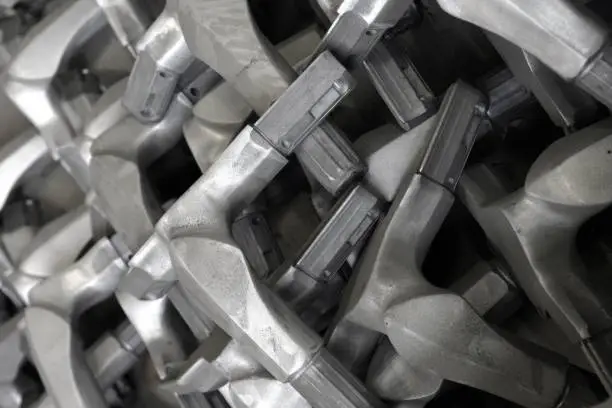
At Fudebao Technology, we've seen production procedures affect product performance. This strategy is simple but transformational. A riser tube connects a pressurized holding furnace to the mold above, holding molten aluminum or magnesium alloy. Controlled pneumatic pressure—usually 20–100 kPa—forces liquid metal upward into the chamber, filling it from the bottom without splashing or free-fall. Low pressure casting ensures the filling step has limited oxygen exposure, resulting in cleaner interior structures.
The Counter-Gravity Advantage
How is this method different from gravity pouring or sand casting? The answer is laminar flow. Turbulence is almost reduced when metal flows smoothly via the feed tube into the mold. This regulated movement avoids oxide deposits from weakening castings. Equally important is temperature regulation. The mold preheating enables uniform thermal gradients while the furnace maintains melt temperature. The pressure feeds liquid metal into shrinking regions as solidification begins, correcting for volume loss without forming gaps or porosity pockets like other casting techniques.
Comparing Process Economics
Material yield rates are intriguing. Metal usage in traditional gravity casting is 50-60% due to massive feeders and risers that must be chopped and remelted. However, counter-gravity feeding permits extra metal in the riser tube to flow back into the furnace when pressure decreases, increasing yields exceeding 90%. This material waste reduction improves quality and per-part economics for procurement teams assessing cost-effectiveness.
Technical Advantages of Low Pressure Casting Over Other Methods
The quality of the completed product shows the metallurgical benefit of this procedure. Our facility has tried several parts, and the data consistently demonstrates how process parameters impact performance. Using PID-regulated pressure curves to control filling rate allows tiny grains to develop during solidification. This well tailored microstructure immediately enhances tensile strength and stretch over gravity. This refined microstructure makes low pressure casting superior for high-performance requirements.
Defect Elimination Through Process Control
One of the biggest foundry issues is porosity. High-pressure die casting solves this with high injection rates, but that speed creates trapped air and gas porosity that prevents heat treatment. Sand casting avoids high velocities but has coarse grain and oxide inclusions. A moderate velocity regulated pressure filling method yields best results. The absence of turbulence during mold filling prevents oxide films from folding into the casting body. Auto customers' X-ray inspection results routinely demonstrate ASTM E155 compliance levels that gravity castings cannot match. Radiographs show a tight internal structure with no shrinkage cavities in thick portions or gas holes at gates, simply solid metal.
Mechanical Performance Metrics
Its heat treatability distinguishes it. Components may tolerate complete T6 solution and aging without blistering due to low entrapped gas levels. Car elements like suspension control arms and steering knuckles need this ability. A356 aluminum castings after heat treatment often surpass 240 MPa and have elongation above 5%, which gravity-cast counterparts cannot match. Surface finish is another distinct feature. Pressure-fed solidification and calm filling generate surfaces with small machining allowances. Pressurized pieces need 0.3-0.5mm cleaning, compared to 3-5mm for sand castings and 1-2mm for gravity permanent mold castings. This reduction in secondary machining lowers production costs and lead times, which sourcing directors consider when choosing suppliers.
Design and Material Considerations When Using Low Pressure Casting
Material choice is crucial to casting. Aluminium alloys dominate this process area because to their fluidity, corrosion resistance, and strength-to-weight ratio. A356 (AlSi7Mg0.3) is the structural alloy of choice due to its castability and mechanical qualities. With tighter composition control, A357 performs better when strength is needed. We've cast copper alloys for high-conductivity electrical applications, but their higher melting temperatures require specific equipment. Selecting the right alloy ensures success in low pressure casting projects.
Optimizing Component Geometry
Consistent wall thickness matters more than precise measurements. The method can tolerate parts as thin as 2.5mm—thicker than high-pressure die casting but thinner than conventional sand casting—but maintaining consistent thickness prevents hot spots and shrinkage. Gradual tapers between thick and thin portions sustain solidification near the feed point.
Gating System Design
Gating systems differ greatly from other approaches. Gate location minimizes flow distance and ensures correct feeding channels since metal enters from below under pressure. Gravity pouring may not require several gates. To minimize erosion from the pressured stream and premature solidification that might obstruct feeding, the gate-to-cavity transition must be properly constructed.
Mold and Core Integration
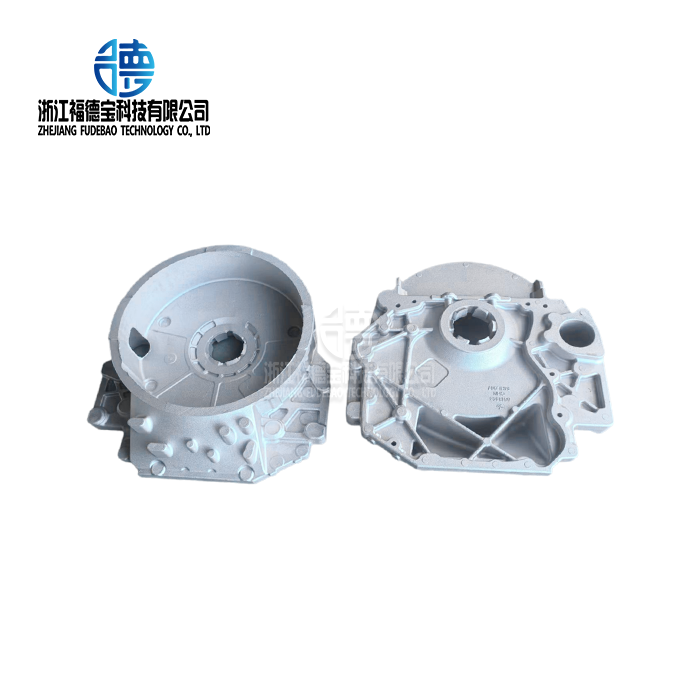
A major benefit is sand core compatibility. Standard shell sand or cold box cores can be utilized without crushing due to the low pressure (1 bar). Complex internal geometries like cooling jackets in cylinder heads or hollow motor housings are possible with this capacity. Component engineers may define complicated undercuts and passageways knowing the technique can dependably create them. Slower filling lowers faults but makes manufacturing longer. Trial iterations determine optimal pressure-rise curves to maintain metal velocity at the gate by modifying pneumatic pressure increase. Mold and metal temperature control guarantees consistent results throughout production runs, with cycle lengths of 2–5 minutes depending on part size and complexity.
Industrial Applications Demonstrating Low Pressure Casting Benefits
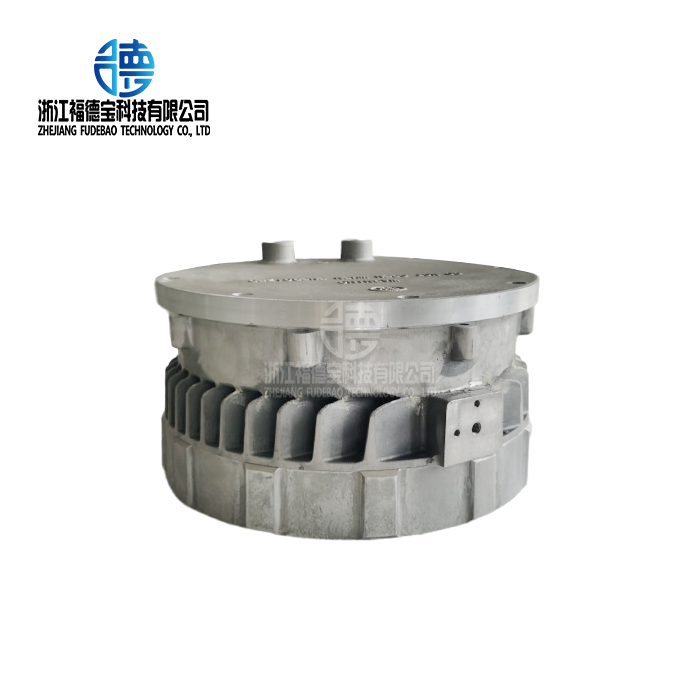
Automotive is the major application sector. Alloy wheels dominate global manufacture utilizing this approach. The visual intricacy, lightweight performance, and high impact resistance of pressured permanent mold casting make it excellent for wheel manufacture. Fine surface polish lowers coating needs and thick microstructure ensures airtightness. These wheels must withstand millions of dynamic fatigue cycles, which gravity-cast wheels cannot. For electric vehicles, low pressure casting creates motor housings with complex cooling routes that remain pressure-tight and leak-proof.
Suspension components represent safety-critical applications. Control arms, steering knuckles, and subframe mounting brackets must withstand millions of load reversals and strict X-ray inspections. The low-defect internal structure achieved by pressured feeding and thorough heat treatment makes these parts feasible. This production procedure is specified in automotive OEM engineering drawings because of its dependability. Beyond automotive, industrial machinery uses the method for pump housings, compressor components, and gearboxes. Applications in hostile conditions benefit from heat resistance, dimensional stability, and strength.
How to Choose the Right Low Pressure Casting Solution for Your Procurement Needs?
Understanding trade-offs helps evaluate production techniques. High-pressure die casting has thinner walls and faster cycle times but lacks heat treatability and increases tooling costs. Sand casting offers design freedom and reduced tooling costs but worse surface smoothness and tolerances. Investment casting has greater part costs and longer lead times but better detail. For medium-to-high volume manufacturing, low pressure casting balances quality, affordability, and manufacturing pace.
Equipment and Supplier Assessment
Machine capabilities vary widely across providers. Automation affects manufacturing efficiency and quality. Modern installations have automated ladling, mold temperature control, and quality monitoring. Vertical systems cycle quicker than tilting furnaces. Mold compatibility is important when component portfolios have varying shapes necessitating separate tooling. Facilities with antiquated machinery may struggle with tight tolerances. Mold creation and maintenance in-house ensures responsive tooling to design changes. Procurement teams need quality systems certification (IATF 16949 for automotive, AS9100 for aerospace) to show process maturity and documentation discipline.
Building Collaborative Partnerships
Successful component development needs early supplier participation. Foundry knowledge optimizes part shape for manufacturability and functional requirements throughout design. Infrastructure includes X-ray equipment for verifying internal strength, spectrometers for alloy makeup, and mechanical testing facilities for inspecting materials without destroying them. If suppliers submit PPAP documentation bundles, initial item inspection reports, and continuous SPC data, engineers may trust their supply. Strategic sourcing considers domestic content, regional manufacturing capabilities, and backup supplier qualification. Established partnerships with reliable partners often trump minor cost reductions from unproven sources.
Conclusion
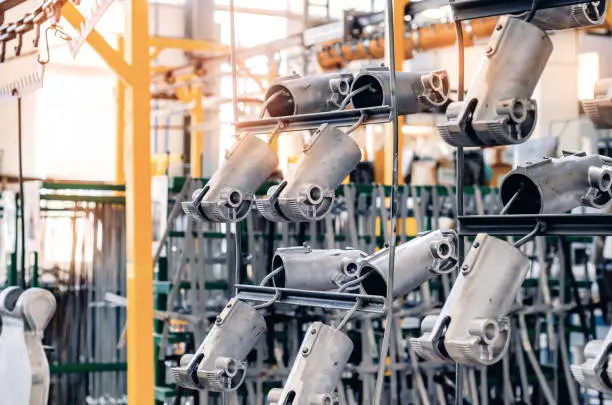
Compared to standard foundry processes, low pressure casting improves surface quality and structural performance. Eliminating filling turbulence minimizes oxide inclusion development, and consistent solidification feeding eliminates porosity. These metallurgical benefits result in better mechanical qualities, tighter tolerances, and less machining. Because of proven outcomes, industries requiring reliable, safety-critical products increasingly use this production method. Procurement experts should examine overall value—including decreased secondary processing, increased yield rates, and long-term supply reliability from quality-focused suppliers—when assessing manufacturing choices.
FAQ
What surface roughness can be achieved?
Surface Roughness: Typical as-cast surface finishes are Ra 3.2 to 6.3 micrometers, significantly smoother than gravity permanent mold castings. This quality level decreases machining allowances to 0.3-0.5mm and removes additional polishing for non-cosmetic surfaces, decreasing manufacturing costs and lead times.
How does this compare to gravity casting?
Gravity Comparison: Pressure-controlled upward filling prevents the turbulence and oxide film formation common in top-poured gravity procedures. This results in denser microstructure, fewer internal defects, and better mechanical properties—particularly elongation and fatigue resistance. Material yield also increases from approximately 60% to over 90%.
Can complex internal passages be created?
Internal Passages: Yes. Standard resin-bonded sand cores can be utilized without crushing at 1 bar. This allows sophisticated interior geometries like cooling channels in cylinder heads and hollow motor housing parts, which higher-pressure methods cannot produce.
What minimum wall thickness is practical?
Wall Thickness: Minimum sections are 2.5-3.0mm in most applications. Compared to 4-6mm sand casting minimums, this is much thinner. In contrast, high-pressure die casting can be as thin as 1.5mm. Workability varies on flow distance, alloy choice, and part shape.
Partner with Fudebao Technology for Superior Low Pressure Casting Solutions
Fudebao Technology offers complete low pressure casting services to engineering teams. Our factory delivers components from raw material to final product with ±0.05mm tolerances, integrating melting, casting, CNC machining, and surface treatment under one roof. We help North American automotive OEMs, industrial equipment manufacturers, and electrical sector clients with IATF 16949 certified processes and comprehensive PPAP documentation. Contact our technical team at hank.shen@fdbcasting.com to explore how our precision casting knowledge can improve product performance and supply chain efficiency.
References
Campbell, J. (2015). Complete Casting Handbook: Metal Casting Processes, Metallurgy, Techniques and Design. Butterworth-Heinemann, Oxford.
Kaufman, J.G. & Rooy, E.L. (2004). Aluminum Alloy Castings: Properties, Processes, and Applications. ASM International, Materials Park, Ohio.
Beeley, P.R. (2001). Foundry Technology, 2nd Edition. Butterworth-Heinemann, Oxford.
ASTM International. (2018). ASTM B618: Standard Specification for Aluminum-Alloy Permanent Mold Castings. West Conshohocken, Pennsylvania.
Dong, X., Zhu, X., & Ji, S. (2019). Effect of Super Vacuum Assisted High Pressure Die Casting on Microstructure and Mechanical Properties of Aluminum Alloys. Journal of Materials Processing Technology, 266, 105-113.
Bonollo, F., Urban, J., Bonatto, B., & Botter, M. (2005). Gravity and Low Pressure Die Casting of Aluminum Alloys: A Technical and Economical Benchmark. La Metallurgia Italiana, 97(6), 23-32.



YOU MAY LIKE
_1756360265131.webp "Aluminum casting chair legs")