How Accurate is Sand Casting?
2026-05-19
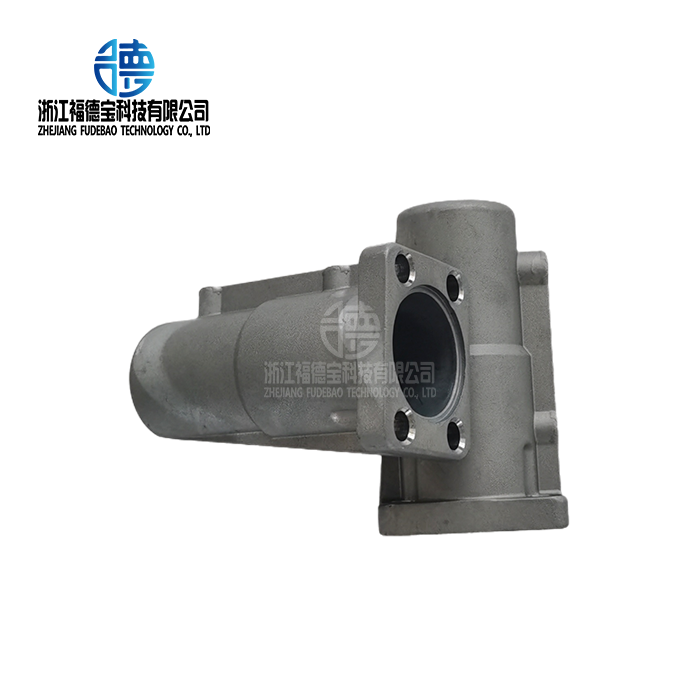
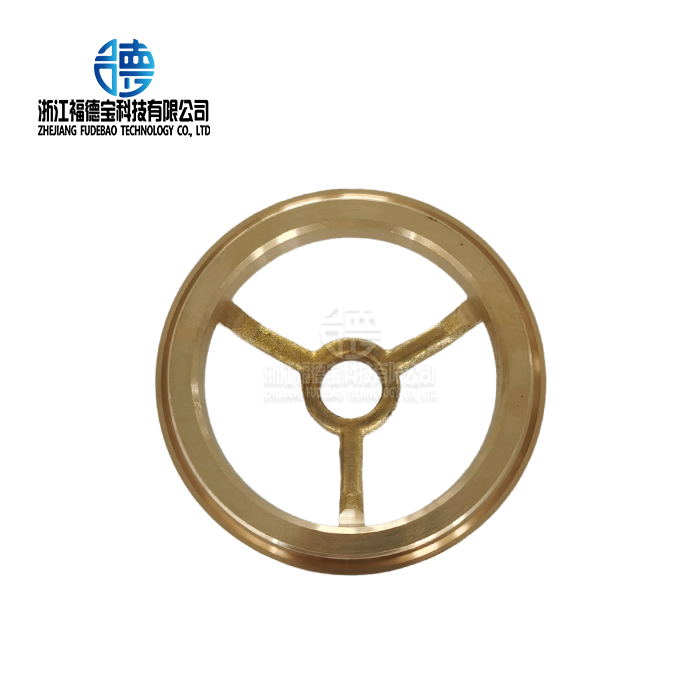
Dimensional tolerances for sand casting are usually between ±0.5mm and ±2.5mm, based on the size and complexity of the part. These tolerances are in line with ISO 8062 guidelines for grades CT10 to CT13. Die casting or CNC machining may be more accurate, but sand casting is great when cost is important and accuracy isn't too important. This is especially true for medium to large parts in car powertrains, industrial pump housings, and energy sector equipment. When buying teams have to balance manufacturing costs against measurement requirements, knowing these tolerances helps them make smart choices.
Understanding Sand Casting Accuracy
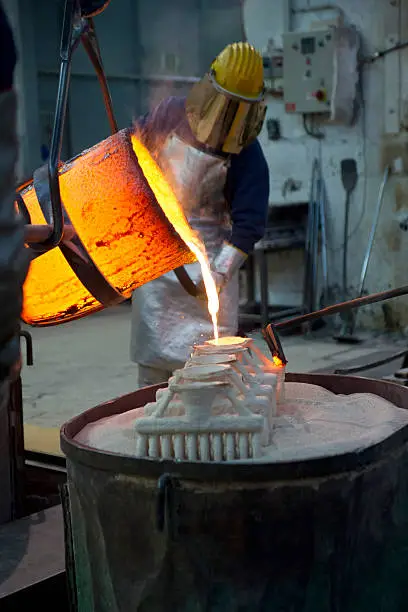
Sand casting is still the most common way to shape metal in many businesses; it makes up about 60% of all metal casts made in the world. Using this method, moulds are made from bonded sand mixes that are used only once. Molten metal runs into the moulds, hardens, and shapes the parts into the desired shape. During procurement planning, engineering managers and sourcing leaders must think about a number of linked factors that affect how accurate the work is.
Fundamentals of the Sand Casting Process
The first step is making a pattern, which is a copy of the end part that is usually made of metal, wood, or polymer. This design is put in a jar and covered with bonding sand. It is then taken out, leaving a hole. Then, iron, copper, or other metals that are molten fill this space. When it's hard, the sand mould comes off, showing the rough casting. Clay and water are used as binding in green sand moulds, which makes them a cheap way to make a lot of things. Resin binders are used in chemically linked sand systems to make them more stable and improve the quality of the surface, but they cost more to make. We've seen that resin-bonded moulds always make tolerances that are tighter, which is especially helpful for bracket systems for cars and electrical motor housings where fitting accuracy is important.
Key Factors Influencing Dimensional Precision
The qualities of the mould material have a direct effect on the accuracy of the end product. When metal hardens, permeability controls how much gas can escape, and compression strength checks to see if the mould can keep its shape when molten metal presses on it. When designing patterns, you have to take metal shrinking into account. For example, aluminium alloys usually shrink by 1.2% to 1.5% when they cool, so the patterns have to be bigger to fit. When shrinkage limits are too small, casts are too small and fail dimensional checks.
The physics of metal pouring add more factors. How evenly the metal fills complex shapes depends on the pour temperature, flow rate, and design of the gate system. Surface flaws and trapped gases are caused by turbulent flow, which makes the dimensions less consistent. Controlled filling reduces these problems as much as possible, which is especially important for aircraft parts that need to be traceable very carefully.
The Role of Post-Casting Machining
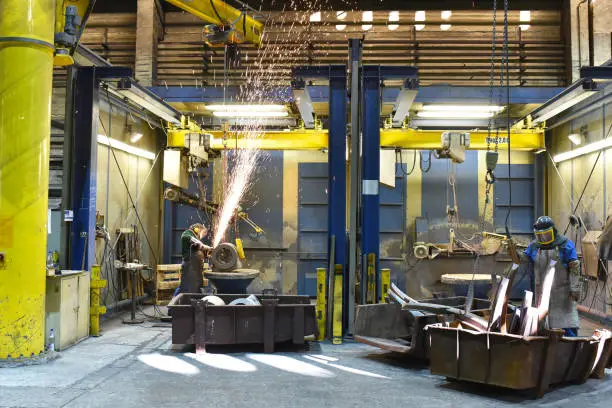
Without additional steps, sand moulds rarely meet the end requirements. With CNC cutting, rough surfaces are taken care of and critical features like mounting faces, bearing bores, and threaded connections are made to very close tolerances. Fudebao Technology uses an integrated method that mixes sand casting with high-speed machining centres and CNC lathes to make final parts that are accurate to within ±0.05mm. This mixed method works really well for making transmission housings for cars and industrial gearbox parts that need to fit together perfectly, which is more accurate than what as-cast can do.
Tolerance Ranges Compared to Alternative Processes
Die casting can get tolerances as small as ±0.1mm, but the steel tools needed are very expensive, so it can't be used for production runs less than 5,000 units. Investment casting is perfect for making aircraft turbine blades and parts for medical implants because it can be accurate to within 0.2 mm and have great surface finishing. Sand casting is in the middle. It has wider tolerances, but the cost of the tools is much cheaper, and it can handle parts that are up to several tonnes in size. When procurement pros understand these trade-offs, they can choose the best way to make something based on expected volume, price, and size needs.
Common Accuracy Challenges and Defects in Sand Casting
Even for foundries with a lot of experience, getting repeated measurement accuracy is hard. Being aware of these problems helps quality teams set reasonable standards and use the right testing procedures.
Surface Roughness and Its Impact
Most as-cast surfaces are much harder than die-cast or polished finishes, measuring between 6.3 and 12.5 Ra (microns). This roughness comes from sand grain impressions sticking to the metal surface while it hardens. Even though rough surfaces are fine for non-critical places, they make closing more difficult and need extra finishing steps. A lot of the time, electrical covers for power tools need to be ground down or coated again to get the right surface quality for sealing against the environment and resisting corrosion.
Dimensional Instability from Warping
Internal forces that cause thin-walled sections or asymmetric shapes to bend are caused by uneven cooling rates. Large pump cases and compressor housings are especially likely to be damaged. Differential contraction pulls a part out of flatness when one part hardens faster than nearby areas. While controlled cooling processes and smart riser placement can help reduce warping, complicated forms may still need a post-cast stress release heat treatment followed by straightening operations.
Shrinkage Cavities and Porosity
When metal isn't fed enough during solidification, it leaves holes inside the structure that weaken its strength and make it hard to measure accurately. The majority of these flaws are found in heavy parts or sharp changes in shape where metal flow is limited. Reliable foundries use X-ray or ultrasonic screening to find holes below the surface of the metal before they machine it and find expensive scrap. The best gate design, the right riser size, and mechanical control of the alloy's chemistry to reduce its tendency to shrink are all needed for prevention.
Sand-Related Defects
Mould erosion happens when liquid metal moving quickly moves sand grains around, leaving rough spots on the surface and changes in the size of the parts. When the temperature of the metal goes above the sand's refractory limit, the grains melt together with the sand casting surface. Both flaws raise the cost of finishing and could make parts useless if important measurements are outside of tolerance bands. These types of failure are less likely to happen when you use higher-grade silica sands or manmade replacements.
Root Causes and Prevention Strategies
Many problems with precision can be traced back to poor process control when the mould was being made. When sand is mixed in different ways, the mold's strength and permeability change. Mould damage during pattern extraction from not enough pattern draft angles changes the size of the hole. Too hot of a pouring temperature leads to erosion and shrinkage; too cold of a temperature results in incomplete filling and cold shuts.
Skilled workers in a factory are what separate good quality from great quality. Mould makers with a lot of experience can spot small signs that something is wrong with the shape of the mould, so they can change the compaction pressure or the way the gates are set up before the pour. Standardised work directions and ongoing training programmes make sure that all production shifts follow the same steps. Quality management systems that are ISO 9001 and IATF 16949 approved make it possible to write down process parameters, keep an eye on failure trends, and take corrective actions that gradually make dimensional capability better.
Comparative Analysis: Sand Casting Accuracy vs. Other Casting Techniques
Before choosing a production method, B2B buying teams often look at a number of different manufacturing methods. When you look at accuracy levels, cost structures, and number needs side by side, you can see which option is best for each application.
Sand Casting vs. Die Casting
With die casting, liquid metal is pushed into steel moulds under a lot of pressure. This makes it possible to get dimensions within ±0.1mm to ±0.3mm and smooth areas as-cast. For high-volume car parts like engine blocks and transmission cases, where tight fits reduce the need for assembly changes, this level of accuracy works well. But die casting costs between $50,000 and $250,000, depending on how complicated it is. This means that more than 10,000 units must be produced to make the investment worthwhile.
Patterns for sand casting are much cheaper—often less than $5,000 for fairly complicated shapes. This means that this method can be used for groups as small as 50 units without breaking the bank. The wider accuracy range of ±0.5mm to ±2.5mm works well for many industrial uses where extra machining is needed to fix important parts. Flexibility in part size is another benefit; sand moulds can hold casts that weigh several tonnes, which is much more than what die casting machines can do, which is only about 50 kilos.
Sand Casting vs. Investment Casting
The investment casting (lost wax process) method makes very smooth surfaces and accurate measurements that are close to ±0.2mm. This is useful for making parts for aircraft turbines and housings for medical devices with complicated internal pathways. Because of this level of accuracy, it takes longer to make the clay shell and costs more per piece because the shell has to be prepared by hand and the design has to be thrown away after each casting cycle.
Sand casting speeds up the process of making moulds, which means that wait times for prototype testing and small production runs are faster. Investment casting isn't just limited to aluminium and stainless steel; it can also easily work with copper alloys for electrical uses and high-temperature superalloys for parts in the energy industry. If the limits for the dimensions are loose and the requirements for the surface finish are not too strict, sand casting can save you a lot of money while still producing high-quality parts for heavy machinery and transportation equipment.
Application-Specific Selection Criteria
Die casting is a precise way to make automotive transmission housings when the annual number is more than 100,000 units. This makes the investment in tools worthwhile because it cuts down on machining time. Sand casting offers the best economics for the production of industrial pump bodies in numbers of 500 to 2,000 per year because design costs are kept under control and tolerance ranges are appropriate. For aerospace structural frames that need mounting holes to be accurate to within ±0.1mm, investment casting is usually used. However, mixed methods that combine sand casting and CNC machining are becoming more competitive by lowering the total cost of production.
Knowing these differences helps mechanical engineers and technical buying specialists make choices that are based on facts and meet the needs of the project, the budget, and the quality standards.
Best Practices to Improve Sand Casting Accuracy for B2B Clients
To get the best measurement accuracy, you have to pay careful attention to every step of the manufacturing process, from the initial design to the final review. Progressive foundries use tried-and-true methods that always produce parts that meet strict requirements.
Design Guidelines for Enhanced Precision
Using the right draft angles—usually between 1 and 3 degrees—makes pattern extraction easier without hurting the mould holes. Deep pockets and tall cores are helped by steeper angles because they stop sand tears that change the size of the rock. When walls are all the same width, they don't cool at different rates, which can cause bending. When the design function calls for changes in thickness, smooth transitions instead of sharp steps lower the amount of stress inside the material.
Allowances for shrinkage must match the properties of the metal. About 1.3% of aluminium alloys shrink, 1.5% of copper alloys shrink, and 1% of iron-based metals shrink. Pattern makers use these factors to make sure that the final, fixed sizes match the requirements set out in the drawings. Some advanced foundries keep records that show how alloy makeup, section thickness, and cooling rates are related to real shrinkage behaviour. This helps them make allowances that are more accurate than values found in handbooks.
Advanced Pattern and Core Materials
Aluminium or steel metal patterns stay the same size through thousands of moulding processes, which is why they cost more at first but are worth it for production numbers above 500 units. When compared to wood options that absorb water and warp over time, these rigid designs allow for tighter tolerance control. Core boxes made from metal also make sure that the inside cavities are always the same size, which is important for complex shapes like the cooling tubes in car cylinder heads.
When it comes to cores, resin-coated sands are stronger and more stable in their shape than oil-bonded options. When molten metal flows around these chemically hardened cores, they don't bend or distort, so the exact places of their internal features stay the same. Investing in expensive core sand systems pays off because they cut down on scrap and the need for extra machining.
Technological Advances in Process Control
Before the real production starts, digital modelling software models how the metal flows, how it solidifies, and how heat stress builds up. These computer tests show where problems might happen, which lets engineers change the cooling, locking, and riser placement. Simulation-driven design cuts down on trial-and-error rounds, which speeds up time-to-market and raises the quality of the first item.
Automated moulding equipment consistently compacts the sand, so there is no human error that could affect the strength and openness of the mould. Better consistency in dimensions across production lots comes straight from mould qualities that stay the same. At Fudebao Technology, our low-pressure casting tools carefully control the amount of metal that goes into the mould and the pressure at which it hardens. This lets us make aluminium alloy parts that are porous less than 0.5% of the time and have key dimensions that vary by no more than 0.3 mm.
The Value of Certified, Experienced Suppliers
When you work with foundries that have ISO 9001 quality certifications and industry-specific accreditations, you can be sure that their process control and mindset of ongoing improvement are well documented. Getting IATF 16949 certification shows that you can meet the needs of the car industry for PPAP paperwork, measurement system analysis, and the approval steps for production parts. Aerospace manufacturers usually keep their AS9100 registration up to date, which confirms that they have the traceability systems and advanced testing tools that aircraft quality standards require.
A lot depends on how much experience you have with certain metal systems. Foundries that work with aluminium alloys learn how to do things like hydrogen degassing, grain polishing, and heat treatment processes in a way that other businesses don't. Because of this specialisation, there are fewer casting flaws, better control over dimensions, and better mechanical qualities that meet the strict needs of the application.
Fudebao Technology has built its name over the past 20 years by making castings out of aluminium, copper, and stainless steel for demanding uses in aircraft, automotive, and industrial equipment. Our combined centre has sand casting, low-pressure casting, die casting, and precise CNC machining all under one roof. This makes it easy to move parts from molten metal to finished products. This vertical integration helps keep costs down, shortens wait times, and creates a single point of accountability that procurement heads who are in charge of large supply chains value.
Conclusion
Since sand casting's accuracy is usually between ±0.5mm and ±2.5mm, this flexible method is a cheap way to make parts with reasonable tolerances that still do their job. Knowing what mould materials, pattern design, pouring dynamics, and post-casting processes do to dimensional accuracy helps you make smart purchasing choices that balance cost with quality requirements. Die casting or investment casting are better for tighter tolerances, but sand casting works great for low to medium production numbers, big parts, and situations where secondary machining is needed to make important features even better. Working with skilled foundries that use cutting edge quality control and process controls guarantees dependable dimension performance for the automobile, industrial machinery, electrical, and aircraft industries.
FAQ
What tolerances can sand casting achieve compared to machining?
CNC cutting can get as close as ±0.05mm, while sand casting can get as close as ±0.5mm to ±2.5mm, based on the size and shape of the part. Many parts use a combination of the two processes: sand casting produces the basic shape at a low cost, and cutting makes the mounting faces and bearing bores perfect. This mixed method lowers production costs while still meeting size standards.
How long does sand casting tooling take compared to die casting?
Die casting tools take 8 to 16 weeks to make, while sand casting models only take 2 to 6 weeks, based on how complicated they are. This shorter wait time speeds up the testing of prototypes and helps new goods hit the market faster, which is especially helpful when design changes are likely to happen during the development phase.
Can sand casting meet aerospace and automotive quality requirements?
Of course. Reputable foundries keep certificates like AS9100 for aerospace applications and IATF 16949 for car applications. These show that they can control the process, keep records, and follow strict inspection routines that meet the needs of these demanding industries. Material licenses, non-destructive testing, and dimensional inspection records give quality leaders the proof they need to approve parts and keep an eye on production all the time.
Partner with Fudebao Technology for Precision Sand Casting Solutions
Concerns about dimensional correctness should never get in the way of meeting your project deadlines or budget goals. Fudebao Technology offers dependable sand casting and precise machining services that are specifically designed to meet the needs of the electrical, industrial equipment, and automobile industries. Our ISO-certified centre combines casting, CNC machining, and surface treatment, so we can send parts from raw materials all the way through to finished products.
We're the go-to sand casting provider for international names like ESS energy storage systems and HAAS automation because our high-speed machining centres can achieve ±0.05mm accuracy and our experienced metallurgical teams know how to make the best use of aluminium and copper alloy casting processes. During the planning process, our engineering team works together to suggest draft angles, shrinkage allowances, and machining methods that get the best results in terms of both accuracy and cost.
Our flexible batch skills can handle orders from 50 to 10,000 units, whether you need a small number of prototypes to be tested or ongoing production support. You can email us at hank.shen@fdbcasting.com to talk about your size needs and get full quotes with reasonable wait times. You can look at our technical skills and quality certifications at fdbcasting.com.
References
American Foundry Society. "Dimensional Tolerances for Metal Castings: ISO 8062 Implementation Guide." AFS Technical Publication, 2019.
Campbell, John. "Complete Casting Handbook: Metal Casting Processes, Metallurgy, Techniques and Design." Butterworth-Heinemann, 2015.
Brown, John R. "Foseco Ferrous Foundryman's Handbook." Butterworth-Heinemann, 11th Edition, 2000.
Beeley, Peter R. "Foundry Technology." Butterworth-Heinemann, 2nd Edition, 2001.
Society of Manufacturing Engineers. "Fundamentals of Metal Casting." SME Manufacturing Engineering Handbook, 2018.
Lampman, Steven R. "Casting Design and Performance." ASM International Handbook Committee, 2009.



_1756361323684.webp "column guide sleeve")
_1756349957728.webp "metric v belt pulley")
_1756349146076.webp "Lawn mower case casting")
_1756346205762.webp "hinge casting")