
How Does Die-Cast Aluminum Compare with Other Metals?
2026-07-21
Die-cast aluminum stands out among metal manufacturing options because it delivers a rare combination of lightweight construction, dimensional precision, and thermal management in a single production process. Unlike steel or zinc alternatives, aluminum alloys such as A380 and ADC12 achieve a strength-to-weight ratio that reduces component mass by up to 50% while maintaining structural integrity under demanding operational conditions. The high-pressure die casting process injects molten aluminum at pressures reaching 30,000 psi into precision steel molds, creating components with tolerances as tight as ±0.002 inch per inch according to NADCA standards—something machined or forged options struggle to match cost-effectively at volume.
When engineering teams at automotive OEMs or aerospace firms evaluate material choices, they're not just comparing technical datasheets. They're balancing production timelines, lifecycle costs, regulatory compliance, and real-world performance across years of service. Understanding how aluminum die casting stacks up against steel, zinc, machined alternatives, and even advanced composites helps procurement professionals make informed decisions that align with both immediate project requirements and long-term strategic goals.
Understanding Die-Cast Aluminum and Its Core Properties
What Defines Die-Cast Aluminum in Manufacturing?
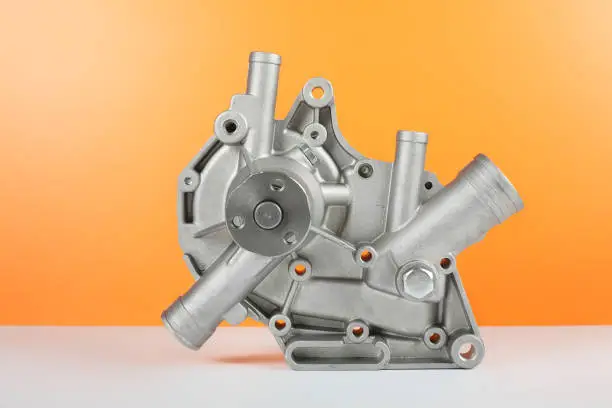
Through fast injection and solidification within reused steel dies, the high-pressure die-casting method turns molten aluminum into net-shaped parts. Common alloys, such as A380, have a tensile strength of about 47 ksi and a yield strength of about 23 ksi. They are also very light, with a density of about 2.71 g/cm³. Using this method, features like mounting bosses, cooling fins, and threaded inserts are combined into single components. This gets rid of the need for extra building steps that add to costs and create possible failure points.
Mechanical and Thermal Performance Characteristics
Because aluminum conducts heat at about 96 W/m-K, die-cast housings work as active cooling elements instead of passive covers. High-power electronics, LED drivers, and inverter systems naturally get rid of heat through their components, so they don't need separate cooling units. The electrical conductivity of the material also makes it a good choice for EMI/RFI shielding and grounding paths, which are very important in telecommunications and automotive electronics. Corrosion resistance goes up a lot when surfaces are treated with E-coating or powder coating. ASTM B117 salt spray testing shows performance for more than 1,000 hours in harsh settings.
Production Efficiency and Quality Standards
When it comes to cost, machining can't compete with die-casting when it comes to accuracy, and for die-cast aluminum, this means high-volume production with consistent wall thickness, feature placement, and surface finish after tooling validation, supported by quality control measures including X-ray inspection for internal porosity, CMM verification of complex geometries against GD&T standards, and optical emission spectroscopy to confirm alloy composition per ASTM B85. After validating the tools, companies make thousands of similar parts with the same wall thickness, feature placement, and surface finish. As part of quality control, X-rays are used to look for internal holes, coordinate measuring machines (CMMs) are used to check complicated shapes against GD&T standards, and optical emission spectroscopy is used to make sure the alloy's composition meets ASTM B85 standards. These steps make sure that every part that leaves the factory floor meets the requirements for material integrity and accuracy in measurements set by the car's PPAP paperwork.
Comparing Die-Cast Aluminum with Other Metal Options
Die-Cast Aluminum Versus Steel Components
Many grades of steel have tensile strengths above 70 ksi, which means they can be used for heavy-duty applications where weight is not a concern. But steel parts are about three times heavier than aluminum parts of the same size and shape. This has a big effect on how much fuel cars use and how much weight they can carry in spacecraft. Galvanizing or painting steel is also needed to protect it from rust, which adds steps and costs to the process. Steel is better in high-temperature situations above 400°F, where aluminum starts to lose its mechanical qualities. However, aluminum's better thermal conductivity makes it a better choice for electronics and power systems.
Comparing Aluminum to Die-Cast Zinc Alloys
Zinc die-casting makes parts with a smoother surface and better size accuracy than aluminum, and they usually don't need much post-processing. Zinc alloys are great for making decorative gear and small precision parts because they are very flexible and can reach maximum tensile strengths of around 41 ksi. The higher density of the material (about 6.6 g/cm³) makes it difficult to use in situations where weight is important. Zinc's lower melting point makes dies last longer and speeds up cycle times, but its thermal conductivity of only 113 W/m-K makes it less useful for managing heat. Even though zinc has a better finish, aluminum is preferred for its better thermal performance in automotive powertrain components and telecommunications enclosures.
Aluminum Die Casting Against Machined and Forged Options
CNC machining from billet aluminum stock gives you the best material integrity without the problems with porosity that come with casting. Machined parts can have tolerances of less than 0.001 inch and can adapt to changes in the design without having to buy new tools. But 60–80% of the material is wasted in complicated shapes, and the cost per unit stays high no matter how much is made. Forging makes parts with better grain structure and fatigue resistance than castings. This is especially useful for landing gear in airplanes and suspension parts in cars. When comparing die-casting to machining, die-casting usually breaks even after 1,000 to 2,000 units. After that, casting's lower per-piece costs and built-in features make it a clear choice for bracket systems, motor housings, and structural frames.
Metallic Versus Composite and Plastic Alternatives
Because they use less expensive raw materials and don't corrode, engineering thermoplastics are a good choice for non-structural barriers, but for die-cast aluminum, the advantages in EMI shielding, thermal conductivity, UV stability, and high-volume geometric complexity make it the preferred material for electronic housings, automotive powertrain components, and structural enclosures where plastics and composites fall short. But plastics don't have the EMI blocking qualities that are needed in electronics, and they break down when exposed to UV light and heat for a long time. Their thermal conductivity is still many orders of magnitude lower than that of aluminum's, so they need separate cooling kits that add more parts and make the assembly more difficult. Advanced composites, like carbon fiber, have better strength-to-weight ratios than aluminum. However, because they are expensive to make, have limited geometric complexity, and are hard to make in large quantities, they can only be used in niche aerospace and performance automotive applications where the higher cost is worth it.
Key Factors to Consider When Choosing Die-Cast Aluminum over Alternatives
Performance Requirements and Operating Environments
By checking the mechanical stress conditions, we can tell if the strength traits of aluminum are enough for the job or if steel's higher tensile strength is needed. When properly surface-treated, aluminum's rust resistance and temperature stability make it a good choice for parts that are constantly vibrating, going from -40°F to 250°F, and being exposed to chemicals or road salt that can corrode them. Because power devices produce a lot of heat, they need materials that act as thermal management systems instead of heat barriers. This makes die-cast aluminum the best choice over steel or plastic casings.
Production Volume and Cost Structure Analysis
Die-casting takes a large initial investment in tools. H13 steel dies usually last between 50,000 and 100,000 shots before they need to be replaced. This means that the production rate needs to be high enough to cover these one-time engineering costs. Even though it costs more per piece, machining is often more cost-effective for projects that expect to make fewer than 1,000 units per year. Die-casting has very short cycle times, very little material waste, and built-in features that make unit prices much lower after the breakeven point. When you compare the total cost of assembly, this economic advantage becomes even more important because die-cast components combine features that would normally need multiple machined parts, fasteners, and assembly operations.
Design Complexity and Precision Demands
Die-casting can handle complex shapes, such as undercuts, thin walls (down to 1.5 mm in some places with the right ribbing), and complex interior spaces that would need multiple machining sets or be hard to make any other way, and for die-cast aluminum, this capability enables the production of components with integral cooling fins, precisely positioned mounting features, and sealed enclosures in a single casting step, with tight tolerances sufficient for most automotive and industrial applications, though critical mounting surfaces and threaded features typically require finish machining. Die-casting makes it possible to make parts with cooling fins built in, mounting features positioned perfectly, and tightly sealed spaces all in one step. Most car and industrial needs can be met by the tight tolerances that can be achieved through die-casting alone, but important mounting surfaces and threaded features usually need finish cutting to meet final requirements.
Procurement Insights for Die-Cast Aluminum Components
Supplier Qualification and Certification Requirements
Checking for ISO 9001 certification is the first step in finding capable die-cast aluminum suppliers. For car uses, IATF 16949 compliance is needed to show PPAP capability and production part approval processes. Suppliers who work with aerospace companies need to be certified under AS9100 and have established traceability systems that keep track of the chemistry of the materials, process parameters, and inspection results for each production lot. In addition to looking at certifications, a supplier's manufacturing experience should be judged by looking at their portfolios of similar parts, learning about their die design and manufacturing skills, and checking out their quality control infrastructure, which should include X-ray inspection, CMM measurement, and leak testing tools that are necessary to make sure the parts are intact.
Custom Manufacturing and Prototyping Capabilities
Effective providers offer DFM advice during the early stages of design, pointing out possible casting flaws and offering ways to improve draft angles and wall thickness. They also suggest changes to features that make them easier to use without affecting their usefulness. By using CNC machining or additive manufacturing to make a quick prototype, ideas can be tested before they are made into production tools. This lowers the chance of having to make expensive changes to the dies later on. When suppliers have their own machine centers, surface treatment facilities, and assembly capabilities, they can offer combined solutions that make managing the supply chain easier and cut down on the time it takes to go from making parts to installing finished assemblies.
Contract Strategy and Supply Chain Planning
Accurate total cost modeling across a product's lifecycle is possible with clear pricing models that show tooling costs, production costs per unit at different volumes, and secondary operation charges, and for die-cast aluminum, this means factoring in not only the per-part casting cost but also the amortization of dies, finishing operations, and quality inspection, with long-term supply agreements and volume commitments helping to secure better pricing and capacity allocation during peak demand periods. Long-term supply agreements that include volume commitments can often get you better prices and make sure that your capacity is used during times of high demand. Building redundancy through approved alternative sources lowers risk, but the ability to move production between sites is limited by contract terms that say who owns the dies. Setting clear quality acceptance standards, inspection methods, and frequency, and corrective action steps before production starts is better for procurement teams than discussing these terms after problems have happened.
Case Studies and Industry Applications That Highlight Die-Cast Aluminum Advantages
Automotive and Electric Vehicle Applications
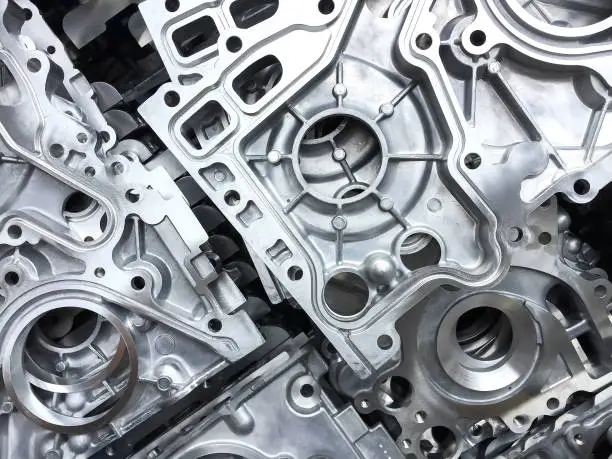
Modern electric vehicles use die-cast aluminum's thermal conductivity to keep the heat from high-voltage power electronics under control. This material also blocks electromagnetic interference (EMI), which keeps vehicle communications systems from being harmed. Transmission cases and structural frames combine several stamped steel parts into a single die-cast part. This makes the car lighter by dozens of pounds and more consistent in size, which makes automated assembly easier. When properly coated, the material's resistance to road salt corrosion guarantees long-term longevity that meets or exceeds the service life standards of the vehicle. This addresses warranty concerns that drive material selection choices at automakers.
Telecommunications Infrastructure and 5G Equipment
5G base station remote radio unit housings have complex fin arrays for passive cooling, precise mounting surfaces for RF components, and IP67-rated closing features that keep sensitive electronics from being exposed to the weather. Die-cast aluminum meets these needs in single pieces that are 40% lighter than similar steel fabrications. This means that fixing towers and poles doesn't have to carry as much weight. The manufacturing process makes hermetic cavities that keep the gasket seal intact through thousands of thermal cycles in the -40°C to 85°C temperature range required for telecommunications equipment. This protects signal integrity and component reliability, which are both important for network performance.
Industrial Machinery and Power Equipment
Aluminum is both a structural element and a heat sink, which makes motor housings for industrial automation equipment more durable by keeping working temperatures within the best ranges. ATEX and UL approval standards are met by explosion-proof enclosures for dangerous areas made with die-casting, which makes exact mating surfaces and strong wall sections that hide internal failures. Gearbox parts and pump housings can handle constant shaking, loading, and unloading. Aluminum doesn't rust, so it can be used in chemical processing environments where steel parts would need expensive alloy grades or protective coatings to keep working.
Conclusion
When choosing between die-cast aluminum and other materials, it's important to carefully consider performance needs, production costs, and the needs of the specific application. When it comes to lightweight building, thermal management, and cost-effective high-volume production, die-cast aluminum has clear benefits that steel, zinc, and machined choices can't fully match. Because it can combine complicated parts, keep tight tolerances, and offer stable corrosion protection, the technology is the best choice for the automobile, telecommunications, and industrial equipment industries. Successful procurement strategies balance the initial cost of the tools with their long-term value. They do this by working with qualified suppliers who can show they have the manufacturing know-how, quality systems, and engineering support to make designs work best with die-casting's unique capabilities.
FAQ
How does aluminum die casting strength compare to steel components?
Die-cast aluminum alloys usually have tensile strengths of about 47 ksi, while steel has strengths of 70+ ksi, which means steel is better for heavy loads. However, aluminum's high strength-to-weight ratio often makes it better in situations where lowering mass makes the whole system more efficient. For example, in automotive parts where weight savings directly affect fuel economy or in aerospace parts where weight savings directly affect payload capacity and operating costs, aluminum often performs better.
What advantages does aluminum offer over plastics for electronic housings?
Aluminum shields devices from EMI/RFI in a way that plastics can't, keeping them safe from harmful electromagnetic waves. The thermal conductivity of the material actively removes heat from components, so they don't need their own heatsinks, and the building process is simpler. Aluminum housings are also more stable in terms of size across a wider range of temperatures and don't break down in UV light, which shortens the useful life of plastic enclosures in outdoor settings.
How can procurement teams verify die-cast aluminum supplier capabilities?
Asking for certifications like ISO 9001, IATF 16949 for automotive uses, or AS9100 for aerospace uses confirms the quality system at a basic level. Before awarding production contracts, manufacturing competency is established by looking at supplier portfolios of parts with similar levels of complexity, visiting facilities to see how good the die design and quality control equipment are, and asking for material test reports that show compliance with ASTM B85 chemical composition standards.
Partner with Fudebao Technology for Premium Die-Cast Aluminum Manufacturing
Zhejiang Fudebao Technology has become a leading company in aluminum casting work, producing precise die-cast aluminum parts that meet the high standards of automakers, military contractors, and industrial equipment makers all over the world. Our factory has everything needed to make something, from melting the metal to finishing it and treating the surface. It has high-speed machining centers, CNC lathes, and advanced die-casting equipment that can make tolerances of ±0.05mm. We are a straight die-cast aluminum supplier to foreign names like ESS energy storage systems and HAAS automation machine tools. We are experts in PPAP documentation, fast prototyping, and mass production. Email our engineering team at hank.shen@fdbcasting.com to talk about the parts you need and to get full technical assessments that show how our skills match up with your quality and performance standards.
References
1. North American Die Casting Association (NADCA). "Product Specification Standards for Die Castings," 2019 Edition.
2. American Society for Testing and Materials. "ASTM B85-19: Standard Specification for Aluminum-Alloy Die Castings," 2019.
3. Kaufman, J. Gilbert and Rooy, Elwin L. "Aluminum Alloy Castings: Properties, Processes, and Applications," ASM International, 2004.
4. Maleki, Ali. "Die Casting Process: Overview and Recent Developments," Materials Science Forum, Vol. 783-786, 2014.
5. Brascomb, David and Sediako, Dimitry. "Thermal Management in Die-Cast Aluminum Electronic Housings: Design Considerations and Performance Validation," Journal of Materials Engineering and Performance, 2018.
6. Campbell, John. "Complete Casting Handbook: Metal Casting Processes, Metallurgy, Techniques and Design," Second Edition, Butterworth-Heinemann, 2015.



YOU MAY LIKE