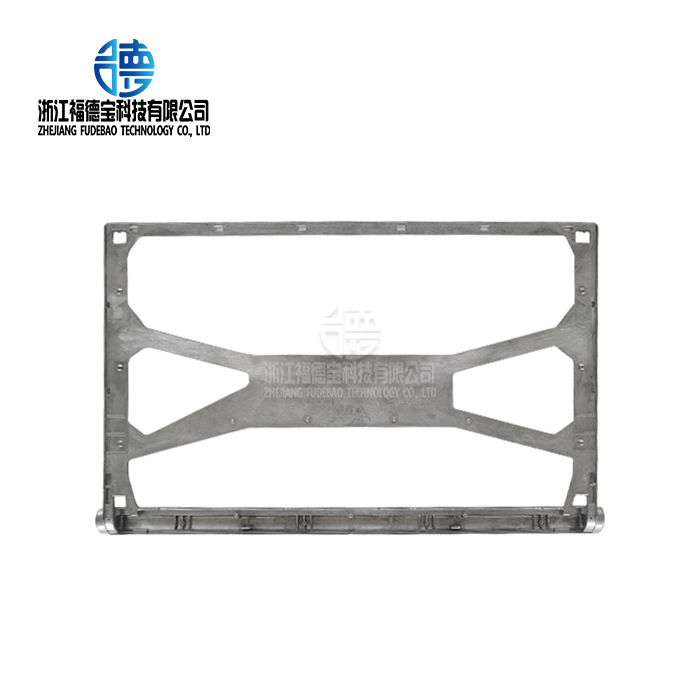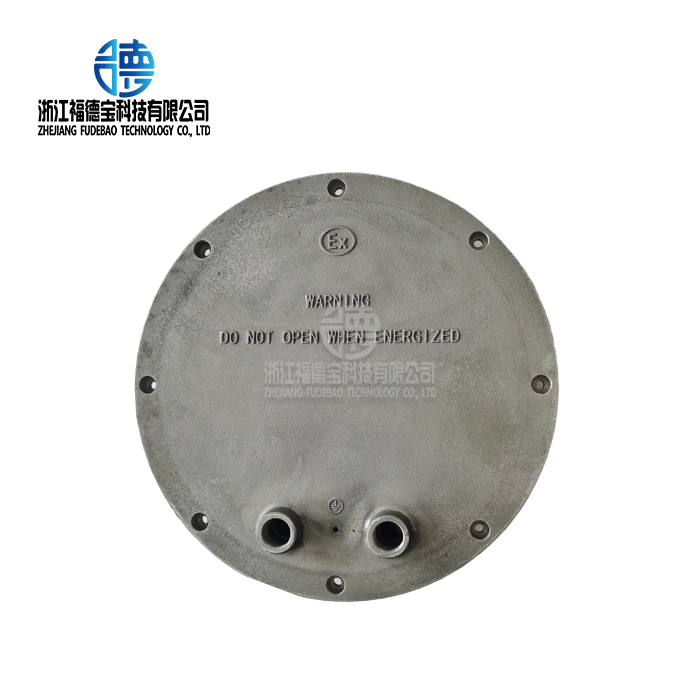
By shortening cycle times, making better use of materials, and reducing waste, aluminum die casting greatly lowers the cost of making things in large quantities. In the automobile, industrial, aircraft, and electrical sectors, this precise manufacturing method helps businesses keep prices low while keeping uniform quality. When you combine the ability to automate with the qualities of the material, you get big cost savings that are hard to beat with regular manufacturing methods.
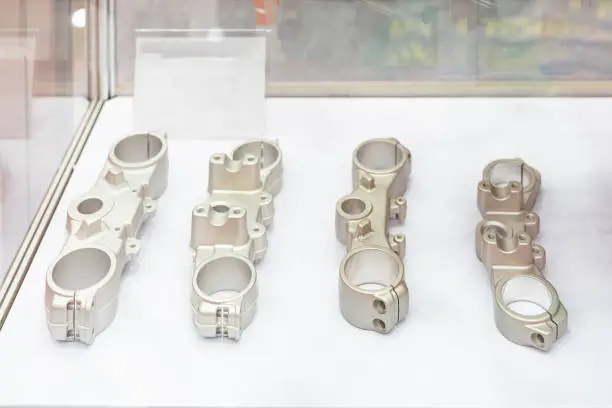
Understanding Aluminum die casting and Its Role in Manufacturing Cost Reduction
Modern producers are always looking for ways to make things that are fast, good quality, and good for the economy. Die casting with aluminum metals has become one of the most important technologies for meeting all of these goals at the same time.
What Is Aluminum die casting?
Die casting is a way to make things where liquid metal is pushed into steel forms under a lot of pressure, usually between 1,500 and 25,400 psi. Aluminum alloys are heated to about 1,220°F (660°C) before they are injected into dies that have been carefully designed. This method creates complicated shapes with very accurate measurements and smooth surfaces, which often means that no extra cutting is needed.
The basic idea is based on material quickly solidifying under pressure, which makes parts that are thick and don't have any holes in them. Engineers like this method because it regularly makes parts with tight specs at production speeds that aren't possible with other casting methods.
Key Properties of Aluminum That Benefit Mass Production
Aluminum is excellent for large-scale production because of the way it is naturally made. The material has a better strength-to-weight ratio than many other options, and it also has great heat transfer, which is important for electrical uses. Corrosion protection makes products last longer, which lowers the cost of replacing and the amount of upkeep that needs to be done in many fields.
Costs are cut right away because of these qualities. Shipping costs, building work, and end-user running costs are all cut down when parts are lightweight. The fact that the material can be recycled also helps to make industry more environmentally friendly and helps the economy by recovering the value of scrap.
How Aluminum die casting Works?
The first step in aluminum die casting is to melt aluminum alloys in ovens that are kept at exact temperatures. Moving molten metal to pumping devices that quickly push the material into die holes takes milliseconds. Because steel tools have a lot of heat mass, they cool down quickly. This lets parts come out within 30 to 90 seconds, based on how complicated the part is.
Advanced process control systems keep an eye on time, temperature, and pressure to make sure that the quality of each production run is the same. This technology cuts down on the need for workers while still keeping the level of accuracy needed in businesses that care about quality.
Common Aluminum die casting Defects and Their Impact on Cost
Knowing what problems could happen helps makers take steps to stop them, which protects their profit margins. Porosity is the most common problem, which is usually caused by trapped gases or bad ventilation. Surface flaws can happen when die surfaces are dirty or when the release agent is not applied correctly.
Most of the time, warping is caused by uneven cooling or bad die design. Each type of flaw has its own cost implications: porosity may need repair or the whole part to be thrown away; surface defects usually require more finishing steps; and measurement issues can mean that the tools needs to be changed. These risks are kept to a minimum by proactive quality control systems that also protect production efficiency.
Comparing Aluminum die casting with Other Casting Methods to Highlight Cost Advantages
People who make decisions about manufacturing should know how different ways of making things affect their bottom line. By comparing costs, we can see why aluminum die casting has become popular in many fields.
Aluminum die casting vs Sand Casting
For each part, sand casting needs a new mold, which wastes material and makes the cycle time longer. Permanent steel tools are used in die casting to make thousands of parts before they need to be serviced. Because of this basic difference, there are cost benefits that get stronger as production numbers rise.
The level of the surface finish is another important difference. Die casting usually gives you parts that are already put together, while sand casting usually needs a lot of machining to get a good surface. The main cost cuts from cutting out secondary processes are people and tools.
Aluminum die casting vs Gravity Casting and Plastic Injection Molding
Because the filling and solidification times are longer with gravity casting, output speeds are slower. Porosity problems can happen in low-pressure environments, which weakens their dynamic qualities. These problems can be fixed by aluminum die casting, which uses high-pressure injection to make sure that the whole die is filled and the material has a higher density.
Plastic injection casting has short cycle times, but aluminum's temperature and mechanical qualities are better. When you need to get rid of heat, make something strong, or let electricity flow through it, you need metal parts. Die casting is the most cost-effective way to make these parts.
Aluminum die casting vs Zinc, Magnesium, and Steel Casting
The choice of material has a big effect on both the original cost of production and the long-term performance of the product. Zinc has great surface finish qualities, but it costs more and is denser than other metals. Magnesium is better at making things lighter, but it needs to be handled in a certain way that makes operations more complicated.
Steel casting is very strong, but it needs higher melting temperatures and stronger methods for making the molds. For uses where aluminum's qualities are good enough, the higher costs of energy and tools often outweigh the benefits of strength.

Core Factors in Aluminum die casting That Drive Manufacturing Cost Reduction
There are a number of linked factors that make die casting a good choice for mass production because it saves money. Knowing about these things helps buying teams make smart decisions about where to get things.
Very high production efficiency and short changeover times
Automation coupling lets operations run continuously with little help from people. Modern die casting cells have quality checking tools built in, as well as robotic systems for moving parts and shaping them. This technology cuts down on the cost of workers while keeping production levels steady.
Cycle times depend on the complexity and size of the part and usually run from 30 seconds to two minutes. With these short processes, makers can spread the cost of tools over a lot of parts, which lowers the cost per part compared to options with smaller numbers.
Material Utilization and Lightweight Design Benefits
By controlling the exact amount of liquid metal that goes into each die hole in aluminum die casting, precision injection systems cut down on waste. Runways and gates can be made to make the best use of materials, and any extra metal can be returned back into the melting process. This closed-loop method makes the best use of raw materials while lowering the cost of getting rid of waste.
Losing weight through aluminum die casting has perks beyond just saving money. Lightweighting efforts that save money on fuel and lower the cost of meeting pollution standards are especially helpful for automotive uses. Similar benefits are gained by aerospace makers by improving working efficiency and optimizing capacity.
Design Flexibility and Tight Tolerances
Parts with complicated internal shapes can be cast straight into them, which means that they don't need to be put together separately like they would with other parts. Single-piece designs include features like cooling tubes, mounting bosses, and artistic elements that work well together.
Without any extra work, dimensions are usually accurate to within 0.05 mm. This level of accuracy gets rid of the need for expensive finishing steps and makes sure that the fit and function are the same across production runs. Optimizing the design during the research phase makes the most of these benefits while lowering the long-term costs of production.
Tooling Longevity and Maintenance
Die casting tools that are of good quality can make 100,000 to 1,000,000 parts before they need major repairs. This long life spreads out the cost of original tooling over large production numbers. With the right repair plans, tools last longer and unexpected downtime is avoided, which saves money.
Preventive maintenance programs find patterns of wear before they hurt the quality of a part or cause a tool to fail completely. This preventative method keeps production plans safe and lowers the total cost of ownership over the life of the tool.
Practical Case Studies Demonstrating Cost Savings with Aluminum die casting
Real-world examples show how theoretical advantages can be turned into real economic gains in a wide range of business areas.
Automotive Industry Applications
The weight of a car is much lower when engine blocks are made by die casting instead of standard iron casting. This decrease helps make a big difference in how much fuel a vehicle uses, which is good for consumers and saves makers money on guarantee costs. Integrated cooling tunnels reduce the need for extra machining, cutting out steps in the process that would normally make each unit much more expensive.
The benefits of unified, single-piece designs achieved through aluminum die casting that replace multi-component systems are also seen in transmission housings. By getting rid of the need to solder and connect things together, makers can get much faster production times, better structural stability, better performance with less noise, vibration, and roughness.
Electronics and Consumer Product Housings
Precision-cast metal cases for electronics offer good protection against electromagnetic fields and good heat control. The ability to add complicated internal ribs and fixing points during the casting process eliminates the need for extra cutting, which would normally add a lot to the cost of the part.
Aluminum die casting has a much lower cost per unit than other ways for making a lot of things, even when the shapes are complicated. Because the surface finish is so good, it often doesn't need to be coated or painted again, which saves even more money over the course of production.
Aerospace Industry Components
Aluminum is used in aircraft structure parts because it has a great strength-to-weight ratio and meets strict safety standards. Die-casting parts for landing gears are 30% lighter than finished parts of the same strength.
85% less material waste is made than with standard cutting methods, which remove a lot of material and make expensive trash. Being able to cast near-net forms cuts down on expensive aerospace-grade aluminum trash and cuts the time it takes to machine each part from 40 hours to 6 hours.
Summary of Key Lessons from Each Case
These uses show regular trends of how die casting adds value by lowering weight, streamlining operations, and making better use of materials. Costs can be cut for both makers and end users throughout the span of a product when design freedom and production efficiency work together.
Selection Criteria for Aluminum die casting Services to Maximize Cost Efficiency
Picking the right manufacturing partners has a big effect on the success of a project and its long-term cost performance. Several review factors help find sellers who can give you the best value.
Evaluating Manufacturer Capabilities and Certifications
ISO 9001 certification gives you basic guarantee about quality management for aluminum die casting, while TS 16949 approval is more specific to the needs of the car industry. For aircraft uses, where tracking and paperwork needs are higher than usual business practices, AS9100 approval is a must.
A manufacturing capacity estimate should look at the available mass range, the yearly amount that can be made, and the resources that are available for developing tools. Suppliers that can do everything in-house, from planning to finishing, can better control costs and cut down on lead times.
Lead Time, Production Capacity, and Flexibility for Mass Production
Rapid manufacturing speeds up the process of making a product and lowers the cost of getting it to market. Suppliers who can deliver prototypes in two to three weeks can help companies speed up their development plans, which gives them a competitive edge.
When demand changes, the ability to adapt production becomes very important. Partners who can scale between 10,000 and 1,000,000 units per year without incurring large costs are a great way to reduce risk when the market is unsure.
Pricing Structures and Low-Volume Prototyping Options
It should be easy to tell the difference between tooling costs, piece prices, and additional processes in aluminum die casting pricing models that are clear. Pricing rates based on volume support long-term partnerships and make cost structures known for planning finances.
Low-volume production lets you make things between making prototypes and making them on a large scale. This gives you the freedom to test the market and make sure your idea works without having to make big investments in tools too soon.
Integrating Supplier Expertise for Optimized Design and Process Guidance
Experienced providers offer design for manufacturing advice that helps make sure that parts are designed in the best way to be produced at the lowest cost. This joint method finds possible problems during the planning stages, when changes are still cheap, instead of during production, when changes are more expensive.

Conclusion
Aluminum die casting is a tried-and-true way to lower production costs in mass production settings. Fast processing times, efficient use of materials, design freedom, and the ability to automate all work together to create strong economic benefits in many different industries. To be successful, you need to find manufacturing partners with a lot of experience who know both the technical needs and ways to save money that come with this flexible production method. Companies that use these benefits will be able to stay competitive in markets where prices are important.
FAQs
What kinds of aluminum metals are used most often in die casting, and how do they change the price?
Most of the time, metals like A380, A383, and A360 are used. Each has its own cost-performance profile. The A380 has good castability, average strength, and a reasonable price. It costs a little more than A382, but it has better flexibility for complicated shapes. For harsh conditions, A360 offers better rust protection. Choosing the right alloy affects both the cost of the raw materials and the work that needs to be done afterward. This makes choosing the right alloy essential for lowering costs.
When making aluminum die castings, how can companies make sure that flaws are kept to a minimum?
The best way to stop defects is to have the right die design, the right process settings, and uniform material quality. Enough escaping keeps gas from getting trapped, and controlled pumping speeds keep turbulence to a minimum. Surface flaws can be avoided by keeping the die in good shape and using the right release agent. Monitoring the temperature makes sure that the qualities of the material stay the same, and automatic process control keeps the parameters stable between production runs.
What are the usual wait times for large orders of aluminum die casting?
Lead times depend on how complicated the job is and how much you need. Usually, prototype parts need two to three weeks after the casting is finished. Depending on how complicated the part is, making a new tool can take anywhere from 6 to 12 weeks. After the casting is approved, production runs start within one to two weeks. Standard amounts can usually be shipped within 3–5 business days for established production with current tools.
Partner with Fudebao Technology for Cost-Effective Aluminum die casting Solutions
Zhejiang Fudebao Technology Co., Ltd. offers complete aluminum die casting options that help you get the most out of your mass production budget. We have high-speed machining centers, CNC lathes, low-pressure casting machines, and modern die casting equipment in our state-of-the-art building. This equipment covers the whole "melting-casting-finishing-surface treatment" process.
We can hold precise tolerances of up to ±0.05mm and offer one-stop delivery from blank to finished product. We have a lot of experience working with the aircraft, industrial equipment, tool making, and car industries. We know how to meet strict quality standards by using PPAP papers and full certification systems.
As a top aluminum die casting maker, we've moved from working with foreign brands as middlemen to working directly with them as suppliers. These include American brands like HAAS automation machine tools and ESS energy storage batteries. This growth shows how determined we are to become China's leading aluminum casting business.
Our engineering team works closely with clients to make ideas that can be made while also lowering the cost of production. We offer options that are flexible enough to fit your needs, whether you need to make a sample or a lot of them. Email us at hank.shen@fdbcasting.com to talk about how our knowledge of aluminum die casting can help you cut costs while still meeting the quality standards your projects need.
References
Smith, J.R. "Advanced Die Casting Technologies: Cost Analysis and Manufacturing Optimization." Journal of Manufacturing Science and Engineering, Vol. 144, No. 8, 2022.
Chen, L., Wang, M., and Thompson, K. "Aluminum Alloy Selection for High-Volume Die Casting Applications: Economic and Technical Considerations." Materials and Manufacturing Processes, Vol. 37, No. 12, 2022.
Rodriguez, A.M. "Comparative Analysis of Metal Casting Processes: Production Efficiency and Cost Implications." International Journal of Advanced Manufacturing Technology, Vol. 121, No. 5-6, 2022.
Davis, R.S. and Kumar, P. "Defect Prevention Strategies in Aluminum Die Casting: Quality Control and Cost Reduction." Manufacturing Engineering and Technology Review, Vol. 15, No. 3, 2023.
Williams, T.J. "Automotive Lightweighting Through Advanced Casting Technologies: Case Studies and Economic Impact Analysis." SAE International Journal of Materials and Manufacturing, Vol. 16, No. 2, 2023.
Liu, X., Anderson, B.C., and Martinez, F. "Tooling Optimization for High-Volume Die Casting Operations: Longevity and Cost Performance Analysis." Die Casting Engineer Magazine, Vol. 67, No. 4, 2023.



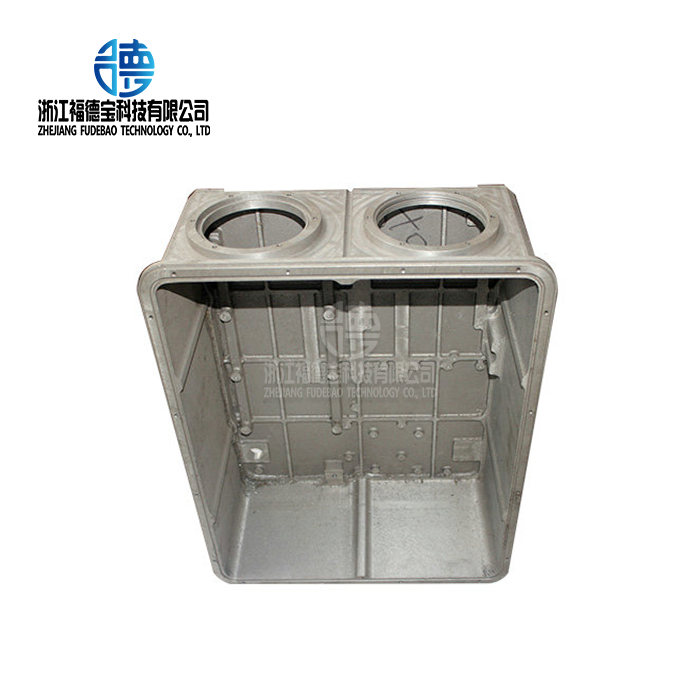
_1756348356531.webp "Automobile engine oil pan")
_1756348227989.webp "Aluminum casting movable U frame")
_1756346421748.webp "Aluminum casting telescopic bracket Parts")