Aluminum Die Casting: Causes and Solutions for Porosity Issues
2026-03-23
One of the biggest problems with current manufacturing is that aluminum die casting can have holes in it. This big problem happens when gas bubbles, shrinking gaps, or other holes appear in cast aluminum parts during the high-pressure die casting process. For keeping structural integrity, surface quality, and meeting strict industry standards in automotive, aircraft, and industrial applications, it's important to know what causes porosity and how to fix it.
Understanding Porosity in Aluminum Die Casting
Types of Porosity Defects
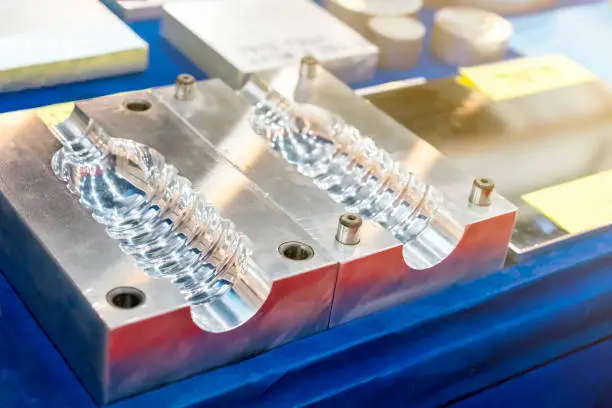
There are three main types of porosity that show up in die-cast aluminum parts, and each one needs a different way of being found and fixed. Shrinkage porosity happens during solidification when areas that don't get enough liquid metal shrink as they cool, leaving irregular holes that are often found in thick sections or design changes. Gas porosity, which looks like spherical holes spread out in the casting, happens when air gets stuck, hydrogen is absorbed, or there isn't enough venting. Porosity in the process can be caused by rough filling, cold shuts, or bad gate design, which leads to linear flaws that break up the structure's consistency.
These categories of defects have a direct effect on the mechanical features and quality of the surface, which makes things harder for quality control teams and design engineers. Shrinkage porosity lowers tensile strength and wear resistance, which is especially important in suspension parts for cars and structural parts for spacecraft. In pressure-carrying parts like hydraulic valve bodies and transmission cases, gas porosity makes leak tracks. Process-related flaws, on the other hand, create stress concentration points that can cause cracks to spread when the parts are loaded and unloaded repeatedly.
Material Properties and Porosity Susceptibility
The choice of aluminum metal is very important for creating pores, and changes in chemistry have a big effect on how gases are absorbed and how solids form. A380 alloy is often used in automobile uses. It has silicon in it, which makes it more fluid but also makes hydrogen more soluble, so it needs to be carefully degassed. A360 alloy has less iron, which makes it more resistant to rust, but it shrinks in different ways that change how much it needs to be fed.
Aluminum alloys have a specific gravity of about 2.7 g/cm³ and a heat conductivity of 96 to 120 W/m·K. These properties make them solidify in different ways that affect how the pores are distributed. By knowing these things about the materials, procurement professionals can choose metals that meet performance needs while also minimizing the risk of defects. This helps them make smart decisions for important uses.
Root Causes of Porosity Issues in Aluminum Die Casting
Process-Related Contributing Factors
The most controllable parts of porosity creation in aluminum die casting are the process factors, but they need to be carefully managed across many variables. Back-pressure from not enough venting stops the hollow from being fully filled, holding air inside the casting and creating gas porosity. Poor mold design, like not having the right-sized gates or runners, leads to rough metal flow that traps air and makes cold shuts where metal streams don't join properly.
Controlling the temperature during the die casting stage has a big effect on how pores form. If the metal is heated too much, hydrogen can dissolve more easily, which causes gas to form during solidification. If the temperature is too low, solidification starts too early and cavities don't fill completely. To get laminar flow and enough pressure to feed shrinking parts while they cool, the shot velocity and pressure curves must be fine-tuned.
Porosity rates are directly related to die care standards because worn surfaces, broken venting ducts, and buildup of contaminated release agents all make it harder for gases to escape. Changes in the hydraulic system cause changes in the pressure that affect the speed of the metal and the way it fills the mold. This shows how important it is for tools to work consistently for reliable casting quality.
Material and Environmental Influences
One of the sneakiest ways that hydrogen pores in aluminum castings can happen is through moisture contamination. When water vapor mixes with melted aluminum, it creates hydrogen gas. At casting temperatures, this gas stays dissolved, but it forms bubbles when the aluminum hardens. Controlling humidity in melting areas, storing materials correctly, and following the right degassing steps are all important for keeping hydrogen-related flaws from happening.
During melting and transfer processes, oxidation adds dross and oxide bands that block metal flow and make inclusions that start the formation of pores. Controlling the furnace environment, designing the transfer system, and the way metal is handled all have a big impact on how quickly oxide forms and the quality of the casting that results.
The quality of the raw material, such as the amount of recovered material and contamination, changes the gas content and oxide formation potential, which in turn affects how porous the material is. Setting quality standards for suppliers and inspection processes for incoming materials makes sure that the feedstock has uniform properties that support defect-free production.
Effective Solutions and Best Practices to Reduce Porosity
Advanced Design and Process Optimization
Modern methods for reducing porosity in aluminum die casting use complex mold design and precise process control to cut down on the number of defects that form. Optimized gating systems use several gates of the right sizes to encourage laminar filling while keeping the right pressure for shrinking feeds. Venting channel design needs careful thought about where it goes, how big it is, and how often it needs to be maintained to make sure gas moves out without causing flash formation.
Here are the main process optimization techniques proven effective across leading manufacturers:
- Vacuum die casting implementation - removing air from the die hole before metal is injected lowers the chance of gas trapping and makes it possible to make thinner walls with better surface quality.
- Real-time pressure monitoring - High-tech monitors keep an eye on hollow pressure during the casting process, so any filling issues or venting issues can be found right away.
- Temperature profiling optimization - Accurately controlling the metal and die temperatures makes sure the right flow while reducing the release of hydrogen and gases.
- Shot profile development - customized velocity and acceleration curves help with smooth flow and make sure there is enough increase pressure for feeding.
To get consistent results, these improvement methods need to be put into action in a planned way and constantly watched. Leading car providers say that their complete process optimization programs have reduced porosity by more than 75%.
Quality Control and Monitoring Technologies
Modern testing tools let us find porosity early on and fix the process so that faulty parts don't get to users. X-ray inspection tools let you look at the spread of internal porosity without damaging the material. This lets you direct the statistical process and look at trends. Computed tomography scanning can map the porosity in three dimensions for complicated shapes, which helps with root cause analysis and design optimization.
Multiple monitors are built into real-time process tracking systems to keep an eye on important factors like metal temperature, shot velocity, cavity pressure, and cooling rates. Statistical process control methods find parameter change before it affects the quality of the casting. This lets adjustments be made proactively instead of reactively. These tracking systems lower the amount of waste while also making the whole process more efficient and building customer trust.
Case studies from global producers show that systematic porosity control adoption leads to measurable gains. A big company that makes transmissions for cars cut down on porosity by 90% by using vacuum die casting and real-time tracking together. There were no guarantee claims for three years of production. These real-world examples show how important it is to have complete plans for preventing defects if you want to get consistent casting quality.
Comparing Aluminum Die Casting With Other Casting Methods Regarding Porosity
Porosity Performance Analysis Across Manufacturing Methods
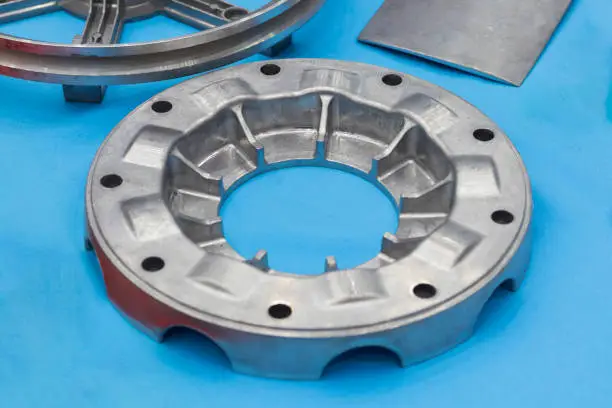
Aluminum die casting has clear benefits over other methods of production when it comes to controlling porosity, especially for high-volume production needs. Even though sand casting is good for big parts and small batches, it has much higher porosity rates because of problems with gas flow and random solidification. The sand mold contact lets gas escape but also lets air get trapped during chaotic filling, which makes the casting have many small holes all over it.
Investment casting gives you a better surface finish and more accurate measurements, but it takes a long time to do and costs more per unit. Through vacuum processing and controlled solidification, investment casting can almost completely get rid of porosity. However, die casting is better for car and industrial uses that need cost-effective mass production with accepted porosity levels because it is more cost-effective.
Low-pressure casting is better at controlling porosity than standard sand casting because it lets you control the rate of filling and the direction of solidification. But cycle times are still a lot longer than with high-pressure die casting, so it can only be used for specific parts where the need for porosity justifies the extra time and money spent on processing.
Material Comparison and Selection Guidelines
Different porosity patterns show up in magnesium die casting because of the material's qualities, such as its lower density and different heating properties. While magnesium has higher strength-to-weight ratios, aluminum has better corrosion protection and heat transfer. The choice of alloy depends on the application needs and the amount of porosity that is okay.
By cutting away material from solid billets, CNC machining completely gets rid of casting porosity. However, it creates a lot more trash and takes longer to process. Depending on the complexity and accuracy needs, the economic tipping point between die casting and cutting is usually between 500 and 1000 parts per year. Knowing these differences between manufacturing methods helps buying teams choose the best ways to make things that meet quality standards, price limits, and delivery deadlines.
How to Choose the Right Aluminum Die Casting Supplier to Handle Porosity Issues?
Supplier Qualification and Certification Standards
To find manufacturing partners who can consistently control porosity in aluminum die casting, you need to look at their quality management methods and professional skills in great detail. ISO 9001 certification shows basic quality management rigor, and IATF 16949 covers quality needs related to the car industry, such as statistical process control and methods for ongoing improvement. These certifications give you some peace of mind, but you need to add a special porosity control skills assessment on top of them.
Evidence of successful porosity reduction in similar applications is a useful way to confirm a supplier's skills beyond what is needed for approval. Suppliers should show written porosity control procedures, such as requirements for new materials, controls for process parameters, inspection methods, and procedures for correction action. Customer examples from similar uses, especially those that need strict porosity requirements, can tell you a lot about how consistent a supplier's work is.
Using advanced inspection tools like X-ray machines, computed tomography scans, and metallographic analysis makes it possible to fully evaluate pores and find the root cause of problems. When it comes to complicated geometries or important applications that need zero-defect performance, suppliers who don't have these skills may find it hard to find and fix porosity problems.
Partnership Development and Risk Mitigation
Custom development helps to test design ideas and methods for controlling porosity early on, before committing to making production tools. Suppliers who offer full design for manufacturability advice can find possible porosity risks during the design phase. This lets changes be made that are both cost-effective and avoid problems during production. This joint method lowers the risk of development while improving the design of parts to make production more efficient.
Small-batch runs and other forms of flexible production help bring new products to market and test the market without needing full-scale production agreements. Clear pricing and dependable wait times allow for accurate planning of production and management of inventory. Quick problem-solving by technical support staff when porosity issues appear.
Comprehensive service agreements that cover things like managing defects, ongoing improvement programs, and sharing technology upgrades are good for long-term supplier relationships. These partnerships encourage working together to find solutions to problems, which improves the quality of the casting while lowering the total cost of ownership by making things run more smoothly and limiting the need for warranty claims.
Conclusion
Controlling porosity in aluminum die casting requires a deep knowledge of the reasons and the methodical use of tried-and-true methods to fix them. Process improvement, choosing the right materials, and using advanced tracking technologies all work together to get rid of defects consistently while keeping production costs low. Choosing the right supplier is important for long-term success because it requires looking at professional skills, quality processes, and the ability to work together. Effective porosity control has economic benefits beyond lowering scrap right away. It also improves customer happiness, lowers guarantee risk, and makes a company more competitive in global markets that are very demanding.
FAQ
What are the main types of porosity defects in aluminum die casting?
The three main types of porosity are shrinkage porosity, which happens when the material isn't fed enough during solidification, gas porosity, which happens when trapped air or hydrogen is absorbed, and process-related porosity, which happens when filling is rough or the mold isn't designed well. For successful control, each type needs its own way of being identified and its own set of answers.
Can porosity be completely eliminated from aluminum castings?
It may not always be possible to get rid of all porosity because of how the casting process works, but it can be brought down to a level that is acceptable with the right process control, material handling, and design optimization. Instead of zero tolerance requirements, industry guidelines usually list the highest amounts of porosity that are acceptable.
How does aluminum alloy selection affect porosity formation?
Because they are made of different chemicals and solidify in different ways, aluminum alloys are more or less likely to make pores. The A380 alloy is very fluid but dissolves more hydrogen, while the A360 alloy is more resistant to rust but shrinks in different ways. When choosing an alloy, performance needs must be weighed against the chance of porosity for each application.
Partner with Fudebao Technology for Superior Aluminum Die Casting Solutions
Fudebao Technology delivers exceptional aluminum die casting quality through comprehensive porosity control expertise and state-of-the-art manufacturing capabilities. Our building has high-speed machining centers, CNC lathes, low-pressure casting machines, and precision die casting tools all working together to make sure that production goes smoothly from melting the metal to finishing the parts. For automotive, aircraft, and industry uses, we can keep strict standards for porosity control while getting dimensions as accurate as ±0.05mm. Get in touch with our skilled engineers at hank.shen@fdbcasting.com to talk about your project needs and find out how our proven aluminum die casting supplier skills can help you improve the quality of your products and the stability of your supply chain.
References
Campbell, John. "Complete Casting Handbook: Metal Casting Processes, Metallurgy, Techniques and Design." 2nd Edition. Butterworth-Heinemann, 2015.
Brevick, James R., et al. "Porosity Formation in High-Pressure Die Casting of Aluminum Alloys." Die Casting Engineer Magazine, North American Die Casting Association, 2019.
Kaufman, J. Gilbert, and Elwin L. Rooy. "Aluminum Alloy Castings: Properties, Processes, and Applications." ASM International Materials Park, 2018.
Totten, George E., and D. Scott MacKenzie. "Handbook of Aluminum: Alloy Production and Materials Manufacturing." Marcel Dekker Inc., 2003.
Wang, Q.G. "Microstructural Effects on the Tensile and Fracture Behavior of Aluminum Casting Alloys A356/357." Metallurgical and Materials Transactions A, Volume 34, 2003.
Zhao, Hongda, et al. "Review of Porosity Formation in High-Pressure Die Casting." International Journal of Advanced Manufacturing Technology, Springer London, 2020.



_1756346205762.webp "hinge casting")
_1756346144394.webp "aluminum die casting hinge")
_1756346043433.webp "guardrail connecting block")