Everything You Need To Know About High Conductivity Copper Castings
2026-05-12
High-conductivity copper casting is a specialized metalworking process in which pure copper or certain copper alloys are melted and put into precise molds to make parts that have great electrical and heat performance. This method is very different from wrought manufacturing because it lets you make complicated designs in a near-net-shape while keeping conductivity levels up to 100% IACS (International Annealed Copper Standard). People in our business deal with important problems, like the need for parts that are better at conducting electricity, letting heat escape, and keeping their shape—which is something that normal ways of making things can't do cost-effectively. The controlled solidification process makes sure that the grain structure is optimized, which has an effect on both the mechanical strength and the movement of electrons throughout the final part.
Understanding High Conductivity Copper Casting
What Makes High Conductivity Copper Casting Essential
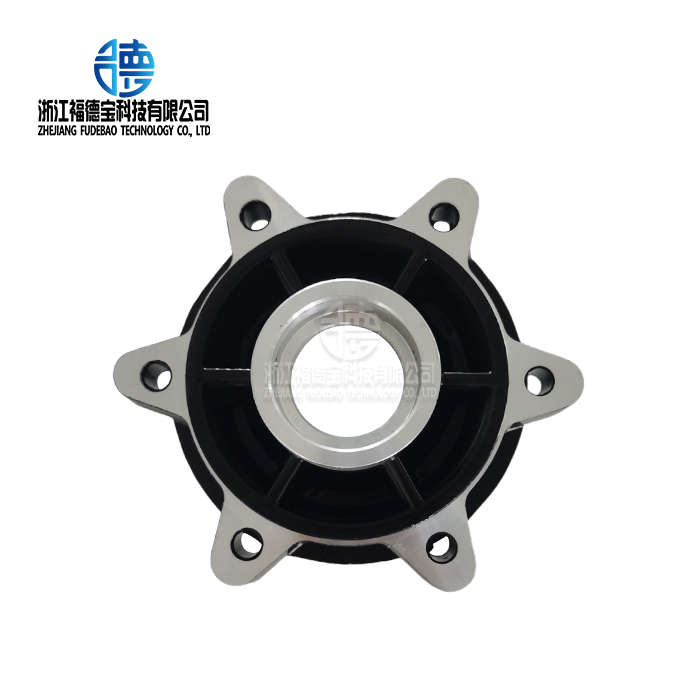
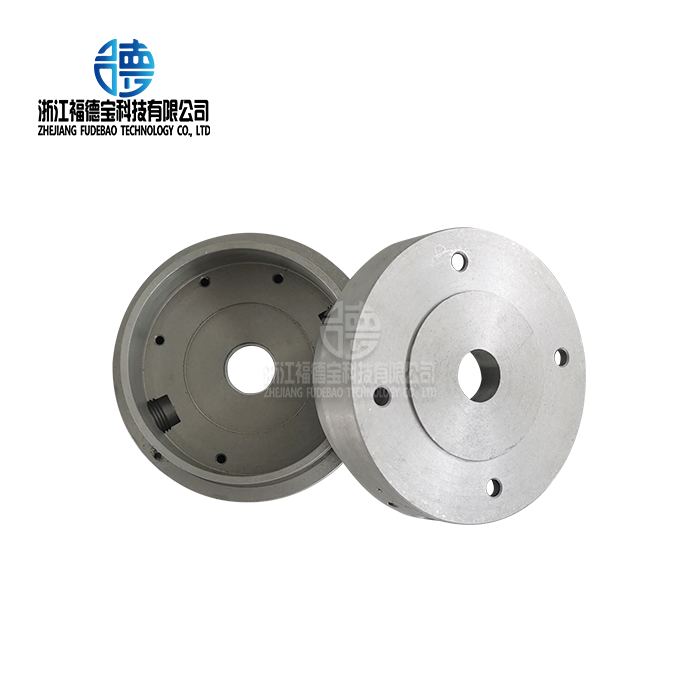
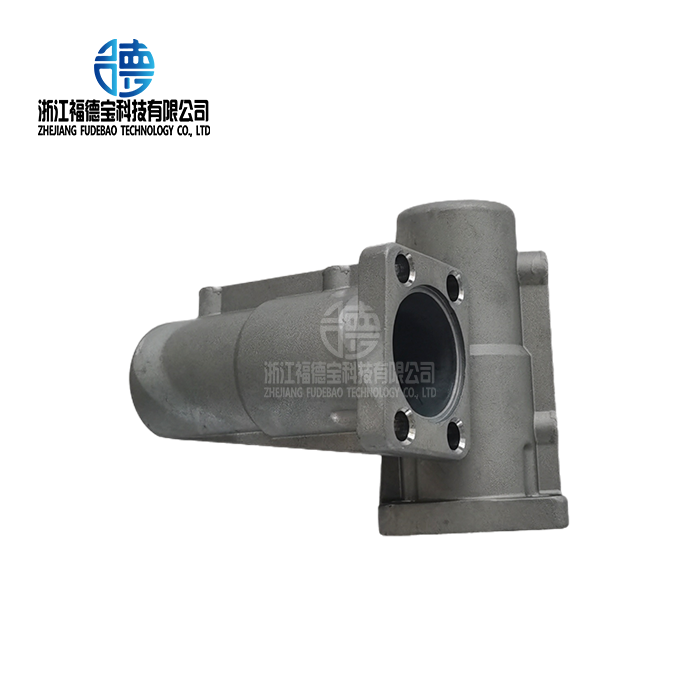
Purity of the material and careful handling are the keys to making high-conductivity copper castings. We use C101 or C110 oxygen-free copper grades for tasks where even small impurities would cause electrons to spread and energy to be lost. Bronze or brass castings give up electrical conductivity for better mechanical qualities. Pure copper castings keep their electrical performance while letting complex internal cavities form that are too expensive to machine. This balance solves a basic engineering problem in power distribution systems: the shape of the parts must be able to handle multiple links while keeping resistance at junction places as low as possible.
When used for temperature management, the casting method makes solid structures that don't have any interface resistance like parts that are put together. The unbroken grain structure makes it easy for heat to move quickly from hot spots to areas where it can be absorbed. This is useful for heat sinks, motor housings, and transformer parts.
The Step-by-Step Casting Process
Pattern making is the first step in getting a mold ready. The final component specs depend on how accurately the patterns are made. For small runs, we use disposable molds, and for large car and industry runs, we use permanent molds. The choice of mold material has a direct effect on the finish on the surface and the rate at which it cools, which in turn has an effect on the grain size and conductivity. While sand molds are flexible, you need to be careful when choosing a binder to avoid gas gaps. Metal molds, on the other hand, have faster cycle times and better control over the dimensions.
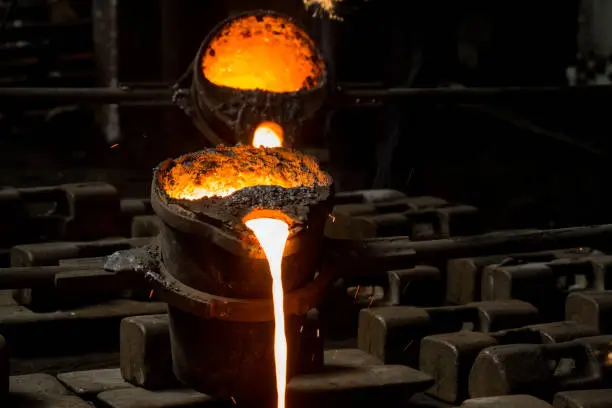
Depending on the metal, melting tasks for copper casting need careful temperature control between 1,100°C and 1,200°C. Protective atmospheres or flux covers stop oxidation, which would add oxide particles that block conduction. We keep an eye on the melt chemistry all the time because even 0.01% air can lower conductivity by a few percentage points. During degassing, dissolved hydrogen is removed so that microporosity doesn't form when the substance solidifies.
The pouring method has a big effect on how many defects form. Controlled fill rates stop the turbulence that brings oxides into the system, and the right gate design makes sure that the solidification progresses from thin sections to peaks. Directional solidification reduces the amount of shrinking pores in places that are electrically important. Some of the things that are done after the casting are controlled cooling to stop thermal stress cracking and heat treatment processes that make the grain structure as good as it can be for maximum conductivity.
Primary Benefits for Industrial Applications
That's because cast copper parts don't rust in tough settings, which makes them last longer. The growth of a natural oxide layer protects against contact to air, saltwater spray, and industrial chemicals. This passivation process makes sure that outdoor electrical infrastructure and boat power systems will keep working well for a long time, even if other materials break down quickly.
When compared to plated options, corrosion protection greatly increases the lifespan of a component. Electroplated copper on aluminum surfaces is damaged by galvanic attack and delamination, but solid cast copper stays structurally sound for decades. We've seen setups in coastal power substations where cast copper busbars have been used nonstop for more than 40 years with no noticeable loss of conductivity.
Cost savings come from not having to do as much additional cutting. With near-net-shape casting, parts only need to be finished machined on the important mating surfaces. This cuts down on the waste of material that comes with subtractive production from solid billets. When it comes to big electrical parts that cost a lot in raw materials, this is especially helpful. Complex cooling ducts and mounting features can be built directly into castings, which cuts down on assembly steps and possible failure points in electrical systems.
Comparing Copper Casting Techniques and Materials
Casting Techniques and Their Impact on Conductivity
Sand casting remains the most flexible way to make copper parts, as it can be used for everything from small electrical fittings to big generator housings. This method lets designers make parts with complicated internal passages and undercuts that can't be done with fixed molds. However, the permeability and heat conductivity of sand molds slow down the solidification process, which leads to a coarser grain structure. This doesn't have a big effect on the bulk conductivity, but the surface quality needs more work for electrical contact uses.
Investment casting gives you better surface finish and precision in measurements, which is important for parts that need little post-processing. The clay shell mold can handle the high temperature of copper while still reproducing fine details. This method is used for electrical links and switch parts that need to have tight specs to make sure that the contact resistance stays the same. The controlled solidification climate makes the grains smaller, which improves both the mechanical qualities and the uniformity of the conductivity.
A type of investment casting called "lost wax casting" is very good at making complicated shapes for electrical parts. The wax pattern lets complex features like cross-drilled cooling tunnels in high-current busbars be built inside. Instead of casting, electroforming is a special kind of deposition that builds up copper shapes atom by atom in electrolysis baths. Electroforming is a great way to control the size of small, precise parts, but it's not a cost-effective way to make the large parts that are needed in power distribution systems.
Copper Alloys and Conductivity Performance
Through strict impurity control below 10 ppm, C101 oxygen-free electronic copper gets 101% IACS conductivity. We only use this grade for very important things like particle accelerator parts and high-frequency electrical systems that need very little electron scattering. During freezing and solidification, the casting process needs a neutral atmosphere to keep the material oxygen-free. C101 has the best electricity performance, but because it is soft, it can't hold as much weight in structural uses.
The C110 electrolytic tough pitch copper has good conductivity at 100% IACS and better mechanical strength thanks to a controlled oxygen content of 200–400 ppm. This is still the grade we recommend for industrial electrical casts, including copper casting, because it is strong enough for mounting and temperature cycling while still having great electrical performance. The small amount of oxygen creates copper oxide precipitates that stop grains from growing when heated, which keeps the dimensions of motor housings and generator parts stable.
Bronze alloys, such as C836 leaded red brass and C932 bearing bronze, give up some conductivity (down to 15-20% IACS) in exchange for better resistance to wear and easier processing. These metals are used in places where mechanical qualities are more important than electrical ones. For example, they are used in heavy-duty electrical switch mechanisms and sliding contacts that carry current. The lead and tin additions make it easier to make chips during cutting, but they also make places where electrons can scatter, which greatly reduces the conductivity.
Comparing Copper with Alternative Casting Metals
At 35% of copper's mass, aluminum castings are much lighter, which makes them a good choice for electrical housings in cars and power transfer in spacecraft. But aluminum can only conduct 61% IACS at most, so it needs bigger cross-sections to carry the same amount of current. The lower melting point of the material makes casting easier, but its thermal expansion coefficient causes stress at the contact of mixed-metal systems.
Cast iron and steel metals are stronger and last longer than other materials, but they don't conduct electricity well (below 10% IACS), so they can't be used to carry current. In electrical devices, these materials are only used as structure supports or as parts of magnetic circuits. Because they are easier to work with and cost less, they are a good choice for frames and housings where copper plates do the real current carrying.
The cost-effectiveness study looks at more than just the prices of raw materials. Even though copper is more expensive per pound than iron or aluminum, the smaller amount needed to achieve the same level of electrical performance often makes the total cost of the component comparable. Copper's higher melting point means that foundries need stronger equipment, but the material's great flow makes it possible to fill in detailed mold details that aluminum has trouble with.
Ensuring Quality and Safety in Copper Casting
Common Defects and Prevention Techniques
The most common flaw that affects both conductivity and material stability is porosity. Gas porosity happens when dissolved hydrogen crystallizes during solidification. This makes tiny holes that stop the flow of current and create stress concentration points. We stop this by using nitrogen lancing or rotary degassing tools to remove a lot of hydrogen from the melt, which lowers the hydrogen content below dangerous levels. Shrinkage porosity happens in parts that harden away from the liquid metal feed. This needs careful riser design and control of the direction of solidification.
Cracks usually form when there is too much heat stress during cooling or not enough hot tear resistance in the metal. When metal that is solidifying can't handle contraction stress, especially in shapes with constricted sections, hot tears happen. Our mold design uses the right draft angles and stays away from sudden section changes that cause stress to build up. Controlled cooling rates keep the size of the temperature difference from being too big for the material to handle.
Inclusion flaws add unwanted substances like oxides, refractories, or slag that greatly lower the conductivity in the area. Surface motion during filling brings oxide films to the surface, where they fold into the structure of the casting. To stop inclusions from getting into the mold, we use bottom-gating systems and foam screens in the runner system. Ceramic foam filters with 10 to 20 pores per inch remove particles well while keeping the metal flow rates needed to fill the mold completely.
Safety Protocols and Environmental Compliance
When handling liquid copper at temperatures above 1,100°C, you need a lot of safety equipment. The people who work in our foundry wear aluminized proximity suits, face shields with shade ratings that are right for molten metal radiation, and spark-proof leather protection gear. Every day, crucible handling equipment is checked for refractory decay that could cause a huge metal spill. In case of an emergency, there are clearly marked escape routes and carefully placed dry sand stations, because water coming into touch with molten copper creates steam that explodes.
Environmental rules control both the waste water and air pollution that come from copper casting processes. Baghouse filtration is used in melting furnace exhaust systems to catch copper oxide particles before they are released into the air. This keeps emissions below the amounts allowed by regulations. To show that we are still following the rules, we have authorized labs check our stack emissions every three months. When mold is cleaned, used sand with small amounts of copper is created. This copper casting trash needs to be thrown away properly at licensed waste management facilities instead of in a landfill.
Chemical handling procedures cover cleaning agents and flux materials that are used in casting. To keep dangerous gases from forming, chlorine-based fluxes need to be stored in a way that lets air flow and keeps moisture out. Our library of material safety data sheets gives us instant access to knowledge on how to handle emergencies with all of the chemicals we keep on site. An annual dangerous material handling license is part of an employee's training to make sure they know how to do things right.
Advanced Quality Control Measures
Non-destructive testing checks the quality of a part's insides without damaging it. Radiographic inspection uses differential X-ray absorption to show signs of porosity, inclusions, and cracks. It also makes lasting film records for customer records. We use digital imaging to look for problems right away and store images for future use. Through sound wave reflection, ultrasonic testing can find cracks in the ground. This method is especially useful for checking thick-section casts where radiography can't go deep enough.
Through standard testing procedures, conductivity certification verifies how well an electrical system works. We use eddy current conductivity meters that are set to IACS standards to check the conductivity in several places along important current lines. The lowest, highest, and average conductivity readings, as well as statistical variation, are written down in test results. This information is especially important for customers who need to be able to track batches in electricity systems that are safety-critical.
Coordinate measuring tools that are set with component CAD geometry are used for dimensional verification. These machines instantly compare the cast dimensions to the design specs. Statistical process control charts show changes in dimensions over time during production runs. This helps find tool wear or process drift before parts don't meet specifications. Measuring the roughness of the surface makes sure that the electrical contact areas meet the standards for reducing interface resistance in fixed connections.
Procuring Copper Casting Solutions for Your Business
Factors Influencing Casting Method Selection
The production rate is the most important factor in choosing an affordable casting method. Since the cost of the tools used for sand casting stays low, it is still a cost-effective way to make anything from a single sample to several hundred units. Pattern tools can be made from mixtures of wood or plastic, and the costs can be spread out over smaller batches. When we make more than 1,000 units a year, we switch to permanent mold casting because the higher investment in tools leads to lower per-piece costs through faster cycle times and fewer finishing steps.
When figuring out how complicated a part is, physical details like undercuts, internal spaces, and coring needs are taken into account. Designs with multiple pull directions or complicated internal paths may need investment casting, even though the pieces are more expensive, because other ways can't make the shape cheaply. Changes in wall thickness also affect the choice of method. For example, permanent mold casting has trouble with parts thinner than 3 mm, but investment casting can handle walls as thin as 1 mm without any problems.
Needs for precision have a direct effect on the choice of method and the costs that follow. For uses that need tolerances of less than or equal to 0.05 mm, investment casting is usually followed by CNC finishing on the most important parts. Power distribution parts often have wider tolerances of ±0.5mm on areas that don't touch, which makes sand casting a good option from a cost standpoint. We help our customers do a tolerance stack-up study that shows them which dimensions really need tight control and which ones can get by with normal casting tolerances.
Sourcing Reputable Suppliers and Equipment
Verification of approval is the first step in evaluating a supplier. We make it a priority for foundries to keep their ISO 9001 quality management systems up to date and show that they have an attitude of systematic process control and continuous growth. Industry-specific certificates, such as IATF 16949 for providers to the car industry or AS9100 for aerospace uses, show that a company can meet the needs of that industry, such as PPAP paperwork and tracking standards.
The technical skill review looks at how complex the equipment is and how well the process is controlled. Modern foundries use spectrometric analysis tools that check the melt chemistry in real time, including for copper casting. This makes sure that the metal makeup stays within the allowed ranges. Temperature tracking devices keep an eye on the temperature profiles during the casting process to make sure the consistency of the process, which has a direct effect on the mechanical qualities and conductivity. We look at the checking tools that are needed to make sure the quality is complete, such as coordinate measuring machines, radiography systems, and conductivity testing tools.
Geography affects both the mechanics of shipping and the technology that can be used. While local suppliers have shorter lead times and make it easier to communicate, established foundry areas are where you'll find the most specialized copper casting knowledge. We've built strong relationships with factories in both North America and Asia, agreeing on quality standards, testing procedures, paperwork needs, and performance measures. Regular checks of our suppliers make sure that they are still meeting our quality standards and give us a chance to find ways to make the process better.
Custom Copper Casting Services and Outsourcing Benefits
Custom casting services meet the specific needs of parts that can't be found in normal catalogues. Our engineering team works with customers from the first idea to the start of production, making sure that designs are optimized for casting while still meeting functional requirements. Design for manufacturing analysis finds possible defects early on and suggests changes to the shape that raise yield and lower costs. Simulation software can guess the filling patterns and solidification processes, which makes sure the gate design is correct before committing to expensive tooling.
Outsourcing to specialized foundries has benefits that go beyond the costs of building up your own capabilities. Buying tools for melting, systems for moving molds, and weather controls costs a lot of money and takes a long time to pay for itself. Foundry partnerships let you use this technology without having to pay for it all up front. This changes set costs into variable costs that change based on the amount of production. Technical knowledge gained through decades of casting experience means that problems can be solved faster and the quality of the first casting is better than what is usually achieved by newly established internal operations.
A leading industrial equipment manufacturer reduced component costs by 30% through casting consolidation, combining five machined parts into a single copper casting. The integrated design got rid of four steps of setup and the hardware that went with them. It also made the current spread more even. The lead time went from 12 weeks to 6 weeks when it became easier to coordinate with different sources. These results show how important it is for suppliers to be involved early on in the design optimization process.
In a different case, an electrical infrastructure business switched from making copper bus bars by hand to using cast parts. The casting method included built-in fixing bosses and wire connection holes, which cut down on 40% of the extra work that was needed before. Because near-net-shape casting cut down on machine waste, material use went from 60% to 85%. Over three years of output, the total savings were eight times the original cost of the tools.
Conclusion
In situations where the complexity of the component shape makes other production methods impractical, high-conductivity copper castings offer unmatched electrical and thermal performance. The casting process makes parts that are almost near-net-shape and can do more than one thing. These parts are still conductive enough to be used for power distribution, motor systems, and managing heat. When choosing between oxygen-free copper and electrolytic tough pitch grades, you have to balance the electrical performance with the industrial needs and the cost.
Quality control methods like thorough inspection routines, systematic flaw prevention, and process control make sure that parts work reliably for long periods of time. The success of procurement relies on carefully evaluating suppliers, taking into account their professional skills, certifications, and the spread of risk across different regions. In the future, the industry is likely to become more automated, use more environmentally friendly methods, and find more uses in areas like electric transport and green energy. When businesses form smart relationships with foundries, they put themselves in a good position to take advantage of new possibilities.
FAQ
1. What conductivity level should I specify for power distribution components?
Standard uses for electrical infrastructure work well with C110 electrolytic tough pitch copper, which has 100% IACS conductivity. This grade strikes a good mix between electrical performance and mechanical strength, making it strong enough for mounting tools and thermal cycles. For some high-frequency uses, C101 oxygen-free copper that reaches 101% IACS may be worth the extra cost, but for 60 Hz power systems, the small increase in conductivity isn't usually worth it. We suggest that you look at the real current density and I²R heating calculations to see if higher grades make a difference in the way your application works.
2. How do casting tolerances compare to machined components?
Most features can be made with dimensional accuracy of ±0.25mm with investment casting, while sand casting usually gives ±0.5mm to ±1.0mm, based on the size of the part. Finish cutting is usually needed on critical electrical contact surfaces, no matter what casting method was used, to get the surface roughness below 3.2 Ra, which is needed for the best conductivity across bolted joints. When the ability to switch out parts of a system requires precise positional control, we machine the locations of mounting holes to within 0.05 mm. The cost savings come from cutting down on the finished surface area instead of not finishing at all.
3. Can copper castings withstand outdoor electrical applications?
Copper's natural corrosion resistance makes it ideal for electrical equipment outside. The substance creates solid oxide and sulphate patinas that shield the metal below from corrosion that happens over time in air, sea, and polluted industrial areas. We have proof that cast copper busbars in coastal substations are still working perfectly after more than 35 years of nonstop use. For proper fitting, you need to use fasteners made of suitable materials and anti-seize chemicals to stop galvanic corrosion at the points where two different metals meet.
Partner with Fudebao Technology for Superior Copper Casting Solutions
Zhejiang Fudebao Technology has become a leading copper casting seller by using its many years of experience in metalworking and advanced manufacturing skills. Our combined facility has induction melting systems, fixed mold and sand casting lines, and high-precision CNC machining centres that can make finished parts with a tolerance of just ±0.05mm. OEMs in the car industry need PPAP-documented electrical housings, OEMs in the industrial equipment industry need motor parts, and electrical infrastructure providers need high-conductivity busbars and connections.
From the first ideas for a design to the start of mass production, our technical team works with your engineering staff to make sure that the shape of each part is optimized for the best casting and electrical performance. ISO 9001 and IATF 16949-certified quality systems make sure that processes are controlled consistently and that all necessary information is recorded. Fudebao Technology has the dependability and technical support that demanding procurement professionals look for, whether they need a small number of prototypes to make sure the design works or more than 10,000 units per year of production.
Email our engineering team at hank.shen@fdbcasting.com to talk about your unique copper casting needs and get full technical proposals. You can see all of our services, including precision cutting, aluminum alloys, and copper alloys, at fdbcasting.com. We can help you with even the most difficult projects.
References
1. Davis, J.R. (2001). Copper and Copper Alloys: ASM Specialty Handbook. ASM International, Materials Park, Ohio.
2. American Foundry Society (2018). Casting Design and Performance. Des Plaines, Illinois: American Foundry Society.
3. Beeley, P.R. (2001). Foundry Technology, Second Edition. Oxford: Butterworth-Heinemann.
4. Copper Development Association (2019). Standards Handbook: Cast Copper and Copper Alloy Products. McLean, Virginia.
5. Campbell, J. (2015). Complete Casting Handbook: Metal Casting Processes, Metallurgy, Techniques and Design, Second Edition. Oxford: Butterworth-Heinemann.
6. International Copper Association (2020). Copper for Electrical Applications: Properties and Performance Standards. New York: International Copper Association.



_1756352625880.webp "plug stainless")
_1756352561845.webp "stainless steel blanking plug")
_1756349957728.webp "metric v belt pulley")
_1756348300182.webp "Aluminum die-cast housing")