
Die Casting for Aviation Reduces Component Weight
2026-07-24
Die casting for aviation represents a transformative manufacturing solution addressing one of aerospace's most persistent challenges: reducing component weight without compromising structural integrity. This high-pressure metal forming process injects molten aluminum alloys into precision-engineered steel molds, creating intricate parts that weigh significantly less than traditionally manufactured alternatives. By achieving wall thicknesses as thin as 1.5mm while maintaining exceptional dimensional accuracy, aviation die casting delivers weight savings that directly translate to improved fuel efficiency, extended flight range, and reduced operational costs—making it indispensable for modern aerospace engineering.
Understanding Die Casting in Aviation
Defining the High-Precision Manufacturing Process
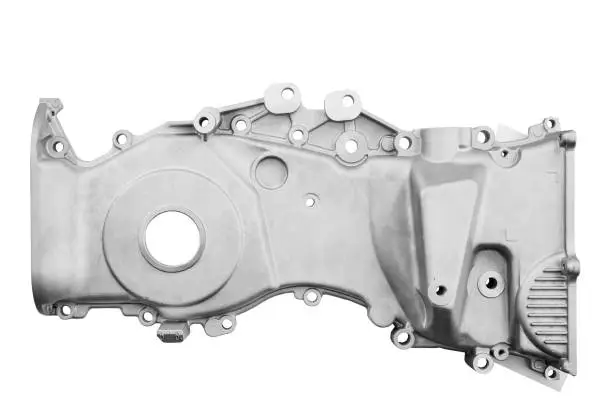
Die casting for aviation is very different from other metal-making methods in how it works. Molten metal is pushed into sharpened steel dies at pressures higher than 1,500 psi, and sometimes up to 30,000 psi, based on the complexity of the part. This high pressure pushes the liquid alloy into every detail of the cavity. This makes parts that are almost perfectly round, which means they don't need much machining afterward. Forging and sand casting both make surfaces that are rough and need a lot of work to smooth them out. Die casting, on the other hand, makes surfaces that are smooth and internal features that are very complex all in one production cycle.
This technology has been embraced by the aviation industry because it solves several engineering problems at the same time. In the past, complex brackets were made by joining together several printed pieces. Now, they can be cast as a single unit, which gets rid of any possible weak spots. Strategic die design makes it possible to make engine housings with built-in cooling channels, which would not be possible to machine economically otherwise. After only a little post-processing, structural connections with mounting bosses, ribs, and precision attachment points come out of the mould and are ready to be put together.
Lightweight Alloys Transforming Aerospace Components
In flight uses, the choice of material determines how much weight is lost. Due to their high strength-to-weight ratio (specific gravity of about 2.7 g/cm³, or about one-third the density of steel), aluminium alloys are the most common materials used in die casting for aviation. Some common aerospace-grade metals are A356 and A357; these have better mechanical qualities than regular die casting alloys like A380. These special metals have carefully balanced amounts of silicon and magnesium, which makes them easy to cast and strengthens them after being heated.
When it comes to weight, magnesium alloys are the lightest construction metals because their densities are only about 1.8 g/cm³. Their use is still more limited, though, because the materials are more expensive and they need to be handled in a certain way during casting. Even though zinc alloys are heavier, they are only used in certain situations where electromagnetic shielding or specific wear characteristics are important. The selection process takes into account a number of factors, such as the function of the part, its exposure to the environment, its required mechanical properties, and its cost within the overall design parameters of the aircraft.
Aerospace Quality Standards and Certifications
Manufacturing in the aviation business is closely watched more than almost any other industry. Die casting companies that work with aircraft companies need to get AS9100 certification. This is a widely recognised quality management standard made just for aviation, space, and defence companies. In addition to the quality and safety rules in ISO 9001, this certification adds rules for aerospace-specific quality and safety, such as strict traceability processes, advanced inspection methods, and proof of ongoing improvement.
Certification from the National Aerospace and Defence Contractors Accreditation Program (NADCAP) adds to the proof that a company can do certain types of processing. This performance-based accreditation method checks to see if suppliers can regularly meet the technical needs of the aerospace industry for things like heat treatment, non-destructive testing, and materials testing. Parts that are going to be used in flight-critical applications go through strict inspection procedures that include checking their dimensions, studying their materials, and making sure they are structurally sound for every production batch. This paperwork makes it possible to track everything from the certification of the raw materials to the arrival of the end component. This lets problems in the field be looked into quickly if they happen.
Why Die Casting Reduces Component Weight in Aviation
Superior Strength-to-Weight Ratios Driving Performance
When it comes to die casting for aviation, lowering weight has a direct effect on a number of performance measures that affect operational costs. Every pound taken off of an airplane's structure saves fuel over thousands of flying hours, lowers carbon pollution, and makes the plane able to carry more cargo. When considering comparable structural performance, die-cast aluminium parts usually have strength-to-weight ratios that are three times or more higher than steel alternatives. This benefit comes from the fact that aluminium is a naturally good material and die casting can place materials more efficiently within the shape of a part.
The process lets engineers concentrate the thickness of the material exactly where stress analysis shows that the structure needs it, while thinning out areas that aren't under as much stress. Traditional metalworking starts with solid bar stock and cuts away material to get to the end shape. This limits the freedom of the design and wastes material. Die casting puts metal only where it's needed to build parts inside the mould hole. Ribs, gussets, and reinforcements are all cast in at the same time, so they don't have to be welded separately, which would add weight through overlapped joints and reinforcements around weld zones.
Complex Geometries Impossible Through Traditional Methods
Compound curves, internal pathways, different wall thicknesses, and built-in mounting features are all common features in aviation parts that make traditional manufacturing methods difficult to use. Die casting is the best way to make these complex shapes in just one step. Take the case of an engine accessory housing that used to be put together by welding and fastening eight separate machined pieces together. By die casting this assembly into a single part, dozens of fasteners, welding supplies, and hours of assembly work are saved, and the total weight is cut by 30–40%.
Modern die casting is different from other methods because it can make thin walls. Advanced die design and process control make it possible for walls to be the same thickness, which is close to 1.5 mm, across large areas. When compared to the 3–5 mm minimum practical thicknesses needed for sand casting or the even thicker sections needed for machining stability, these thin sections are a huge weight loss. Engineers in the aerospace industry use this ability to make lightweight cases, frames, and structural parts that can hold their weight without adding extra material. Internal features like cooling channels, lighting pockets, and cable passing paths are built right into the casting, so they don't need to be machined separately, which can be expensive.
Material Efficiency and Environmental Benefits
When compared to subtractive manufacturing methods, die casting makes a lot less waste. When complex aircraft parts are made with CNC cutting, 40 to 60% of the starting bar stock is usually turned into chips. Before these chips can be used again, they have to be remelted and processed, which uses energy and changes the quality. When it comes to die casting, on the other hand, material utilisation rates are higher than 90%, with only the gating system remaining and minimum flash needing to be recycled.
This efficiency includes more than just saving raw materials; it also takes into account environmental issues that are becoming more and more important to aircraft makers. Smaller parts that weigh less mean that planes use less fuel over their entire operational lives. This saves millions of gallons of fuel and reduces carbon emissions. Making die-cast parts still uses a lot less energy than making the same parts by milling them from solid stock. Today's die casting factories reuse and recover the heat from melting processes. This lowers their impact on the earth and keeps production costs low.
Selecting the Best Die Casting Solutions for Aviation Components
Evaluating Process Capabilities and Precision Requirements
For important features, aviation parts usually need limits of less than 0.05 mm when it comes to dimensions. This level of accuracy isn't always reached in die casting for aviation operations. For each shot, molten metal is ladled into the injection system in a cold chamber die casting process. This is needed to control the process for aluminium and magnesium aerospace alloys. This method keeps liquid metal from staying in contact with injection mechanism parts for long periods of time. This lowers the risk of contamination and increases the life of equipment when working with alloys with a higher melting point.
Production rate has a big effect on the choice of method and the business's ability to make money. Die casting is most cost-effective when it's done in large quantities (more than 1,000 pieces per year). As the number of units produced rises to tens of thousands, costs per unit drop significantly. If the number of parts being made is low, it may be better to use investment casting or CNC machining instead of die casting, unless the geometry of the part strongly benefits from die casting. Before investing in tooling, aerospace buying teams should ask providers for capability studies that show they have experience with parts with similar shapes, materials, and tolerances.
Assessing Supplier Certifications and Technical Expertise
Qualifying a supplier is more than just looking at marketing materials and price quotes. Professionals in aerospace buying should do on-site evaluations of the real manufacturing capabilities, quality systems, and technical staff knowledge. Verified AS9100 and NADCAP certifications give you basic peace of mind, but a more in-depth look shows whether providers really understand aircraft needs or just have certificates without a quality culture built in.
One important question to ask during the evaluation process is what kind of inspection equipment the supplier keeps on hand versus outsourcing. How many aerospace programs has the supplier been a part of from start to finish? What efforts for continuous growth show a dedication to enhancing abilities? Can the supplier show that they can do the process by giving you detailed PPAP (Production Part Approval Process) documentation? The answers to these questions show if possible partners have the technical depth and operational maturity that are needed for supply lines in the aerospace industry.
Technical cooperation skills are just as important as production skills. In die casting for aviation, design optimisation is often needed to meet weight reduction goals while keeping the ability to make the part. Design for Manufacturing (DFM) support from suppliers helps engineering teams fine-tune part shape, wall thickness distribution, and draft angles to get the best casting quality with the least amount of weight and cost. This collaborative approach finds potential problems during the design phase instead of finding them during production. This keeps program delays and expensive tooling changes from happening.
Understanding Alloy Selection for Specific Applications
Material choice has a big effect on how well a part works, how much it weighs, and how easy it is to make. A356 aluminium alloy is the workhorse of aircraft die casting. It is easy to cast and has good mechanical qualities that get even better after being heated to T6 levels. This treatment includes solution heat treatment followed by artificial ageing, which causes hardening phases to form that raise the yield strength to levels close to 240 MPa while keeping the material's flexibility.
With slightly changed chemistry, A357 alloy has better mechanical properties and is less likely to break down when exposed to high temperatures for long periods of time. This makes it better for use in more demanding situations. Aerospace engineers use this alloy for parts that are close to hot parts of engines, or that go through a lot of thermal cycling. While magnesium alloys like AZ91D make weight reduction even more possible, they need to be handled in a certain way because they can catch fire during melting and casting. This limits the number of suppliers who can meet military quality standards for making these materials.
Overcoming Common Challenges in Aviation Die Casting
Addressing Porosity and Internal Defects
Porosity is the most constant quality problem in die casting for aviation. This is especially true for aerospace uses, where internal voids can weaken structures and create places where failures could start. Gas porosity happens when air gets stuck during high-speed metal drilling or when hydrogen that has been dissolved in water solidifies. Shrinkage porosity happens when separate areas of molten metal harden without being able to access more liquid metal to make up for the loss of volume.
These problems can be solved with vacuum-assisted die casting technology, which removes air from die holes before metal is injected. This process gets rid of the air that would normally get stuck in rough metal flow by lowering the cavity pressure to almost vacuum levels. The result has porosity levels that are similar to those achieved by high-end casting methods like investment casting. This means that die-cast parts can be used for pressure-containing and flight-critical uses that weren't thought to be possible with die casting before. Leading aerospace suppliers have put a lot of money into vacuum die casting equipment to meet the strict quality standards of the aviation industry.
Before cutting steel for production dies, process optimisation using computer simulation finds places where porosity might form. Advanced modelling software models how metal flows, changes in temperature, and the order of solidification to figure out where problems might happen. Engineers change gate locations, runner geometries, and cooling channel configurations to get rid of expected defects. This cuts down on the need for costly trial-and-error die changes after the first sampling.
Maintaining Dimensional Tolerances Under Thermal Cycling
Throughout their service lives, aerospace parts are subjected to huge changes in temperature, going from working on the ground to cruising at high altitudes and back to working at ground level. Dimensional stability through these thermal cycles is very important for keeping the fit and functionality of the assembly. Die-cast aluminium is naturally better in this situation because it has a relatively low thermal expansion coefficient. However, to get consistent dimensions, you need to pay close attention to the alloy composition and heat treatment protocols.
The T6 heat treatment process improves the mechanical properties of components produced through die casting for aviation, but it can cause dimensional problems if it is not properly controlled. For aluminum alloys used in die casting for aviation, the solution heat treatment step is typically performed at temperatures around 540°C. If heating rates, holding times, or quenching methods are not optimized, complex aerospace geometries can become warped, affecting dimensional accuracy and assembly performance. To ensure consistent results, qualified suppliers specializing in die casting for aviation use advanced heat treatment ovens with multi-zone temperature control, automatic quench systems, and precise thermal monitoring technology. Fixtures are used to hold parts securely during heating, preventing deformation caused by thermal stress and gravity. Combined with strict process control, aluminum alloy selection, CNC machining, and non-destructive inspection methods, these advanced heat treatment techniques help die casting for aviation components achieve the required strength, stability, and reliability for aircraft structures and aerospace applications.
Post-heat treatment machining takes care of important measurements that need tighter tolerances than what can be achieved straight from casting. Strategic design puts these features in places that make them easy to machine, which lowers the cost of secondary operations while still meeting accuracy standards. This mixed method uses die casting's geometric abilities for the shape of the part as a whole and selective machining for precise features, making the best use of both weight reduction and dimensional accuracy.
Case Studies Demonstrating Successful Implementation
A well-known aerospace company went to specialised die casting makers to find options to the machined aluminium structural brackets they were using on all of their business planes. The old brackets, which were made from 7075 aluminium plate and polished, were very strong but wasted a lot of material and took a long time to make. Die-cast A357 parts with built-in support ribs and better material distribution based on finite element stress analysis were made through collaborative design optimisation.
The change made the brackets 35% lighter than the original machined brackets and cut the cost of making them by 28% at full production levels. Heat-treated castings met all structural load requirements with enough safety margins. This was proven by destructive testing that went above and beyond what was needed for certification. Dimensional accuracy got better because die casting is more repeatable than cutting, which cut down on assembly time and made the fit better. The program showed a return on investment within 18 months, even though the building costs were high. Savings are expected to continue throughout the model's multi-decade production run.
Cost and Lead Time Considerations in Aerospace Die Casting Procurement
Understanding Pricing Factors and Budget Planning
The costs of die casting for aviation are very different from those of machining or manufacturing, so aircraft buying teams need to know what drives prices in those areas. The biggest initial expense is the tooling. Aerospace-grade dies are made from high-quality tool steels and have advanced features like cooling systems built in, moving cores, and multiple parting lines. The price of a tool for making complicated aerospace parts is usually between $50,000 and $200,000, but this depends on the size, complexity, and number of cavities.
Material costs change with the price of metals, but they don't change as much as other program cost factors. Because of stricter composition controls and higher cleanliness standards, aerospace-grade aluminium alloys cost more than regular die casting alloys. Certification costs, such as material traceability paperwork, first item inspection reports, and ongoing quality documents, are a real burden, but they are still necessary for aircraft compliance.
As programs get better and production rates level off, die casting becomes more appealing because the cost per piece goes down a lot as the number goes up. Aerospace procurement should ask for detailed cost breakdowns that separate amortisation of tools, materials, processing, inspection, and certification paperwork so they can see how prices change as volume changes. This openness makes it possible to accurately model program costs across expected output lifecycles.
Lead Time Planning and Minimum Order Quantities
When making a realistic schedule, you need to take into account how long die casting takes. It usually takes 12 to 16 weeks to plan and build an aerospace-grade die, plus extra time for samples, first article inspection, and any changes that need to be made to the die based on the results of the first tests. These deadlines can be sped up by rush programs, but rarely without lowering quality or making costs go up a lot.
Lead times for production usually range from 4 to 8 weeks after tooling approval. This depends on how complicated the part is, if it needs to be heated or machined again, and how it will be inspected. Minimum order numbers show the smallest economic batch sizes that balance the costs of setting up and keeping supplies. For complicated parts, aerospace suppliers usually set MOQs of 100 to 500 pieces. However, suppliers who are flexible may be able to handle smaller batches at a higher price for trial or spares use.
Flexible Contract Manufacturing Solutions
During the creation and production stages of aerospace projects, they change, so suppliers need to be able to adapt to those changes. As aircraft types move through their lifecycles, the contract terms should include changes in expected volume, how to apply technical changes, and how to plan for obsolescence. Aerospace makers can lower the amount of inventory they keep on hand by using suppliers with vendor-managed inventory programs. These programs also make sure that the availability of parts fits the schedules for assembly.
When it comes to aircraft die casting, long-term partnerships work better for both parties than short-term deals. Suppliers can see how much is being made, which lets them plan their capacity and make investments in process optimisation and capacity planning. Customers in the aerospace industry benefit from suppliers who learn more about their customers' specific program needs, the performance history of their parts, and technical information that is specific to their applications. These connections help with ongoing efforts to improve things, which lower costs and raise quality over the course of multi-year projects.
Conclusion
Die casting for aviation produces quantifiable weight savings that directly enhance aeroplane speed, operational economics, and environmental sustainability. Modern aircraft manufacturing can't do without this technology because it can make complicated, thin-walled parts with great accuracy in their dimensions. To be successful, you need to carefully choose your suppliers based on their certifications, technical skills, and experience working with aerospace products. Cost structures, realistic lead times, and the value of working together are things that buying teams need to know in order to get the most out of die casting while also handling program risks well. Aerospace companies will continue to push hard to cut down on weight, and die casting technology and specialised sources will be key to meeting these goals.
FAQ
What aluminum alloys work best for aviation die-cast components?
For most die casting for aviation jobs, A356 and A357 aluminium alloys are the best options. A356 is easy to cast and has good mechanical properties that are improved by the T6 heat treatment. It can reach yield strengths of about 165 MPa and tensile strengths of over 240 MPa. A357 has slightly better properties and better performance at high temperatures, which makes it better for parts that will be thermally cycling or being exposed to moderate heat. Both metals are resistant to corrosion and can be welded together for fixes that need to be made after the casting process is finished.
How does die casting compare to additive manufacturing for aerospace parts?
When making more than a few hundred units a year, die casting is the best method because it has better mechanical qualities, surface finish, and cost-per-unit economics than metal additive manufacturing. 3D printing is better for prototypes or very low-volume uses where the cost of making tools is too high to justify. It can also be used for internal shapes that are too complicated for die casting. During the development phase, many aerospace programs use additive manufacturing. Once designs are stable and production rates are high enough to support tooling investments, the programs switch to die casting.
What certifications should aerospace buyers require from die casting suppliers?
The most important thing is to get AS9100 certification, which shows that quality management systems meet standards specific to aerospace. Getting NADCAP certification for important special processes like heat treatment and non-destructive testing adds to confidence in the technical ability. Suppliers should also keep detailed tracking systems that meet the standards for aircraft material approval and show that they can produce PPAP paperwork that meets customer needs. On-site checks make sure that these certifications are based on real operating practices, not just following the rules on paper.
Partner with Fudebao Technology for Aerospace-Grade Die Casting Solutions
Fudebao Technology has everything that aerospace engineering teams are looking for in a solid die casting for aviation manufacturers. Our building has quality systems that are in line with AS9100 standards and were made for aerospace use. These systems are backed by high-tech tools like high-pressure die casting machines, CNC machining centers, and precision measuring tools that can get within 0.05mm of accuracy. We are experts at making aluminium alloy parts for use in defence, aerospace, and aviation, where reducing weight has a direct effect on performance.
Zhejiang Fudebao Technology does all of the manufacturing work, including melting, casting, precision machining, and surface treatment. They deliver finished parts that are ready to be put together in your aircraft systems. During design optimisation, our engineering team works together to find ways to cut weight while keeping the structure strong and making it easy to make. We know the important quality standards, paperwork needs, and traceability processes for aircraft supply chains because we've worked with big international aviation brands through full program lifecycles.
Email our flight team at hank.shen@fdbcasting.com to talk about the exact parts you need. We'll look over your designs, suggest the best alloys and ways to make them, and give you detailed quotes that include the cost of tools and when they can be made. Visit fdbcasting.com to see all of our services and learn how forming a strategic relationship with an experienced die casting for aviation provider can help you meet strict aerospace quality standards and speed up your weight loss goals. Let us show you why the world's biggest aerospace companies trust Fudebao Technology with their toughest casting jobs.
References
1. Campbell, J. (2015). Complete Casting Handbook: Metal Casting Processes, Metallurgy, Techniques and Design. Butterworth-Heinemann, Oxford.
2. Kaufman, J.G. & Rooy, E.L. (2004). Aluminum Alloy Castings: Properties, Processes, and Applications. ASM International, Materials Park, Ohio.
3. SAE International Aerospace Council. (2016). AS9100D Quality Management Systems – Requirements for Aviation, Space, and Defense Organizations. SAE International Standards.
4. North American Die Casting Association. (2018). Product Specification Standards for Die Castings Produced by the Semi-Solid and Squeeze Casting Processes. NADCA Standards.
5. Zhao, H. & Bai, Y. (2019). Advanced Die Casting Technology for Lightweight Automotive and Aerospace Applications. Journal of Materials Processing Technology, Volume 251, pp. 314-328.
6. Lumley, R.N. (2011). Fundamentals of Aluminium Metallurgy: Production, Processing and Applications. Woodhead Publishing, Cambridge, England.



YOU MAY LIKE