
Custom Aerospace Aluminium Die Castings Support Complex Aerospace Component Designs
2026-08-07
When aerospace engineers face the challenge of designing intricate structural components that must withstand extreme operational conditions while maintaining minimal weight, aerospace aluminium die castings emerge as the manufacturing solution. This advanced metallurgical process transforms aerospace-grade aluminium alloys into precision components through controlled molten metal injection into engineered molds, creating near-net-shape parts with complex internal geometries. The technology addresses critical industry demands for lightweight structural integrity, dimensional repeatability, and certification compliance that define modern aviation manufacturing standards.
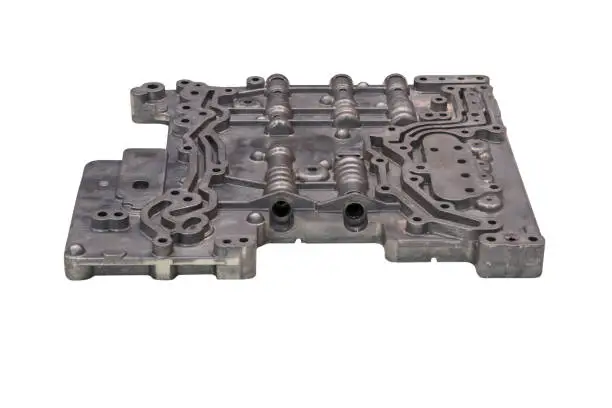
Understanding Aerospace Aluminium Die Castings: Materials, Process, and Standards
Aerospace-Grade Aluminium Alloys and Their Metallurgical Properties
In the aerospace industry, certain families of aluminium alloys are used because they have been engineered to perform best. Alloy A356 is great for making structural housings and braces because it can be made easily and has a tensile strength of up to 310 MPa after being heated to T6. In the same way, 6061 aluminium is easier to machine and weld, and it doesn't rust, which means that parts will last longer in harsh environments. The strength-to-weight ratios of these materials are about three times higher than those of similar steel alternatives. This directly leads to better fuel efficiency and higher payload capacities.
The metallurgical make-up of these alloys is closely watched while they are melting. A356 usually has between 6.5-7.5% silicon, which makes it more fluid and less likely to have holes form when it shrinks, and between 0.3-0.45% magnesium, which helps with precipitation hardening. Before casting starts, we follow strict chemistry testing processes that use optical emission spectrometry to make sure that every batch meets the requirements for aircraft materials.
The Die Casting Process for Aerospace Components
Aerospace aluminium die castings follow a very precise process that starts with getting the mould ready and heating it up to temperatures between 200°C and 300°C. This stops the metal from solidifying too quickly or experiencing thermal shock. Melted metal that has been heated to about 700°C is pushed into the die cavity at pressures ranging from 10,000 to 100,000 psi, based on the complexity of the part and the wall thickness needs.
Under constant pressure, solidification happens in seconds, eliminating gas holes and getting higher density than gravity casting processes. Real-time process tracking tools at our facilities keep an eye on the speed of injection, the pattern of cavity filling, and the rate of cooling to make sure that everything stays the same from one production run to the next. Post-casting tasks include trimming, cycles of heat treatment, and checking the dimensions with coordinate measuring machines that can resolve as little as 0.001 mm.
Regulatory Compliance and Industry Standards
Aerospace aluminium die castings operations must show that they follow a number of standard systems that combine. The AMS 2474 standards set the limits for casting tolerances and surface finish, and the ASTM B85 standards set the standards for aerospace aluminium die castings, including minimum mechanical property levels and defect limits. The quality management system is based on ISO 9001 certification, but more and more aerospace suppliers need AS9100 certification to show that their process controls are specific to aerospace.
Traceability of materials is another important aspect of compliance. Each batch of castings has a recorded chain of custody that goes from certifying the raw materials to the final review. This makes it possible to fully trace problems back to the source if they happen in the field. Radiographic inspection and fluorescent penetrant examination are examples of non-destructive testing methods that find internal discontinuities in parts before they are put into service. This protects both the manufacturer's liability and the safety of the aeroplane.
Advantages of Custom Aerospace Aluminium Die Castings in Complex Component Design
Weight Reduction and Fuel Efficiency Impact
There is steady pressure on the flight industry to make planes lighter, because every kilogram lost means less fuel used and less pollution released over the life of a platform. Custom aerospace aluminium die castings can make parts that are 40–60% lighter than similar steel parts while still meeting the structural requirements. By changing the design of a typical aerospace bracket from steel to A356 aerospace aluminium die castings, 55% of its weight is saved. This, when multiplied by the hundreds of parts that make up an aeroplane, leads to real operational cost savings.
These benefits are more than just replacing materials. Die casting lets you combine several machined parts into a single cast part, so you don't have to use tools or carry around extra weight for assembly. Design engineers can add stiffening ribs, mounting bosses, and fluid paths directly to the geometry of the casting, which makes the structure more efficient in ways that manufactured parts can't.
Precision and Complex Geometries
Designing aerospace parts requires more and more complicated three-dimensional shapes that are hard to make with traditional methods. Custom die casting lets you make parts with walls that are between 1.5 mm and 6 mm thick, internal spaces that help keep the weight down, and undercut features that would need to be machined in several steps if they were made from raw material. Dimensional limits always reach ±0.13 mm per 25 mm of length, which meets the needs of aircraft assembly without requiring a lot of extra work.
It is also possible to add threaded plugs, bearing surfaces, and sealing holes during the casting cycle. This design flexibility lowers the buy-to-fly ratio, which is the ratio of the mass of the raw material to the weight of the finished part. In machined parts, this ratio can be as high as 15:1, but in near-net-shape castings, it is only about 1.5:1. Cutting down on machining hours and shortening production lead times also save money on materials.
Economic Scalability for Production Volumes
The following manufacturing benefits make die casting a good choice for aircraft production economics:
Tooling Investment Return: Die casting moulds are a big investment that needs to be paid for up front. Depending on the size and complexity of the part, they can cost anywhere from $15,000 to $150,000. This investment pays off when more than 500 to 1,000 units are made. This means that the process is economically viable for platform parts that are made over a long period of time, rather than prototypes or small batches.
Cycle Time Efficiency: Automated die casting cells can make 60 to 200 parts per hour for small to medium shapes, which is a lot faster than options like machining or investment casting. This increase in throughput lowers the cost of labour per unit and makes it possible to match just-in-time shipping schedules with assembly schedules.
Reduced Secondary Operations: The geometry of near-net-shape casting reduces the amount of machining that needs to be done on critical mating surfaces and threaded features after casting. When compared to billet-machined versions, components often only need 15–30% of the cutting hours. This lowers production costs and speeds up delivery times.
Comparing Aerospace Aluminium Die Casting with Other Manufacturing Methods
Aluminium Die Casting versus Magnesium Die Casting
When compared to aluminium alternatives, magnesium alloys save about 35% more weight, which makes them appealing for aerospace uses where every gram counts. Handling and processing the material is very hard, which stops it from being widely used. Because magnesium is reactive, it needs to be processed in a neutral atmosphere and needs special fire control systems, which raises the cost of building facilities. Marine and humid settings need protective coating systems that add more steps in the manufacturing process and possible failure causes.
When it comes to parts that will be exposed to the air, aerospace aluminium die castings are the best because they don't need any extra treatments to protect them from corrosion. The material has a history of being certified, and there are more suppliers of it, which lowers the risk of buying it and makes it easier to get approved by aerospace regulatory officials. The uniformity of the mechanical properties across production runs is better than magnesium's usual performance difference, which allows for smaller design margins.
Die Casting versus Steel Casting and Forging
Using the casting and forging processes on steel to make parts that are very strong is needed in some aerospace applications. The density penalty—steel parts usually weigh 2.5 to 3 times more than aluminium ones—affects fuel usage in ways that build up over the life of an aeroplane. A total lifecycle cost study needs to take this difference in operations costs into account along with the lower cost of steel as a material.
Forged aluminium is another option. It has directional grain flow that makes it more resistant to fatigue along primary load paths. Die casting can handle more complicated shapes than forging can, especially for parts with internal spaces, changing wall sections, or features that are orientated in more than one direction. For complex forgings, the cost of the tools used is often higher than the cost of die casting moulds, and machining is needed a lot more to get the final shape from forged blanks.
Machining from Billet Material
In the past, aerospace precise parts were made from billet material that went through a lot of CNC cutting. This method of subtractive manufacturing makes sure that materials are correct and can be tracked, but it also creates a lot of waste. When billet is used to make complex aerospace brackets, the buy-to-fly ratio is often 10:1 or higher, which means that 90% of the material that is bought is turned into machining chips.
By making a near-net-shape during the casting process, die casting turns this efficiency equation around. This method works best for parts with complicated three-dimensional shells, thin-wall sections, and features that are built in. Procurement workers should carefully consider production numbers. For low-quantity needs (less than 200 to 500 units), billet cutting is often the best way to go to avoid investing in tools, while production plans support die casting's cost-effectiveness.
Procuring Custom Aerospace Aluminium Die Castings: What B2B Clients Need to Know
Supplier Certification and Quality Systems
When buying aerospace products, suppliers must prove they can do more than just make things. AS9100 certification shows that an aerospace quality management system has been put in place, with a focus on processes for controlling configurations, managing risks, and making improvements all the time. NADCAP accreditation for non-destructive testing gives third-party confirmation of inspection skills and staff qualifications, which is very important for parts where flaws inside could weaken the structure.
Audits of quality systems should look at supplier corrective action and reaction systems, how statistical process control is used, and written rules for special processes like heat treatment and surface finishing. Suppliers who are still making aerospace parts show that they know about the PPAP documentation requirements, the First Article Inspection protocols, and the strict configuration management that aerospace programs need.
Request for Quotation Best Practices
RFQ paperwork that works well cuts down on revision cycles and speeds up the buying process. Full component drawings with GD&T callouts make it clear what the drawings mean, and material specifications that list specific aerospace standards make sure that the alloy meets those standards. Suppliers can choose the best manufacturing method and tooling by using production volume estimates across the lifecycle of a component.
Expectations for lead times should include the die design and manufacturing periods, which usually last between 8 and 12 weeks before the first item is made. When sellers make annual volume promises, they can reserve capacity and may be able to offer better prices than when buyers buy on the spot. When you split the price of the tooling investment from the price of each piece, you get clear cost models that make budgeting easier.
Supply Chain Integration Strategies
For aerospace production plans to work, parts must be delivered on time and in the right order for assembly. Setting up vendor-managed inventory agreements for high-volume components shifts the responsibility of warehousing while still making sure materials are available. Sharing collaborative forecasts lets suppliers change how they allocate capacity and buy raw materials, which lowers the cost of expediting and avoids delivery delays.
Before production starts, quality agreement frameworks should spell out the criteria for acceptance, who is responsible for inspections, and how to handle nonconformances. As programs get better and production rates change, alignment is kept up through regular business reviews that look at things like delivery performance, quality metrics, and efforts for continuous growth.
Case Studies: How Custom Aerospace Aluminium Die Castings Improve Aircraft Performance
Structural Bracket Optimization for Regional Aircraft
A regional aircraft maker had to rethink a platform in order to meet weight reduction goals while keeping the structural load capacity for the wing attachment brackets the same. The first steel assembly that was made weighed 3.2 kg and had 14 separate parts that were held together with 26 fasteners. Based on engineering analysis, it was possible to combine the parts into a single A356 aerospace aluminium die castings.
The revised part had a finished weight of 1.8 kg, which is 44% less than the original. Finite element analysis showed that the load capacity was higher than what was required by design, with a 15% safety cushion. Mechanical tests proved that the fatigue life was more than 100,000 times at design loads, which was enough to meet approval standards. The cost of production dropped by 32% because building tasks were cut out and fewer fasteners had to be bought. The 18-month development process from idea to production approval showed that die casting could be used for structural aerospace uses as long as engineers worked together properly.
Engine Accessory Housing Thermal Management
Accessories for aerospace engines work in temperatures that can hit 200°C, and they hold electrical parts that need to be stable in temperature. A company that makes engine controls needed custom housings with built-in cooling fins and fluid passages inside to get rid of heat. In the past, housings made from 6061 billet needed 14 hours of CNC time for each part, and a lot of material was wasted.
By using die casting, the shape of the cooling fins could be built right into the mould, making parts with fins that are 2.5 mm thick and spaced out in a way that maximises convective cooling. Internal fluid tubes cast into the frame got rid of the need for extra drilling while making heat transfer more effective. Temperature drops of 18°C were seen in thermal cycle tests compared to the old design, which means that electrical parts will last longer. As sales of the platform grew, production time dropped to 45 minutes per house, which included only light finishing work. This allowed for higher production numbers.
Conclusion
Aerospace aluminium die castings are a tried-and-true way to make things that reduce weight, make shapes more complicated, and save money on production costs. The process combines the properties of aerospace-grade materials with the ability to shape them precisely. This makes it possible to combine parts and improve designs in ways that aren't possible with traditional manufacturing methods. For execution to go well, suppliers must be carefully chosen with certifications, mature quality systems that are mature, and experience making things for the aerospace industry in mind. When purchasing managers know about die casting's business model, technical skills, and legal requirements, they can help their companies use this technology to improve aeroplane performance and make programs more profitable.
FAQ
Which aluminium alloys work best for aerospace die castings?
Aerospace die casting uses A356 aluminium alloy most of the time because it has the best balance of being easy to cast, having good mechanical properties, and responding well to heat treatment. After the T6 heat process, the metal has a tensile strength of 310 MPa and can still stretch by 5–8 percent. A380 has better die-filling properties for thin-wall parts, but it has worse dynamic performance. When choosing an alloy, it's important to make sure it meets the load requirements, operating temperatures, and certification requirements for the part's use.
How do lead times compare between die casting and machining?
Before production starts, initial die casting programs need 10 to 14 weeks for designing the tool, making it, and testing the first piece. Machined parts made from block material can be made right away, but each unit takes a lot longer to turn. Die casting usually speeds up total delivery for programs with more than 500 units, even though the initial tooling time is longer. With extra costs, rush forging methods can shorten the development of a die to 6 to 8 weeks.
What defects occur in aerospace aluminium die castings?
Most die casting discontinuities are caused by pores, which are filled with gas or shrink as the metal hardens. Modern process controls, such as vacuum-assisted filling, keep the number of holes below 0.5% of the casting volume. When the die temperature is wrong, or there isn't enough airflow, cold shuts happen, which means that the metal flow fronts don't fuse completely. Radiographic inspection and pressure testing find these flaws before they are shipped, and process optimisation gets rid of the reasons why they happen in the first place.
Partner with Fudebao Technology for Certified Aerospace Aluminium Die Castings
Specifications for aerospace parts call for manufacturing partners with advanced equipment, tried-and-true quality systems, and certification credentials. Zhejiang Fudebao Technology operates integrated production facilities equipped with high-speed machining centers, CNC turning equipment, and both low-pressure and high-pressure die casting machines supporting complete component development from prototype through production volumes. Our quality management systems maintain ISO 9001 certification with traceability protocols meeting aerospace documentation requirements. As an aerospace aluminium die castings supplier serving international aviation manufacturers, we deliver precision components with dimensional accuracy to ±0.05mm, supporting everything from structural brackets to engine accessories. Contact our aerospace division at hank.shen@fdbcasting.com to discuss your component requirements and receive a detailed technical evaluation of how die casting optimization can reduce weight, improve performance, and lower total program costs for your next aviation platform development.
References
1. Campbell, J. (2015). Complete Casting Handbook: Metal Casting Processes, Metallurgy, Techniques and Design. Butterworth-Heinemann, Oxford.
2. Kaufman, J.G. and Rooy, E.L. (2004). Aluminum Alloy Castings: Properties, Processes, and Applications. ASM International, Materials Park, Ohio.
3. SAE International. (2018). AMS 2474: Castings, Classification and Inspection of. Society of Automotive Engineers Aerospace Material Specification.
4. ASTM International. (2019). ASTM B85: Standard Specification for Aluminum-Alloy Die Castings. American Society for Testing and Materials.
5. Bonollo, F., Urban, J., Bonatto, B., and Botter, M. (2005). Gravity and Low Pressure Die Casting of Aluminum Alloys: A Technical and Economical Benchmark. La Metallurgia Italiana, 97(6), 23-32.
6. Totten, G.E. and MacKenzie, D.S. (2003). Handbook of Aluminum: Volume 1, Physical Metallurgy and Processes. Marcel Dekker, New York.



YOU MAY LIKE