
How Does Copper Crafts Casting Create Custom Sculptures for Commercial Spaces?
2026-11-24
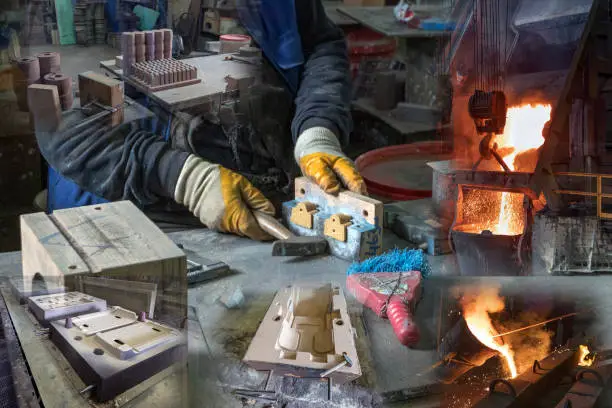
Copper Crafts Casting creates custom sculptures for commercial spaces by turning a design brief into a 3D model or pattern. Molten copper alloy is then poured into a mold that holds the shape. After cooling, the casting is cut, welded, machined, and finished with polish or patina. Lost wax casting suits fine detail, while sand casting suits larger, simpler forms. Mounting plates and joints are machined so the piece installs safely in a lobby, hotel, retail store, or public plaza. I wrote this guide to walk you through each stage so you can brief a foundry with confidence.
Why Copper Crafts Casting Suits Commercial Sculptures
A Warm Material That Fits Many Venues
Copper has a warm reddish tone and reflects light softly. That is why hotels, restaurants, offices, museums, resorts, and retail stores use it for focal pieces. It works with modern, traditional, and cultural designs, so one alloy family can serve very different brands. Copper also forms a natural surface layer over time. Fresh metal darkens to brown and can turn green outdoors, and you can keep that change or slow it with a coating. I tell buyers to decide early whether they want a bright, steady look or an aging look. That choice affects alloy, finish, and maintenance.
Sculpture Types Buyers Order Most
Commercial buyers usually request lobby sculptures, wall panels, statues, ornaments, awards, and branded decorative elements. Sizes range from a desktop award to a multi-section piece taller than a person. Casting handles curves and surface texture well, so animals, figures, relief logos, and architectural ornament are common orders. Buyers from automotive, machinery, electrical, and aerospace companies sometimes need similar pieces for headquarters lobbies and showrooms. Those teams expect drawings, dimensional checks, and clear documentation, and decorative work benefits from the same discipline.
How Copper Compares With Other Materials
For Copper Crafts Casting projects to go well, it is very important to choose the right material. Each material has its own pros and cons. While resin is light and easy to shape into complicated shapes, it doesn't look or feel shiny like copper does, and it doesn't naturally age like copper does. It's hard for stainless steel to rust, and it looks good with clean, modern designs. That being said, it can be harder to cast small details. Silver is a lot lighter than copper. Copper has a density of 8.96 g/cm³, while this one has 2.70 g/cm³. If the part you want to mount on the wall or ceiling can't be too heavy, aluminum is a good choice. Each is made of copper, which is the same metal that makes bronze and brass. There are times when bronze and brass are better for making things than pure copper. If you want your project to look like it was made of real copper, the Copper Crafts Casting is the best choice. It comes in natural shapes, intricate patterns, and smooth surfaces. Buyers should think about where they want to put the Copper Crafts Casting, how much weight it can hold, their budget, how resistant the materials are to rust, and what kind of finish they want on the outside. A skilled maker can help you decide which of these materials is best for you. When Copper Crafts Casting picks the materials they use, they make sure that their products have the best look, durability, functionality, and cost to make.
How the Copper Crafts Casting Process Works
Start With a Clear Design Brief
Every good project starts with a written brief. I ask for the site, overall dimensions, viewing distance, weight limits, preferred alloy, finish, quantity, packaging, and installation method. Viewing distance matters more than people expect. A piece seen from ten feet away can carry bolder texture, while a piece at eye level needs finer detail. Weight limits decide whether we cast one solid piece or several hollow sections. A complete brief also cuts back-and-forth later, because the foundry can flag thin sections, tight corners, or heavy areas before tooling starts. If you only have a sketch or reference photos, send those too, and we will discuss what is missing.
From 3D Model to Pattern and Mold
Next, the team builds a 3D CAD model, a sculpted master, or a production-ready pattern. During this step, we review wall thickness, supports, shrinkage, parting lines, and assembly points. Metal shrinks as it cools, so the pattern must be slightly larger than the finished piece. Patterns come from hand sculpting, CNC machining, 3D printing, silicone molds, resin, ceramic shells, or sand molds, depending on the design. Hand work gives unique texture, while CAD and CNC improve repeatability when you need matching pieces for several locations. Approve the model or prototype in writing before the foundry cuts any mold, since changes after that point cost time.
Melting, Pouring, and Finishing the Casting
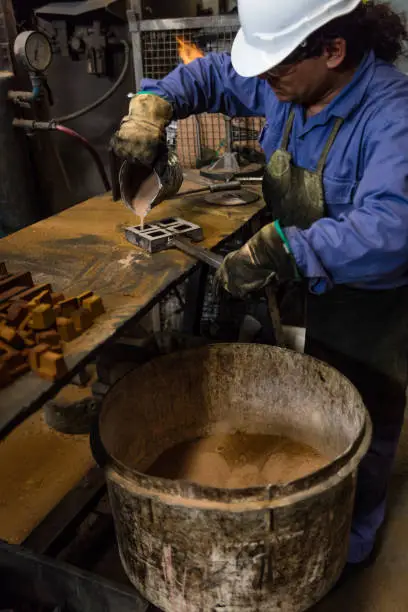
Copper melts at about 1,085°C (1,985°F), so melting needs controlled temperature and clean metal. Workers pour the alloy into the mold, let it cool, and remove the casting. Then they cut off gates and risers, weld sections where needed, machine mounting surfaces, and assemble the piece. Fudebao Technology runs a workflow that covers melting, casting, finishing, and surface treatment. Our high-speed machining centers and CNC lathes reach accuracy up to ±0.05 mm. That precision matters for bolt holes, base plates, and joints, because a small misfit can stop a modular sculpture from aligning on site.
Choosing the Right Casting Method for Your Project
Lost Wax Casting for Fine Detail
One more name for investment casting is lost-wax casting. This is a popular way to make statues of people and animals, holy statues, and decorations. I really like how well it works for Copper Crafts Casting projects with complicated patterns, fine surface details, and three-dimensional shapes that are tough to understand. An early step is to make a wax copy of the finished item. After that, a ceramic shell is put on top of the model. The wax melts away when the clay sets, leaving a hole that is filled with molten metal. This old method has been used for thousands of years because it can make thin detail parts, smooth changes, and fine lines that are tough to get with other casting methods. For Copper Crafts Casting, lost-wax casting gives them a lot of freedom in how they design their parts and lets them make pretty, intricate ones. But the making process has several steps, and it usually takes longer than simpler ways to mold. Because of this, it is a great choice when a beautiful finish and fine details are more important than how quickly something can be made. To make very large sculptures and decorative figures, Copper Crafts Casting can also separate the design into several cast pieces and then put them back together after they are made. This way of doing things keeps the general design standards but makes it easier to make, move, handle, and put together each part. If you pick a Copper Crafts Casting company with a lot of experience, you can be sure that the job will be done right with sharp features and a smooth finish.
Sand Casting for Larger, Simpler Forms
Sand casting packs sand around a pattern to form the mold cavity. It handles thick sections and large dimensions well, and tooling is simpler than ceramic shell work. That makes it a fit for big decorative panels, bases, and plaques with bold relief. The surface is rougher than lost wax, but grinding, brushing, and polishing can refine it. ASTM B584 covers copper alloy sand castings for general applications, which gives buyers a recognized specification to cite in a purchase order. Centrifugal casting can suit round or hollow parts, and permanent molds can support repeat volumes. Choose based on geometry, detail, size, quantity, and finish.
Hybrid Production With CNC-Machined Interfaces
Many commercial sculptures combine methods. A detailed head or hand may come from investment casting, a heavy base from sand casting, and mounting faces from CNC machining. Welded or bolted modular sections then travel in standard crates and join on site. This approach keeps detail where people look and controls cost where they do not. At Fudebao Technology, precision machining is a core strength, so we can finish base plates, flanges, and threaded holes to tight tolerances after casting. Tell us which areas viewers will see up close, and we will suggest where each method fits best.
Designing, Finishing, and Inspecting for Long-Term Quality
Mold-Friendly Geometry and Structural Design
Design choices made before molding shape the result more than anything done later. Avoid sudden thickness changes, unsupported thin sections, sealed cavities, and sharp internal corners, because they invite porosity, shrinkage, cracks, and cold shuts. Balanced wall thickness, proper gating, and good venting help metal fill evenly. Large outdoor pieces may need hidden internal frames, base plates, lifting points, drainage, and engineered anchoring. Architects, engineers, and installers should review wind loads, section weights, transport limits, and assembly steps before final approval. A short review meeting at this stage can keep a sculpture from arriving too heavy for its wall or too tall for its truck.
Surface Finish and Patina Options
Finish decides how a sculpture reflects light and ages. Grinding, brushing, polishing, and satin or directional finishing remove gate marks and blend weld areas. Hand texturing adds character. Patinas range from bright copper and antique brown to dark bronze tones and green or blue-green. Alloy and environment affect color development, so I always suggest approving a physical sample before production. Patination references such as Hughes and Rowe describe how chemistry and conditions change results, which is why two sculptures can age differently. Clear lacquer, wax, or outdoor coatings slow oxidation, though they need periodic maintenance. Outdoor, coastal, humid, and high-traffic spaces each call for a different plan.
Quality Inspection and Approval Steps
Inspection should cover materials, dimensions, finish, assembly, and packaging. Depending on the project, a supplier can provide alloy confirmation, material certificates, batch identification, inspection reports, and photos. Inspectors check overall size, mounting interfaces, weld blending, patina consistency, sharp edges, and defects such as cracks, porosity, inclusions, or distortion. Where coatings are involved, the ASTM B117 salt spray test is a common way to compare corrosion resistance. I recommend a staged approval: 3D model, prototype, finish sample, production inspection, and pre-shipment review. Approved reference samples and written acceptance criteria protect both sides, and they help most on repeat orders and multi-location projects.
Choosing a Manufacturer and Planning Cost and Lead Time
What to Check Before You Choose a Manufacturer
When it comes to Copper Crafts Casting projects, unit price is not enough to judge a provider. People who are buying should also think about how much experience the company has with making custom copper statues, big decorative casts, lost-wax casting, sand casting, alloy choice, patina treatments, polishing, welding, precise machining, and putting together modules. When looking at different Copper Crafts Casting providers, make sure to ask for project examples that are very similar to the product dimensions, surface finishes, and installation conditions you need. It is also important to look over the minimum order quantities, help with developing prototypes, tooling costs, export packaging, technical documentation, and ways to deal with products that are damaged or don't meet standards. Fudebao Technology specializes in precision machining and casting in aluminum alloy, copper alloy, and stainless steel. They serve customers around the world in the automotive, industrial equipment, machinery, and aviation industries. Its factory has low-pressure casting machines, die casting machines, machining centers, and CNC lathes, which allow for continuous production from castings in raw material to finished parts. This mix of casting and machining skills can make it easier for buyers to coordinate with suppliers and boost production efficiency for Copper Crafts Casting needs. Before placing an order, buyers should make sure that the equipment, technical know-how, and quality control procedures of the manufacturer meet their needs. Picking a Copper Crafts Casting partner with a lot of production experience and a wide range of skills is a good way to make sure stable product quality, on-time delivery, and better control over the whole manufacturing process.
How Budget Gets Built
A quotation is the sum of separate items: material, design, tooling, casting, machining, welding, finishing, assembly, inspection, packaging, and shipping. Size, weight, complexity, number of sections, alloy market price, casting method, and finish specification move the total the most. Because copper is dense, a solid piece uses far more metal than a hollow one, so wall thickness is a direct budget lever. Ask for itemized pricing so you can see where design changes help. I avoid quoting from a sketch alone, since missing details usually lead to revisions later. Complete drawings and finish expectations let the numbers hold from quote to purchase order.
Typical Schedule From Concept to Installation
Many buyers worry that custom casting means delays and surprises. A staged schedule keeps both in check. It runs through requirement confirmation, design approval, pattern and mold preparation, prototype casting, finish approval, production, inspection, packing, and shipment. Revisions, complex molds, several color samples, large assemblies, seasonal capacity, and export requirements can extend lead time. For delivery to the United States, plan for lifting, anchoring, modular assembly, lighting integration, and touch-up work on site. Ask for installation drawings and care guidance with the shipment, plus a maintenance plan that fits indoor, outdoor, coastal, or humid conditions.
Conclusion
Copper Crafts Casting turns a design brief into a durable commercial sculpture through modeling, patterning, molding, pouring, finishing, and inspection. Copper suits hotels, offices, retail spaces, and public venues because of its warm color and fine detail, though it weighs more than aluminum and needs a clear finish plan. Lost wax casting fits detailed figures, sand casting fits larger simple forms, and hybrid production joins both with machined interfaces for accurate installation. Sound geometry, planned anchoring, approved patina samples, and staged inspection prevent most defects and rework. Budget and schedule depend on size, alloy, method, and finish, so complete drawings and itemized quotes keep a project predictable.
FAQ
Which copper alloy should I choose for a commercial sculpture?
Pure copper gives an authentic look but needs tighter casting control. Silicon bronze and other copper alloys usually cast more easily and give stronger, more consistent surfaces. Share the exposure and finish you want, and your supplier can recommend an alloy.
What should an RFQ include?
Include drawings or 3D files, dimensions, alloy, finish, quantity, installation details, destination, inspection standards, packaging, and delivery expectations. Reference photos help the team understand your intent.
How long does a custom copper sculpture take?
Timing depends on design complexity, tooling, finishing, quantity, and assembly. Revisions and sample approvals add time, so ask for a stage-by-stage schedule before you order.
How do you reduce porosity and cracks?
Balanced wall thickness, proper gating, and good venting reduce porosity, shrinkage, and cold shuts. A design review before molding catches most problems early.
Can mounting parts be machined after casting?
Yes. Fudebao Technology uses machining centers and CNC lathes with accuracy up to ±0.05 mm for base plates, flanges, and holes.
Start Your Copper Crafts Casting Project With Fudebao Technology
Send your drawings, 3D files, or reference photos to Fudebao Technology at hank.shen@fdbcasting.com, and our team will review alloy, method, finish, and machining needs. As a Copper Crafts Casting manufacturer with melting, casting, finishing, and precision machining under one roof, we support one-stop delivery from blank to finished product, with machining accuracy up to ±0.05 mm. Visit fdbcasting.com for details, and tell us your quantity and destination so we can reply with a clear plan.
References
1. ASM Handbook, Volume 15: Casting, ASM International, 2008
2. Copper and Copper Alloys, ASM Specialty Handbook, ASM International, 2001
3. Complete Casting Handbook, John Campbell, Butterworth-Heinemann, 2015
4. ASTM B584, Standard Specification for Copper Alloy Sand Castings for General Applications, ASTM International, 2014
5. The Colouring, Bronzing and Patination of Metals, Richard Hughes and Michael Rowe, Thames & Hudson, 1982
6. ASTM B117, Standard Practice for Operating Salt Spray (Fog) Apparatus, ASTM International, 2019



YOU MAY LIKE