
Copper Crafts Die Casting for Consistent Decorative Parts in Bulk Orders
2026-11-18
Copper Crafts Die Casting makes decorative parts that are always the same when a lot of them are bought. They do this by slowly pouring liquid brass or bronze into a steel die that can be used over and over again. Every hole in the tool has the same shape, finish, and assembly fit as soon as it is accepted. This means that a lot of handles, emblems, and fittings will look the same as the control sample. Before you start making the tools, you should be sure of the alloy, finish, tolerances, and how to check them. There are steps, materials, costs, risks, and checks that the provider covers in this guide. This will help your team plan a stable supply program with Fudebao Technology.
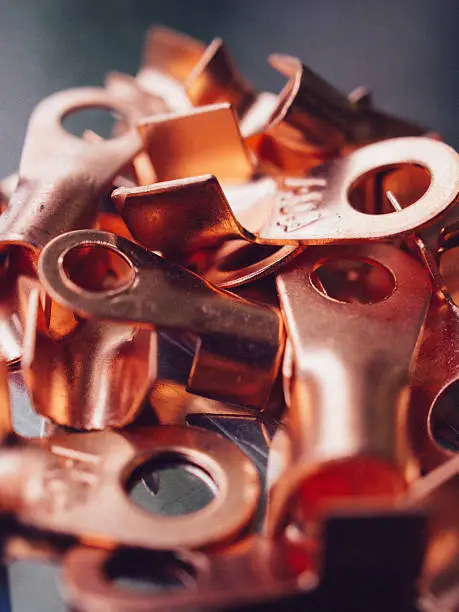
Understanding Copper Crafts Die Casting From Process to Material
What Is Copper Crafts Die Casting?
Copper crafts die casting is a way to make decorative pieces with accurate measurements and a smooth finish that is based on pressure. Brass and bronze are better for die-cast crafts because they are easier to shape and finish. Copper is a good conductor of electricity. Cabinet hardware, handles, badges, ornaments, logos, lighting details, fittings, and OEM craft parts are some of the things they make all the time. Things need to stay the same for B2B buyers. Tooling that can be used more than once keeps the same shape, look, and assembly fit for thousands of parts used in furniture, hospitality, retail, architectural, and branded product programs. People who buy cars, machines, and electronics can all use nameplates, knobs, and small covers in the same way.
How the Copper Craft Die Casting Process Works
Before I start a job, I look over the samples, drawings, CAD files, finish requirements, and needs for how it will work. After that, engineers make small changes to the partition lines, gates, vents, ejectors, draft angles, and wall thickness. The team finally makes a steel die that can be used over and over. During the making process, the chosen copper alloy melts, moves into the hole under controlled pressure, and cools down. Once the part is out of the machine, workers cut, deburr, machine, polish, plate, coat, or antique it, as shown in the picture. Once the first item is approved, it is measured, inspected, the material is checked, and it is cleared again. The outcome is saved in a group of records. Fudebao Technology can heat, cast, finish, and treat the surface with accuracy of up to ±0.05mm in its machining. This means that one team can work on a part from the beginning to the end.
Choosing the Best Copper Alloy for Die Cast Crafts
It's not enough to just match the color to choose a metal. It is important for them to think about how easy it is to cast, how strong it is, how well it conducts electricity, how well it works with plating, and where it will be used. Most of the time, brass and bronze fill dies better than pure copper. They also polish more easily and give more uniform decorative results. On the other hand, types that are high in copper are better for hot or electrical parts. Cold-chamber machines are used most of the time because pure copper melts at around 1,085°C and copper alloys also heat up quickly. Die casts made of copper alloy must meet ASTM B176. In other words, it can be used by both buyers and sellers. Good manufacturers pick materials based on how the part is designed, how many are made each year, how they are finished, what the government needs, and what the parts will be used for in the end.
Why Die Casting Suits Bulk Decorative Orders
Copper Crafts Die Casting Compared With Alternative Methods
You can save the most money by die casting decorative parts over and over again that need to be made in large quantities and with fine details. It evens out the sizes, makes the surfaces smoother, and works faster than sand casting. Still, investment casting can be better for parts that are hard to make in small quantities. CNC machining lets you design prototypes with a lot of freedom and gives you tight control over features. However, it costs more, takes longer, and wastes more material. Copper alloys are heavy (about 8 to 9 g/cm³), so waste is important. The main body of many projects is die-cast, and then important holes or threads are machined in. Fudebao Technology runs CNC lathes, high-speed machining centers, and die casting machines, so this route stays inside the same building.
Advantages of Die Casting for Bulk Orders
When you use Copper Crafts Die Casting, you get consistent product quality, faster production, design freedom, and a lot of finishing options. The sizes and shapes stay the same when the same dies are used for more than one production run. Copper Crafts Die Casting can be used for standard assembly and to make sure that all lines of retail and OEM products are the same. An automated or semi-automated process can also cut down on the number of people needed to do the work and the cost per piece once the tools have been tested and approved. Another good thing about Copper Crafts Die Casting is that it can make logos, ribs, mounting points, and designs that are set back from the surface of the casting. This means there is less work to be done and it is easier to put together. As of 2008, the U.S. Environmental Protection Agency (EPA) said that some copper alloys were antimicrobial. This opened up new ways for restaurants and public places with copper hardware to make money. This change is very important for businesses that want to use Copper Crafts Die Casting to make gear that is both pretty and useful. People who buy or make things should always check the alloy, the product's registration, and any tests that have been done on it before making antimicrobial claims in marketing materials. Copper Crafts Die Casting can be a good way to make copper items that last, are consistent, and look good, as long as the right tools, materials, and quality control are used.
Finishing Options That Support Product Differentiation
Finish tells you how something looks and how long it will last. Plating gives things color and keeps them from rusting. Antiquing darkens cracks to show off the relief. Brushing creates a satin grain. And clear coats slow down the tarnishing process. Remember how the finish will be used when you pick it out. Hand touch, humidity, cleaning chemicals, and the tastes of the people you want to sell to all play a part. Before making a lot of them, I think you should approve a control sample that is already finished. Every shipment after this one will be based on this sample. Too many holes in the surface can also affect plating, so it's important to pay early attention to casting parameters, mold maintenance, and venting. Inspectors can't argue while the work is being done if there is a written cosmetic standard that lists the different kinds of flaws.
Cost, MOQ, and Lead-Time Planning
Understanding the Total Cost Structure
The cost as a whole is more than just the unit price. Tools, the weight of the alloy, the form of the part, the number of holes, machining, finishing, checking, packing, and shipping are all part of it. When you make a lot of copper metal, even a small change that takes away a few grams can change how much they cost. The one-time cost of the mold should be kept separate from the ongoing unit price. Also, ask the quote to include details about who owns the tools, how to keep them in good shape, how long they should last, and how they can be changed. It's a direct question about the plans for die life and maintenance. The heat puts more stress on dies for copper alloys than on dies for zinc or aluminum.
How MOQ Is Set
Setting the MOQ depends on how long it takes to set up, buy materials, finish a batch, and how long it takes for tools to wear out. It costs money to set up the machine and get the melt ready for a die casting run. Very small runs spread those fixed costs out over a lot of parts. For many programs, pilot orders are possible, but they generally cost more per unit than big orders. Also, finishing and plating lines work best when they work together. If you don't know how much demand there will be, give a guess along with when the game will come out. The supplier will then be able to help you pick a pilot amount, a cavity count, and a schedule for making more that works for you. You can make sure the garment fits and looks good before committing to a bigger size by starting small.
Building a Realistic Lead-Time Plan
There's more to a realistic plan than just time for casting. It takes time to look over the design, make the mold, get approval for the prototype, begin production, finish it, check it, and pack it up to send abroad. Final approvals need more than one go around. It's better to get the drawings out early than late. Going faster late costs more days. This is because making the dies sets the important path. You should ask your suppliers for a milestone plan that shows when you need to get feedback on the design, send in samples, get approval for the first item, and ship it. If you are a buyer in the US, you should include shipping by sea or air and clearing customs in your plan. Planners can better plan when to start selling new items, when to reset stores for the season, and when to start putting together parts for the assembly line when they have a written schedule.
Selecting a Manufacturer and Managing Project Risk
How to Choose a Copper Crafts Die Casting Manufacturer
When picking a supplier, you should think about things like quality, price, export, and technical issues. Make sure the person has experience with copper alloys, decorative parts, tools, finishing, machining, and inspection. Check the equipment's capacity against the size, weight, tolerances, and annual volume of the parts, and find out which processes are done in-house. Ask for material certificates, inspection reports, finish samples, instructions on how to handle defects, and customer references from export or OEM customers. When you compare a Chinese supplier to other options, don't just look at the lowest quote; look at the total landed cost, communication, logistics, tooling support, and supply continuity as well. Zhejiang Fudebao Technology Co., Ltd. specializes in precision machining and casting in aluminum alloy, copper alloy, and stainless steel. They serve people all over the world who need parts for cars, factories, and other machines.
Common Risks and How to Avoid Them
Common risks in Copper Crafts Die Casting include uneven surface finishes, porosity, cracks, flash, incomplete filling, unexpected charges, material misunderstandings, and unclear acceptance criteria. Most of these problems can be avoided through early design reviews, proper alloy selection, controlled casting parameters, regular mold maintenance, and clearly documented inspection procedures. Buyers can also reduce risks in Copper Crafts Die Casting by approving material and finish samples before production begins and specifying critical dimensions, appearance standards, acceptable defect types, sampling levels, and corrective action procedures in writing. For example, a detailed quotation should clearly identify whether machining, plating, packaging, testing, and freight are included or charged separately. This helps prevent unexpected costs and misunderstandings during the manufacturing process. After first-article validation, the tooling, production process, and surface finish should all be inspected to confirm that they meet the agreed specifications. For reliable Copper Crafts Die Casting, mass production should only begin after the initial samples have passed inspection and received buyer approval. Following these procedures helps manufacturers maintain consistent quality, control production costs, and improve the overall reliability of Copper Crafts Die Casting projects.
From Custom Inquiry to Delivered Parts
From question to shipment, there is a clear path. Send drawings, CAD files, samples, target quantities, alloy preferences, finish references, packaging needs, and documentation needs for the final market. The supplier then does a design-for-manufacturing review that looks at the draft, wall thickness, tolerances, parting lines, machining allowances, and the surface's appearance. Tooling, samples, production, finishing, inspection, packaging, and freight are all broken out in the quote. Once the first article is approved, bulk production follows a set inspection plan and a control sample that has also been approved. Then, protective packaging keeps the finish from getting scratched, oxidized, deformed, or damaged while it's being shipped. At each step, this order gives both sides a point of reference.
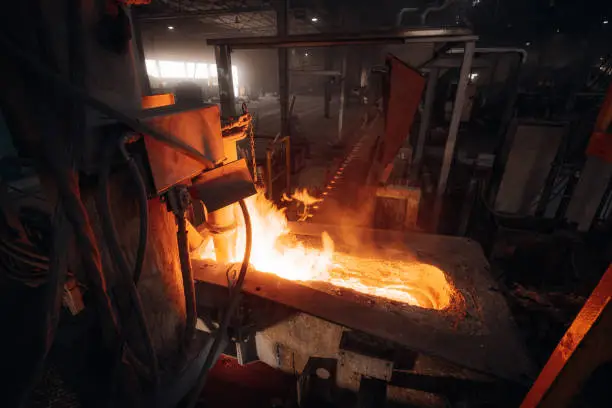
Procurement Strategy for Global B2B Buyers
What Purchasing Teams Should Measure
Treat copper die casting as a complete supply program, not a one-time price comparison. Purchasing teams can score suppliers on tooling, unit cost, quality expense, freight, inventory, lead time, and supply continuity. A structured scorecard makes trade-offs visible: a slightly higher unit cost may cost less overall when it removes rework, air freight, or line stoppages. Review the scorecard at set intervals, such as quarterly, and share results with the supplier so corrections happen early. Ask about capacity planning too, because a stable forecast helps the foundry reserve machine time for your parts.
How Engineers Can Lower Risk
Engineers lower risk by involving the manufacturer before tooling starts. A supplier can flag thin walls, sharp internal corners, or trapped-air areas while changes still cost little. Separate essential tolerances from cosmetic preferences, since tight limits on every dimension raise inspection effort without improving function. Mark fit-critical features, such as mounting holes and threads, for CNC machining, and let the casting handle decorative relief. Fudebao Technology offers machining accuracy up to ±0.05mm, which suits functional features on decorative bodies. Buyers who need documents such as material certificates or inspection reports should state this in the first inquiry.
What Distributors and OEM Clients Should Standardize
Distributors should standardize alloys, finishes, packaging, and replenishment expectations across related SKUs, which simplifies reorders and keeps product lines visually consistent. OEM clients should set first article approval, engineering change control, tooling records, capacity planning, and safety-stock policies. Engineering changes deserve special care, because a revised die can alter the look of every future batch. Keep the control sample and tooling records on file at both ends, so either side can verify a part against the original approval. These practices support predictable costs, dependable delivery, and orderly product growth over several years.
Conclusion
Copper Crafts Die Casting suits decorative parts that need repeatable geometry and surface quality in medium to high volumes. Brass and bronze usually fill dies and finish better than pure copper, and ASTM B176 gives a common specification for copper-alloy die castings. Compared with sand casting, investment casting, and CNC machining, die casting balances accuracy, speed, and unit cost, and combined routes handle critical holes or threads. Tooling, alloy weight, finishing, inspection, and freight shape total cost, while MOQ and lead time depend on setup, batch sizes, and die making. Written acceptance criteria, approved control samples, first article validation, and a supplier scorecard reduce quality and commercial risk across the whole supply program.
FAQ
Why choose brass or bronze instead of pure copper?
Brass and bronze fill dies more easily, polish well, and give more predictable decorative results. Pure copper mainly suits electrical or thermal uses.
When is die casting more economical than investment casting?
At medium to high volumes, reusable dies and fast cycles lower the cost per piece. Low volumes of intricate parts may still favor investment casting.
How can I reduce mold cost?
Simplify geometry, limit undercuts, and share forecast volumes early so the supplier can propose a suitable cavity count.
What should I send for an accurate quotation?
Send drawings or CAD files, annual volume, alloy preference, finish, tolerances, packaging needs, and delivery location.
Request a Custom Copper Crafts Die Casting Quote From Fudebao Technology
Ready to plan your next bulk order? Fudebao Technology works as a Copper Crafts Die Casting supplier with in-house melting, casting, machining, and surface treatment. Send your drawings, target quantities, alloy, and finish needs to hank.shen@fdbcasting.com, and we will reply with manufacturability feedback, MOQ, lead time, and sample options. Visit fdbcasting.com for more company details.
References
1. ASTM B176 – Standard Specification for Copper-Alloy Die Castings, 2017
2. ASM Handbook, Volume 15: Casting, 2008
3. NADCA Product Specification Standards for Die Castings, 2015
4. Manufacturing Engineering and Technology (Kalpakjian and Schmid), 2014
5. Complete Casting Handbook (John Campbell), 2015
6. U.S. EPA News Release: EPA Registers Copper-Containing Alloy Products, 2008



YOU MAY LIKE