Copper Castings vs Machined Copper Parts: Cost Comparison
2026-02-05
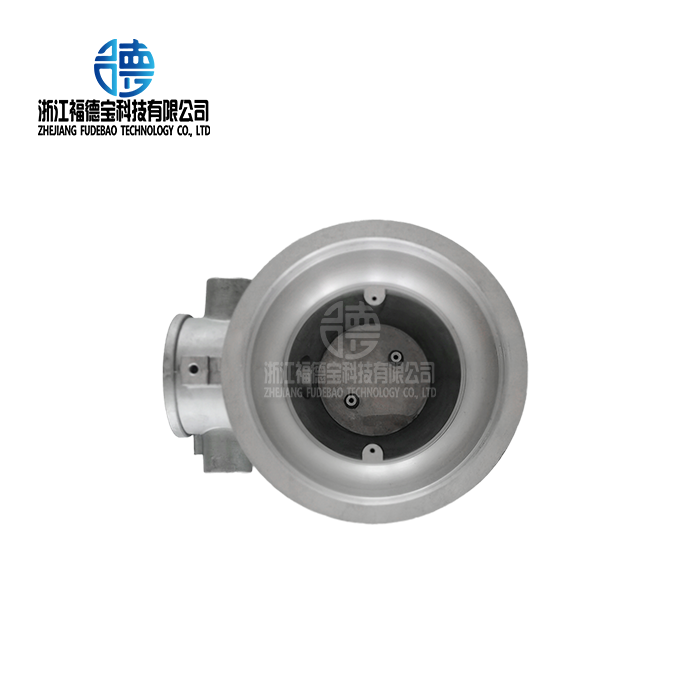
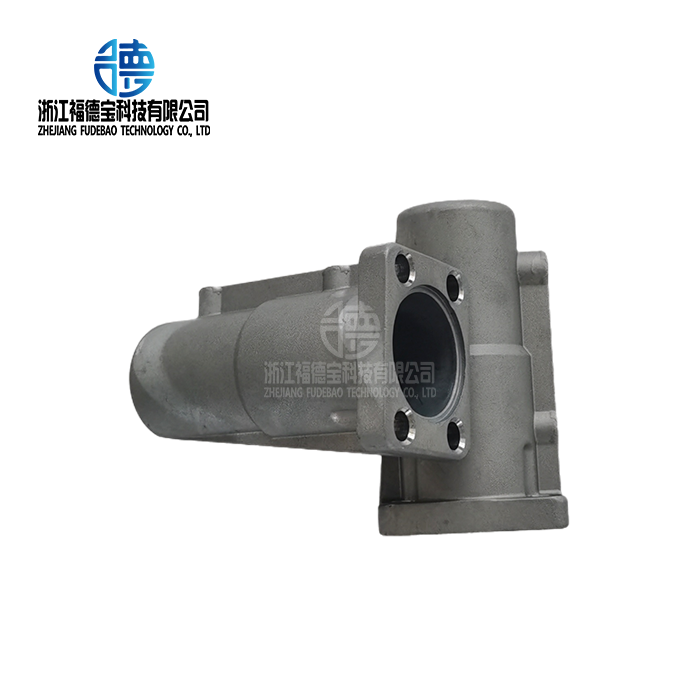
When procurement workers are looking at different ways to make copper parts, they need to know how the costs of copper castings and machined parts compare. Copper castings usually have big cost benefits for medium to large production runs because they waste less material and make the manufacturing process more efficient. With casting, manufacturers can make complex shapes with few extra steps. This means lower unit costs when production volumes are high enough to support the initial investment in tools. Considering how cheap it is, casting is a great choice for electrical parts in cars, motor housings in factories, and power distribution equipment where tolerances for size are okay.

Understanding Copper Castings and Machined Copper Parts
Copper Casting Fundamentals
Using different molding methods, such as sand casting, investment casting, and continuous casting, copper casting processes turn liquid metal into finished parts. Using a foundry makes it possible to work with complicated internal geometries and detailed external features that would be hard or impossible to work with in a normal way. Investment casting gives better surface finishes for precise uses, while sand casting is still the most popular way to make bigger parts.
Pattern making is the first step in the casting process. Next comes preparing the mold and putting the metal into it. Controlling the temperature during solidification changes the structure of the grains and their mechanical properties. This means that the process needs to be carefully watched over during all production stages. Modern foundries use computer-controlled melting systems and automatic pouring equipment to make sure that all of their production batches meet the same high standards of quality.
Casting methods work differently with different copper alloys. For example, bronze and brass compositions are better for some uses than others. The choice of alloy affects the fluidity, shrinkage rates, and final mechanical qualities of the casting. Knowing about these metal-related issues helps engineers choose the right materials for the jobs they're going to do.
Precision Machining Operations
Cutting, drilling, milling, and turning are all subtractive manufacturing methods that remove material to make machined copper parts. CNC machining centers are great for making parts with tight tolerances or exact geometric features because they are very accurate in terms of both size and finish. The machining process starts with solid copper stock or cast blanks, and material is taken away step by step until the final specs are met.
To lower production costs, advanced machining methods keep tools from wearing out too quickly and make the best use of cutting parameters. High-speed machining and cutting tools made specifically for copper alloys raise output while keeping quality levels high. Fixture design and workholding solutions are very important for getting uniform results across all production quantities.
Cost Components Analysis: Copper Castings vs Machined Copper Parts
Material Utilization and Waste Reduction
The cost of raw materials makes up a big part of the total cost of components, so material economy is one of the most important things to think about when choosing a process. Copper castings methods usually get more than 90% of the materials they use recycled, and the runner and gating systems are reused in remelting processes. Casting, which can make shapes that are close to net shapes, wastes less material than methods like machining, which take large amounts of material.
Copper chips and turnings are made during machining processes. These need to be collected, processed, and recycled through specific channels. Even though these materials are still worth a lot, the prices of handling and processing them make them less useful overall. Changes in the price of scrap copper have an effect on the economy of material waste, so market conditions need to be carefully watched during the planning stages of a project.
Here are the main ways that casting techniques save material:
- Used less raw materials because of the ability to make things in a near-net shape
- Recycling devices that recycle both runner materials and production waste
- Cut down on the cost of transportation for moving and getting rid of trash
- Less need for supplies for managing raw material stock
These increases in efficiency directly lead to lower costs that add up to big saves during large production runs.
Labor and Production Scale Considerations
The cost of labor varies a lot between casting and cutting because they require different skills and can produce different amounts of goods. Casting methods usually need specialized foundry knowledge, but multi-cavity molding systems can make more than one part at the same time. As production volumes rise, this ability to do output in parallel lowers the cost of labor per unit.
For complex parts, machining processes usually need skilled CNC operators and longer cycle times. But because cutting is so flexible, prototypes can be made quickly and designs can be changed without having to buy a lot of new tools. Setting up machining processes takes about the same amount of time no matter how many are being made. This means that this method can be used economically for smaller batches.
Production schedule issues have different effects on each method. For casting operations, the melting plans and mold preparation tasks need to be carefully coordinated. On the other hand, machining operations are more flexible and can handle rush orders or changes to the design. These operational factors affect how much something will cost in total and how long it will take to deliver.
Performance and Lifecycle Cost Considerations
Durability and Mechanical Properties
Total cost of ownership estimates are directly affected by how long a component lasts. This makes evaluating durability an important part of buying things. Cast copper parts usually have even grain structures and stress distribution patterns that make them more resistant to fatigue in tough situations. The solidification process makes metallic bonds that are very strong and last a long time in harsh industrial settings.
Cutting processes can leave behind stresses in machined parts, especially in thin-walled sections or parts with complex geometries. But stress relief treatments and careful machining techniques can make these problems less of a problem while still giving you better dimensional accuracy. Often, the choice between casting and cutting is based on the performance needs and working conditions.
Different ways of making things have different requirements for surface treatment, which changes how much the finished part costs and how well it works. For important dimensions or sealing surfaces, cast surfaces may need extra machining, but machined parts usually meet the standards without any extra work.
Maintenance and Replacement Cycles
Long-term operational costs include things like system downtime, repair needs, and replacement intervals. Copper castings parts usually have great resistance to corrosion and thermal stability, which makes them last longer in tough settings. Cast parts are strong, so they don't need to be maintained as often, which saves money on labor costs over the life of the part.
Precision-machined parts have better physical stability and surface finish quality, which may help wear-reduced parts work better together and make the whole system more efficient. These performance benefits can make up for higher initial costs by lowering the need for maintenance and making equipment last longer.

Decision-Making Framework: When to Choose Copper Castings or Machined Parts?
Production Volume Analysis
Volume requirements significantly influence the economic viability of each manufacturing approach. Casting processes typically require substantial initial investments in pattern development and tooling preparation, making them most cost-effective for medium to high-volume applications. The break-even analysis considers tooling amortization across projected production quantities and component complexity factors.
Low-volume production runs often favor machining approaches due to minimal setup requirements and rapid production capability. The absence of specialized tooling costs makes machining economically attractive for prototypes, custom components, and short production runs. However, this advantage diminishes as volume requirements increase and casting economies of scale become significant.
Complexity and Tolerance Requirements
Geometric complexity plays a crucial role in process selection decisions. Casting excels at producing intricate internal passages, complex external contours, and integrated design features that would require multiple machining operations or assembly processes. These capabilities often justify casting selection even for moderate production volumes.
Tight dimensional tolerances typically favor machining operations that can achieve precise specifications directly from CNC programs. While secondary machining of cast components can address tolerance requirements, this approach increases total production costs and delivery times. Understanding tolerance criticality helps guide process selection decisions.
Fudebao Technology: Your Trusted Copper Components Partner
Zhejiang Fudebao Technology Co., Ltd. stands as a benchmark enterprise in the metal casting and precision machining industry, bringing decades of specialized expertise to copper component manufacturing. Our comprehensive capabilities encompass both advanced casting processes and high-precision machining operations, enabling us to deliver optimal solutions for diverse industrial applications. The integration of these complementary technologies allows our engineering teams to recommend the most cost-effective approach for each specific project requirement.
Our manufacturing facility features state-of-the-art equipment including high-speed machining centers, precision CNC lathes, low-pressure casting machines, and die-casting systems that cover the complete production spectrum from melting through finishing operations. This comprehensive infrastructure supports one-stop delivery capabilities from raw materials to finished components with tolerances achieving ±0.05mm accuracy levels. The sophisticated quality management systems ensure consistent performance standards that meet the demanding requirements of automotive precision parts, medical equipment housings, and industrial machinery components.
Here are the core advantages that distinguish our copper component manufacturing capabilities:
- Advanced melting and alloy preparation systems that ensure consistent material properties
- Integrated casting and machining operations that optimize production efficiency and quality control
- Comprehensive surface treatment capabilities including plating, coating, and finishing processes
- Full traceability systems that support quality documentation and certification requirements
These integrated capabilities enable us to deliver comprehensive solutions that address complex project requirements while maintaining competitive cost structures and reliable delivery schedules.
Conclusion
The cost comparison between copper castings and machined copper parts reveals distinct advantages for each manufacturing approach depending on specific project requirements. Casting processes deliver superior material efficiency and cost-effectiveness for medium to high-volume production, while machining operations provide unmatched precision and flexibility for custom applications. Understanding these fundamental differences enables procurement professionals to make informed decisions that optimize both initial investment and long-term operational costs. Successful component sourcing requires careful evaluation of volume requirements, tolerance specifications, geometric complexity, and lifecycle performance expectations to achieve optimal cost-performance balance.
FAQ
What factors most significantly impact cost differences between copper castings and machined parts?
Material utilization efficiency represents the primary cost differentiator, with casting processes achieving over 90% material efficiency compared to machining operations that generate substantial waste. Labor intensity varies significantly, as casting can produce multiple components simultaneously while machining requires individual part processing. Tooling investments differ substantially, with casting requiring upfront pattern and mold costs that machining avoids through direct programming capabilities.
How do dimensional tolerances affect the choice between casting and machining?
Machining operations typically achieve tighter tolerances directly from CNC programming, while casting requires secondary machining for critical dimensions. Standard casting tolerances range from ±0.005" to ±0.030" depending on size and process type, whereas machining can consistently achieve ±0.001" or better. Projects requiring extremely tight tolerances often favor machining or hybrid approaches combining casting for basic shape with machining for critical surfaces.
What volume thresholds determine economic viability for each process?
Break-even analysis varies by component complexity, but casting typically becomes cost-effective at volumes exceeding 100-500 pieces annually. The initial tooling investment for casting requires amortization across sufficient production quantities to offset higher setup costs. Machining remains competitive for volumes below these thresholds due to minimal setup requirements and programming flexibility that accommodates design changes without tooling modifications.
Partner with Fudebao Technology for Your Copper Component Needs
Procurement professionals seeking reliable copper castings supplier partnerships will find comprehensive solutions at Fudebao Technology, where our integrated manufacturing capabilities deliver optimal cost-performance balance for diverse industrial applications. Our experienced engineering team provides personalized consultation services to evaluate project requirements and recommend the most economical production approach based on volume, complexity, and quality specifications. The combination of advanced casting facilities and precision machining centers enables flexible production strategies that adapt to changing market demands.
Contact our technical specialists at hank.shen@fdbcasting.com to discuss your specific copper component requirements and receive detailed cost analysis tailored to your project parameters. Our responsive support team stands ready to provide comprehensive quotations, technical documentation, and sample components that demonstrate our quality capabilities.
References
American Foundry Society. "Cost Analysis Methods for Metal Casting Operations." Foundry Management & Technology, 2023.
Society of Manufacturing Engineers. "Economic Comparison of Casting vs. Machining for Copper Alloy Components." Manufacturing Engineering Journal, 2022.
Copper Development Association. "Material Efficiency and Cost Optimization in Copper Component Manufacturing." Technical Publication, 2023.
International Journal of Advanced Manufacturing Technology. "Lifecycle Cost Analysis for Cast and Machined Metal Components." Volume 127, 2023.
Materials & Design. "Comparative Study of Production Costs for Copper Alloy Manufacturing Processes." Elsevier Publications, 2022.
Journal of Manufacturing Science and Engineering. "Economic Modeling for Metal Component Production Method Selection." ASME Transactions, 2023.



YOU MAY LIKE
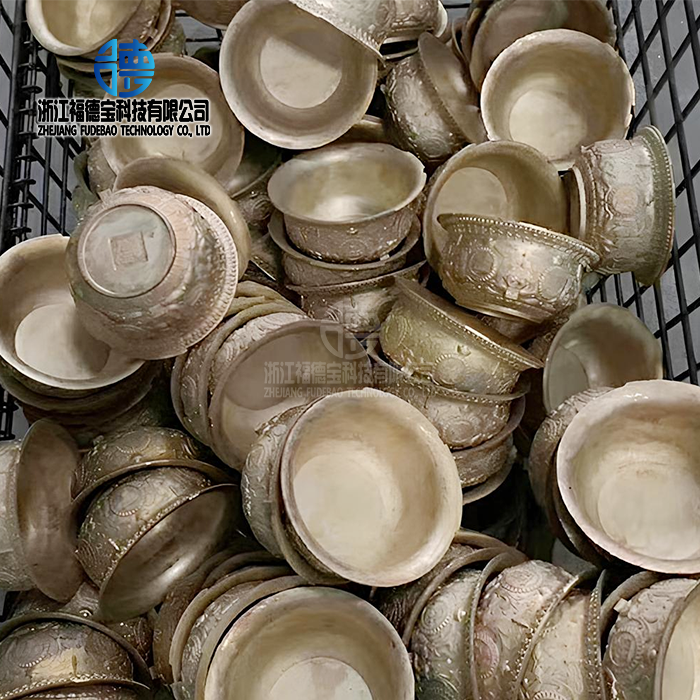
_1756348780785.webp "porting turbo compressor housing")
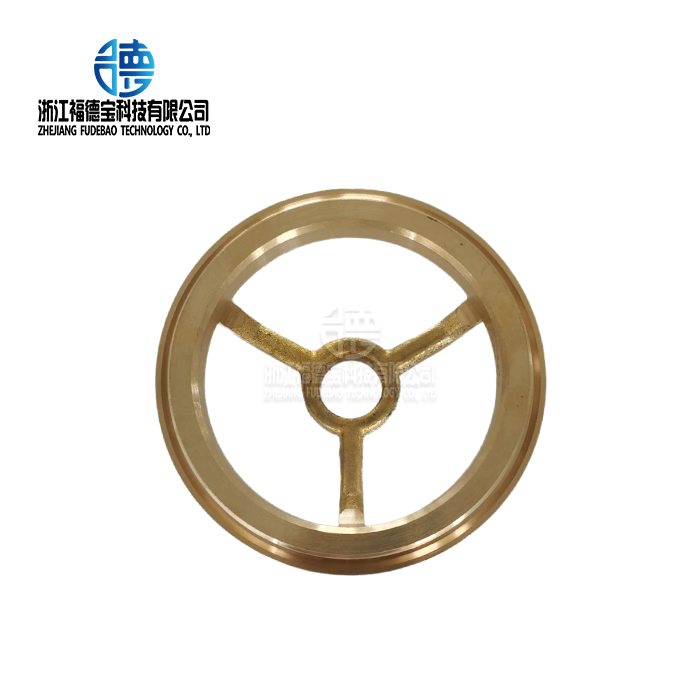
_1756348623524.webp "Turbine compressor housing")
_1756346144394.webp "aluminum die casting hinge")