
Copper Casting Manufacturer for Heavy-Duty Industrial Machinery
2026-11-04
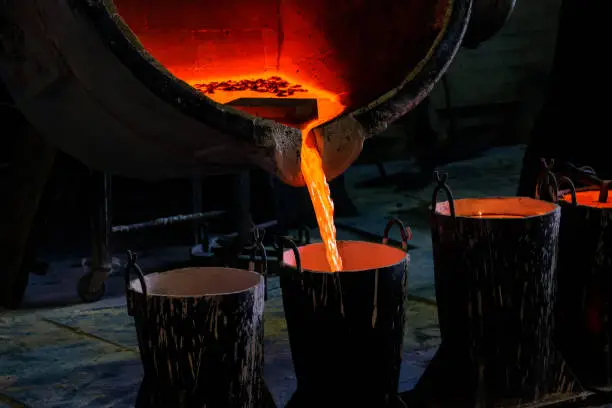
A Copper casting manufacturer for heavy-duty industrial machinery pours molten copper alloys such as brass and bronze into molds, then machines and inspects the parts to match engineering drawings. I recommend choosing a supplier by checking alloy control, casting method fit, machining accuracy, inspection records, and delivery planning. Copper alloys conduct heat and electricity well, resist corrosion, and handle wear, so they suit pumps, valves, gearboxes, heat exchangers, and electrical equipment. This guide explains the process, the selection criteria, and the cost factors I see most often, so you can compare suppliers with confidence and send a complete inquiry.
Why Copper Castings Matter in Heavy-Duty Industrial Machinery
Core Properties That Make Copper Alloys Useful
Copper is different from many other metals in some ways. Usually, the scale should have an IACS electrical conductivity of about 100%. The heat moves through pure copper at a rate of 400 W/m·K. When you put them together, they become less equal. Things made of bronze last longer and hold up better. Bronze and brass are both easy to work with. Bronze is harder and less likely to rust in seawater and chemicals. At about 1,085°C, copper melts. The smelter needs to know how to heat the metal, what tools to use, and how to control the gas. The first thing I do when I get a new part is look at what property drives the design. What is it? What does it matter? Is it conductivity, power, wear life, or resistance to corrosion? Thanks for your answer. It quickly figures out the metal and how the casting will be done.
Typical Applications in Industrial Equipment
Put copper metal casts in places where they will get wet, hot, rub against each other, or be under a lot of pressure. Connectors for electricity, gears, hydraulics, heat transfer, and valve housings and bushings are some parts that are often used as examples. Copper castings are used to make parts that move electricity and get rid of heat in tools for electricity transfer and clean energy. They are used to make spare parts and bearings for cars and other transportation systems. Most of the time, these parts have to work in places that are hot, acidic, or shake all the time, and they have to fit together very well. It doesn't matter what size or shape the part is; a bad nut or valve body can stop a much bigger machine.
How Supplier Choice Affects Reliability and Lifecycle Cost
Which Copper casting manufacturer you choose has a direct link to how well the equipment works. How much something costs over its whole life depends on how consistent the alloy is, how well the casting is made, how well the parts are machined, how well they are delivered, and how well the engineers help. If you put pressure on a casting that has holes inside it, it can leak. Also, a shipment that is late can stop the whole line of building things. They might save money on the unit cost, but they lose that money on fast freight, repairs, and scrap. So, I think you should judge buyers first by how well they handle paperwork and keep track of the process, and then by how much money they offer. After that, we'll see how that works in real life.
Copper Casting Manufacturing Process for Industrial Machinery Parts
From Engineering Review to Shipment
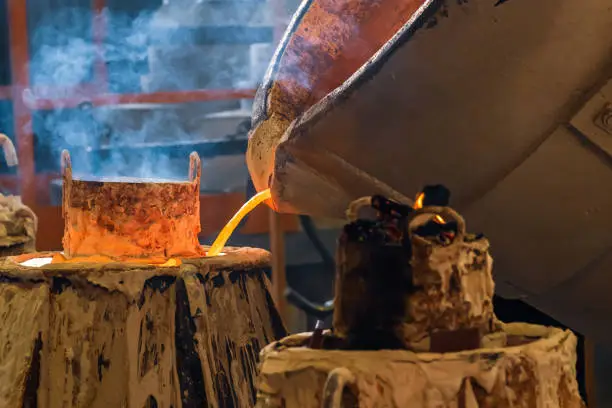
Before any metal melts, there is sound. The foundry looks at the plans and 3D models to find out the cores, the maximum cut size, the wall thickness, and the draft. The next steps are to choose the metal, make the tools, melt it, cast it, cut it, check it, and ship it. Part of material control is being able to keep track of them, check the charge materials, test the makeup, and keep an eye on the temperature. Because copper melts can take in hydrogen, it's best to carefully pour the gas out so that pores don't form. A stress relief, surface cleaning, pressure test, or a non-destructive check may be added to this order depending on the part. Now that the finished parts are safe to ship, they are ready to be put together. This is done by marking them for export and planning how they will be sent.
Sand, Investment, Die, and Gravity Casting Compared
What is the best way to cast something? It depends on its size, shape, alloy, tolerances, surface finish, and how much the tools cost. When you need to make a lot of parts that are big or hard, you can cast them in sand. After being cast in an investment mold, the parts are very complicated and have a shape that looks a lot like a net. For medium to large amounts that need to be made over and over, die casting works well. However, the materials that can be used and how much they cost need to be looked at again. It is possible to use gravity to cast metal into a frame that will stay in place. Parts that people will always need can be made this way. Each seller should explain two ways to do something and rate them on how well they work, how long it takes, and how much the tools cost. That view of the tools next to each other will help you pick the best ones when you're ready to order them.
Copper Alloys, Tolerances, and Quality Standards
For parts that move power, pure copper works well. Bronze, brass, aluminum bronze, and silicon bronze can all be shaped in different ways, but they are not all as strong or weatherproof. It's important to use alloys that don't contain lead because parts that come into contact with potable water can't have more than 0.25% lead on their wet surfaces. Setting the key measurements, datums, and GD&T early on is important. Keep the tolerances for casting separate from the tolerances for cutting and putting the parts together. Quality papers include ISO 9001 certifications, material certificates, dimensional reports, non-destructive tests, and reviews of the first product. With the help of models, process control, regular tool maintenance, and a final check, you can avoid porosity, shrinking, inclusions, cracks, and warping. You need to make a good choice if you look at ASTM B584, which lists the parts and qualities for copper alloy.
How to Choose a Copper Casting Manufacturer for Industrial Machinery
Start With a Complete Technical Brief
Write down everything you need to know about the job, including the tests, the plans, the metal, the numbers, the limits, the work that needs to be done, the packing, and the shipping. If you tell providers everything they need to know, they can quickly give you a quote for the best method. You won't have to keep going back and forth about things that aren't clear. It's better to be clear about what you want the alloy to do, like what the highest temperature, pressure, or conductivity should be, and let the professionals make decisions. What the foundry can tell you is more accurate if you send them specifics about the part that fits and how you plan to inspect it. The foundry can see both the datum strategy and the machining allowance at the same time.
Evaluate Capability, Experience, and True Cost
The next thing to look at is the gear, CNC machining, finishing, support for prototypes, and production capacity. Check to see if they can melt too. Someone is really skilled if they have worked with pumps, valves, electrical parts, heat exchangers, or big tools like these before. Don't just look at the unit price when you get quotes. Tests, freight, taxes, scrap, lead-time risk, and tools are some of the things that you should think about. US buyers who buy goods from all over the world also care about knowing how to export, communicating well, and having a lot of paperwork. Ask the supplier how they handle changes to the engineering and look at some inspection reports. The answer keys show how the plant usually works.
Why an Integrated Partner Helps
One partner is in charge of the casting, making the tools, machining, finishing, testing, and shipping. This makes the process run more smoothly. Now everyone can talk to each other better. What Zhejiang Fudebao Technology Co., Ltd. does to make things is mostly machine and cast things out of stainless steel, copper alloy, and aluminum alloy. Companies that make cars, industrial equipment, machinery, and parts for boats and planes are among its clients. This is where we make things. CNC lathes, high-speed machining centers, low pressure casting machines, and die casting machines are some of the things that it has. This kind of machinery can heat, cast, finish, and do other things with the surface. Our machines can cut with an accuracy of ±0.05mm, and we can send your order from where it starts to where it ends. Find out who owns the tools, how the materials will be inspected, how they will be packaged, how to make a claim, and when the order will be made before you place it as a Copper casting manufacturer.
Matching Copper Casting Solutions to Applications and Production Volumes
Matching Alloy and Design to Function
Each app can choose what's most important to it. Parts that work with power and energy need to be able to make bonds, move electricity, and get rid of heat. Things must also be checked. Parts of pumps and valves need to be able to handle pressure and not rust. They also need to have smooth surfaces for closing and, if necessary, leaks need to be checked. Some parts of a heat exchanger depend on being able to move heat, keep the wall thickness in check, let fluids flow inside, and keep the walls from leaking. Plates, guides, gears, and bushings are all made of iron and bronze. There are different types of parts that have different lengths of time that they can last. With programs for cars and specialized tools, you can do the same thing over and over and keep track of it. For big redesigns that cost a lot of money, these needs must be matched with the alloy and method during the quote stage.
Prototypes and Low-Volume Orders
Before a lot of money is spent on tools, a design-for-manufacturing review is done early on to check the fit, function, wall thickness, range of cutting, and choice of metal. This method of casting in small amounts can be used for spare parts, pilot programs, replacement parts, and OEM equipment that is unique to the business. At first, it's safer to use temporary or bendable tools, which is helpful because the outline might change. People who want to buy something should try out examples to see how well the seller can explain things and how well the part works. Watch how quickly the experts answer your questions, how accurate their measurements are, and whether they let you know about any risks with the design before the pour.
Moving to High-Volume Production
It's helpful to have stable tools, process controls, automatic review, sample plans, and the ability to keep track of batches for programs that have been working for a while. There are clear due dates for design review, production of the first item, proof, process changes, and production release. If these dates are met, quality stays the same during scale-up. Both the die casting or low pressure casting machine and the machining center can finish the job in the same building. Both of them can make the same thing over and over again. Tell the seller early on what you think the demand will be so they can plan for capacity, tool life, and buying materials. Then, reviewing performance often and controlling changes make sure that there will always be enough key parts in the long run.
Copper Casting Cost, Lead Time, and Global Procurement
What Drives Cost
A Copper casting manufacturer determines its pricing based on several factors, including raw material costs, component weight, casting yield, manufacturing methods, tooling complexity, core requirements, machining, surface finishing, inspection, order volume, packaging, and shipping. Since copper alloy prices fluctuate with the market prices of other metals, quotations from a Copper casting manufacturer are generally valid for a limited period. Low-volume production usually involves higher unit costs because tooling, setup, and production expenses are distributed across fewer components. However, investing more in tooling can help reduce unit costs across multiple planned production runs. Heavy components and larger machining allowances also require more raw materials and additional processing time, increasing the overall manufacturing cost. When comparing quotations, buyers should ask each Copper casting manufacturer to provide a detailed cost breakdown covering tooling, unit prices, inspection, and transportation. This makes it easier to identify pricing differences between suppliers and evaluate potential cost-saving opportunities. An experienced Copper casting manufacturer should also explain how adjustments to material selection, casting design, machining requirements, or order quantities could improve production efficiency without compromising product quality. Working with the right Copper casting manufacturer helps buyers balance manufacturing costs, product performance, and long-term procurement value.
Breaking Down Lead Time
Engineers have to look it over, tools have to be made, models have to be made, approval has to be gotten, the product has to be made, finished, and sent to another country. Ask for dates for each step instead of a full amount because anything can go wrong at any time. Give full drawings, get design approvals quickly, use standard materials, set inspection dates early, and talk about what you think the demand will be. This will make the schedule more reliable. For sample approval, they have to wait a long time. Having a clear process for acceptance can save them days of time.
Preparing an Accurate Quotation Request
Tech and shipping information must be given at the same time for prices to be right. Include information about the alloy or performance you need, how much you need, how much you expect to buy, the work that needs to be done, any tolerances or surface finishes, inspection standards, where you want the goods delivered to, and when you want them to arrive. Make sure the files are in 2D or 3D. As a professional response, you should suggest a casting method, check the material to make sure it's right, let DFM know, list the lead times for samples and tools, and break down the costs of quality, capacity, packaging, and shipping. Write down the things that are still open if your picture isn't done and send the ones you already have. Before they make the tools, they can look it over and mark any risks.
Conclusion
Copper alloy castings are widely used in heavy-duty industrial equipment because of their excellent electrical conductivity, corrosion resistance, and wear resistance. A professional Copper casting manufacturer should provide comprehensive support throughout the entire production process, from reviewing initial drawings and selecting suitable alloys to manufacturing, quality inspection, and final delivery. For components used in electrical equipment, pumps, and valves, product reliability depends on material selection, casting processes, dimensional specifications, and documented inspection results. When evaluating a Copper casting manufacturer, buyers should prepare a detailed technical brief covering all essential product requirements and compare suppliers based on total ownership costs rather than unit prices alone. It is equally important to verify that the selected copper alloy meets the actual operating conditions and application requirements. An experienced Copper casting manufacturer should establish clear approval milestones, support prototype development, and conduct the necessary testing before moving into stable mass production. Providing stage-by-stage production lead times also helps buyers coordinate procurement schedules and reduce the risk of delivery delays. Ultimately, choosing the right Copper casting manufacturer should be based primarily on technical capabilities, manufacturing consistency, and quality assurance, with pricing serving as an important factor in the final decision. A reliable Copper casting manufacturer can help buyers achieve better product performance, predictable production schedules, and long-term supply chain stability.
FAQ
Can one supplier handle both casting and CNC machining?
Yes. It is possible for a combination plant to cast and machine items at the same time. This lets you control the sizes better and cuts down on the number of handoffs. This is because Fudebao Technology uses casting tools, machining centers, and CNC lathes.
How do sand, investment, die, and gravity casting differ?
It's best to use die casting for parts that need to be made over and over again. Sand casting is better for parts that last a long time and are always in demand. Investment casting is best for parts that need to have small details.
Which documents should I request?
If you need to, you can ask for proof of materials, records of measurements, a first look at the product, and the outcomes of any non-destructive tests that were done. Check to see if the seller has an ISO 9001 certificate.
Can a supplier support both low and high volumes?
When a service provider is flexible, they use temporary tools to make samples and spare parts until the plan is accepted. As soon as the plan is accepted, the fixed tools are used for regular production.
Contact Fudebao Technology, Your Copper Casting Manufacturer for Heavy-Duty Machinery
You can complete all of your work at Fudebao Technology, a Copper casting manufacturer and supplier. They can cast and machine your parts pretty much to the exact 0.05 mm. Email hank.shen@fdbcasting.com with your metal, numbers, limits, and shipping address, and our experts will look over the information. Before the tooling starts, we tell you about a possible method and how we think the design works. Find out more about what we can do at fdbcasting.com.
References
1. ASM Handbook, Volume 15: Casting, ASM International, 2008
2. Copper and Copper Alloys, ASM International, 2001
3. Complete Casting Handbook: Metal Casting Processes, Metallurgy, Techniques and Design, Butterworth-Heinemann, 2015
4. ASTM B584, Standard Specification for Copper Alloy Sand Castings for General Applications, ASTM International, 2014
5. ISO 9001, Quality Management Systems: Requirements, International Organization for Standardization, 2015
6. Manufacturing Engineering and Technology, Pearson, 2014



YOU MAY LIKE