
How to Source Copper Castings for Industrial Pump Manufacturing
2026-11-04
To source copper castings for industrial pump manufacturing, start with a clear part specification. Match the copper alloy to the fluid and operating conditions, and choose the casting process that fits your volume and geometry. Then work with a qualified copper casting source factory that shows process control, inspection records, and machining capability in one place. Verify samples before you release production, and compare suppliers by total landed cost rather than unit price alone. This guide walks through each step, from defining requirements to managing delivery, so engineering, quality, and purchasing teams can decide with confidence.
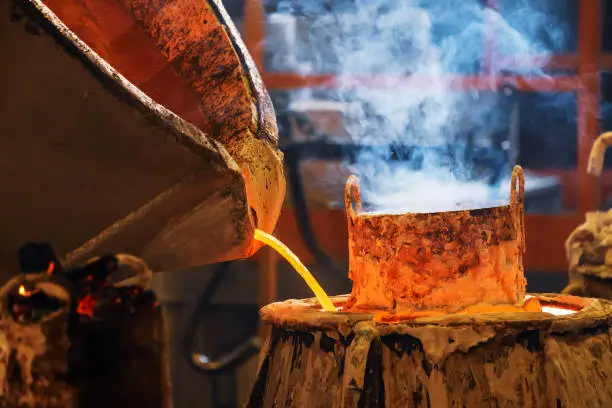
Copper alloys appear in pump casings, impellers, wear rings, and bushings because they resist corrosion, handle wear, and seal well. I wrote this guide from a manufacturing viewpoint at Fudebao Technology, where we cast and machine metal parts for industrial equipment buyers.
Start With the Pump Application and Material Choice
Define the Part and Its Operating Conditions
This part is the first thing that all sourcing projects do. People are asked to name the part before they buy it. It could be the case, the impeller, the wear ring, the bushing, the connector, or the part that controls the temperature. Then, write down the chemistry of the fluid, as well as its pressure, temperature, flow rate, spinning speed, and any damage or cavitation it has been through. Allowances for cutting, surface finishes, yearly amounts, and the number of boxes that need to be shipped should all be written down. Mark the parts that need to be put together, balanced, closed, and lined up so that you can control them. When the factory has a full package, they can give a correct price and quickly find any issues, so they don't have to change their plans once the tooling has begun. Sometimes quotes come at different times, and drafts need to be changed later because they're not quite done.
Match the Copper Alloy to the Fluid
Metal should be chosen based on what it will be used for, not on a well-known brand name. Brass is used to make parts that aren't too heavy and can be cut. But hard water can make some types of brass lose its zinc. Bearings and bushings are often made from tin bronze or bronze that has had lead added to it. In salt water, aluminum bronze metals don't rust or bubble, so they can be used. Quartz bronze is another choice if you want something that won't rust and can be cast well. Because they affect each other, you should look at strength, conductance, warmth, and how easy it is to work with all at the same time. Find out how much lead is in the drinking water pumps by looking at the NSF/ANSI 61 guidelines. Check to see if the grade meets those set by the project, ASTM, EN, DIN, or ISO. Find out the heat numbers and chemicals for each batch.
Choose a Casting Process for Your Geometry and Volume
It changes the shapes that can be made, how much the tools cost, how accurate they are, and how good the surface is. It is possible to make things out of sand, even if they are small to medium-sized pieces or big pump bodies with complicated tubes inside them. The best parts to cast are small, detailed ones that don't need a lot of stock to machine. Weight casting and die casting help designs stay stable and make more of certain metal parts. Wear rings, sleeves, bushings, and liners are all dense cylindrical parts that are made by centrifugal casting. The metal is hit by a lot of G-forces from the spinning mold, which makes the parts dense. Change the process based on the type, the range, the need every year, and the stage of the lifecycle. Also, find out if the same company can make a lot of samples.
Compare Suppliers and Judge Factory Capability
How a Copper Casting Source Factory Differs From Other Suppliers
When you have a direct plant, you can talk to the engineers who plan the gates, check the tools, and run the output. You can get regular stock quickly when you work with wholesalers. Traders can help you get into markets, but the details of how that works may change hands a few times before they get to you. Being able to talk to someone directly saves you time and lets you know who is in charge of each step of checking custom OEM parts. Moving goods to another country can save you money and help you make more, but you should still check the total value, which includes freight, taxes, inspection, and repair time. Share process records and product plans with your team to get a better idea of what the Copper casting source factory is doing. It's not enough to just quote something.
Check Equipment, Tooling, and Engineering Support
Check out what the source can make right now as well as what's in the book. Keep an eye on the process and learn how to make patterns and cores, design gates and risers, melt and cast metal. Find out the largest size that can be cast and how much it can hold. Things are easier to handle when milling, drilling, turning, and CNC turning are done in-house. Plus, this makes sure that the datums of both the casting and the finished part are the same. You should be able to get help with test runs, prototypes, first articles, design-for-manufacturing reviews, and orders that are placed more than once. You should ask for samples of projects that used items like bearings, fluid control, pumps, valves, impellers, and so on. Claims made in general don't tell you as much as facts that are similar. Emails take longer to answer than short video calls from the shop floor most of the time.
What Fudebao Technology Offers Pump Buyers
The best company in Zhejiang Fudebao Technology Co., Ltd. is the one that cuts and casts aluminum, copper, and stainless steel. Most buyers want to know three things:
- Process coverage: With our studio, you can bring a project from a blank to a final part all in one place. We melt, cast, finish, and treat the surface of parts. Work isn't sent back and forth between providers as often when it can be done all in one place. Also, the same expert team keeps track of questions from the first review to shipping, which speeds up the process of making changes.
- Machining equipment: We have CNC lathes, high-speed machining centers, low-pressure casting machines, and die casting machines as our machines. With this tool, we can make precise cast metal connections, housings, and other parts. After casting, we can also make important bores and faces. This keeps the key datums from getting messed up when we send parts to another shop.
- Machining accuracy: Our precision in machining is ±0.05 mm, which makes it perfect for making exact parts for medical equipment housings, car parts, and equipment shells. We look over all of the drawings, make sure we know which parts need to be machined, and talk to your quality team about the best places to check the work before we give you a price.
Because of these points, companies who do casting, cutting, and finishing are less likely to have to split the work.
Control Quality, Tolerances, and Documentation
Verify Quality Control Procedures
A good quality system controls the raw materials, the melting process, the identification of the alloy, the furnace conditions, contamination, the casting parameters, the machining, and the final inspection. It is best to ask the company that made it how they avoid holes, shrinking, flaws, cracks, cold shuts, and warping. If you want solidification to go in the right direction, you need to degass, deoxidize, and gate in the right way. Hydrogen gas can make holes in copper alloys. Find out if the plant writes down what happens or if they use casting modeling to guess what might go wrong. Make sure that the ISO 9001 certificates fit the site and scope of the plant that is making your parts. Steps are named, records are shown, and there are clear plans for what to do if the answer isn't in the right range.
Match Inspection Methods to Component Risk
A reliable copper casting source factory should match its inspection procedures to the risk level and functional requirements of each component. Important inspection items include dimensional accuracy, mechanical strength, and surface finish. For pump housings, pressure and leak tests can help verify fluid containment and structural integrity. More demanding components may require ultrasonic testing, X-ray inspection, or dye penetrant testing to identify internal and surface defects that could affect long-term performance. Rotating components, such as impellers, should also undergo appropriate balance testing. When working with a copper casting source factory, buyers should agree on the required quality documentation before production begins, including material certificates, chemical composition test results, inspection reports, NDT records, certificates of conformity, and batch traceability records. To ensure consistent quality control, every inspection method should be linked to a specific drawing feature, dimensional requirement, or production lot size. A professional copper casting source factory should also establish a clear sampling plan and provide the necessary inspection data to support the buyer's quality assurance team. These requirements should be documented in the purchase contract to avoid misunderstandings, reduce quality risks, and ensure that the finished castings meet the agreed specifications. Choosing an experienced copper casting source factory with transparent inspection procedures helps buyers maintain reliable product quality throughout mass production.
Set Tolerances, Machining Allowances, and Surface Finish
Write down what you need for both fully formed and cast parts. Set the accuracy for the best results in the bores, shaft alignment, impeller concentricity, wear ring gaps, flange faces, sealing surfaces, threads, and mounting holes during the last CNC cut. They can be anywhere from 1.5 mm to 6 mm, depending on the process and size. When the pattern is made, these are the limits that are set. Connect the surface finish to what it does, just like you would with hydraulic tubes, bearings, and seals. Before you order a lot of something, make sure you like the first one. This will help you make sure it looks good and works well. Part of this is the metal, the fit, the finish, and the reason for it.
Build a Supplier Selection and Procurement Process
Score Suppliers With a Weighted Matrix
If there was no review, price would be the main thing people would choose. Write down on the list things like ability to work with copper alloys, projects involving pumps, tools, machining, quality systems, inspection, capacity, cost, lead time, and the ability to export. After that, rate each one's risk. Check out the signs, like the ISO 9001 site and scope. Ask each business to give you a price on the same tech package. This should include tools, samples, casting, cutting, testing, shipping, packing, and more. How suppliers answer will show how advanced their engineering is and if they see any risks that you didn't mention that could make it hard to make the product. For the results to stay the same, grade each answer on the same day.
Manage the Process From RFQ to Delivery
To begin, make a full RFQ that includes models, plans, material grades, changes, amounts, test standards, packing, location, and the Incoterms you want to use. Very often, there is a technical review and quote first. Next, the tools are made, samples are made, approval is asked for the first item, trial production, process validation, mass production, final inspection, and shipping happen. Get an idea of how long each step will take so you can avoid being late. Ask the seller what they do when samples are turned down, they don't have enough materials, things break quickly, or they don't have enough on hand. When you ship things internationally, you need to make sure you have the right export paperwork, ways to keep the goods dry, and wooden boxes that follow the rules. For people moving from the US, they should also talk to their broker about fees and taxes.
Avoid Common Sourcing Mistakes
Getting things doesn't usually go wrong because of the casting process itself; most of the time, it's because of missing details, quotes that are too low, or weak validation. The cheapest unit price might not include things like testing, packing, freight, changes to the tools, or extra work. If you change the metal without getting permission from an expert, it could make the parts less resistant to corrosion, cut their life short, or make them less strong. If you only look at the sizes, you might miss problems like flaws, leaks, holes inside, or damage from cavitation. It's smart to write down who is in charge of changes, tools, changes, fixing things that break, and edits. Choose providers who have worked with pumps or fluids before. They will know what to look for in the drawings, which will help them ask better questions.
Choose a Dependable Copper Casting Source Factory
Why Direct Sourcing Improves Procurement Results
Working directly with an experienced copper casting source factory helps buyers connect product requirements with practical manufacturing solutions. Engineers can communicate directly with the production team about material selection, gating systems, risers, machining allowances, inspection points, and defect prevention without relying on third-party intermediaries. Choosing a knowledgeable copper casting source factory also provides better visibility into tooling progress, production schedules, manufacturing quality, and corrective actions when problems arise. This cooperation model is particularly valuable for OEM projects that require prototype development, design modifications, repeat orders, integrated machining, or export support. A reliable copper casting source factory should respond promptly to technical questions, communicate potential production issues at an early stage, and follow through on agreed delivery and quality commitments. Rather than simply accepting orders, experienced manufacturers should work closely with customers to improve product designs and manufacturing efficiency. Fudebao Technology takes a comprehensive approach to understanding project requirements before addressing technical questions, helping customers establish more effective communication and cooperation throughout the casting process. Selecting the right copper casting source factory can therefore make a significant difference in product consistency, project coordination, and long-term OEM cooperation.
Use a Practical Supplier Checklist
Make sure the plant can make your metal in the right size, shape, range, and amount every year before you hire them as a source. Check out the company's inspections, tests, licenses, ability to be watched, corrective actions, tooling, pattern making, CNC machining, and how it packages its goods. You should also look at how much it charges, what kind of guarantee it offers, and how long the wait time is. Write down who has the tools and how to change them. In order to be fair, the one-page checklist that engineers, quality managers, and buyers all use to rate sellers is the same. Before the first order is put in, this makes sure that everyone knows what to do. Write down the date and the name of the person who answered the question when you get it. If the service isn't sure, it's a risk. After that, you can pick whether an audit or a sample will stop the loop.
Add Safeguards for Critical Programs
It's important to protect programs that are open to everyone or are important. That way, you can be sure that the plant can make what you need before it starts making a lot of it. You can go to the areas for melting control, machining, and inspection in person or from afar during a plant check. Each package lot goes through an extra check after a third-party review. Real-life pilot sales are a safe way to test things like customer service, wait time, and packing. This step-by-step process is often used by people who want to buy cars, gas, or machines. This is because each step makes notes that help the internal files for approval. The cheapest option shouldn't be the only one you think about. You should also think about technical risk, quality standards, lifetime cost, timeliness, and how well the shipping works.
Conclusion
Selecting a reliable copper casting source factory for industrial pump components requires following a structured evaluation process. Buyers should start by defining the applicable industry standards, choosing a copper alloy with suitable fluid compatibility and wear resistance, and selecting a casting process that matches the component's geometry and production volume. When evaluating a copper casting source factory, communicate directly with the manufacturer and inspect its tooling, production equipment, quality control procedures, and technical documentation to understand its actual manufacturing capabilities. A comprehensive RFQ, clearly defined tolerances, first-article approval, weighted supplier evaluation criteria, and documented engineering change control can help control costs and prevent repeated production work. Before committing to mass production, a qualified copper casting source factory should also support sample inspections, trial orders, and factory audits to verify product consistency and manufacturing reliability. By assessing overall value rather than focusing solely on unit price, buyers can identify a dependable copper casting source factory capable of delivering pump components with accurate dimensions, reliable sealing performance, and long-term durability. Choosing the right copper casting source factory ultimately helps reduce procurement risks and establish a more stable supply chain for industrial pump applications.
FAQ
What is the difference between a trade business and a source plant?
Engineers can then talk about tools, process, and checking without having to go to the source plant. When a trade company asks other plants to do things, it can be hard to tell how things are going.
How do I pick the right copper mix?
Choose one based on the type of fluid, the temperature, the speed, the wear, and the need for strength. Then, make sure the grade meets the needs by comparing it to project or ASTM standards. Check the water you drink for NSF/ANSI 61 and lead levels.
Can the factory machine castings too?
Yes. Fudebao Technology can cast things and do CNC machining that is very accurate—within 0.05 mm of the true scale. This means that things that are already made can come from one place.
Which documents should I request?
Inspection reports, NDT results (if needed), and certificates of the materials should all be kept. They should also show how the materials were made. Include a first-piece report for sales that come from outside the US.
How do I reduce risk on overseas orders?
Make sure the contract spells out who is responsible for what and how the goods will be packed. Send a full RFQ, check out the seller, accept the first item, set up an inspection, and place a test order.
Request a Copper Casting Manufacturing Review With Fudebao Technology
Fudebao Technology is happy to have a professional look over your plans, CAD files, metal needs, working conditions, yearly amounts, and machining needs. As a Copper casting source factory, we check to see if the item can be made, offer a casting process, tell you about any limit risks, and give you a clear price for both small and large loads. To begin, visit fdbcasting.com or send an email to hank.shen@fdbcasting.com.
References
1. ASM Handbook, Volume 15: Casting, ASM International, 2008
2. ASTM B584 Standard Specification for Copper Alloy Sand Castings for General Applications, ASTM International, 2014
3. ASTM B61 Standard Specification for Steam or Valve Bronze Castings, ASTM International, 2015
4. NSF/ANSI/CAN 61: Drinking Water System Components – Health Effects, NSF International, 2022
5. ISO 9001: Quality Management Systems – Requirements, International Organization for Standardization, 2015
6. Casting Design and Performance, ASM International, 2009



YOU MAY LIKE