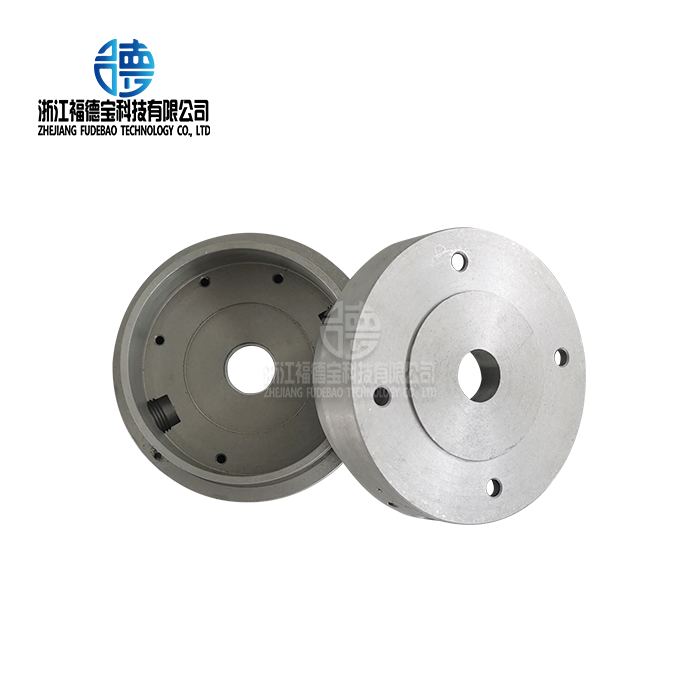
CNC Machining & Sheet Metal Fabrication
2026-04-30
CNC machining and sheet metal forging are two important manufacturing technologies that make modern industry possible. Computer-controlled tools are used in CNC machining to cut away material from solid blocks. This makes exact parts with errors of just 0.005mm. The process of sheet metal manufacturing involves cutting, bending, and forming flat metal sheets to make structure parts and enclosures. Together, these methods help companies in the energy, aerospace, automobile, and industrial equipment industries make everything from engine housings to electrical covers more accurately and more efficiently.

Understanding CNC Machining and Sheet Metal Fabrication
These two steps are at the heart of precision manufacturing and make it possible to make parts that can be relied on. CNC machining uses software that has already been designed to run machine tools that cut away material from stock pieces. These stock pieces are usually made of metals like Aluminum, stainless steel, or copper alloys. The computerized control gets rid of the variability that comes from people and makes it possible to make complicated shapes that would not be possible with physical work.
Making things out of sheet metal is done in a different way. This method starts with flat sheets of metal and uses special tools to cut, bend, punch, and join them into three-dimensional shapes. The great thing about sheet metal work is that it can be used to make big, light buildings quickly and cheaply.
How CNC Milling and Turning Work Together
Cutting tools that rotate are used in milling to take material from a subject that stays still or moves along more than one axis. This method works great for making flat areas, slots, and complicated shapes. When you turn something, you turn it against a cutting tool that stays still. This is great for making circular parts like shafts, bolts, and bushings. Many modern facilities have multi-axis machining centers that can do both of these things, so they can make complicated items without having to set them up more than once. This "done-in-one" method keeps geometric standards and cuts production time by a large amount.
Sheet Metal Processes That Complement Machining
With kerf sizes as small as 0.2mm, laser cutting can make clean cuts in sheet metal up to 25 mm thick. CNC turret punches can make shapes, holes, and slots at speeds of more than 600 hits per minute. With modern tools, press brakes can hold bend limits within ±0.5 degrees. They bend sheet metal to exact angles. Adding CNC machining-machined inserts or fixing points to sheet metal fabrications makes them into full pieces that are ready to be put together.
Industries That Depend on Both Technologies
CNC machining is used to make transmission housings and engine brackets, while sheet metal fabrication is used to make frame parts and body panels. For pump housings, industrial equipment builders use sand-cast or low-pressure cast blanks that are finished with CNC machining machines. Covers and guards made of sheet metal are then added. Along with sheet metal electrical casings, companies that make electrical tools need copper bus bars that are CNC machining-machined. Because these processes work together, procurement teams can get full solutions from sellers that work together instead of having to manage a lot of different providers.
Benefits and Best Practices in CNC Machining & Sheet Metal Fabrication
When looking for factory partners, procurement teams should know how these CNC machining processes can help the business when they are done right. How well suppliers follow best practices during production is often what makes the difference between good results and great ones.
Precision and Reliability at a Large Scale
Computer control gets rid of the differences that come with doing things by hand. As soon as a programme is approved, each new part comes out with the same size. We usually keep limits of ±0.05mm for production runs with thousands of parts. This level of uniformity is very important for assembly work, where parts from different batches need to fit together without any problems. Automotive tier-one providers count on this regularity to keep production lines running smoothly. One part that isn't within tolerance can stop assembly work, which costs thousands of dollars per minute.
Material Selection Drives Performance
Aluminum 6061-T6 is easy to machine and has a high strength-to-weight ratio. This makes it perfect for uses in aircraft and cars where reducing weight helps save fuel. Stainless steel 316L is better at resisting rust in naval and medical settings, but it needs to be cut more aggressively and tools need to be changed more often. Copper metals help power delivery parts conduct electricity, but they make it hard to get chips out of the way. Knowing how a material behaves helps buying teams choose the best metal for each job. We help customers find the best mix between performance needs and machining costs. Often, we suggest other alloys that meet standards and make production more efficient.
Design for Manufacturability Reduces Costs
In CNC machining, end mills with small diameters that break easily and work slowly are needed for sharp internal corners. Choosing corner radiuses that match standard tool sizes, which are usually 3mm, 5mm, or 6mm, can cut cutting time by a large amount. When holes are deep and the length-to-diameter ratio is large, tools bend and chatter. By splitting deep features into various depths with relief areas, standard-length tools can be used and the surface finish is kept. Instead of custom pitches that need special tools, thread specs should match standard tap sizes. If you think about these CNC machining design factors early on in the engineering phase, you can avoid expensive changes and lower the cost of each piece by making manufacturing easier.
Surface Finish Requirements Must Match Function
A normal machined finish of Ra 3.2μm works well for most structural uses and shows tool lines. Ra 1.6μm or less is good for sealing surfaces because it stops leaks. When cleaning, parts that are meant to look good may need Ra 0.8μm. Each step up in surface finish costs more and takes longer to make. Instead of applying strict standards to all areas in the same way, procurement teams should base finish requirements on how the product will be used. Cost and lead time are both optimized by strategic design, which means using tight standards and fine finishes only when they are needed.
Quality Assurance Protocols Build Trust
Coordinate measuring tools make sure that measurements are correct by repeating the probe within 0.002mm. Optical comparators compare part shapes to CAD outlines, showing differences that can't be seen by hand. For aircraft and medical uses that need full traceability, material papers show how the alloy was made and how hot it was at the mill. Reports on the first item review show the first production samples that were made before the whole batch was released. These quality systems make sure that parts always meet the requirements and give controlled businesses the paperwork they need.
How to Choose and Work with CNC Machining & Sheet Metal Fabrication Suppliers?
One of the most important choices procurement pros have to make is choosing manufacturing partners for CNC machining. The right supplier connection gives you more than just parts; it also gives you technical help, process optimization, and a reliable supply chain, all of which make you more competitive.
Core Capabilities to Evaluate
The size of the equipment doesn't tell the whole story. When a supplier has fifty CNC machining tools but not enough process control, the effects are all over the place. Look for activities that cover the whole production process, from getting the raw materials to inspecting and packaging the finished product. Our center combines melting, casting, precise cutting, and surface treatment, so we can deliver your parts from the blank to the finished product all in one place. This integration gets rid of the need to pass work back and forth between different providers, which cuts down on wait time and keeps quality control up throughout production.
Certifications That Signal Competence
ISO 9001 approval shows basic quality control systems, but it's just the bare minimum. Automotive producers need to be able to get IATF 16949 approval and PPAP paperwork. For aerospace and defense uses, AS9100 approval with full traceability and methods to check for nonconforming materials is needed. Medical gadget makers need to follow ISO 13485. Certifications make sure that providers keep up with the required training, paperwork, and growth processes for controlled sectors. They give buying teams confidence that quality processes exist beyond promises made orally.
Communication Makes or Breaks Complex Projects
There are times when technical drawings have unclear or contradictory instructions. Instead of guessing what will happen during production, proactive sellers find these problems when they review the quotes. Before cutting metal with CNC machining, we work with engineering teams early on to make sure we understand what the design is trying to do, suggest ways to make it easier to make, and check the material specs. Questions are answered quickly thanks to clear lines of communication, such as specialized project managers, engineering contacts, and quality reps. International sourcing can be hard because of language hurdles and different time zones, but established communication methods and bilingual technology staff make it easy to get around these problems.
Pricing Models and Value Assessment
When making a lot of things, selling each one separately works well, but it can hide setup costs and machine investments. Some sellers give low piece prices, but then they add big tooling fees or minimum order amounts that make the total cost go up. Quotes that are clear break down setup costs, equipment amortization, material costs, and processing fees into their own different categories. This openness helps purchasing teams figure out what causes costs to go up or down and make smart choices about volume promises. When quality problems, shipping delays, and the cost of repairs are taken into account, the lowest price is rarely the best overall cost of ownership.
Building Long-Term Partnerships
When you work with reliable providers, they become an extension of your production and tech teams. They keep up-to-date production schedules for repeat orders, keep raw materials stocked based on forecasts, and offer ways to cut costs based on promises to volume. Over time, these relationships grow stronger as both parties consistently perform and invest in each other. Starting with small amounts for prototypes lets you see what the seller can do before committing to large amounts for production. Slowly increasing the noise lets everyone get better at what they're doing and builds trust. Long-term relationships with providers that provide more than just parts add value through technical cooperation and stable supply chains.
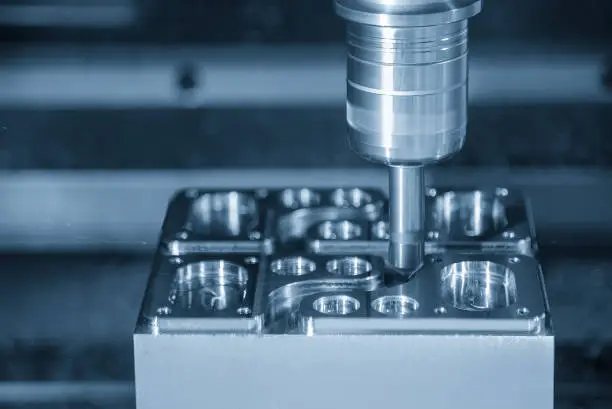
Optimizing Your Production with CNC Machining & Sheet Metal Fabrication Solutions
Strategic CNC machining planning combines these steps into effective production lines that meet market needs quickly and keep costs low. More and more, modern makers see fabrication and machining not as separate tasks but as parts of digital production environments.
From Prototype to Production Without Retooling
CNC machining makes it easy to go from testing to production because the same tools and software can be used for both. Initial samples are made with the same materials and methods that will be used for production to make sure that design ideas are sound. This consistency gets rid of the need for design changes that are common when moving from test methods like 3D printing to production methods like die casting. Engineering teams feel more confident that testing prototypes correctly predicts how production parts will work. When going from a pilot to mass production, procurement teams don't have to wait for and pay for new tools and processes to be made.
Batch Flexibility Supports Market Responsiveness
For traditional high-volume methods like die casting, you have to spend a lot of money on tools that only make economic sense when you make more than 10,000 units a year. CNC machining and sheet metal casting make it possible to make things cheaply, from single samples to a few thousand units in mid-volume production. This gives makers the freedom to react to chances in the market without having to commit too much inventory. Customized car parts, specialized industrial equipment, and new electrical products can all be made more efficiently if production methods don't need to be based on minimum quantities to cover the cost of tools.
Lead Time Management Through Capacity Planning
Standard wait times for machined parts are two to four weeks, but this can change based on how complicated the part is and how busy the shop is at the moment. Lead times for simple parts made from sheet metal are usually shorter, between one and two weeks. These deadlines can be shortened by rush services, but they cost more. Instead of always being in "expedite mode," smart buying teams plan ahead for what they will need and place orders based on realistic wait times. Suppliers with enough capacity and materials on hand are more likely to react than facilities that are fully utilized. Setting up blanket buy orders with planned releases helps suppliers plan their capacity and keep materials in stock, which lets them respond more quickly when urgent needs appear.
Future Manufacturing Trends Worth Watching
Industry 4.0 projects link digital networks that include machine tools, quality checking tools, and systems for moving things around. Monitoring production in real time finds problems and changes in quality before they affect delivery times. Predictive maintenance systems look at data about how well machines are working to plan maintenance for planned breaks instead of having to fix problems as they happen. Hybrid manufacturing uses one machine to do both adding and taking away things. It builds near-net shapes by adding things and then cuts important areas to the right size and shape. These new developments look like they will make cost, quality, and speed even better. As a sign of long-term competitiveness and relationship value, procurement teams should keep an eye on how much suppliers spend in these technologies.
Conclusion
Precision, scalability, and the right material qualities are what demanding industrial uses need from CNC machining and sheet metal fabrication. Procurement experts can make confident choices when they know how these processes work, where they are better than other options, and how to choose capable sellers. The right manufacturing partner gives you more than just the ability to use their tools. They also give you engineering knowledge, quality processes, and a reliable supply chain, all of which make you more competitive. When you choose the right materials, make sure the plan works best, and communicate clearly, these tasks go from being basic services to relationships that add value. Automation and digitization are making industrial technology better all the time. Suppliers who invest in new skills and work together with you will become essential partners in your long-term success.
FAQ
1. What materials work best for CNC machining versus sheet metal fabrication?
CNC machining can cut almost any material that can be machined, such as titanium, hardened tool steels, Aluminum alloys, stainless steels, copper alloys, and industrial plastics like PEEK. The choice of material is based on its mechanical properties, resistance to rust, weight needs, and thermal qualities. Thinner gauge materials like Aluminum, steel, stainless steel, and copper—with widths ranging from 0.5 mm to 6 mm—are usually used for sheet metal production. Plates up to 25 mm thick can be used for structural purposes.
2. How do I decide between CNC machining and casting for metal parts?
Casting works best for making a lot of things, like more than 5,000 to 10,000 units a year, because the cost of the tools is spread out over a lot of units. As few as one sample or as many as a few thousand units can be made with CNC machining. For casting, the draft angles and wall width must be the same, but for machining, the walls must have sharp edges and different parts. Parts that are machined from solid stock ensure the density and mechanical qualities of the material without worrying about porosity.
3. What certifications should I require from precision machining suppliers?
ISO 9001 gives you the basics of quality control. Suppliers to the auto industry need to be able to do IATF 16949 and PPAP. AS9100 is needed for aerospace. ISO 13485 is needed for medical equipment. These certifications check that quality systems, traceability standards, and processes for constant growth are written down and followed. The exact certificates you need depend on your business and the rules that apply to it.
Partner with Fudebao Technology for Precision CNC Machining Solutions
For decades, Fudebao Technology has been a leading Aluminum casting business, working with automakers, industrial equipment makers, and electrical systems sellers around the world. Our combined manufacturing facility has casting operations, modern CNC machining centers, and full surface treatment capabilities. It can deliver parts from raw materials to finished products with accuracy of ±0.05mm. We keep up-to-date quality systems that meet the PPAP documentation standards and give our car and industry clients full material traceability.
As an established CNC machining supplier, we can help with both making prototypes and producing large amounts of Aluminum alloys, copper alloys, and stainless steel. During the design process, our engineering team works with customers to make sure that specs match production capabilities, cut costs, and make sure that the product is easy to make. Our technical know-how and production capacity mean that we can safely meet your needs, whether you need precise housings for electrical equipment, structural brackets for cars, or made parts for industrial machinery. Email our team at hank.shen@fdbcasting.com to talk about the details of your project and get full technical plans that are made just for you.
References
1. Kalpakjian, S. & Schmid, S. (2014). Manufacturing Engineering and Technology (7th Edition). Pearson Education Limited.
2. Stephenson, D. & Agapiou, J. (2016). Metal Cutting Theory and Practice (3rd Edition). CRC Press.
3. Society of Manufacturing Engineers (2020). Fundamentals of Modern Manufacturing: Materials, Processes, and Systems. Wiley Publications.
4. American Society of Mechanical Engineers (2019). ASME Y14.5-2018: Dimensioning and Tolerancing Standard. ASME International.
5. Boothroyd, G., Dewhurst, P. & Knight, W. (2011). Product Design for Manufacture and Assembly (3rd Edition). CRC Press.
6. ASM International Handbook Committee (2018). ASM Handbook Volume 16: Machining. ASM International Materials Park.



YOU MAY LIKE
_1756348711711.webp "anti surge turbo housing")
_1756346144394.webp "aluminum die casting hinge")