Applications of Copper Castings in Heat Transfer Systems
2026-03-05
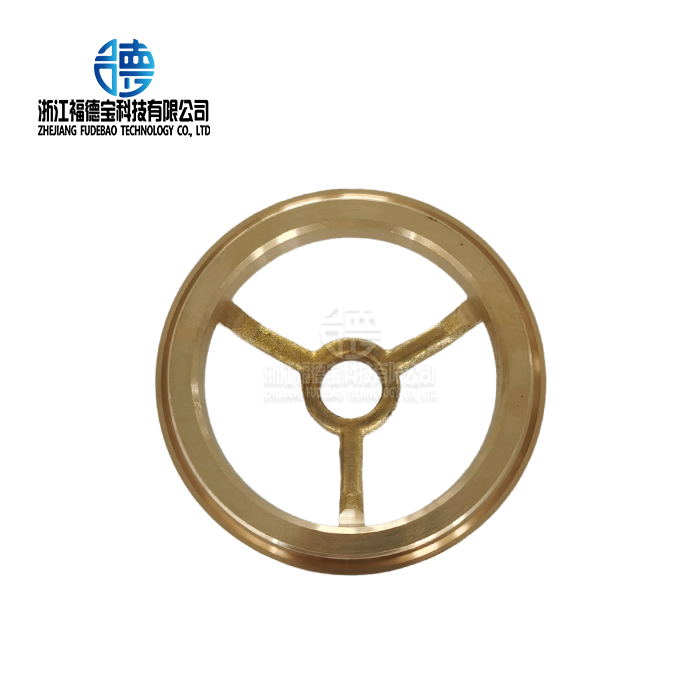
Copper castings are important parts of modern heat transfer systems because they have great thermal conductivity and resistance to rust in a wide range of challenging industrial settings. These carefully designed copper alloy parts are very important for radiators in cars, HVAC systems, power generation equipment, and cooling solutions in factories. Copper castings are necessary for engineers looking for dependable thermal management solutions due to their superior metallurgical properties, which allow for efficient heat removal while keeping structure integrity under extreme working conditions.
Understanding Copper Castings in Heat Transfer Systems
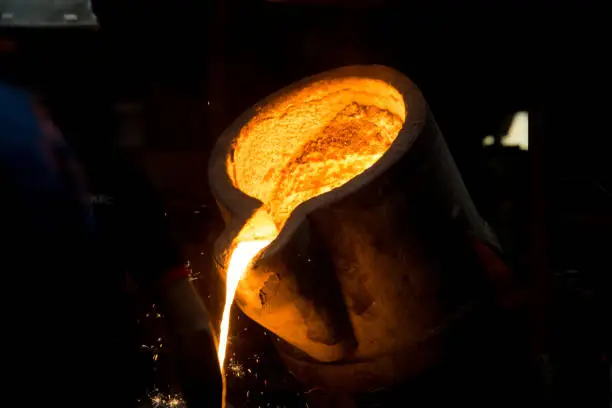
Understanding the unique qualities that make copper castings better for heat transfer uses is the first step to managing heat well. These parts have been improved through modern manufacturing methods so they can meet the higher performance standards of many businesses.
Metallurgical Properties and Thermal Conductivity
Copper alloys have very good heat conductivity rates, between 200 and 400 watts per meter-kelvin. This makes them much better than aluminum and steel alternatives. Copper's solid structure makes this amazing feature possible. It lets electrons move quickly and heat move quickly. Adding certain alloying elements, like tin, zinc, and phosphorus, makes special copper alloys that keep their high heat conductivity while making them stronger and less likely to rust.
The way copper castings are made has a direct effect on their final thermal qualities. Investment casting gives you better surface finishes and tighter standards, while sand casting makes parts that stay the same size over time. Controlling the cooling rate during permanent mold casting improves the mechanical properties, leading to finer grain structures that improve heat performance. With these different casting methods, producers can make copper parts that meet specific heat transfer needs.
Casting Types and Manufacturing Standards
Copper castings that meet strict quality standards and physical requirements are required for industrial heat transfer systems. Larger parts like heat exchanger shells and pump housings are still often made by sand casting, which allows for design freedom and low cost for complex shapes. Investment casting makes complex cooling fins and connecting systems with very good surface quality and very little need for machining.
Permanent mold casting gives consistent mechanical qualities that are needed for high-pressure uses in the aircraft and automobile industries. This process makes regular grain structures that make the material more resistant to wear and better at thermal cycling. During the casting process, quality control measures make sure that the dimensions are accurate to within ±0.05mm, which meets the demanding needs of precision heat transfer components.
Key Applications of Copper Castings in Industrial Heat Transfer
Copper castings are widely used in many industries because of their adaptability. Thermal management is an important part of system performance and efficiency in these industries.
HVAC and Climate Control Systems
Copper cast parts are used a lot in building temperature control systems for heat exchanges, condenser coils, and refrigeration equipment. Copper metals are very resistant to rust, so they will work well for a long time in damp places while still transferring heat efficiently. Copper castings are used in evaporator units for commercial HVAC systems because they provide precise heat control and long life.
Copper's protective properties help residential uses because they stop germs from growing in water-based heating systems. Components of heat pumps made from copper metals work better in very cold or very hot conditions and stay efficient over a wide range of temperatures. Copper can be recycled, which supports green building practices and lowers long-term operating costs.
Automotive Thermal Management
Modern car systems need thermal control methods that are both light and effective. Copper plates are very important in radiator cores, transmission coolers, and circuits that cool the engine. Copper's high thermal conductivity makes it possible to make heat exchangers that are small and light, but still work better at cooling.
Copper-cast parts are being used more and more in electric car battery thermal control systems. During charging and use, these special heat transfer parts keep the battery at the right temperature, which increases its life and keeps it safe. Copper's ability to carry electricity makes it useful in thermal and electrical uses, like motor cooling systems.
Power Generation and Energy Systems
In steam condensers, cooling towers, and turbine cooling circuits, power production centers use copper castings. Copper alloys' ability to fight corrosion is very important in coastal settings where cooling systems that use seawater are always running. Copper parts used in nuclear power plants need to be able to keep their shape while being exposed to radiation and still move heat reliably.
Solar thermal setups and other renewable energy systems need copper cast collectors and heat exchanges to work. Copper metals work the same way even when the temperature changes or the seasons change because they are thermally stable. Copper is resistant to mineral deposits and scaling, which makes geothermal systems last longer and require less upkeep.
Procurement Considerations for Copper Castings in Heat Transfer Systems
To successfully buy copper castings, you need to carefully consider the supplier's skills, quality standards, and the possibility of a long-term relationship. Knowing about these things helps you make smart buying choices that improve both efficiency and cost-effectiveness.
Supplier Evaluation and Certification Requirements
To find suitable providers, you have to look at their manufacturing skills, quality control systems, and ability to meet industry standards. ISO 9001 certification means that you have strong quality control measures in place, while AS9100 certification means that you follow the rules for the aircraft business. Suppliers should have high-tech checking tools, like coordinate measuring machines and labs for testing materials.
Traceability rules demand detailed records to be kept during the whole casting process. Material approvals have to check the makeup of the alloy, its mechanical qualities, and its heat conductivity. Customers can be sure that suppliers with well-established quality management systems will consistently deliver goods and be reliable over the long term.
Custom Versus Standard Components
Custom copper castings are often needed for heat transfer system designs to work best in certain situations. By using custom shapes and metal compositions, custom casting options make it possible to precisely control temperature. Complex cooling ducts and built-in mounting features lower the cost of building while also making it more thermally efficient.
When it comes to cost and access, standard components are better for typical uses. To figure out when to ask for special parts versus standard ones, you have to weigh performance needs against price and delivery deadlines. Suppliers with a lot of experience can suggest the best options based on the unique thermal needs of the application.
Lead Times and Production Planning
To plan production for copper castings, you need to know how much a factory can hold and how demand changes with the seasons. When compared to investment casting, sand casting usually has faster wait times. Permanent mold casting, on the other hand, has more flexible delivery times. Pattern or equipment development for special parts adds to the wait time at the beginning, but it makes production more efficient for ongoing needs.
Strategies for buying in bulk can lower unit costs while still making sure there is enough inventory to meet production plans. But because copper prices change all the time, it's important to be careful about when you place big orders to get the best deals. Setting up basic deals with qualified providers guarantees capacity allocation and keeps prices stable.
Optimizing Heat Transfer Performance with Copper Castings
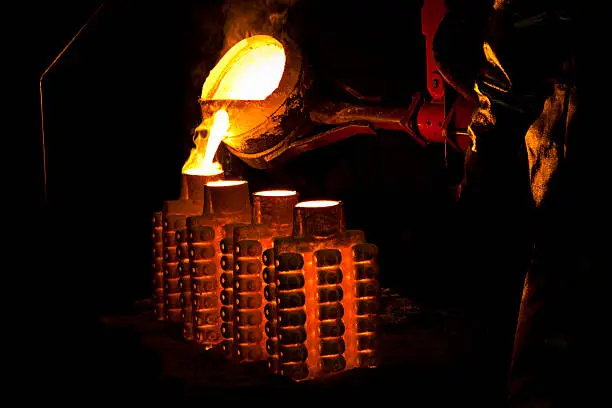
The best return on investment for copper casting uses is to maximize thermal efficiency through smart design choices and following the right upkeep procedures.
Design Optimization Strategies
When designing for heat transfer, it's important to maximize surface area, keep flow patterns in mind, and reduce thermal resistance as much as possible. Copper castings allow for complicated internal shapes that keep the structure's integrity while improving heat exchange. Integrated fins and cooling tubes cast straight into parts get rid of the thermal interface resistance that comes with systems that are already put together.
The choice of alloy has a big effect on how well it handles heat and how long it lasts. Phosphor bronze is better for naval uses because it doesn't rust as easily, while aluminum bronze is better for high-pressure systems because it is stronger. Getting advice from engineers during the planning part makes sure that the best alloy is chosen for the job.
Maintenance and Longevity
If you follow the right care steps, copper cast parts will last longer and keep their best heat performance. System breakdowns and unplanned downtime can be avoided by checking for rust, scaling, and mechanical damage on a regular basis. When cleaning an alloy, the unique makeup must be taken into account so that chemicals don't react badly.
It is the forces that come from thermal cycle that can cause fatigue cracking over time. Stress doesn't build up when you know about thermal expansion factors and plan for the right gaps. Using thermal images and vibration analysis, predictive maintenance tools find problems before they become a system failure.
Future Trends and Innovations in Copper Casting for Heat Transfer
New technologies and rules about the environment are still pushing copper casting manufacturers and users to come up with new ways to make and use copper.
Advanced Manufacturing Technologies
Additive manufacturing methods are starting to change how copper castings are designed and made. 3D printed models make it possible to make quick prototypes of complicated cooling geometries, which cuts down on the time it takes to make unique heat transfer components. Digital modeling tools make casting processes better and predict how they will work with heat before they are actually made.
Through precise process control, automated casting operations make things more consistent and lower production costs. Robotic handling systems make sure that cooling rates are the same everywhere, save money on labor, and make the workplace safer. These improvements in technology make it possible for prices to be low while quality standards stay high.
Sustainability and Environmental Compliance
Environmental laws are putting more and more emphasis on circular economy concepts and sustainable business practices. Copper's ability to be recycled over and over again helps these efforts by allowing closed-loop material flows. Energy-efficient casting operations keep production levels steady while lowering their carbon footprint.
Life cycle assessment methods show that copper castings are better for the earth because they last longer and can be recycled. Copper's environmental benefits are recognized by green building standards, which leads to more use of copper in HVAC and building systems.
Conclusion
There are many ways to make copper castings, and they are very useful in current heat transfer systems because they don't rust and are good at moving heat. When engineers know what copper castings are made of, how they're made, and what they're used for, they can offer the best answers to tough thermal management issues. When making a buying decision, it's important to think about both performance needs and cost goals. You should also think about the supplier's skills, quality standards, and the benefits of building a long-term relationship.
FAQ
What are the main advantages of copper castings in heat transfer applications?
Copper casts have great heat conductivity (200–400 W/m·K), great resistance to corrosion, and great design freedom for shapes with many sides. Their high heat efficiency lets designers make systems that are small and strong enough to work in harsh settings. Copper's ability to kill microbes is another benefit for water-based systems.
How do different casting methods affect thermal performance?
When it comes to big parts, sand casting gives you great dimensional stability, while investment casting gives you better surface finishes and tighter standards. Permanent mold casting makes fine grain structures that improve both mechanical and heat qualities. Which one to use varies on the size, complexity, and speed needs of the parts.
What factors should be considered when selecting copper alloys for heat transfer systems?
Some of the most important factors are the working temperature range, the corrosive climate exposure, the mechanical stress requirements, and the thermal conductivity requirements. When it comes to marine settings, phosphorus bronze works great, while aluminum bronze is stronger for high-pressure uses. When choosing materials, they should be in line with the working conditions and performance goals.
Partner with Fudebao Technology for Superior Copper Casting Solutions
Zhejiang Fudebao Technology is your reliable copper castings maker because it combines decades of metalworking experience with cutting-edge production tools. Through our full-service casting, we handle the whole production process, from melting to finishing, and we make precision copper cast parts that meet the strict needs of heat transfer uses. We help you with your thermal management projects by giving you accurate solutions that are up to ±0.05mm and full paperwork that shows how they were made. Get in touch with hank.shen@fdbcasting.com to talk about your copper casting needs and find out how our engineering team can improve the performance of your heat transfer system.
References
American Foundry Society, "Copper Alloy Casting Technologies and Thermal Performance Standards," Industrial Casting Journal, 2023.
International Copper Association, "Heat Transfer Applications of Copper Alloys in Industrial Systems," Thermal Management Review, 2023.
Society of Manufacturing Engineers, "Advanced Casting Techniques for Heat Exchanger Components," Manufacturing Technology Quarterly, 2022.
European Foundry Association, "Quality Standards and Certification Requirements for Copper Castings," European Casting Standards, 2023.
Thermal Management Institute, "Optimization Strategies for Copper-Based Heat Transfer Systems," Heat Transfer Engineering, 2023.
National Institute of Standards and Technology, "Metallurgical Properties and Performance Characteristics of Copper Casting Alloys," Materials Science Report, 2022.



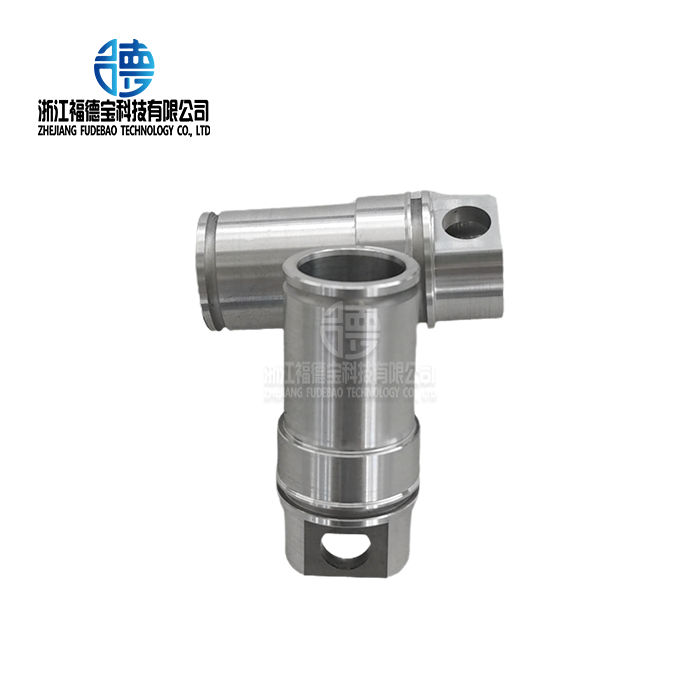
_1756352472762.webp "steel threaded plug")
_1756349696500.webp "Pulley aluminum casting")
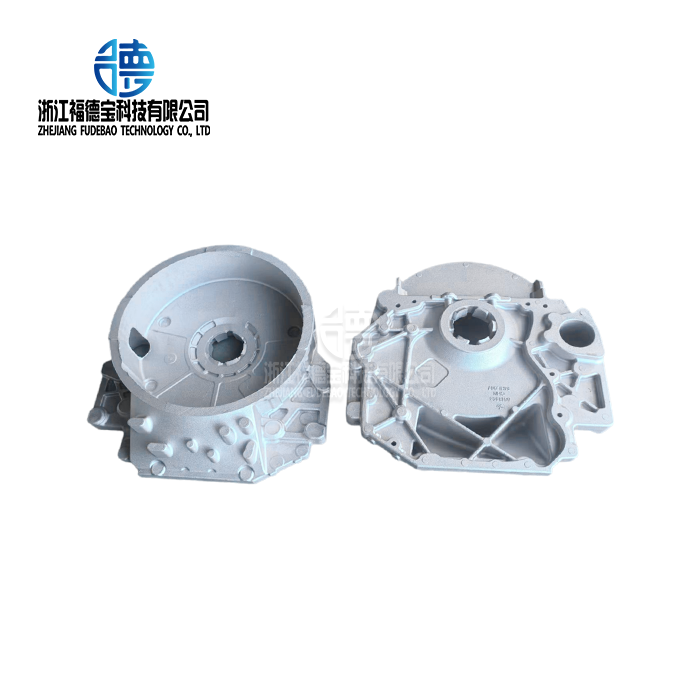
_1756348300182.webp "Aluminum die-cast housing")