Aluminum Die Casting: Process, Advantages, Challenges
2026-04-13
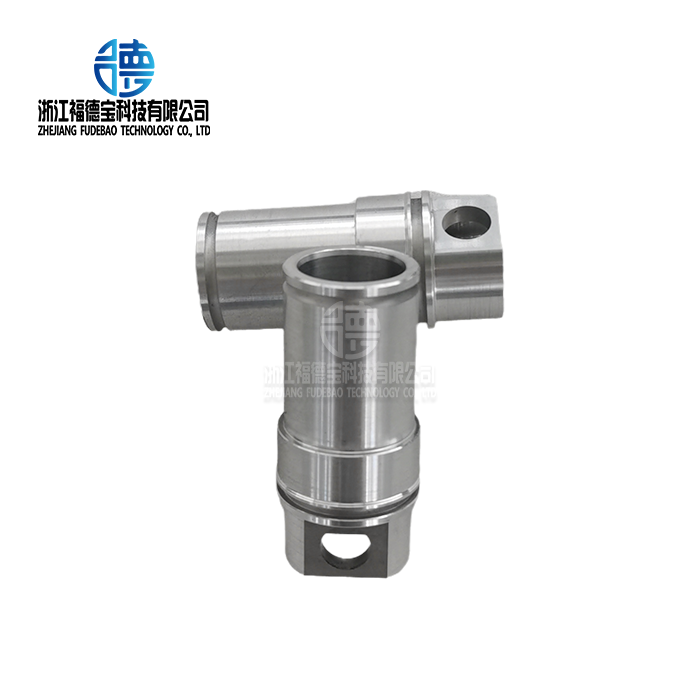
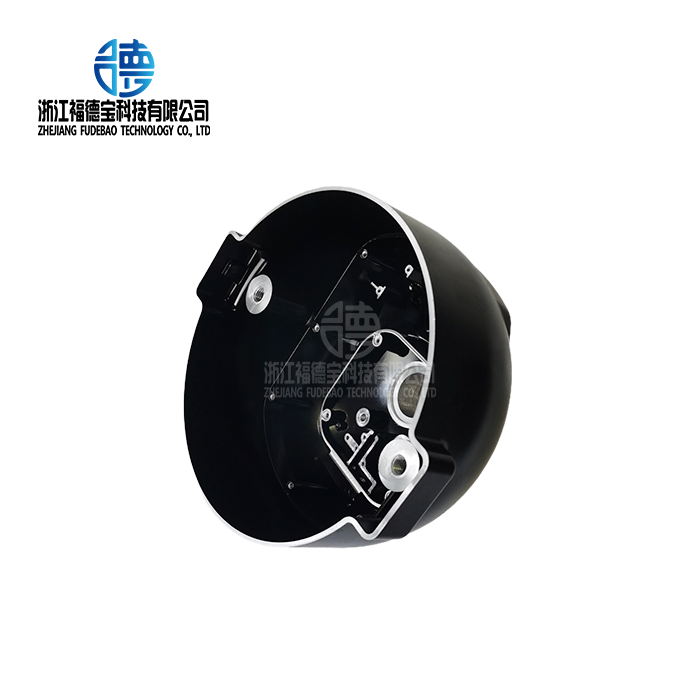
Aluminum die casting is a precise way to make metal products. Molten aluminum alloy is pressed into hardened steel molds under high pressure, which can be anywhere from 1,500 to over 30,000 psi. This High-Pressure Die Casting (HPDC) method makes it easy to make parts quickly that are correct in size and shape and have great surface finishes. The process solves some of the biggest problems in manufacturing by getting rid of soldered parts and replacing them with integrated single-unit designs. This makes the products lighter without affecting their structural integrity, and it makes mass production possible with little need for secondary machining. Because of these features, it is essential for businesses that need both accuracy and cost-effectiveness in high-volume production settings.
Understanding the Aluminum Die Casting Process
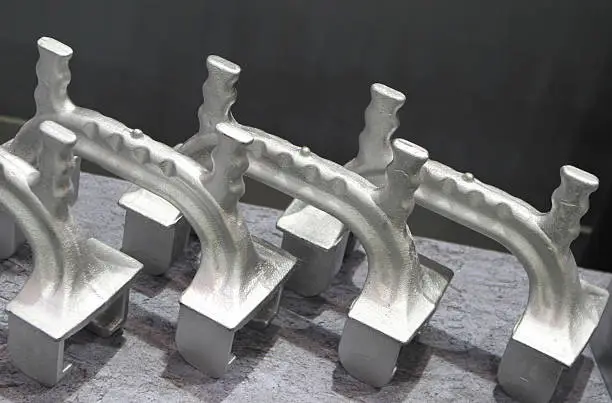
Using advanced production methods and metallurgical science to carefully plan each step of the process of turning raw aluminum into precision-engineered parts. Fudebao Technology has improved this aluminum die casting process over many years of working with industries like aerospace, automobiles, and industrial equipment, where precise measurements are not only needed but also desired.
Step-by-Step Production Workflow
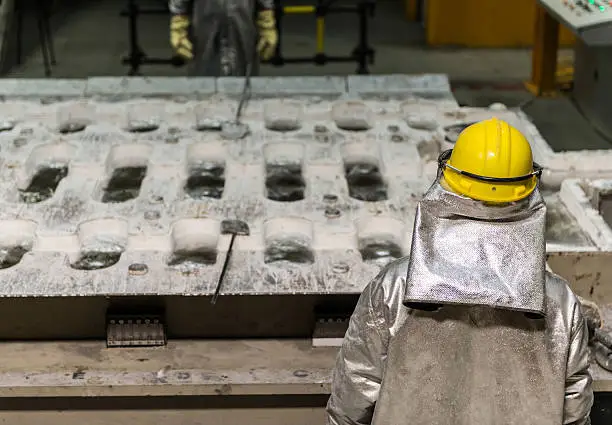
The first step in the production process is choosing the metal. Materials like A380, ADC12, or AlSi9Cu3 are picked out based on their specific mechanical and thermal needs. When these metals are melted in furnaces at temperatures between 600°C and 700°C, they are carefully watched to make sure they stay flexible and don't oxidize too much. The molten metal is moved to the injection device once it gets the right temperature.
During the filling phase, the steel die body is filled with liquid aluminum at speeds that can go over 100 meters per second. This high-speed injection makes sure that the metal fills the mold's complex shapes before it hardens too quickly. The pressure stays the same during the cooling stage, which usually lasts between 20 and 90 seconds based on how complicated the part is. This lets the casting harden with the least amount of shrinkage and the highest density.
When the casting is cool, the die opens and ejector pins take it out. The parts are then sent to places for cutting, where gates, runners, and flash are taken off. At Fudebao Technology, our plant uses CNC machining centers and automatic finishing equipment to get standards of ±0.05mm, which meets the strict requirements for medical devices and cars.
Critical Process Parameters
Controlling the temperature is the most important factor that affects the quality of the casting. To keep fast production processes and good metal flow, mold temperatures must be kept between 150°C and 300°C. When it's too cold, the metal freezes too quickly, which causes cold shuts. When it's too hot, cycle times get longer and the risk of soldering (metal sticking to the die) goes up.
Calibration is needed for both the injection pressure and the rate. Higher pressures make it easier to see details and lower porosity, but too much force can damage flash or delicate mold features. Modern die casting tools have tracking systems that work in real time and change these settings automatically. This keeps them the same over thousands of cycles.
Mold Design
The shape of the mold itself is probably the most important factor in determining success. The right gating systems spread the metal out evenly, and vents put in the right places let air that has been caught escape. Fudebao Technology can make molds with modeling software that predicts how metal will move, which lets us make changes before the steel is cut.
Common Defects and Prevention Strategies
Even with improved rules, mistakes can happen if quality management isn't tight. Porosity, or tiny holes in the casting, happens when gas gets caught or when it shrinks during solidification. This is less of a problem because we use vacuum-assisted die casting and better gate designs that reduce noise.
Cold shuts happen when two metal fronts meet but don't fuse properly, leaving the edges weak. Usually, this problem can be fixed by changing the gate sites, the injection speed, or the metal temperature. Another worry is surface cracking, which can happen when there is moisture in the die or when the lube breaks down. These problems can be avoided with good oils and regular upkeep.
Thermal expansion or die wear can cause small changes in dimensions, even if everything is set up correctly. Coordinate measuring machines (CMM) and automatic optical inspection are part of our inspection procedures. They find mistakes before they affect production runs. Because we are dedicated to quality control, tier-1 car suppliers and aircraft contractors trust us to make aluminum die castings.
Advantages and Applications of Aluminum Die Casting
A lot of different industries use high-pressure aluminum die casting because it has great mechanical qualities, low costs, and a lot of design options. As buying teams look at different ways to make things, they are realizing that die-cast aluminum parts offer efficiency benefits that other methods have a hard time matching.
Superior Strength-to-Weight Ratio
Aluminum's mass is about 2.7 g/cm³, which is about one-third that of steel. This means that it saves weight right away without affecting the structure's strength. This property changes everything in the car industry, where every kilogram lost saves fuel and increases the range of an electric vehicle. For engine housings and gearbox cases, our parts give them the rigidity they need to handle high vibration and temperature changes. They also help OEMs meet strict emission rules by making parts lighter.
When cast using HPDC methods, the material's natural power makes parts that often work better than parts that were made in a factory. Because the process itself causes solidification to happen quickly, fine-grain microstructures are created that improve the tensile qualities. Parts like bolts and structural elements keep their shape even when they are under a lot of stress that would damage less durable materials.
Exceptional Thermal Management
Aluminum die castings shine in heat dissipation uses that are essential to modern electronics and electrical systems because of their thermal conductivity range of 96 to 120 W/m·K. This trait is important for keeping the heat from high-speed computers and RF parts in check in telecommunications infrastructure, especially 5G base station enclosures. The material naturally moves heat away from electronics that are sensitive to it, which keeps signals intact and extends the life of the electronics.
Aluminum's thermal properties are also useful in the power tools and green energy industries. Aluminum alloys are used to make motor housings and electrical connections that are both conductive and resistant to corrosion. This is especially important for outdoor setups that are exposed to changes in temperature and wetness. Fudebao Technology has provided heat-dissipating parts for energy storage devices, where managing heat has a direct effect on safety and performance.
Design Flexibility and Production Efficiency
The main benefits that make die casting so appealing for making complicated parts are listed below:
- Complex Geometry Capability: The process makes parts that are almost net-shaped and have features cast right into them, like bosses, ribs, and mounting points. This gets rid of the need for extra building steps, which cuts down on both work costs and possible weak spots. Our car clients like that we can replace designs that needed to be welded or put together mechanically with ones that have multiple fastening features built right into the transmission housings.
- Tight Tolerances: HPDC can get close to CNC machining standards for dimensional accuracy, with normal tolerances of ±0.1mm and the ability to hit ±0.05mm in some cases. This accuracy cuts down on the need for post-casting cutting, which is especially helpful for high-volume production where costs per unit add up quickly.
- Excellent Surface Finish: When die-cast parts come out of the molds, they usually have smooth surfaces that don't need much finishing. In consumer gadgets, like laptop frames and camera bodies, this trait is useful because they need to be strong and look good at the same time. Powder finishing or anodizing can often be done directly on the as-cast finish, which speeds up the production process.
- Scalability: Once the tools are made, output rates can hit thousands of parts per day with a high level of consistency. This ability to make the process bigger or smaller changes the cost per unit, which means that die casting is cost-effective for quantities higher than 5,000 pieces per year. At this level, the initial investment in the mold pays for itself through savings in ongoing production.
All of these benefits make production problems that buying workers face every day go away. Die-cast aluminum parts have real value, whether they lower the complexity of assembly, boost product performance, or keep costs down across a product's duration. When we worked with companies that make industrial machinery, they switched from sand casting to die casting, which cut the weight of their parts by 30%, made them more consistent in size, and cut the time it took to machine them in half.
Industry-Specific Applications
The biggest users of die-cast aluminum are the shipping and automotive industries. The material is strong and light, which makes it useful for engine blocks, transmission cases, battery housings for electric cars, and structural frame parts. Extreme conditions like shaking, thermal shock, and mechanical stress must not affect these parts. They also have to meet strict safety standards and PPAP paperwork requirements.
Applications for industrial tools need to be durable and able to work in harsh situations. Aluminum is good for pump housings, compressor parts, and gearbox cases because it doesn't rust and can keep tight standards over a wide range of temperatures. Our clients in this field like how resistant the material is to heat and how we can do both trial runs and full-scale production in a flexible batch production process.
Aluminum's thermal and electrical qualities are used in energy and electrical uses. Materials that can handle both electrical current and heat flow are needed for motor housings, electrical covers, and connecting parts. Aluminum naturally forms an oxide layer that protects it from corrosion. If the situation calls for it, the surface can be treated to make it even more resistant to rust.
Aerospace and defense uses are the toughest. Lightweight, high-strength parts have to go through a lot of testing and approval to get approved. Traceability and advanced inspection methods are important in these areas, and we meet their needs with thorough quality control systems and thorough paperwork. We bought coordinate measuring machines and non-destructive testing tools to make sure that the parts we make meet the standards of aircraft engineering.
Common Challenges and How to Overcome Them
Even though aluminum die casting has many benefits, the process has technical and supply chain problems that need to be managed proactively. When buying teams know about these possible problems and how to solve them, they can set realistic goals and work well with factory partners.
Technical Process Challenges
Keeping the temperature just right during the casting process has a direct effect on the quality of the results. To avoid problems, the temperature of the molten metal, the temperature of the mold, and the rate at which it cools must all stay within certain limits. Changes in temperature lead to fill patterns, porosity, and changes in size that aren't uniform. Modern die casting operations use automated temperature tracking systems that can make changes in real time. However, human knowledge is still needed to spot small signs of problems before they get too bad.
Mold design limits don't always match up with the shape of the part that is wanted. Even expert mold designers find it hard to work with internal undercuts, sharp internal corners, and thin ribs next to thick parts. These geometric shapes might catch air, make metal freeze too soon, or create stress clusters that cause it to crack. When buying teams, product engineers, and die casting suppliers work together to review designs, they can find problems early on, when making changes to the designs will cause the least trouble and cost the least amount of money.
At Fudebao Technology, we've resolved countless design challenges through our design-for-manufacturability reviews. Our engineering team uses decades of casting experience to suggest changes to shape that keep the functionality requirements while making the part easier to make. This consultative method cuts down on costly changes made in the middle of a project and speeds up the time it takes to start production.
Defect Mitigation Through Process Control
The most common flaw in casting is still porosity, which can be caused by trapped gas or shrinking during solidification. Gas porosity comes from air getting stuck in the mold during rough filling or from moisture in the die. Shrinkage porosity happens when separate areas of material harden without being able to add more liquid metal to make up for the loss of volume.
We use a number of methods to reduce porosity. With vacuum-assisted die casting, air is sucked out of the die hole before injection, which makes gas trapping much less likely. Controlling the speed and flow patterns of metal in optimized gate systems keeps noise to a minimum. Strategically placed overflow wells at expected last-fill spots catch tainted or gas-filled metal so it doesn't get mixed in with the finished casting.
In pressure-tight situations, cold shuts, which happen when two metal fronts don't fuse completely, compromise mechanical integrity and create leak paths. To fix cold shuts, you need to raise the temperature of the metal, speed up the filling process, or move the gates to change the fill patterns. Our simulation software projects how metal will move while the mold is being designed. This lets us make changes ahead of time that stop cold shuts from happening during production.
Production delays can happen for a number of reasons, such as unexpected mold maintenance, problems with the supply of materials, or quality holds while flaws are being looked into. To lower these risks, you need backup stock, redundant skills, and clear communication. We keep backup capacity across a range of machine sizes, so if the main equipment needs unplanned repair, we can quickly switch output to the backup equipment. Preventive repair done on a regular basis cuts down on unplanned downtime, and predictive tracking systems find problems before they become failures.
Supply Chain Quality and Certification
When companies have global supply lines, it's important to make sure that supplier approval is the same at all of their production sites. Quality assurance standards like ISO 9001 and industry-specific standards like IATF 16949 are important, but certification by itself doesn't ensure success. Regular audits, which can be done in-house or by a third-party service, make sure that approved systems work as they should and push for ongoing improvement.
In regulated fields like aircraft and medical products, being able to track materials is very important. Each production lot needs to be able to clearly link to the certifications of arriving materials, process settings, and inspection results. Our Fudebao Technology quality management system keeps full records from receiving raw materials to shipping finished parts. This makes it easy to quickly find the root cause of problems in the field.
Trade logistics risks including tariffs, shipping delays, and customs complications require proactive management. Diversified supply bases make companies less reliant on a few key suppliers, and smart warehouse buffers help them handle short-term problems. We've helped clients set up safety stock plans that are big enough to account for normal changes in wait times. This keeps production from stopping because of problems in the supply chain.
Collaborative Risk Management
Successful risk mitigation depends on collaboration between procurement and manufacturing teams. Regular communication schedules—once a week for busy projects and once a month for stable production—make sure that new problems are dealt with before they become emergencies. Suppliers should tell procurement teams about any possible delays, changes in quality, or limited capacity, and procurement teams should share demand predictions and standard changes with enough time for suppliers to make changes.
Joint problem-solving meetings use everyone's knowledge to solve tough problems. When quality problems happen, it's better to involve source experts in finding the root cause and coming up with a solution than to tell them what to do. At Fudebao Technology, we see our customers' success as tied to our own, so we work together to make sure everyone wins.
Methods for continuous growth, such as Six Sigma and Lean manufacturing, make small improvements in cost, quality, and speed. Suppliers who follow these ideas show that they want to be competitive in the long run. Regular kaizen events are held at our site to focus on certain processes or problems. Customers are often invited to take part to make sure that the changes are in line with their needs.
Conclusion
When it comes to precision, strength-to-weight ratio, and production efficiency, aluminum die casting is unmatched in the automobile, industrial machinery, electrical, and aircraft industries. The high-pressure process makes complicated shapes with a level of accuracy close to that of machining. Aluminum's natural qualities, such as its ability to conduct heat, prevent corrosion, and be recycled, meet a wide range of performance needs. To make procurement go smoothly, you need to know how the process works, be able to compare options without bias, and work with makers who can show they have the right specialized skills, quality systems, and ways of working together. Controlling temperature, preventing defects, and managing the supply chain are all problems that come with die casting. However, they can be solved with knowledge, communication, and constant improvement. Die-cast aluminum parts are still an important part of manufacturing plans all over the world, even as companies focus more on making products lighter, more environmentally friendly, and cheaper.
FAQ
What are the main benefits of aluminum die casting for industrial applications?
Die casting aluminum gives it great strength-to-weight ratios that are important for efforts to make cars and airplanes lighter. The process gives precise measurements with margins as low as ±0.05mm, which means that less secondary cutting is needed. Because it has a thermal conductivity of 96 to 120 W/m·K, aluminum die casting is perfect for electronics and electrical tools that need to get rid of heat. Surface processes make the material's natural resistance to rust even stronger, so it will last for a long time in harsh settings.
How do I choose the right aluminum alloy for my specific component requirements?
Alloy selection should align with your component's mechanical, thermal, and environmental requirements. A380 offers balanced properties suitable for general applications including automotive housings and industrial enclosures, providing excellent fluidity, corrosion resistance, and mechanical strength. ADC12 delivers similar characteristics with composition variations preferred in Asian manufacturing.
What lead times should I expect from inquiry to production delivery?
Lead times vary based on project complexity, tooling requirements, and current capacity. Prototype tooling typically requires 3-4 weeks from design finalization, enabling rapid design validation before committing to production tooling. Production molds fabricated from hardened tool steel span 8-12 weeks depending on component complexity, mold size, and feature count. Following mold completion, first article production occurs within 2-3 weeks, with full PPAP documentation and approval processes extending timelines to 4-6 weeks.
Partner with a Trusted Aluminum Die Casting Manufacturer
Zhejiang Fudebao Technology has established itself as a benchmark aluminum die casting supplier through decades of precision manufacturing excellence serving automotive, industrial equipment, aerospace, and electrical sectors globally. Our comprehensive facility integrates the complete production chain—from melting through surface treatment—with core equipment including high-speed machining centers, CNC lathes, and die casting machines up to 1,250 tons. This vertical integration enables us to deliver one-stop solutions from blank to finished product with accuracy reaching ±0.05mm, meeting demanding specifications for automotive precision parts, medical equipment housings, and aerospace components. We maintain rigorous quality systems supported by advanced inspection technologies and industry certifications including ISO 9001 and IATF 16949. Our engineering team collaborates closely with clients during design phases, applying decades of experience to optimize manufacturability while maintaining functional requirements. Whether you need rapid prototyping, mold development, or high-volume production with PPAP documentation, our capabilities and customer-focused approach ensure your project's success. Contact our team at hank.shen@fdbcasting.com to discuss how our aluminum die casting manufacturing expertise can address your specific component requirements with quality, reliability, and competitive delivery timelines.
References
North American Die Casting Association (NADCA). Product Specification Standards for Die Castings: Aluminum and Magnesium Alloys. NADCA, 2018.
Kaufman, J. Gilbert, and Elwin L. Rooy. Aluminum Alloy Castings: Properties, Processes, and Applications. ASM International, 2004.
Beeley, Peter R., and Richard F. Smart. Investment Casting: Principles and Practice. Institute of Materials, 2015.
Campbell, John. Complete Casting Handbook: Metal Casting Processes, Metallurgy, Techniques and Design. 2nd ed., Butterworth-Heinemann, 2015.
Society of Automotive Engineers (SAE). IATF 16949:2016 Quality Management System Requirements for Automotive Production and Relevant Service Parts Organizations. SAE International, 2016.
ASM International Handbook Committee. ASM Handbook Volume 15: Casting. ASM International, 2008.



YOU MAY LIKE
_1756360265131.webp "Aluminum casting chair legs")
_1756352625880.webp "plug stainless")
_1756352561845.webp "stainless steel blanking plug")
_1756346613780.webp "Aluminum tent base Casting")
_1756346205762.webp "hinge casting")