Aluminum Die Casting Mold Cost: Factors That Impact Pricing
2026-02-02
When purchasing managers and engineers look at aluminum die casting projects, knowing how much the molds cost is essential for making good budgets and choosing the right suppliers. The complex link between mold design, material choice, and manufacturing accuracy has a direct effect on both the cost of the initial investment and the cost of production over time. Modern aluminum die casting molds are used to make precision housings, parts for industrial equipment, and high-quality car parts. The cost structure is made up of many different factors, not just the cost of materials. These factors include the complexity of the engineering, the amount of output needed, and quality standards.

Understanding Aluminum Die Casting Mold Cost
The basic idea behind aluminum die casting molds goes far beyond their main use as production tools. These precisely engineered parts are the foundation for making complex metal parts that meet strict standards in the aerospace, automobile, and industrial sectors. Because of the direct link between the quality of the mold and the accuracy of the finished product, procurement professionals need to understand how costs change over time in order to balance performance needs with budget constraints.
Critical Role in High-Precision Component Manufacturing
Aluminum die casting molds use a complex process that requires very accurate tooling to shape liquid metal into precisely shaped parts. The internal geometry, surface finish, and thermal management of the mold have a direct effect on the final parts' dimensional accuracy and surface quality. Manufacturing engineers know that better mold building cuts down on the need for later machining and ensures that parts can be made the same way over and over again.
When making a lot of things, the link between investing in a mold and the results of production becomes especially clear. High-quality molds with advanced cooling systems and wear-resistant surfaces can keep the dimensions accurate for hundreds of thousands of cycles, while low-quality tools may need to be serviced often or replaced too soon.
Key Cost Drivers and Foundation Elements
There are a few basic things that set the standard for how much mold costs. Choosing the right material affects both the original cost and the long-term durability. For example, premium tool steels cost more but last longer. The geometry of a part directly affects how long it takes to build and how hard it is to make, since complicated features need complex tooling solutions.
The number of parts that will be made is a very important factor in figuring out how much something costs. This is because mold costs can be spread out over a lot of parts. Procurement teams can figure out if investing in high-quality tools is in line with project cost and quality goals by looking at the link between expected production runs and mold building standards.
Detailed Analysis of Factors Affecting Mold Pricing
One of the most important factors that affects how much a mold costs is the choice of material. Different types of tool steel have very different prices and performance traits. Premium alloys have better resistance to wear and better thermal stability. When it comes to aluminum die casting, H13 tool steel is still the standard because it is easy to work with when hot and keeps its shape even when heated and cooled many times.
Material Selection and Durability Considerations
To choose between standard and premium steel types, you need to carefully look at your production needs and your budget. Basic tool steels might work for low-volume testing, but for high-production situations, you need materials that can handle long thermal cycling without breaking down. Surface treatments and coatings add more levels of cost, but they improve the quality of the part and the life of the mold.
To find the best specifications, procurement teams have to compare the prices of materials to the amount that will be produced. The higher cost of premium materials is usually justified by the fact that they need less maintenance and can be used for longer periods of time between services. This is especially true in automotive uses where consistent part quality is very important.
Design Complexity and Engineering Impact
The complexity of the mold design has a big effect on both the time it takes to build and the cost of making it. For simple shapes with few undercuts, simple tooling solutions are all that's needed. But for complicated parts, complex mechanisms like slides, lifters, and complex cooling paths are needed. Each extra feature makes it harder to make and takes longer to create.
Adding improved cooling systems is a big cost that has a direct effect on how efficiently production works. Even though they are pricey to set up, conformal cooling channels can cut down on cycle times and improve part quality by better managing heat. When engineering teams think about these advanced features, they have to weigh them against the project budget and think about how they will affect the long-term cost of production.
Production Volume and Lifecycle Considerations
The complicated optimization problem is caused by the connection between expected output volumes and mold specifications. When there are a lot of parts to make, the higher cost of making the mold can be spread out over a lot of parts. For projects with low production volumes, it may be necessary to use different methods that balance the original investment with the needs for production.
Costs for repairs and maintenance add up over the mold's useful life, so longevity is an important factor in figuring out the total cost of ownership. Regular preventative maintenance can make mold last a lot longer, but if you don't do it, you might have to replace it or fix it up a lot sooner than you should have.
Comparing Aluminum Die Casting Mold Costs with Other Casting Methods
Knowing the differences in cost between different ways of making things and aluminum die casting is helpful for making choices about what to buy. When you start with sand casting, you usually don't have to spend as much on tools, but you might not be able to get the level of accuracy and surface finish that precision uses need. Investment casting is a great way to get accurate details, but it costs more per part, so it might not be the best choice for high-volume production.
Material Properties and Process Distinctions
Aluminum has special qualities that affect how molds are made and how much they cost. The metal doesn't melt as quickly as steel or iron, so the tooling doesn't have to handle as much heat stress. But because metal tends to stick to mold surfaces, they need special release systems and surface treatments that make building molds more difficult and expensive.
For magnesium and zinc die casting, similar mold building methods are often used, but different material standards may be needed because of differences in chemical and thermal properties. These differences affect the choice of material and the level of surface treatment needed, which makes each metal system's cost profile unique.
Quality and Performance Trade-offs
Aluminum die casting frequently justifies higher mold costs compared to other methods because it produces better surface finish and measurement accuracy. Die casting is often the best way to get precise parts for automotive uses that need to meet tight tolerances and have high-quality surfaces. Die casting is great for uses that need to be light because it can include complex features and thin wall sections.
Scale of production has a big effect on the choice of method and the price of the tools needed for it. Even though die casting molds cost a lot to buy at first, they are a good investment for high-volume uses because they can make a lot of consistent parts. For jobs with lower volumes, different methods that require less tooling may be more useful.
How to Optimize Mold Cost for Your Aluminum Die Casting Projects?
Cost optimization strategies that work start with the design phase, when design for manufacturability concepts are put into practice. Mold complexity and costs can be cut without affecting usefulness by making part geometry as simple as possible. Getting rid of features that aren't needed and making the most of draft angles can cut down on the number of tools needed while also improving part quality and production efficiency.
Design for Manufacturability Implementation
The DFM principles offer organized ways to lower costs that are good for both the economy of mold making and production. Standardizing things like radii, wall widths, and draft angles makes it easier to make molds and lowers the risk of quality problems. Strategically placing parting lines can cut down on the need for complicated tools while keeping the usefulness of the part.
When production engineers and design teams work together during the development phase, they can find ways to improve things that might not be obvious from a purely functional point of view. Through working together, different design options are often found that give the same performance while making the mold simpler and cheaper.
Supplier Selection and Partnership Benefits
If you choose experienced aluminum die casting providers, you can get access to specialized knowledge that can have a big effect on the project's costs. Established suppliers offer design optimization advice based on many years of manufacturing experience. This helps customers avoid mistakes that cost a lot of money and get better results. Their knowledge of how materials behave and the limits of the process lets them make more accurate cost predictions and more realistic project schedules.
Comprehensive service providers offer all-in-one solutions that include help with planning, building molds, and production services. This "turnkey" method makes the buying process easier and makes sure that all the parts of the project work together. Single-source responsibility makes it easier to coordinate and makes it clear who is responsible for the project's results.

Trends Impacting Aluminum Die Casting Mold Pricing and Procurement
Mold manufacturing skills and cost structures are always changing as technology improves. More complicated geometries can be made with advanced machining technologies, which may also shorten the time it takes to make some things. Traditional machining methods are still the most common way to make full-scale molds, but additive manufacturing techniques are showing promise for conformal cooling channel building and rapid prototyping.
Technological Innovation and Efficiency Gains
Digital technologies, like simulation tools and process monitoring systems, make mold designs more accurate while cutting down on the time it takes to make them. Engineers can make designs better before building a real mold because of virtual testing. This lowers the risk of having to make expensive changes. Real-time monitoring tools give information about how mold is doing that helps with strategies for planned maintenance.
Adding automation to factories that make molds improves accuracy and could lower the cost of labor. But the starting cost of buying automated equipment might change how much suppliers charge. Teams in charge of buying things have to compare these technological skills to the needs of the project and the budget goals.
Market Dynamics and Supply Chain Considerations
Global economic factors continue to affect the prices of raw materials and the availability of production capacity. Changes in the price of steel have a direct effect on the cost of molds, and problems in the supply chain can change wait times and how things are bought. Geopolitical issues may affect how suppliers are chosen and how risks are managed.
When the tools industry consolidates its markets, it changes how competition works and how prices are set. Larger suppliers may have more capabilities and ability, while smaller, more specialized suppliers may be able to offer more flexible ways to provide services. Understanding these changes in the market helps procurement teams come up with good plans for working with suppliers.
Company Introduction and Our Aluminum Die Casting Solutions
When it comes to making aluminum die castings, Zhejiang Fudebao Technology Co., Ltd. is the best. They can do everything that is needed for production. Through direct partnerships with foreign brands like American HAAS automation machine tools and ESS energy storage systems, we serve the automotive, industrial equipment, machinery manufacturing, and aerospace industries around the world. We are dedicated to meeting the high standards set by world-class OEMs, as shown by our track record.
Advanced Manufacturing Capabilities
Cutting-edge tools like high-speed machining centers, CNC lathes, low-pressure casting machines, and precision die casting systems are used in our factory. This unified method includes the whole making process, from melting the material to casting, finishing, and treating the surface. Coordinating these skills so well makes sure that quality stays high and lead times stay competitive.
With our advanced manufacturing methods, we can achieve tolerances of ±0.05mm in terms of accuracy, which meets the strict needs of medical equipment and precision parts for cars. Our quality management tools make sure that all stages of production run smoothly and that all parts of the process can be fully tracked.
Comprehensive Service Portfolio
Fudebao Technology does more than just great manufacturing. They also offer full engineering support, such as mold design optimization, testing services, and help with scaling up production. The expert team at our company works closely with clients to find ways to cut costs while still meeting all performance standards. This consultative method helps clients get the best results for the least amount of money.
Our one-stop delivery service takes away the hassle of coordinating multiple providers and makes sure that all project parts work together. From making the first blank to delivering the finished part, we are responsible for quality and meeting deadlines, which gives clients trust in the project's execution.
Conclusion
Understanding the different factors that affect the cost of an aluminum die casting mold helps you make better purchasing choices and complete projects successfully. Each application has its own cost profile, which is based on the choice of material, the complexity of the design, the number of items to be made, and the quality standards that must be met. To successfully optimize costs, these factors must be balanced while keeping an eye on long-term production economics rather than just lowering the initial investment. As technology improves and supply chains become more complicated, the market needs smart ways to choose suppliers and handle risks. Partnering with experienced manufacturers who have a wide range of skills and a track record of success is the best way to find cost-effective options that meet high performance standards.
FAQ
What factors have the greatest impact on aluminum die casting mold costs?
Material selection and mold complexity represent the primary cost drivers for aluminum die casting molds. Premium tool steels significantly increase initial investment but provide enhanced durability for high-volume applications. Complex geometries requiring slides, lifters, or intricate cooling systems substantially increase both engineering and manufacturing costs compared to simple designs.
How do production volumes influence mold specification decisions?
High-volume production scenarios justify premium mold construction through cost amortization across large quantities of parts. Applications expecting hundreds of thousands of cycles benefit from enhanced materials and sophisticated features that reduce per-part costs. Low-volume projects may require different approaches that minimize initial tooling investment while meeting quality requirements.
What advantages do experienced suppliers offer over alternative providers?
Established aluminum die casting suppliers provide specialized expertise in design optimization and process efficiency that can significantly impact total project costs. Their manufacturing experience enables accurate cost estimation and realistic timeline development while reducing technical risks. Comprehensive service capabilities simplify procurement coordination while ensuring compatibility between design, tooling, and production elements.
Partner with Fudebao Technology for Your Aluminum Die Casting Needs
Achieving optimal mold cost balance requires partnering with an aluminum die casting supplier that understands your specific industry requirements and performance objectives. Fudebao Technology combines advanced manufacturing capabilities with comprehensive engineering support to deliver cost-effective solutions for automotive, industrial, and aerospace applications. Our proven expertise in mold design optimization and precision manufacturing ensures your project achieves superior results while maintaining competitive economics. Contact hank.shen@fdbcasting.com today to discuss your aluminum die casting requirements and discover how our integrated approach can enhance your project outcomes.
References
American Foundry Society. "Die Casting Mold Design and Cost Analysis." Foundry Management & Technology, 2023.
North American Die Casting Association. "Aluminum Die Casting Process Economics and Tooling Considerations." Industrial Manufacturing Review, 2023.
Society of Manufacturing Engineers. "Advanced Mold Technologies in Aluminum Die Casting Applications." Manufacturing Engineering Quarterly, 2023.
International Journal of Metalcasting. "Cost Optimization Strategies for High-Volume Aluminum Die Casting Operations." Springer Manufacturing Sciences, 2023.
ASM International. "Tool Steel Selection and Heat Treatment for Aluminum Die Casting Molds." Materials Engineering Handbook, 2023.
Institute of Industrial Engineers. "Supply Chain Risk Management in Global Die Casting Procurement." Operations Research and Management Science, 2023.



_1756346371362.webp "separator housing")
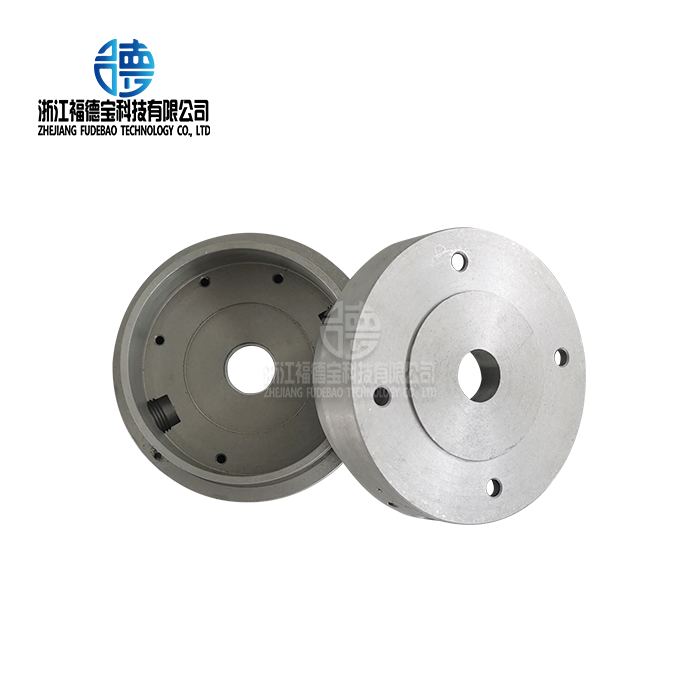
_1756347888208.webp "New energy motor shell")
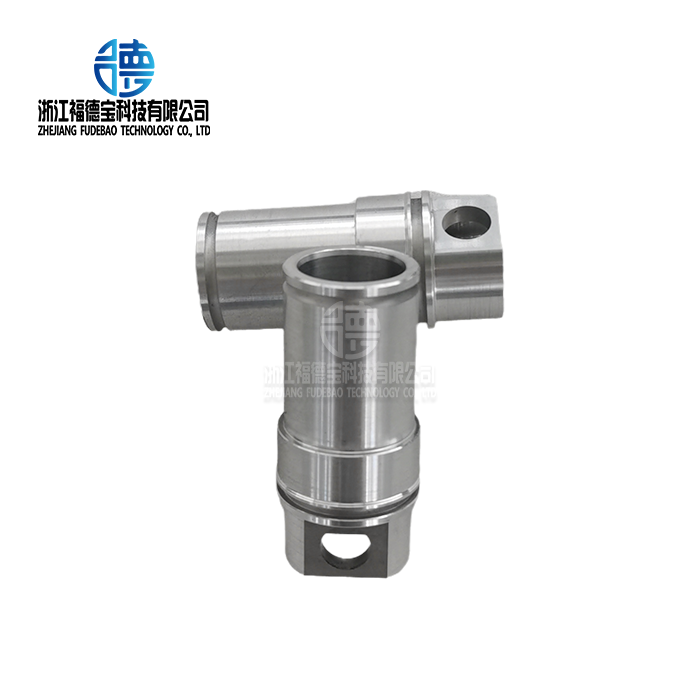
_1756352561845.webp "stainless steel blanking plug")