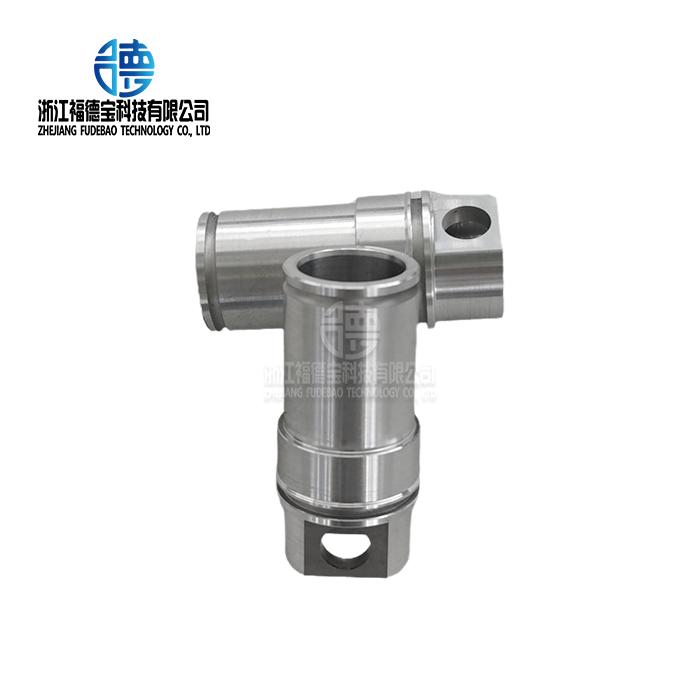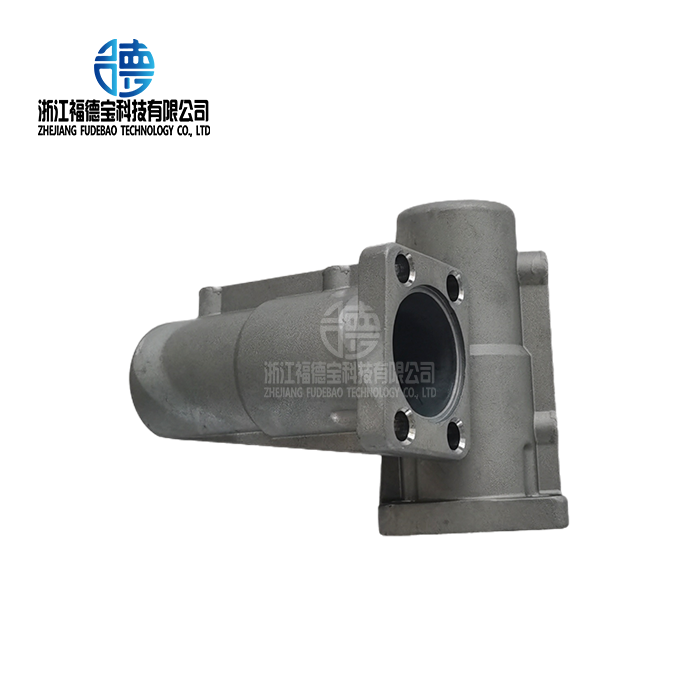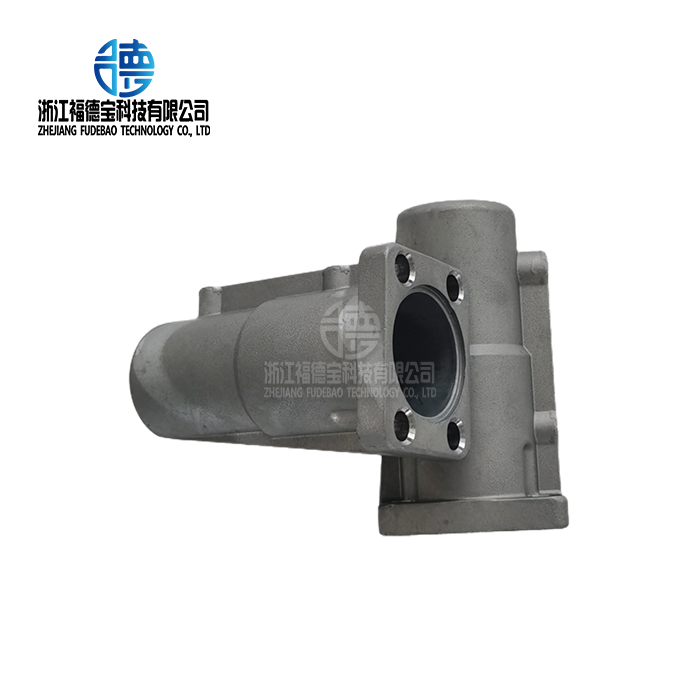
Aluminum Die Casting: Definition & Process
2026-03-28
Cutting metal parts with aluminum die casting is an exact process. High-pressure frames made of solid steel are pushed with molten aluminum metal. The pressure is normally between 1,500 and over 30,000 psi. With this High-Pressure Die Casting (HPDC) method, it's simple to make metal parts quickly that are well-defined, exact, and have a smooth surface. These parts are very useful in many ways in cars, factories, and planes. By making near-net-shape forms as single units, the process gets rid of the need for fussy building. It also cuts the weight of parts by a lot without affecting their structural stability. This is why it is so important for making electric cars use less gas and have longer ranges.
What is Aluminum Die Casting? - Core Definition and Basics
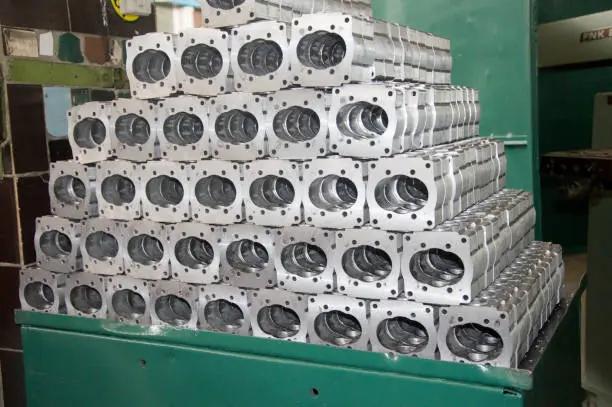
Controlled pressure injection is how liquid aluminum metals are turned into carefully planned parts by aluminum die casting. One of the most important tools for business is this one. At speeds of more than 60 meters per second, liquid aluminum is pushed into steel dies that can be used over and over again. This makes things with areas and sizes that are very exact.
Common Aluminum Alloys and Their Properties
The most common aluminum alloys used in die casting are A380, ADC12, and A356. Each of these metals was designed to work in a certain way. The A380 metal is very smooth and easy to cast, which makes it perfect for thin-walled parts that need fine details. ADC12 is especially good for car uses where longevity is important because it is more resistant to rust and has higher mechanical strength. A356 has better tensile strength and bending qualities, making it great for building parts that need to be resistant to impact.
The specific gravity of these metals is about 2.7 g/cm³, which makes them much stronger than other materials of the same weight. The thermal conductivity is between 96 and 120 W/m·K, which means it can get rid of heat much better than zinc and magnesium options. Because of this natural benefit, heat control systems can't do without aluminum die cast parts.
Key Industries and Applications
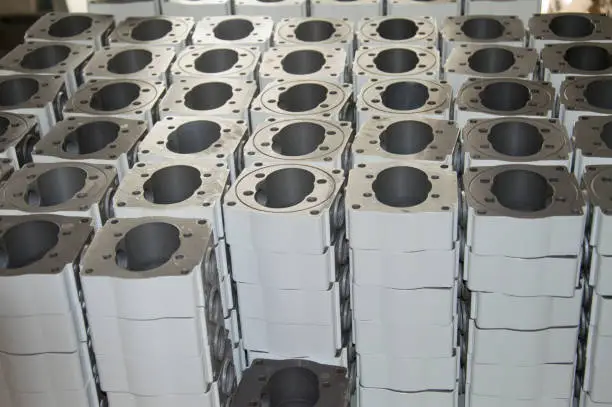
Die cast aluminum is used a lot in the production of engine blocks, transmission housings, and battery casings for electric cars. These parts are used in the aircraft business for structural parts that need to be lighter without sacrificing performance. Electronics companies use aluminum die casting to make heat sinks, frame parts, and EMI/RFI insulation, all of which need to be able to handle heat and electromagnetic fields without any problems.
The Aluminum Die Casting Process Explained
They can make plans that are easier to carry out while still meeting quality standards if engineering teams know all the steps that go into making aluminum die castings. The first step is to carefully get the molds ready. The best temperatures for steel dies are between 150°C and 300°C, depending on the shape of the part and the wall thickness that needs to be made.
Step-by-Step Process Overview
Kettles that can precisely control the temperature are used to heat aluminum chunks to temperatures between 650°C and 750°C so that liquid aluminum can be made. The degassing process gets rid of hydrogen and other impurities in the liquid metal that could make the part less strong. Automobile ladling systems move the liquid metal to the injection drums and precisely measure the shot weights.
The injection step is the most important part of the whole process. Systems that use hydraulics or electricity push liquid metal into die holes at up to 30,000 psi of pressure. These steps make sure that all the gaps are filled, even if the shapes are difficult and the pieces are thin. Turbulence and air trapping are kept to a minimum by carefully controlling the input speeds and pressure patterns.
Because aluminum is a good heat carrier and steel dies can soak up heat, the metal cools and solidifies fast. Time to cool varies from 10 to 60 seconds, depending on how wide the piece is and how complicated it is. Water cools channels inside the dies that speed up the process of getting rid of heat. This cuts down on cycle times and increases output.
Quality Control and Defect Prevention
To avoid problems like porosity, cold shuts, and flash formation, the first thing that needs to be done in the die design is to use the right opening, gate, and overflow systems. Tools that track things in real time keep an eye on things like die temperatures, injection settings, and cycle times to make sure that the parts are always of the same quality.
Coordinate measuring machines (CMM) are used to check how big something is, X-rays are used to find holes in things, and leak testing is done for things that need to be able to sense pressure. With these tight quality checks, parts are made sure to meet the PPAP standards for the auto industry and the approval standards for the aircraft industry.
Aluminum Die Casting vs Other Casting Methods - Making Informed Choices
The people who work in buying have to look at a number of casting methods to figure out which ones will work best for each job. Aluminum die casting is unquestionably better to other ways when it comes to measurement accuracy, the quality of the finish on the outside, and the speed at which large amounts can be made.
Comparison with Sand Casting and Investment Casting
One of the many ways to make big, difficult parts is with sand casting, compared to aluminum die casting. However, it can't get the exact measures and smooth surface finish that die casting can. These days, the range of limits for sand casting is between ±1.5mm and 3mm. The range for die casting is at least 0.3 mm. The surface roughness of die-cast parts is between 1.6 and 6.3 microns, and that of sand-cast parts is between 12.5 and 25 microns.
Each part costs a lot more and takes a lot longer to make with investment casting. However, the surface is smooth and the measures are correct. When fast production and consistent quality are most important, die casting is better. Investment casting, on the other hand, is better for low-volume, complex parts that don't need to be cut down much.
Material Property Comparisons
Zinc die casting is more stable in terms of size and lets you make walls that are thinner, but it is not as strong as aluminum for its weight. You can make things lighter by die casting magnesium, but you have to be careful with it because it can catch fire. When it comes to functionality, resistance to rust, and processing features, aluminum is the best choice.
When it comes to moving heat, aluminum die-cast parts are much better than zinc or magnesium ones. So, metal is the best thing to use for electronics and cars that need to get rid of heat. Corrosion protection is very useful for long-lasting tools used in construction, the marine industry, and the great outdoors.
Procurement Considerations for Aluminum Die Casting - Sourcing and Selecting Partners
A good way to find makers of aluminum die cast parts is to look closely at their skills, how they handle quality, and how much they know about technology. A lot of things need to be taken into account for engineering managers and buying directors to find the best solution. These include output capacity, location, certification compliance, and the likelihood of a long-term relationship.
Supplier Evaluation Criteria
Car providers must at least show that they follow ISO/TS 16949 for PPAP paperwork and statistical process control. Quality control is based on ISO 9001 approval. For use in aircraft, you need to be approved by AS9100 and have high-tech testing tools and full tracking systems.
When you look at production technology, you look at the skills, volume ranges, and levels of automation of die casting tools. Modern facilities with servo-driven machines, automatic cutting systems, and built-in quality tracking are more stable and efficient than older ones that used hydraulic systems.
Regional Manufacturing Considerations
Chinese makers of aluminum die casting offer fair prices and can change how much they make at any time. By putting in place plans for ongoing growth, many of their companies have met foreign quality standards. European suppliers are close to businesses in North America and already work with them in the car supply chain. When jobs need to be done quickly, local providers are better because you can get in touch with them more easily and wait less.
Make tools, get examples accepted, and start making more of the product. These are all parts of lead times. Development can take 12 to 16 weeks if the dies need to be changed more than once. However, if you work with skilled sources, basic forms can be ready for production in 6 to 8 weeks.
Benefits and Future Trends of Aluminum Die Casting
In addition to its immediate industrial advantages, aluminum die casting also offers long-term environmental objectives and new technological opportunities. Electric cars with lighter parts get better gas economy and can go farther on a charge, which helps the global effort to reduce greenhouse gas emissions.
Environmental and Economic Advantages
Aluminum is recyclable and doesn't lose any of its qualities over time. This means it can be used in closed-loop production systems that use fewer raw materials and have less of an effect on the environment. In line with the cycle economy, die casting waste and returned parts can be burned down and used again without losing any quality.
When you make very few goods and don't have to do as much extra cutting or putting them together, you save money. When you use near-net-shape casting, you can make difficult forms that would usually need a lot of made or soldered parts with as little waste as possible.
Emerging Technology Trends
Industry 4.0 has made it possible for die casting businesses to track processes in real time, do forecast maintenance, and use quality analytics. Along production lines, smart monitors record information about time, temperature, and pressure. Optimization tools then use this information to keep the process factors at their best on their own.
It takes less time to make a new product when 3D-printed sand blocks and sample tools are used for fast development. With these technologies, you don't have to buy full production tools to get design approval and test the market. This cuts down on the risks of making a product and speeds up the process of putting it on the market.
Modeling software works out how the filling will look, how the heat will respond, and where the pressures will be spread out before the tools are made. These digital twin technologies cut down on the number of times designs have to be tried and failed before they are better for both performance and ease of manufacture.
Conclusion
Die casting in aluminum is a useful method for companies that need to make things quickly, accurately, and well. The process gives very exact measures, a smooth surface, and amazing strength-to-weight ratios that help make things lighter in business, on airplanes, and in cars. When buying teams know how the process works, what the quality standards are, and how sellers are judged, they can make decisions that keep costs and wait times low while improving product performance. As robots and digitization continue to change how things are made, accurate, environmentally friendly, and cost-effective aluminum die casting will still be able to keep up.
FAQ
In die casting, what kinds of aluminum metals are used most often?
Most of the time, A380, ADC12, and A356 are the aluminum types that are used here. Because it is easy to make and doesn't rust, A380 is great for making parts for electronics and cars. ADC12 is more mechanically strong and physically stable, making it better for building structures. The tensile strength and flexibility of A356 are better, which makes it useful for high-performance and airplane uses.
How are the limits for aluminum die casting different from those for other ways of making things?
Most of the time, aluminum die casting can hold limits of ±0.3mm, which is much tighter than sand casting (±1.5-3mm) but not as tight as precision CNC cutting (±0.1mm). The process works the same way every time, even during large production runs, and the surface finish is very good, with an average hardness of 1.6 to 6.3 microns.
What affects the wait time for aluminum die casting?
The main factor that affects wait time is the complexity of the tooling. Simple dies take 6–8 weeks to make, while complicated multi-slide tooling takes 12–16 weeks. The number of orders affects when things are made, and the shape of the parts affects cycle times and the standards for quality approval. Delivery times are also affected by how much work suppliers are currently doing and how much space they have.
Can thin-walled parts be made with aluminum die casting?
With modern die casting technology, walls can be as thin as 1.5 mm while still being structurally sound and accurately sized. To avoid problems like cold shuts or partial fills, die design, injection settings, and cooling systems must be carefully thought out when making thin-walled parts.
Partner with Fudebao Technology for Premium Aluminum Die Casting Solutions
If you need aluminum die cast parts that work better than you thought they would, Fudebao Technology is ready to make them. There are high-tech die casting machines, CNC machining centers, and many surface treatment choices in our new building. In other words, we can help with everything, from making the plan better to sending the finished result. We've worked with a lot of car, space, and industrial equipment makers around the world for a long time, so we know exactly what quality standards your projects need. Our accuracy can reach ±0.05mm. As a company that makes aluminum die castings, we know how to deal with difficult forms, strict standards, and large production runs while keeping costs low and delivery times on track. Send an email to hank.shen@fdbcasting.com with your specific needs to talk about how our proven skills can help your product work better and your supply chain run more easily.
References
North American Die Casting Association. "Product Specification Standards for Die Castings." NADCA Standards Manual, 2023 Edition.
American Foundry Society. "Aluminum Alloy Properties and Applications in Die Casting." AFS Technical Publication, Vol. 45, 2023.
Society of Automotive Engineers. "SAE J431: Automotive Die Casting Quality Requirements." SAE International Standards, 2023 Revision.
International Journal of Advanced Manufacturing Technology. "Process Optimization in High-Pressure Die Casting of Aluminum Alloys." Volume 127, Issue 8, 2023.
ASM International. "Aluminum and Aluminum Alloys: Properties, Processing, and Applications." ASM Metals Handbook, 10th Edition, 2023.
Manufacturing Engineering Society. "Industry 4.0 Applications in Die Casting Operations: A Comprehensive Review." Journal of Manufacturing Sciences, Volume 34, 2023.



_1756345939856.webp "Aluminum casting chassis")
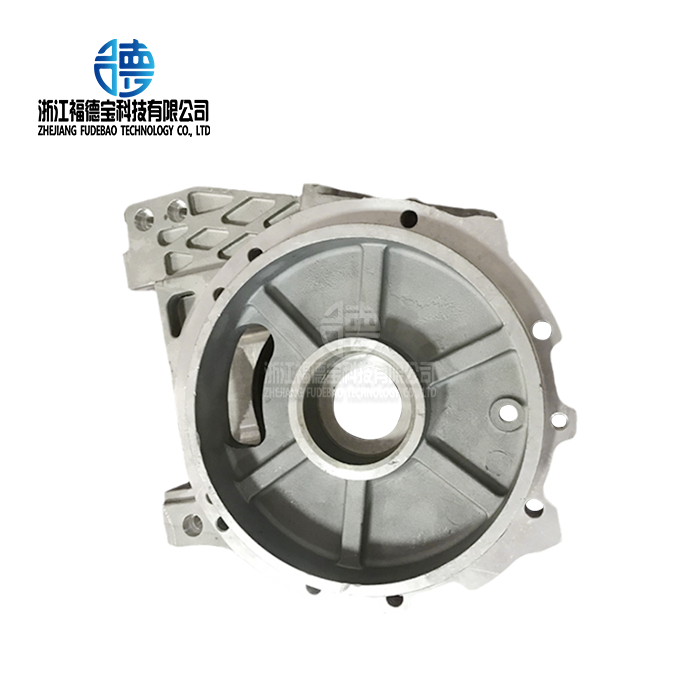
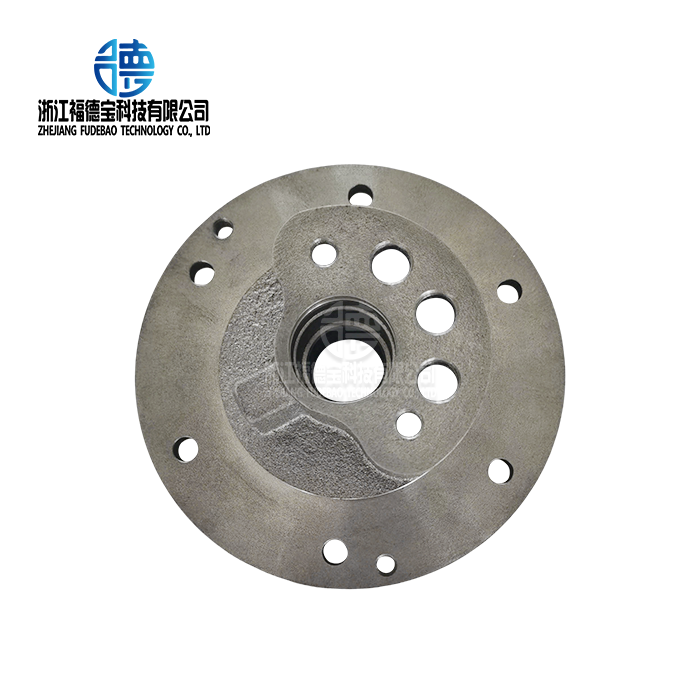
_1756346421748.webp "Aluminum casting telescopic bracket Parts")
_1756346043433.webp "guardrail connecting block")