
Advanced Die Casting Aluminum Alloys Enhance Corrosion Resistance and Durability
2026-07-30
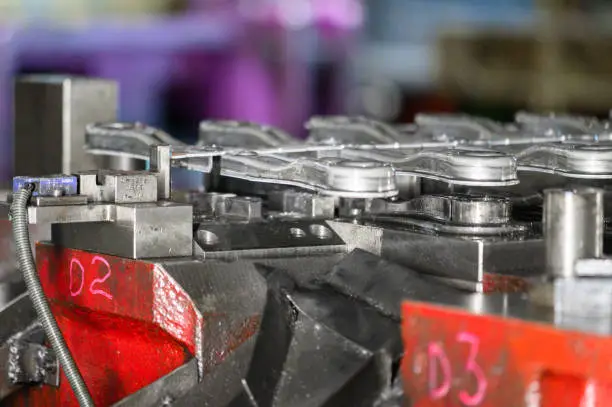
Advanced die casting aluminum alloys represent a transformative solution for industries demanding exceptional corrosion resistance and long-term durability. These specialized alloys—including A380, ADC12, and A356—combine precise alloying elements like silicon, copper, and magnesium to deliver outstanding performance in challenging environments. The high-pressure die casting process injects molten aluminum into steel molds at pressures exceeding 1,500 psi, producing dimensionally accurate components with inherent corrosion protection. This manufacturing approach solves critical challenges across automotive, aerospace, industrial machinery, and electrical sectors by providing lightweight strength, thermal stability, and resistance to chemical degradation that traditional materials cannot match.
Understanding Die Casting Aluminum Alloys and Their Corrosion Resistance
The main thing that makes die casting aluminum alloys strong is the carefully planned chemical makeup of them. Modern alloys are better at resisting rust because the alloying elements are carefully balanced to make safe oxide layers while keeping the alloy's mechanical integrity.
Composition and Alloying Elements That Drive Performance
Adding between 7% and 12% silicon to alloys like A380 makes them easier to cast and more resistant to wear. Copper additions of 0.5% to 3.5% increase tensile strength and hardness. However, higher amounts may make the material less resistant to corrosion in coastal settings. Magnesium, which is usually found in amounts between 0.3% and 0.6%, makes the aluminum structure stronger and makes it respond better to heat treatment. When this material is exposed to air, it naturally forms a thin, steady layer of aluminum oxide. This layer acts as a self-healing shield that stops deeper oxidation and chemical attack.
Environmental Factors Affecting Corrosion Behavior
Knowing how the climate affects the performance of aluminum helps buying teams choose the right alloys and surface treatments. When humidity levels are above 70%, and salt is present, galvanic rusting speeds up. This is especially true when aluminum touches different metals without being properly separated. Changing temperatures from -40°C to 150°C, which happens a lot in car engine rooms, causes thermal stress that can damage protective layers if they are not put on correctly. In industrial settings with sulfur compounds or chlorides, extra safety measures are needed on top of the natural oxide layer. We've seen that anodizing or powder coating greatly increases the service life of parts that are used in coastal areas or chemical processing plants. These methods can increase service life by 300% to 500%.
Surface Treatments and Protective Coatings
Surface engineering turns good resistance to rust into life that is out of this world. During anodizing, a controlled oxide layer up to 25 microns thick is formed. This layer protects well and keeps the dimensions accurate within ±0.02mm. Powder coating is better at resisting chemicals and comes in many colors for uses that need to look good and protect something. Chromate conversion coatings protect electrical enclosures and moderately exposed parts in a cost-effective way. Our plant uses these treatments according to NADCA guidelines. This makes sure that the quality stays the same over production runs of 50,000 units or more, and it keeps the ±0.05mm accuracy needed for uses in airplanes and cars.
Enhancing Durability Through Advanced Die Casting Processes
To get the most longevity, you need to have precise control over the whole casting process, from getting the metal ready to solidifying it. The high-pressure die casting aluminum alloys method we use solves common problems with toughness that shorten the life of parts.
Process Control and Metal Integrity
The first step in the casting process is to heat the aluminum metal to between 650°C and 750°C, making sure that the temperature stays low enough to prevent too much rusting. Injection speeds of 30 to 60 meters per second fill complicated shapes before they harden too quickly. This makes wall parts that are all the same and don't crack from strain. When metal solidifies, intensification pressure is used to pack down the structure, reducing the number of holes inside that make the metal less strong. Our die casting tools keep shot-to-shot uniformity within 2%, which is important for meeting the standards for PPAP documentation in the car industry, where dimensional stability has a direct effect on how efficiently the assembly line works.
Heat Treatment Methods for Enhanced Mechanical Properties
As-cast parts can be turned into high-performance parts that can handle harsh working situations with post-casting heat treatment. The T6 heat treatment involves solution heating at 520°C and then artificial aging at 155°C. This raises the tensile strength from 240 MPa to 310 MPa while keeping the elongation at 3% to 5%. This method works especially well for aircraft braces and structural parts in cars that are loaded and unloaded quickly. Solution treatment without fake aging (T4 state) makes parts that need middling strength more flexible and easier to shape during secondary operations.
Defect Prevention and Quality Assurance
Die cast parts are most likely to break over time if they have holes in them, which create stress concentration places that cause cracks to spread when the parts are loaded and unloaded again and again. This problem is fixed by vacuum-assisted die casting, which lowers the amount of trapped air to less than 0.3% by volume. This is shown by X-raying key parts. To control shrinkage, cooling lines must be strategically placed inside the die. This makes sure that solidification proceeds toward risers, which counteracts volumetric contraction. Our quality standards include checking the sizes of parts with CMM systems that are accurate to 0.005mm, testing the hardness in several areas, and tensile testing samples from every production batch. With this strict method, we've been able to get defect rates below 50 ppm for tier-1 car providers that need zero-defect delivery performance.
Selecting the Right Aluminum Alloy Grade for Corrosion and Durability Needs
The choice of die casting aluminum alloys has a big effect on both the short-term success of making and the long-term performance of parts. Different grades have different benefits based on the needs of the product and the environment in which it will be used.
Comparative Analysis of High-Performance Grades
A380 aluminum alloy is the best for general-purpose die casting because it flows easily, doesn't crack easily when heated, and has balanced mechanical qualities. This grade has between 7.5% and 9.5% silicon, which makes it resistant to corrosion and good for use in moderately humid environments in gearbox housings for cars and industrial equipment. With its lower copper content and magnesium additions, A356 alloy is better at being shaped and resisting corrosion, which makes it perfect for structural aerospace parts and marine uses. Because it can be heated to T6, it has tensile strengths above 280 MPa and stretch rates around 8%. This makes it useful for parts that need to be strong and resistant to impact. The Asian version of A380, ADC12, has a slightly higher silicon content that makes casting more efficient and improves the surface finish. It is best for making housings for electronics and electrical connecting bodies.
Industry-Specific Alloy Recommendations
A380 is good for automotive powertrain parts because it has a thermal conductivity of 96 W/m·K, which means it gets rid of heat quickly while keeping its shape over 100,000 kilometers of service intervals. Applications in the electrical energy sector need alloys that are good at conducting electricity and don't cause a lot of magnetic interference. A356 treated to the T6 condition meets these needs and also has the corrosion resistance needed for outdoor transformer housings that are exposed to industrial atmospheres. Heat-treated A356 is the best material for industrial gear that works in places with a lot of shaking because it doesn't crack after millions of stress cycles. For aerospace uses, you need certified metals with full proof of their origin. We keep AS9100 certification and provide material certificates that can be traced back to the original melt batch analysis, meeting the strict needs of aerospace engineers and quality directors.
Procurement Considerations and Supply Chain Factors
Choosing the right alloy is only one part of successful procurement. Capabilities of the supplier and delivery reliability are also important. Certified providers must show that they can keep the alloy makeup within ±0.5% of the standard limits for every production lot. This can be checked using optical emission spectroscopy. Lead times depend on how complicated the mold is. For example, it takes 6 to 8 weeks from the approval of the design to the delivery of the first bracket, but 12 weeks for complex multi-cavity molds used to make structural parts for cars. Custom alloy formulation gives us a competitive edge when standard grades can't meet the needs of a particular application. Our metallurgy team has created special compositions that improve qualities like strength at high temperatures or resistance to extreme corrosion. Our wide range of die casting tools, which have clamping forces from 280 to 1,250 tonnes, allows us to produce prototypes in numbers as low as 50 pieces and large quantities as over 500,000 pieces per year.
Applications and Case Studies Demonstrating Performance in Corrosive Environments
The success of advanced die casting aluminum alloys in the real world proves their superiority in demanding fields where component failure has major effects.
Automotive Engine Components and Thermal Management
Modern car powertrains put aluminum parts through a lot of temperature changes, vibrations, and chemical contact from coolants and oils. A big North American automaker used A380 die cast engine blocks in their turbocharged four-cylinder engines. These blocks were 15% lighter than iron castings and kept the cylinder bore stable within 0.02mm during 200,000-kilometer durability tests. Because the aluminum metal doesn't rust naturally, there were no longer any worries about the degradation that coolants could cause in older designs. The housings for electric car batteries are another important use for A356 alloy. It protects the structure and gets rid of the heat that is created during rapid charging processes. In temperatures ranging from -40°C to 85°C, these housings must keep their seals intact while also being resistant to road salt. Our heat-treated parts regularly meet or exceed these performance requirements over the course of their 10-year service life forecasts.
Electronic Enclosures and Telecommunications Infrastructure
The telecommunications industry needs aluminum housings that protect sensitive equipment and can be left outside for decades. Our die-cast cases made of A380 alloy and finished with a powder coating keep 5G base station equipment safe in seaside sites. After 1,000 hours of exposure to salt fog, testing according to ASTM B117 standards shows that less than 0.1 mm of corrosion has penetrated the enclosures. Aluminum's ability to conduct heat is important for passively cooling high-power radio frequency amps, which gets rid of the need for active cooling systems that are less reliable. Consumer electronics companies choose our precision die cast laptop chassis because the A380 alloy gives it the rigidity needed to protect fragile circuit boards during drop tests and the thin-wall sections (down to 1.8 mm) that make it possible for sleek industrial design.
Aerospace and Defense Applications
When aerospace parts are used in the harshest circumstances, any loss of the materials is simply unacceptable. We provide A356-T6 structural brackets and housings for commercial aircraft auxiliary power units. These parts must work reliably for 30,000 flight cycles while being exposed to jet fuel, hydraulic fluids, and moisture in the air. During the production process, we use fluorescent penetrant inspection and ultrasonic testing to find any surface or subsurface flaws that are bigger than 0.5 mm. We keep full tracking records that meet FAA review standards. Defense uses die cast aluminum in military ships' fire control systems to keep them from rusting in salt spray settings and to keep the exact measurements needed for optical alignment over 20-year service intervals.
Future Trends and Innovations in Die Casting Aluminum Alloys
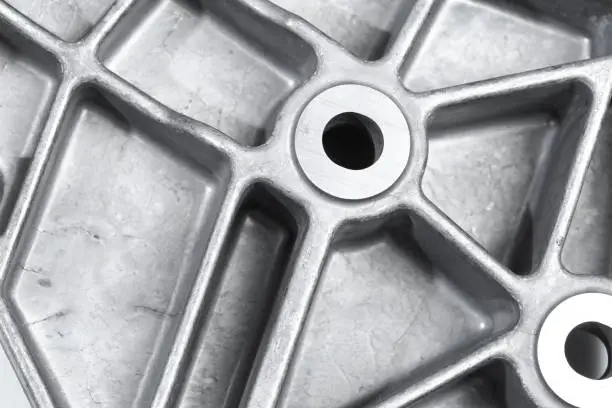
Die casting aluminum alloys technology and metal creation are still changing quickly because the industry wants better performance and care for the environment.
Emerging Alloy Compositions and Performance Enhancements
Metallurgical research is mostly focused on nano-structured aluminum alloys that contain rare earth elements in amounts lower than 1%. These alloys are much better at keeping their strength at high temperatures and not giving way. Because of these new compositions, die cast parts can be used instead of machined forgings in situations where aluminum wasn't strong enough before. Aluminum-scandium hybrid alloys show potential for aircraft uses that need very high strength-to-weight ratios, but the high cost of the materials currently limits their use to specialized uses. We are keeping a close eye on these changes and are ready to use breakthrough alloys as soon as they can be used in commercial settings and meet cost targets that high-volume manufacturers can accept.
Sustainability and Recycling Initiatives
Environmental factors are becoming more and more important in all businesses when choosing materials. Aluminum is better than other materials because it can be recycled over and over again without losing any of its properties. Closed-loop recycling systems at our plant reuse gating and runner scrap, which cuts the amount of raw materials needed by 18% while keeping the alloy's structure the same. Up to 30% of our fuel is now secondary aluminum from post-consumer sources. This lowers the embodied energy by 95% compared to primary aluminum production while meeting the same performance standards. These environmentally friendly practices are in line with what automakers want for supply chains to have a smaller carbon footprint. This gives purchasing teams both technical and measurable environmental benefits.
Smart Manufacturing and Industry 4.0 Integration
Real-time process monitoring and artificial intelligence are being used more and more in advanced die casting operations to improve quality and efficiency. Our factory has shot monitoring systems that record the speed of the injection, the pressure inside the cavity, and the temperature profiles for each cycle. If these profiles change outside of the statistical process control limits, these systems automatically alert us. Predictive maintenance algorithms look at machine performance data to plan die maintenance before problems happen. This gets rid of the need for scrap because of old tools. These digital production features give aircraft quality leaders the consistency and paperwork they need while also lowering the cost per unit through higher first-pass yield rates. Machine makers are still working on vacuum-assisted systems and advanced coatings that can make dies last longer than 150,000 shots. This lowers the overall cost of tooling for long-production-run parts that are popular in the car and industrial equipment industries.
Conclusion
Advanced die casting aluminum alloys have been shown to be resistant to corrosion and long-lasting, which is important for demanding B2B uses in the aerospace, automotive, industrial, and electrical sectors. Choosing the right metal types, like A380 and A356, along with precise high-pressure die casting methods and the right surface treatments, lets you make parts that can last in harsh conditions and still keep their shape and mechanical performance. Our wide range of skills, from metallurgical knowledge to final inspection, helps procurement professionals find reliable partners who can provide certified materials, consistent quality, and flexible production volumes. Die casting aluminum is the best way to make next-generation parts that need to be both technically perfect and good for the environment. This is because alloy compositions, sustainable manufacturing practices, and smart process technologies are all always getting better.
FAQ
How does aluminum compare to magnesium alloys for corrosion resistance?
In most industrial settings, aluminum metals are better at resisting rust than magnesium. Aluminum naturally makes a stable oxide layer that fixes itself when scratched, but magnesium needs protective coatings to keep it from breaking down quickly in wet circumstances. Magnesium has a slightly better strength-to-weight ratio, but it can't be used in places where it will be exposed to salt or water for a long time. For parts that need to work reliably for a long time without a lot of surface protection, procurement teams should select aluminum.
What heat treatment provides optimal corrosion protection?
For most uses, the T6 heat treatment gives the best mix of mechanical strength and resistance to corrosion. The solution heat treatment and artificial aging process make the grains more uniform, which stops intergranular corrosion and improves the strength. For parts that need to be as flexible as possible, the T4 condition may be best. However, rust resistance is good in all heat treatment conditions as long as the right metal is used.
How should buyers verify supplier quality standards?
Ask for material certificates that include full chemical analyses, reports on measurement inspections done with accurate CMM equipment, and proof of process control through statistical studies of process capability. A minimum of ISO 9001 certification is held by qualified providers. Automotive suppliers hold IATF 16949 certification, and aircraft suppliers hold AS9100 certification. Before giving out contracts for important parts, you should do on-site audits that look at how the dies are maintained, the records of how the inspection equipment is calibrated, and the traceability systems.
Partner with Fudebao Technology for Premium Die Casting Aluminum Alloy Solutions
Zhejiang Fudebao Technology stands ready to support your precision casting requirements with world-class die casting aluminum alloys manufacturing capabilities. Our integrated center includes the whole production process, from melting metal to CNC machining and surface treatment. This means that we can deliver final parts that are exact to ±0.05mm in just one visit. We work with picky buyers in the electrical, aerospace, automobile, and industrial machinery industries who need certified materials, strict quality paperwork, and dependable delivery schedules. Our main pieces of equipment are high-speed machining centers, modern CNC lathes, and die casting tools that can hold between 280 and 1,250 tonnes. They are backed up by full inspection systems that make sure every part meets your exact requirements. Our engineering team works together to make sure that designs are as easy to make as possible while still meeting the needs of your uses for corrosion resistance and longevity. This is true whether you need a few prototypes or more than 500,000 units per year. We are a well-known supplier of die-cast aluminum alloys, and we offer material traceability, PPAP documentation, and technical support for the whole lifecycle of your product. Email our team at hank.shen@fdbcasting.com to talk about how Fudebao Technology's proven skills can help your next project succeed by providing better aluminum casting options.
References
1. American Foundry Society (2021). Aluminum Casting Technology: Alloy Selection and Performance Optimization. Des Plaines: AFS Publications.
2. North American Die Casting Association (2020). Product Specification Standards for Die Castings: Dimensional Tolerances and Quality Guidelines. Wheeling: NADCA Technical Committee.
3. Davis, J.R. (2018). ASM Specialty Handbook: Aluminum and Aluminum Alloys. Materials Park: ASM International.
4. European Aluminium Association (2019). Corrosion Resistance of Aluminium Alloys in Industrial Environments: Technical Guidelines. Brussels: EAA Technical Reports.
5. Society of Automotive Engineers (2022). SAE J452: General Data on Wrought Aluminum Alloys for Automotive Applications. Warrendale: SAE International Standards.
6. Zhang, L., and Wang, H. (2020). Advanced Die Casting Processes: Vacuum-Assisted Technology and Defect Reduction Strategies. Journal of Materials Processing Technology, Volume 287, Article 116845.



YOU MAY LIKE