
5 Important Things You Need to Know About aluminum die casting process
2026-07-16
When procurement teams look at different ways to make precision metal parts, they need to know how the aluminum die casting process works in order to make good decisions. In this high-pressure manufacturing method, liquid aluminum alloy is injected into hardened steel molds at pressures ranging from 1,500 to over 30,000 psi. This makes parts that are exact in size and have great surface finishes. The process gets rid of complicated welding systems, greatly lowers the weight of parts, and allows for mass production with a few extra steps. This solves important problems in areas like aerospace, automobile, industrial machinery, and electrical equipment.
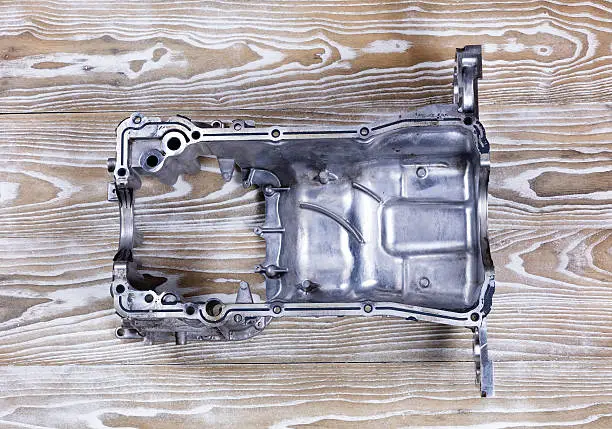
Understanding the Aluminum Die Casting Process
The aluminum die casting process workflow is a complex series of carefully controlled mechanical and metalworking steps that have a direct effect on the quality of the finished part.
The Complete Manufacturing Cycle
Aluminum alloys, usually A380, ADC12, or A356, are heated to around 700–750°C in melting ovens before die casting can begin. The molten metal is then sent to the injection system, where it is pushed into precision-machined steel dies at speeds of up to 100 meters per second by hydraulic or mechanical systems. This fast injection makes sure that the mold hole is fully filled before it solidifies too soon. Cooling channels inside the die slowly remove heat, letting the part harden in 20 to 90 seconds, based on the wall thickness and shape. Once the casting is set, ejector pins take it out of the die, and the process starts all over again. These days, high-pressure die casting machines can do 30 to 50 cycles per hour, which makes this method very useful for making a lot of things.
Critical Process Parameters That Determine Quality
Common Defects and Their Prevention
Porosity is still the hardest flaw to fix in aluminum die casting. It can show up as gas porosity from trapped air or shrinkage porosity from not feeding the metal enough while it solidifies. By removing air from the die hole before injection, vacuum-assisted die casting methods cut down on gas trapping by a large amount. When two metal fronts meet without properly fusing, this is called a cold shut. It usually happens because of not enough injection pressure or cooling too soon. When gas trapped below the surface expands during operation or heat treatment, blisters form. Surface flaws like flow marks and drag marks make things look bad and could be a sign of bigger problems with the process. To avoid these flaws, you need to use a combined method that includes choosing the right metal, controlling the injection settings, and placing the gates in the best way possible. When engineering managers and quality teams know about these failure modes, they can set meaningful inspection criteria and supplier qualification standards.
Benefits of Aluminum Die Casting Compared to Alternative Methods
Choosing the right casting method has a huge effect on both the performance of the part and the total cost of ownership over the life of the product.
Superior Precision and Surface Quality
The aluminum die casting process delivers excellent dimensional accuracy, usually within ±0.05mm to ±0.1mm without any extra work. This is much better than sand casting, which has tolerances of ±0.5mm or more. This accuracy comes from the rigid steel molds and high injection pressures that make the mold details look very much like the real thing. Surface finishes usually get Ra 1.6 to 3.2 micrometers as-cast, which means that grinding isn't needed after sand casting. It's possible to make sharp corners, walls as thin as 1.5 mm, and complex internal features that wouldn't be possible or would be too expensive to make any other way. When compared to CNC cutting from billet, die casting wastes over 80% less material and makes net-shape shapes that don't need much finishing. These benefits directly lead to lower assembly costs and better functionality in situations like automobile gearbox housings, where precise mating surfaces are needed to ensure proper alignment and seals.
Mechanical Properties and Thermal Performance
The specific gravity of aluminum alloys used in die casting is about 2.7 g/cm³. This means that they have a high strength-to-weight ratio compared to steel or iron components, which makes them much lighter. This weight loss directly improves the fuel efficiency of cars that use petrol and the range of electric cars. These are important performance metrics that are used to make design decisions for cars. With a thermal conductivity of 96–120 W/m·K, aluminum die castings are perfect for cooling down electric motor housings, power electronics enclosures, and LED light fixtures. The natural layer of aluminum oxide protects against rust, and anodizing or powder finishing can make it even better. Aluminum die casting works better at high temperatures and has a lower density than zinc die casting. Aluminum is better than plastic injection molding because it is structurally rigid, keeps its shape even when temperatures change, and blocks electromagnetic waves, all of which are important in telecommunications infrastructure and industrial control systems.
Production Economics at Scale
When spread out over a large volume of production, the high starting cost of hardened steel dies used in the aluminum die casting process—usually between $15,000 and $100,000, based on how complicated they are—becomes economically viable after about 2,000 to 5,000 units. Cycle times of 20 to 90 seconds make it possible to make more than 100,000 parts per die every year. Because of the high throughput and low number of secondary operations, the cost per unit is much lower than with machining or low-pressure casting for medium to high volume uses. For prototypes or low-volume production of less than 500 units, sand casting is still the most cost-effective option. However, it can't match the accuracy and consistency needed for tier-1 automotive applications or OEM specifications for industrial equipment. When companies switch from making assemblies to casting a single piece, they often save 30 to 50 percent on costs and get better performance through integrated design optimization.
Design Guidelines and Process Optimization Tips
For the best casting results, design engineers and manufacturing experts need to work together during the early stages of development.
Fundamental Design Principles
Wall thickness has a big effect on both the quality of the casting and how quickly it can be made. Even cooling and less interior stress are helped by walls that are all the same thickness, which should be between 2.5 mm and 4 mm. Hot spots are created when thickness changes happen quickly. To avoid this problem, thickness changes should happen slowly over distances that are at least three times the difference in thickness. Draft angles between 1 and 3 degrees make it easier to remove parts and extend the life of the die by cutting down on friction and galling. Ribs and gussets should be 50–60% of the thickness of the next-to-it wall to avoid sink marks and provide the necessary structural support. Radii around corners get rid of stress points. Radii on the outside should be at least 0.5 mm, and radii on the inside should be at least 1 mm. This makes the metal flow better. If you use these guidelines when designing from the very beginning of the concept phase, you won't have to make expensive redesigns or changes to the tools during validation.
Advanced Manufacturing Technologies
Simulation software has changed the way the aluminum die casting process is made by letting us predict how metal will flow, find potential flaws, and identify the best gate locations before cutting the steel. With these virtual validation tools, the number of physical prototypes required can be reduced, shortening development times from months to weeks. Automated systems, such as robotic part extraction, integrated trimming, and vision-based inspection, improve consistency while reducing manual labor. Vacuum-assisted die casting systems can achieve porosity levels below 0.5% by volume, enabling applications such as welding and heat treatment that are not feasible with conventional methods. Real-time monitoring systems continuously track variations in injection pressure, die temperature, and cycle time. If any of these parameters exceed normal ranges, the systems can automatically adjust settings or issue alerts. All of these technologies work together to improve first-pass yield rates, extend tool life, and reduce total cost of ownership. These capabilities are what distinguish advanced suppliers from standard foundries.
Quality Control and Inspection Methods
Coordinate Measuring Machines (CMM) check the accuracy of dimensions against CAD geometry and tolerance specifications during the aluminum die casting process. They do this by collecting statistical process control data that is needed for PPAP approval in the automotive industry. X-ray fluoroscopy and computed tomography show internal porosity and inclusions without damaging the material. This allows all key safety component features to be verified in aerospace and defense applications. Spectrographic analysis proves that the alloy's composition meets ASTM B85 standards. This prevents material substitution and ensures that mechanical properties remain consistent. Testing the sealing integrity of hydraulic parts, compressor housings, and fluid management systems under specific pressure conditions using air or water is known as pressure tightness testing. To identify surface-breaking cracks and cold shuts, surface inspection uses both visual examination and dye penetrant testing. Applying these inspection procedures at the incoming, in-process, and final stages gives quality teams greater confidence and establishes clear acceptance criteria that comply with ISO 9001 and AS9100 standards.
Procurement Insights: Choosing the Right Aluminum Die Casting Partner
When choosing a supplier, it's not just about price; technical skills, quality systems, and the ability to work together to solve problems are also important.
Essential Qualification Criteria
Certifications give you basic peace of mind about how well quality control is being done. ISO 9001 certification shows that methods are written down and that processes for ongoing growth are in place. Automotive suppliers need to be IATF 16949 certified and be able to provide PPAP reports, material certifications, and process flow documentation. For aerospace uses, you need AS9100 approval with full material tracking and special controls for the process. In addition to qualifications, you should look at the company's production skills, such as its press tonnage range, level of automation, ability to do machining in-house, and surface treatment choices. For OEM customization to work, you need engineering tools like CAD/CAM systems, simulation software, and experienced application engineers who know the needs of your industry. Visits to supplier facilities show how well the equipment is maintained, how well the workplace is kept clean, and how skilled the workers are. These are all factors that are strongly linked to how well deliveries are made and how consistently good the quality is.
Understanding Cost Structures and Lead Times
Evaluating Beyond Price
Service capabilities set strategic partners apart from transactional suppliers. During the quotation stage, design for manufacturability (DFM) reviews identify potential issues in the aluminum die casting process and suggest geometry modifications that reduce costs without affecting functionality. Development timelines are shortened through prototyping services such as 3D printing for concept validation and soft tooling for small-batch testing. Supply chain flexibility, including inventory management, kanban delivery, and consignment arrangements, reduces the amount of operating capital required. Technical support throughout a product's lifecycle, including field issue resolution, in-use modifications, and cost reduction initiatives, creates value for both parties beyond the initial transaction. Communication efficiency, cultural compatibility, and intellectual property protection measures should also be carefully evaluated, especially when sourcing from overseas suppliers. When purchasing managers balance these factors with pricing considerations, they can achieve the optimal total cost while minimizing supply chain risks.
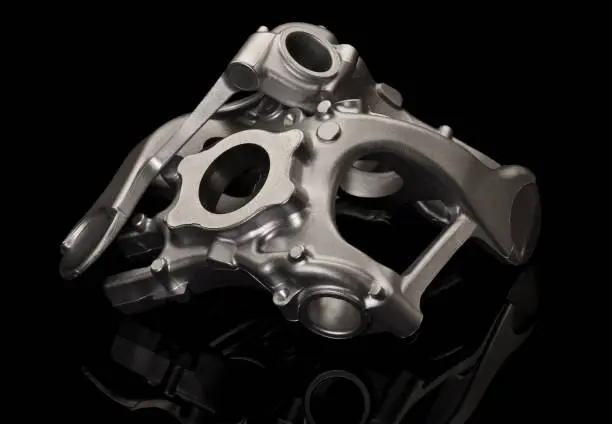
Advanced Trends and Innovations in Aluminum Die Casting
New technologies keep adding to what we can do and also help with the environmental issues that are forcing industries to change.
Digitalization and Smart Manufacturing
Simulation software has come a long way from its early days of just showing fill patterns. Now it can do full virtual commissioning that can accurately predict distortion, residual stress, and mechanical properties. These digital twins allow for first-time-right tooling designs, which get rid of the need for time- and resource-consuming real testing. Using sensors like thermocouples, pressure detectors, and position encoders together creates real-time data streams that are fed into artificial intelligence algorithms. These algorithms find small changes in the process before they cause problems. Instead of waiting for a major failure to happen, predictive maintenance systems look at vibration signs and thermal trends to schedule maintenance on dies during planned breaks. Automotive OEMs and tier-1 suppliers are especially interested in these Industry 4.0 technologies because they are used in smart factories, where connected equipment and data analytics drive continuous improvement.
Sustainability and Circular Economy
As customers look more closely at supply chain carbon footprints, environmental duty has gone from being a nice thing for companies to do to something they have to do to stay competitive. Recycling aluminum uses only 5% of the energy needed to make it from bauxite ore in the first place. This makes secondary aluminum alloys good for the environment while keeping their mechanical performance. In the aluminum die casting process, modern melting furnaces use 20–30% less energy than older equipment because they are equipped with recuperative burners and waste heat recovery systems. Solvent-based die lubricants have been replaced by water-based ones, which eliminate volatile organic compound emissions. Installing solar panels and purchasing renewable energy can further offset the remaining carbon intensity. Companies that make electrical equipment and renewable energy sources support these efforts because they extend their commitments to sustainability to the parts they buy. When bidding against other companies, demonstrating environmental performance through Product Environmental Footprint (PEF) assessments or ISO 14001 environmental management systems helps suppliers stand out.
Material and Process Innovations
Vacuum-assisted aluminum die casting has grown from a niche specialty to a common technique. It now allows heat treatment processes that improve mechanical properties to levels close to those of permanent mold or investment castings. Thixocasting and other semi-solid metal casting methods reduce porosity while making it possible to make complex shapes and thin walls that weren't possible before. Conformal cooling channels are now made in die inserts using additive manufacturing technologies. This makes heat management better and cuts cycle times by 15–25%. Squeeze casting takes the best parts of forging and casting and combines them to make high-quality mechanical parts for high-performance automotive and aerospace structures. These more advanced techniques cost more, but they work better than traditional die casting, so they are worth the extra money for demanding applications where die casting fails.
Conclusion
In order to master the aluminum die casting process, you need to understand how material science, mechanical engineering, and production economics all work together. Procurement professionals and engineering teams can use the five key knowledge areas—basics of the process, comparative advantages, design optimization, supplier selection, and new technologies—to make smart decisions that improve performance, cost, and supply chain resilience. Aluminum die casting is still an important way to make things because it is precise, efficient, and good value. This is especially true as lightweighting requirements rise in the transportation and automotive sectors, as thermal management problems get worse in power electronics and renewable energy systems, and as production volume needs rise in industrial machinery.
FAQ
What makes aluminum die casting more expensive initially but cheaper at volume?
Buying hardened steel tools up front requires a big investment, which means high start-up costs, usually between $15,000 and $100,000, depending on the complexity of the part and the number of cavities. This set cost is spread out over the number of goods that are made, so as the number of goods made goes up, the unit cost goes down by a huge amount. When compared to machining or fabrication methods, processing costs per piece are much lower with short cycle times (20–90 seconds) and few secondary operations. Most of the time, the economic breakeven point is between 2,000 and 5,000 units. After that, aluminum die casting becomes more cost-effective, especially for complex shapes that would need multiple machining setups to be made any other way.
How does porosity affect component performance, and how is it controlled?
Porosity makes a spot weaker, which lowers the tensile strength, weakens the pressure tightness, and stops welding or heat treatment from working. Gas porosity happens when air gets stuck during injection, and shrinking porosity happens when metal isn't fed enough during solidification. Control strategies include vacuum-assisted systems that empty die holes before injection, optimized gate design that directs metal flow to push air toward vents, squeeze pins that apply more pressure during solidification, and the right degassing of the alloy. X-ray inspection measures porosity levels, and the levels that are acceptable depend on the application. For example, aerospace parts can handle almost no porosity, while non-structural housings may be able to handle higher levels.
Can aluminum die castings be heat-treated to improve strength?
Standard high-pressure die casting alloys, such as A380, have high amounts of silicon, which makes heat treatment less effective because the alloys are very porous and gases get stuck inside them. Specialized vacuum-assisted die casting cuts porosity to less than 0.5% by volume, which lets T5 and T6 heat treatments make the metal much stronger. When processed through vacuum systems, other alloys, such as A356, which is made to be heated, have better mechanical properties. Heat treatment costs more and takes longer, but it's worth it when the part's requirements are higher than what it can do as-cast. Talking about the needs of the application with experienced providers during the planning phase helps find out if the need for heat treatment means that the process needs to be changed.
Partner with Fudebao Technology for Advanced Aluminum Die Casting Solutions
Zhejiang Fudebao Technology has a lot of experience with the aluminum die casting process and works with original equipment makers (OEMs) in the car, industrial equipment, electrical system, and aerospace industries around the world. Our integrated facility has high-pressure die casting machines that can hold 180 to 1,250 tons, CNC machining centers, and full surface treatment facilities. This means that we can deliver parts from blanks to finished products with a level of accuracy of ±0.05mm. We keep our IATF 16949 car certification up to date and help with all of the paperwork that goes along with it, such as verifying dimensions, certifying materials, and doing process capability studies. During the design phase, our engineering team works together to provide DFM analysis, simulation validation, and prototype development. This shortens the time it takes to get a product to market and improves the economics of manufacturing. Get in touch with our technical team at hank.shen@fdbcasting.com to talk about your specific part needs and find out how Fudebao Technology's aluminum die casting process can meet your needs for accuracy, consistency, and dependability from a reputable manufacturer.
References
1. North American Die Casting Association. (2021). Product Specification Standards for Die Castings: Aluminum and Aluminum Alloys. NADCA Technical Standards.
2. American Society for Testing and Materials. (2019). ASTM B85-19: Standard Specification for Aluminum-Alloy Die Castings. ASTM International.
3. Kaufman, J.G. & Rooy, E.L. (2004). Aluminum Alloy Castings: Properties, Processes, and Applications. ASM International.
4. Herman, E.A. (2002). Die Casting Process Engineering and Internal Quality. North American Die Casting Association.
5. Campbell, J. (2015). Complete Casting Handbook: Metal Casting Processes, Metallurgy, Techniques and Design. Butterworth-Heinemann.
6. Gullery, R. (2018). Advanced High-Pressure Die Casting: Process Fundamentals and Quality Assurance. Society of Die Casting Engineers Publication Series.



YOU MAY LIKE