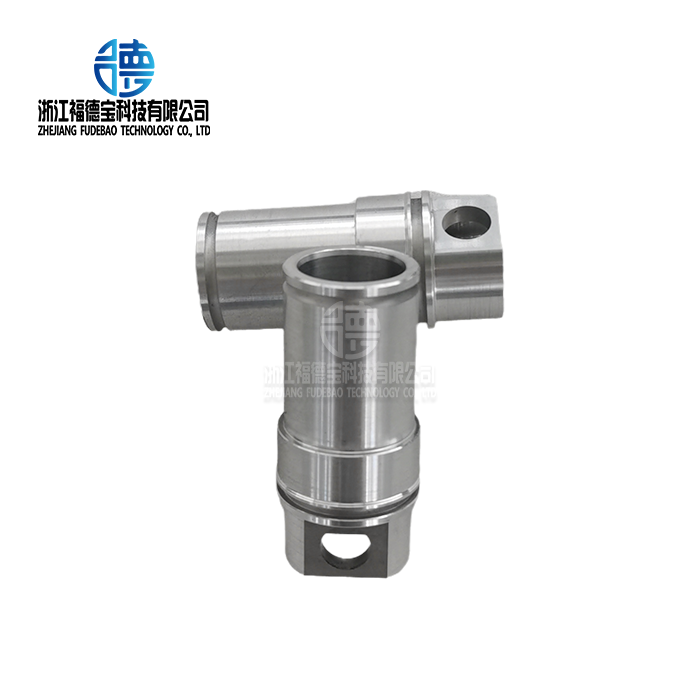
What Is Sand Casting? Process, Benefits & Uses
2026-03-20
Sand casting is a metal forming process that utilizes bonded sand mixtures to create expendable molds for producing complex metal components. This versatile manufacturing method accounts for over 60% of all metal castings globally and serves as the backbone for industries requiring durable, precision-engineered parts. The process involves creating detailed sand molds into which molten metal is poured, cooled, and solidified to form everything from automotive engine blocks to aerospace components. Unlike other casting methods, sand casting offers unmatched flexibility in design complexity, accommodates massive casting weights ranging from ounces to over 100 tons, and supports both ferrous and non-ferrous metals including aluminum, steel, iron, and specialized alloys.
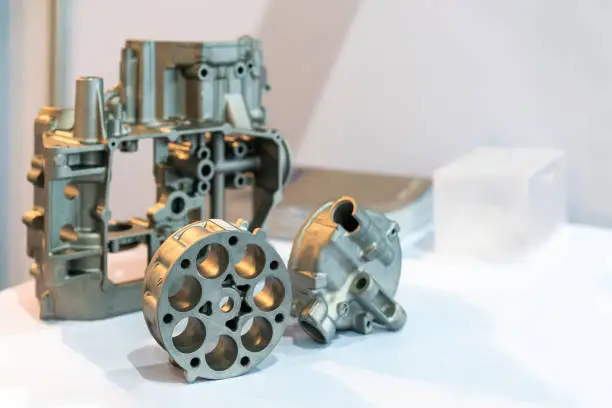
Understanding Sand Casting: Basics and Process
One of the oldest and most effective ways to shape metal in modern industry is through sand casting. With this method, carefully mixed sands—mostly green sand with clay binders or chemically-bonded resin sand—are used to make temporary models that can withstand temperatures above 1600°C without breaking.
Core Materials and Sand Types
Choosing the right shaping materials is the first step to making a good sand casting. Green sand casting uses wet clay and water-based binders, which makes it a very cost-effective way to make a lot of things while still keeping the right size limits for most uses. Resin sand systems use chemical agents like furan or phenolic compounds to make parts with better surface finishes and accurate measurements that are needed for precision parts.
Because it is highly refractory and stable at high temperatures, silica sand is still the most common material. Because the sand is permeable, it lets gases that are held escape while the metal is being poured. This stops dangerous porosity flaws that could weaken the part. These days, foundries also use man-made clay and special chemicals to make molds stronger and improve the quality of the castings.
Step-by-Step Sand Casting Process
The sand casting process begins with making a design. From wood, metal, or plastic, exact copies of the part that is being cast are then made. To make sure the end sizes are right, these designs include machining adjustments and shrinkage corrections. Pattern makers use draft angles and splitting lines to make it easier for molds to separate without damaging them.
Packing ready-made sand around the design inside flask sections is part of preparing the mold. The sand needs to be just the right amount of compacted to keep the mold from wearing away while the metal is being poured, but it also needs to be able to let gas escape. Core making makes internal holes and complicated shapes that can't be made by shaping the outside only.
To melt or pour metal for sand casting, you need to carefully control the temperature and time it takes. Molten metal flows into the mold hole through gates that are carefully built to control the flow speed and reduce noise. If you build your gates correctly, you can avoid problems like cold shuts, misruns, and inclusion flaws that could make castings useless.
Quality Control and Finishing Operations
Some of the things that are done after casting are controlled cooling, mold removal, and cleaning. The sand's ability to collapse makes it easy to remove without hurting the casting, which stops the hot tearing problems that often happen with hard mold systems. After more grinding, the final dimensions and surface treatments are met, making the part ready for assembly.
Advantages and Benefits of Sand Casting for B2B Clients
Decision-makers in the manufacturing industry always choose sand casting because it is so flexible and cost-effective. The process gets rid of the need for die casting's very expensive fixed tools, which makes it possible for small to medium-sized production runs and prototype development.
Economic and Operational Benefits
The following advantages make sand casting particularly attractive for B2B buying methods:
- Low Initial Investment: Pattern costs are a small part of die casting equipment costs, which means that projects can start quickly and there is less financial risk when making new products.
- Design Flexibility: Engineers have full design flexibility because complex internal shapes, undercuts, and different wall thicknesses don't affect the manufacturing process.
- Material Versatility: It can be used with almost all metals and alloys that can be cast, even high-melting-point materials like steel and titanium that are hard to cast with other methods.
- Scalable Production: Able to handle both small batches for prototypes and medium-sized production runs without having to make major changes to the setup or spend more money.
These operational benefits directly translate into competitive buying benefits, letting businesses react quickly to market needs while keeping costs low throughout the lifecycles of their products.
Environmental and Sustainability Considerations
Modern sand casting is in line with companies' efforts to be more environmentally friendly because it uses reusable sand systems and heating technologies that use less energy. Sand recovery systems collect and reassemble molding materials so they can be used more than once. This cuts down on waste and the amount of raw materials that are used. This care for the environment is appealing to buying teams that have to follow strict sustainability rules while still meeting quality and efficiency standards.
Common Challenges and Best Practices in Sand Casting
Even though sand casting can be used for many things, it has some technical issues that need to be handled by management and suppliers working together. By knowing about these possible problems, procurement professionals can set reasonable quality standards and use good criteria for evaluating suppliers.
Typical Defects and Prevention Strategies
Porosity is still the most common problem with sand casting. It happens when gases get stuck or there isn't enough air flow. Foundries with a lot of experience control how permeable the sand is, make sure the molds have the right airflow, and use degassing agents when they prepare the liquid metal. Problems with the surface, like sand inclusions and rough finishing, can change how the finished product looks and need extra cutting.
Pattern wear, changes in sand compaction, and temperature distortion during cooling can all make it hard to get accurate measurements. Leading providers have strict plans for inspecting patterns and use statistical process controls to make sure that the same dimensions are used in all production runs.
Supplier Evaluation and Quality Assurance
To successfully buy sand castings, you need to carefully evaluate each seller, paying special attention to their technical skills, quality certifications, and production capacity. ISO 9001 certification is a basic way to show that you know how to handle quality, while industry-specific standards like ISO/TS 16949 for car uses show that you know a lot about that particular field.
Audits of suppliers should look at the state of foundry tools, the ability to test metals, and quality control methods. Coordinate measuring machines, spectrometers, and non-destructive testing tools are used by advanced providers to check the quality of the casting and make sure it meets the requirements for size.
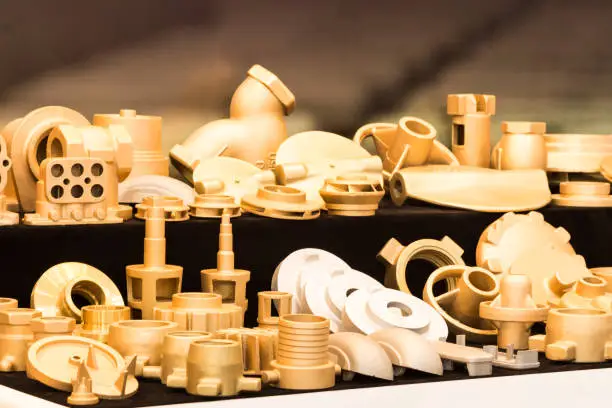
Key Applications and Industries Relying on Sand Casting
Sand casting is an important way to make things in many different industries where complicated shapes and dependable performance are needed. Automotive companies buy the most sand-cast parts. They use the process to make engine blocks, transmission housings, and chassis parts that have to work in harsh circumstances.
Automotive and Transportation Applications
Sand core technology is used to make complex cooling tunnels inside sand cast engine blocks and cylinder heads that are used in heavy-duty car powertrains. These parts have to be able to handle extreme temperature changes and high pressures during burning while staying the same size over long periods of time. Because the process can include complicated geometries, it is essential for the creation of current engines.
Industrial Machinery and Energy Sector Applications
Sand casting is used to make large valve bodies and pump cases for oil, gas, and chemical handling because it gives the parts the mass and corrosion protection they need to work in harsh conditions. Castings made of duplex steel and other superalloys last a very long time in harsh chemical and high-pressure environments where a broken part could have disastrous results.
Parts for heavy building machinery, like backhoe counterweights and gearbox housings, that are sand cast are useful because they distribute weight evenly and reduce vibrations. The process can be scaled up to make parts that weigh several tons while still being cost-effective for small production runs.
Specialized Industrial Applications
The use of aluminum sand mold casting to make a monitor cover shows that the process can be used for specific tasks that need strong weather protection. In factories with a lot of vibration, industrial automation systems depend on sand-cast metal casings that keep micro-cracks and component failure from happening because they have better mass damping properties.
Marine navigation displays use chemically treated sand-cast metal cases that meet IP67 environmental standards and are better at removing heat from high-brightness screens. The casting is made of a single piece, so there are no possible leak lines. It also has complicated interior geometries for managing heat.
Sand Casting vs Other Casting Methods: Decision Support for Buyers
Professionals in procurement for sand casting have to look at a number of different manufacturing methods to find the best balance between cost, quality, and service. Compared to investment casting, die casting, and permanent mold methods, sand casting has clear benefits, especially when design freedom and cost control are more important than a perfect surface finish.
Comparative Analysis for Informed Decision Making
Investment casting gives you a better surface finish and more accurate measurements, but it costs a lot more to make the tools and takes longer to get them to you. Die casting has great surface quality and precise dimensions for mass production, but it restricts the types of materials that can be used and the complexity of the designs that can be made. It also requires a big investment up front.
When cost, design complexity, and material freedom are more important than surface finish standards, sand casting is the best option. The process allows for changes in design during development stages without having to change the tools used. This supports rapid product development strategies, which are important in markets where competition is high.
Procurement Strategy Considerations
To buy sand castings effectively, you need to carefully evaluate suppliers, communicate clear specifications, and set realistic deadlines. To make true cost comparisons, ask for specific quotes that include pattern costs, piece prices, and delivery times. Check the technical skills, quality certifications, and output capacity of the provider to make sure the relationship will work in the long run.
Talk about pricing systems that reward promises to buy a lot of things while still allowing for changes in demand. Set clear quality standards, inspection requirements, and delivery goals to avoid confusion and make sure the job goes well.
Conclusion
Sand casting is still an important way to make metal parts that are both complicated and long-lasting at a price that is competitive. Because of its unique mix of design freedom, material versatility, and cost-effectiveness, the process is very useful for uses in aerospace, energy, cars, and industrial machines. Even though there are problems like limited surface finish and dimensional limits, suppliers with a lot of experience can still make high-quality casts that meet strict performance standards. To make a buying process go smoothly, you need to carefully evaluate suppliers, communicate clear specifications, and set realistic quality goals. Companies that invest in sand casting partnerships get access to a tried-and-true method of making things that can be used for both present production needs and new product development projects in the future.
FAQ
What is the difference between green sand and resin sand casting?
Wet clay and water-based binders are used in green sand casting, which makes it a very cost-effective way to make a lot of things with standard tolerances. Resin sand systems use chemical fillers to make the surface smoother, the dimensions more accurate, and the mold stronger for bigger, heavier parts, but the materials are more expensive.
How can gas porosity be prevented in sand casting?
To stop gas porosity, you need to control how permeable the sand is, make sure the mold has the right vents, and use degassing agents when preparing the hot metal. Foundries also keep an eye on the amount of moisture in green sand systems and make sure the sand is packed down enough to let gas escape when the metal is poured.
What minimum wall thickness can sand casting achieve?
For non-ferrous metals, the minimum wall thickness is usually between 3mm and 5mm. For ferrous metals, it's usually between 5mm and 9mm. Thinner sections are more likely to have cold shut flaws, which happen when the molten metal freezes before filling the mold hole completely. This leaves casting sections that are incomplete or weak.
Partner with Fudebao Technology for Superior Sand Casting Solutions
Fudebao Technology stands ready to address your most challenging sand casting requirements with advanced manufacturing capabilities and proven expertise. Our comprehensive foundry operations integrate high-speed machining centers, CNC lathes, and low-pressure casting systems to deliver precision components with tolerances reaching ±0.05mm. Whether you need aluminum alloy automotive components, copper alloy electrical housings, or stainless steel industrial parts, our team provides complete solutions from initial melting through final surface treatment.
Connect with our technical team at hank.shen@fdbcasting.com to discuss your specific sand casting needs and discover how our one-stop manufacturing capabilities can optimize your supply chain efficiency while reducing total project costs.
References
Campbell, John. "Complete Casting Handbook: Metal Casting Processes, Metallurgy, Techniques and Design." Butterworth-Heinemann, 2015.
Brown, John R. "Foseco Foundryman's Handbook: Facts, Figures and Formulae." Butterworth-Heinemann, 2000.
Stefanescu, Doru Michael. "Science and Engineering of Casting Solidification." Springer International Publishing, 2015.
American Foundry Society. "Sand Casting Handbook for the Automotive Industry." American Foundry Society Publications, 2018.
Beeley, Peter. "Foundry Technology." Butterworth-Heinemann, 2001.
Heine, Richard W., Carl R. Loper, and Philip C. Rosenthal. "Principles of Metal Casting." McGraw-Hill Education, 1967.



YOU MAY LIKE
_1756346371362.webp "separator housing")
_1756346421748.webp "Aluminum casting telescopic bracket Parts")