Sand Casting: What Is It and Why Is It Important?
2026-03-20
In sand casting, bonded sand mixes are used to make molds that can be thrown away after molten metal is put into them. This way of making things solves important production problems that other methods can't. It is an important part of the foundry business and makes up more than 60% of all metal casts made in the world. It gets rid of the very high costs of the original tools needed for die casting in low to medium volume runs, can handle casting weights from ounces to over 100 tons, and gives you the most alloy options for working with metals with high melting points, such as steel, iron, and titanium.
Understanding Sand Casting: Definition and Process
One of the oldest and most flexible ways to cast metal is by using specially made sand molds to make holes that molten metal can run into. This tried-and-true method is very different from other casting methods like die casting or investment casting. The main difference is that this method uses models that can be thrown away and has a flexible cost structure.
The Complete Sand Casting Workflow
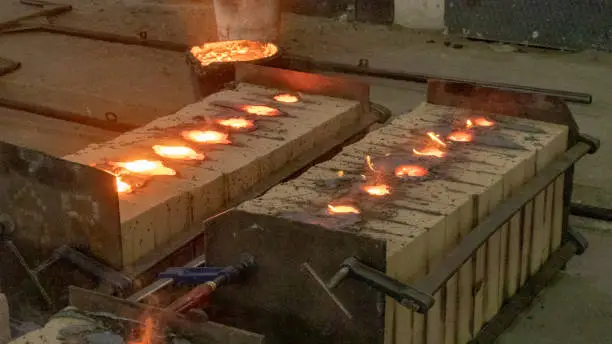
Pattern making is the first step in the sand casting process. A copy of the part that is being made leads the mold-making process. Foundries use different kinds of sand, and each one has its own benefits based on the job. Green sand molds, which are made of silica sand mixed with clay and water, are a cheap way to meet standard accuracy requirements. Chemical binders are used in resin-bonded systems to get better surface finishes and more accurate measurements. This is especially helpful for bigger, heavier parts that need to meet stricter requirements.
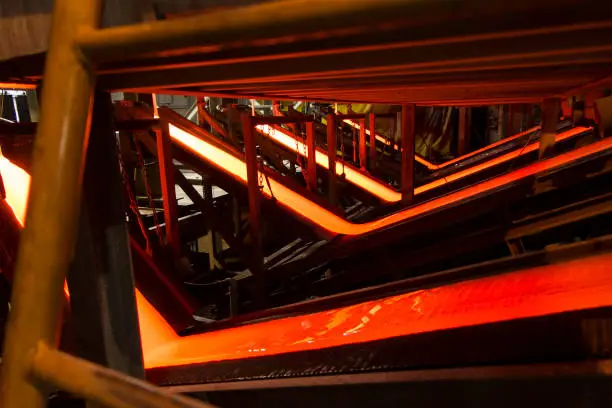
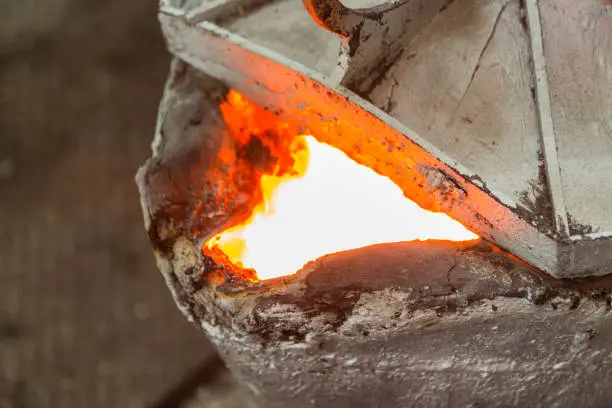
Making the cope and drag pieces that make up the whole mold body is part of pattern preparation. Skilled workers make sure that the right ramps and gating systems are used to control the flow of metal and stop flaws from forming during solidification. For melting to work, the temperature has to be carefully controlled. For iron materials, furnace operations can hit over 1600°C. To get the best fill patterns and the least amount of turbulence, pouring methods need precise time and flow control.
Material Adaptability and Technical Specifications
The technical side of sand casting focuses on how well the material can be used and how strong it is. Molds use silica or manmade sands with a high refractoriness that can handle high temperatures without melting. Whether they are bentonite or furan/phenolic resins, bonding systems provide the shear strength that is needed while still letting gas escape, which essentially stops porosity problems.
The surface finishes range from 6.3 to 12.5 Ra microns, and the dimensional limits usually meet ISO 8062 CT10-CT13 standards. "Collapsibility," the property of sand molds breaking down during cooling, stops metals from hot tearing, which is an important property for alloys with high solidification shrinking rates.
Advantages and Challenges of Sand Casting for B2B Manufacturing
There are strong reasons why sand casting is still the most popular method for making things in industry. The main benefit is that it saves money, especially for small to middle production runs where the cost of die casting tools becomes too high. The process can handle almost any size of part, from complicated electrical housings to huge parts for industrial equipment.
Core Manufacturing Benefits
Not only can sand casting be used for different sizes, it can also be used for different types of materials. High-melting-point alloys, such as specialty steels, superalloys, and refractory metals, can be successfully handled by sand casting, unlike fixed mold methods. This ability is very important for businesses that need certain material qualities, like the ability to resist corrosion, handle heat, or be magnetic.
Pattern development takes a lot longer than die casting model production. Lead times for patterns are usually between 2 and 6 weeks, while lead times for metal dies are several months. This benefit speeds up the testing process and shortens the time it takes to bring new products to market. Additionally, design changes don't take a lot of money because pattern adjustments are much cheaper than die modifications.
Quality Control and Process Challenges
To be a great manufacturer, you need to know about the problems that can come up when you're sand casting. Gas porosity, cold shuts, and physical differences are all common flaws that need strict quality control procedures. Comprehensive inspection processes are used by successful foundries. These include non-destructive testing methods like X-ray examination and ultrasound inspection for important parts.
Environmental issues are becoming more and more important in casting work. To have less of an effect on the environment, modern facilities buy dust collection systems, sand restoration equipment, and waste heat recovery systems. These environmentally friendly methods are in line with business responsibility efforts and lower costs by making better use of materials and energy.
Sand Casting vs Other Casting Methods: How to Choose the Right Process
To choose the best casting method, you have to carefully consider a lot of things, such as the complexity of the part, the production rate, your budget, and the materials you need. Each casting method has its own benefits that make it better for certain types of manufacturing and performance needs.
Comparative Analysis of Casting Techniques
When very accurate measurements and smooth surfaces are needed for a lot of products, die casting is the best way to do it, compared to sand casting. This method works well for parts with complicated shapes and thin walls, like those made of aluminum and zinc alloys. But the cost of the original tools can be hundreds of thousands of dollars, so it's only practical for big production runs of more than 10,000 pieces per year.
Investment casting, which is also called "lost-wax casting," makes very smooth surfaces and accurate measurements for forms with lots of small details inside them. This method works really well with high-temperature metals and makes parts that don't need much cutting. Still, because it takes longer to turn and costs more per piece, it can only be used for specific parts where the high level of accuracy supports the higher price.
Strategic Decision Framework
When production rates are between 50 and 5,000 pieces per year, sand casting is the best option. This is especially true for bigger parts that can't be made with die casting. The process allows for frequent changes to the design without incurring large costs, which makes it perfect for unique applications and the development of prototypes.
Sand casting is frequently the only realistic choice for industries that need particular material properties. Heavy machinery makers use this method to make huge engine housings and structure parts that need to be very strong and last a long time. In the same way, sand casting is used in the energy sector to make valve bodies and pump cases that don't rust and can handle tough working conditions.
Practical Tips for Working with Sand Casting Suppliers
For supplier partnerships to work, there needs to be a thorough review process that goes beyond just comparing costs. Professionals in charge of buying things have to judge foundries based on their technological skills, quality management systems, delivery performance, and signs of long-term dependability.
Supplier Evaluation Criteria
The standards for certification for sand casting are what suppliers are judged on. Look for foundries that have ISO 9001 quality control certification and industry-specific certifications like AS9100 for aircraft parts or TS 16949 for car parts. These certifications show that you are dedicated to quality control and growth methods that are always getting better.
An review of the technological infrastructure should include systems for handling sand, finishing tools, and the ability to melt metal. These days, foundries buy advanced metallurgical testing tools, automatic molding lines, and digital pattern storage systems. Because of these investments, quality will stay the same, wait times will shorten, and the company will be able to compete on price.
Best Practices for Requirement Specification
Making technical needs clear helps avoid costly misunderstandings and gets the best results. Give full drawings with all the necessary measurements, surface finish details, and material needs. Include information about the next machining steps, as this affects casting design issues like surface preparation and cutting limits.
Be clear from the start about what needs to be inspected, including any special testing processes or licensing paperwork. Suppliers to the automotive industry usually need PPAP paperwork, while aerospace uses need approved test records and the ability to track materials. Clarifying these needs early on keeps output from being held up.
Emerging Industry Trends
Automation is still changing how foundries work. Robotic systems are now used to change patterns, put together molds, and finish work. These changes make things more consistent while also cutting down on production costs and the need for workers. Advanced sand recovery systems recycle more than 95% of the sand they use, which cuts down on material costs and damage to the environment by a large amount.
Digital technologies make it possible to store virtual patterns and print complex parts in 3D. This increases the number of design options while lowering the need for pattern storage. These new ideas are especially helpful for low-volume uses where the cost of standard patterns becomes too high.
Conclusion
Sand casting is still an important way to make things because it is so flexible, cheap, and good at working with different materials. This method has been used for a long time and has been shown to work well for a wide range of industries, from car powertrains to aircraft structure parts. Procurement pros can make smart choices about where to buy things that improve both quality and total cost of ownership by understanding the basics of the process, the benefits of different suppliers, and the selection criteria. Modern foundries keep getting better by using robotics and digital technologies, but they still keep the basic benefits of sand casting that have made it a key production process in many industries around the world.
FAQ
What is the difference between Green Sand and Resin sand casting?
Wet clay and water binders are used in green sand, which makes it a cost-effective way to make a lot of things that meet standard tolerance requirements. This standard method is great for medium-volume uses because it can be easily collapsed and used again. Chemical binders are used in resin sand to make better surface finishes, more accurate measurements, and stronger molds for bigger, heavy parts, but the cost of the materials is higher.
How do you prevent gas porosity in sand casting?
Controlling a lot of different factors during the casting process is needed to stop gas porosity. Foundries control the permeability of the sand to make sure that enough gas can escape, use the right mold opening designs, and put degassing agents into molten metal to get rid of the hydrogen that has dissolved. Porosity risks are also greatly reduced by keeping the filling temperature at the right level and keeping an eye on the amount of water in the green sand molds.
What is the minimum wall thickness achievable in sand casting?
Minimum wall thickness varies by material type and casting size. Non-ferrous metals, like copper and aluminum, usually need a minimum thickness of 3 to 5 mm, while ferrous metals need a minimum thickness of 5 to 9 mm. There is a chance of "cold shuts" when trying to make thinner sections. This happens when the metal hardens before it fills the mold hole fully, leaving behind incomplete parts or structural flaws.
Partner with Fudebao Technology for Superior Sand Casting Solutions
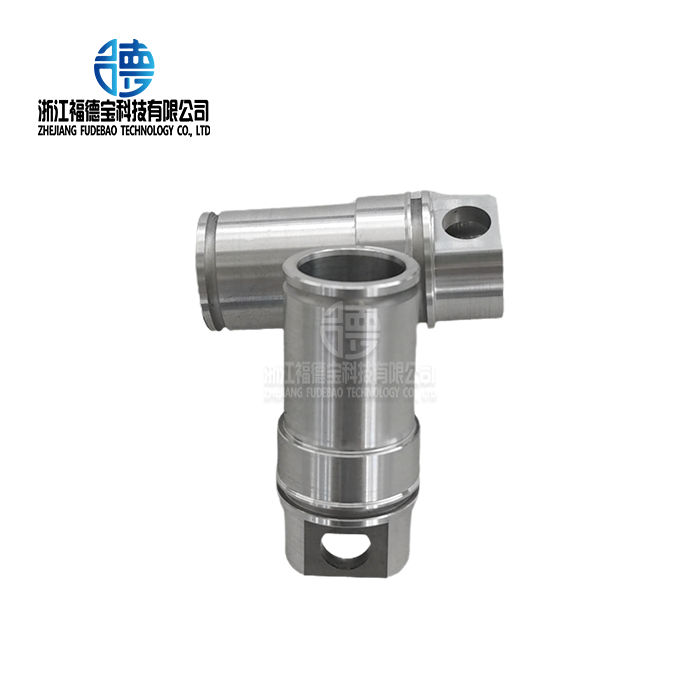
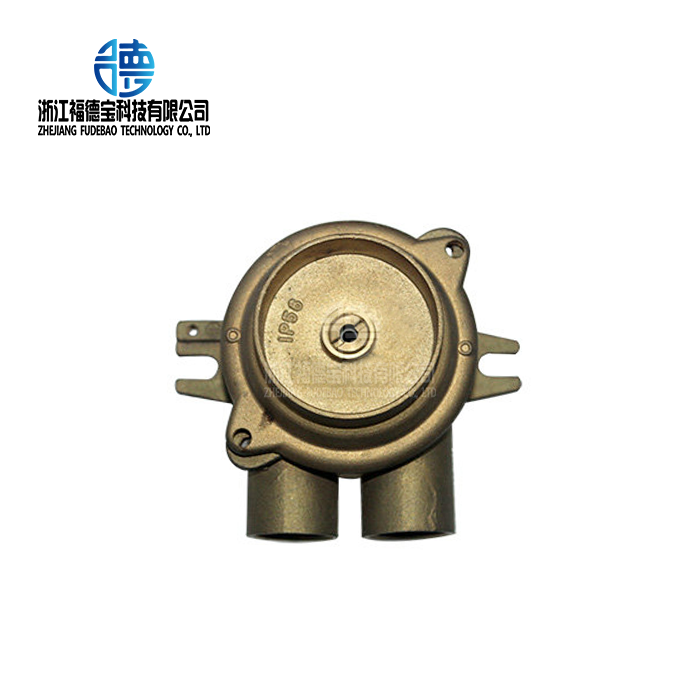
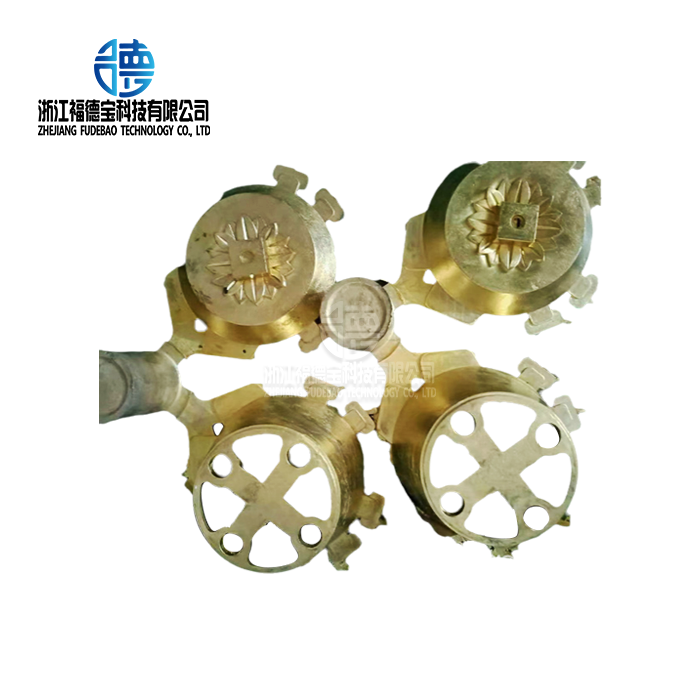
Zhejiang Fudebao Technology Co., Ltd. is a world-class sand casting company that makes precision metal parts for the aircraft, automobile, and industrial equipment industries. With precise machining services built in, we can make aluminum alloys, copper alloys, and stainless steel, among other materials. There are high-speed machining centers, CNC lathes, low-pressure casting machines, and die casting tools in modern factories. These machines help with full "melting-casting-finishing-surface treatment" processes. We can achieve measurement accuracy of up to ±0.05mm, which meets the strict needs for precise parts for cars and medical equipment housings. We also offer one-stop delivery from blanks to finished products.
References
Campbell, John. "Complete Casting Handbook: Metal Casting Processes, Metallurgy, Techniques and Design." Butterworth-Heinemann, 2015.
Brown, John R. "Foseco Foundryman's Handbook: Facts, Figures and Formulae." Elsevier Science & Technology, 2000.
Stefanescu, Doru Michael. "Science and Engineering of Casting Solidification." Springer International Publishing, 2015.
American Foundry Society. "Casting Design and Performance Guidelines." American Foundry Society Technical Publications, 2019.
Beeley, Peter R. "Foundry Technology." Newnes Technical Books, 2001.
Monroe, Randolph W. "Expendable Pattern Casting: A Modern Approach to Sand Casting." American Foundry Society, 2005.



_1756352472762.webp "steel threaded plug")
_1756348300182.webp "Aluminum die-cast housing")
_1756346205762.webp "hinge casting")