
The Ultimate Guide to the Process of Sand Casting for Industrial Parts
2026-07-14
Engineering managers and procurement workers look for cost-effective ways to make complex metal parts, and sand casting stands out as the foundry industry's driver. For this metal shaping method, tightly bound sand mixtures are used to make molds that can be thrown away after using them. Molten metal is then put into the molds.
This method, which makes up more than 60% of all metal castings in the world, doesn't require the very expensive original equipment costs that come with die casting, and it can handle casting weights from ounces to over 100 tons. Many industrial customers have told us that knowing this process changes the way they source materials and the quality of the products they make.
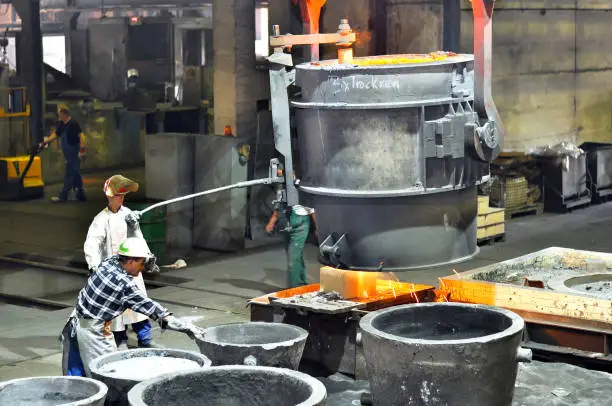
Understanding Sand Casting: A Comprehensive Overview
Among the many ways that modern industry can make things, sand casting is one of the most flexible. To do this, a sand model is carefully made around a pattern. This makes a hole in the mold that molten metal can run into and solidify into the shape of the part that is wanted.
What Makes Sand Casting Different from Other Methods
This manufacturing method gives alloys more freedom than die casting or investment casting. The molds can handle temperatures above 1600°C without melting, which lets high-melting-point ferrous and non-ferrous metals like steel, iron, aluminum, copper, and even titanium be cast. These are materials that are hard to work with in permanent mold processes. The sand's special ability to collapse lets the mold fall apart as it cools, which stops hot tearing in metals that solidify and shrink quickly.
Core Advantages for Industrial Procurement
We have seen how this way of making things solves major problems in many fields. The method gives designers a lot of freedom to make complicated shapes with lots of different passageways inside them. This is especially useful for making engine parts for cars and heavy machinery housings. Cost-effectiveness really shines in small to medium production runs, since die casting tools would be too expensive for those. Manufacturers can make anything from a single sample to several thousand units without having to pay a lot more per unit. This is called batch versatility.
Industrial Applications Across Sectors
This method is used a lot in the car industry to make complicated engine blocks and transmission housings that need cooling lines inside them. Large valve bodies and pump casings used in the energy and oil/gas industries are made from metals that don't rust, like Duplex Steel, so they can withstand high-pressure settings. Heavy construction equipment makers use this method to make gearbox housings and backhoe counterweights that need to have a lot of mass and the ability to dampen vibrations. Aluminum and copper castings are used by companies that make electrical equipment for motor housings and heat absorption parts that need to be managed properly.
Step-by-Step Sand Casting Process Explained
Knowing about each step in the manufacturing process helps buying teams judge the skills of suppliers and spot quality problems early, before they delay production.
Pattern Creation and Mold Preparation
Pattern creation, which is usually done with wood, metal, or high-density foam, is the first step in the trip. Precision CNC machining is used by skilled foundries to make patterns because the accuracy of the patterns affects the final measurements of the parts. The pattern accounts for the metal shrinking when it cools, which is usually between 1% and 2%, based on the material. Draft angles make it easier to remove the pattern from the sand without hurting the mold cavity.
Mold and Core Assembly Techniques
There are two main sand bonding methods that are used in industry. Green sand uses wet clay and water-based binders, which makes it cost-effective for large-scale runs that meet the standard accuracy requirements of ISO 8062 CT12–CT13. Resin-bonded systems use chemical bonds like furan or phenolic compounds to give better surface finishes of 6.3 Ra (microns) and better control over dimensions up to CT10 grades. It's important for the sand mixture to have both enough strength to hold up under the pressure of molten metal and enough permeability to let gas escape and stop porosity flaws.
Metal Melting and Pouring Practices
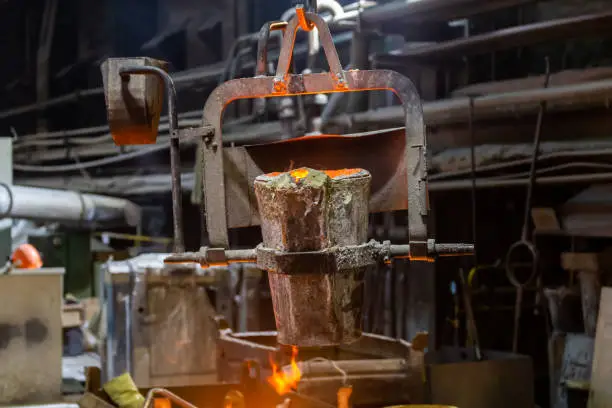
Depending on the type of metal and the amount of work that needs to be done, foundries use induction furnaces, cupolas, or electric arc furnaces. Optical emission spectrometry checks the chemical makeup to make sure it meets ASTM or EN standards before pouring.
Sand casting relies on this molten metal preparation just as much as other processes, and controlling the pouring temperature is very important. If it's too hot, the metal will shrink too much and absorb too much gas. If it's not hot enough, the mold might not fill completely, and the metal could freeze before the cavity is finished. Porosity is caused by turbulence, which is reduced by skilled workers pouring at controlled rates.
Cooling, Shakeout, and Finishing Operations
Controlling the rate of cooling changes mechanical qualities such as hardness and tensile strength. Rapid cooling makes things harder, but it may also leave behind stresses. Once the sand mold has hardened, it is broken up with shakeout operations. Next, the gating systems and risers are taken away.
Most industrial parts need to be CNC machined on their mating sides after they are cast in order to get the smoothness and accuracy in dimensions that are needed. Some ways to smooth the surface are shot blasting to make the texture regular, heat treatment to improve the mechanical properties, and protective coatings to keep the metal from rusting.
Common Challenges and Solutions in Sand Casting for Industrial Parts
Even foundries with a lot of knowledge have quality problems that can make parts less reliable. Knowing about these problems and how to fix them is what sets good providers apart from great manufacturing partners.
Typical Defect Root Causes
When something is porous, it has empty spaces inside it that are caused by trapped air or shrinking as it hardens. Gas porosity is usually caused by too much water in green sand systems, molds that can't breathe, or hydrogen absorption in molten aluminum. Shrinkage flaws happen when areas that settle last don't get enough molten metal, leaving holes in heavy sections.
Inclusions, which are foreign substances like slag or sand particles, get into the casting when mold materials break off or dross from the metal surface gets inside. When hot metal gets between sand grains because they aren't packed down enough or the binder ratios are off, surface flaws like rough finishes and penetration happen.
Advanced Defect Mitigation Strategies
Leading makers use several levels of quality control during the whole production process. By controlling the sand's permeability through grain size distribution and proper packing, you can make sure that gases can get out. Before pouring, hydrogen is taken out of melted aluminum alloys with degassing agents. Using simulation tools to improve the riser and gating design makes sure that solidification happens in the right way, with thinner parts freezing before heavy areas. Handling molds automatically cuts down on mistakes made by people and keeps the compression pressure constant across production runs.
Quality Control Protocols
Tough checking procedures find flaws in parts before they get to the assembly lines. Optical emission spectrometry for chemical analysis shows that the alloy's specifications meet technical needs. Sand casting components, like all castings, undergo these same rigorous checks, and attached witness bars that were made at the same time as the production parts are used in mechanical tests to check the tensile strength, yield strength, and elongation qualities. Non-destructive testing is very important for safety parts in aircraft and cars.
Ultrasonic testing finds internal shrinkage holes, radiographic inspection finds porosity patterns, and magnetic particle inspection finds surface cracks that can't be seen with the naked eye. Coordinate measuring machines check the accuracy of the dimensions against CAD models to make sure that the castings meet the tolerance requirements before they are machined.
Selecting the Right Sand Casting Partner for Your Industrial Needs
When picking a foundry partner, you need to look at their professional skills, quality systems, and services that go beyond simple casting.
Manufacturing Capacity and Certifications
Check to see if possible suppliers have the right tools for the size and complexity of the parts you need. The maximum pour weight is based on the furnace's capacity, and the uniformity of the dimensions is affected by the molding equipment's capabilities. ISO 9001 certification means that quality control systems are in place, but IATF 16949 compliance is usually required by automotive suppliers. Material approvals from ASTM make sure that the composition of an alloy can be tracked. This is especially important for aircraft and defense uses that need to show proof of the material's history.
Engineering Support and Prototyping Services
The best ties with foundries start during the planning phase. If a supplier offers design for manufacturability reviews, it can find problems with a casting before the investment in tools is made. Rapid prototyping with 3D-printed sand molds or investment casting shortens the time it takes to make something, so it can be tested for functionality before the actual production gear is made. Simulation software can predict how things will fill, how hot or cold they will get, and how much they will shrink. This helps designers of gates make them more reliable and less likely to break.
Integrated Machining and Finishing Capabilities
When casting providers also do post-casting work in the same building, the supply chain works much more efficiently. This unified method is shown by Zhejiang Fudebao Technology, which has high-speed machining centers, CNC lathes, low-pressure casting machines, and die casting tools all in one place. This vertical integration, which includes melting, casting, finishing, and surface treatment, makes it possible to have a single source of accountability from the blank to the finished part. The precision of the machining can reach ±0.05mm, which is important for precision parts for cars and medical equipment housings where fit and function are directly affected by accuracy.
Future Trends and Innovations in Sand Casting
The foundry industry continues embracing digital transformation and green efforts that change the way standard manufacturing is done.
Digital Design and Simulation Integration
CAD/CAM tools can now work with casting processes without any problems, turning engineering models straight into machining paths for making patterns. Sand casting benefits greatly from this digital integration, as simulation software figures out how metal will move, how it will solidify, and how thermal stress will build up before actual production starts.
These virtual trials cut down on development cycles and the costs that come with them, and they also raise the success rate of the first piece. IoT-enabled sensors keep an eye on mold temperatures, pouring rates, and cooling curves in real time. They send this information to quality management systems, which find process drift before it leads to bad castings.
Sustainable Manufacturing Practices
Environmental responsibility is becoming a bigger factor in choosing which suppliers to work with. Modern foundries reuse and recover sand using thermal or mechanical recycling systems. This cuts down on the amount of new sand they need to buy and the amount of waste they have to get rid of. When compared to traditional cupola processes, induction melting uses less energy and leaves less of a carbon footprint. Volatile organic compound emissions are kept to a minimum during mold drying and pouring with water-based binder systems. Waste heat recovery systems take heat from cooling castings and use it to heat the building or warm up materials for charging.
Industry 4.0 Quality Assurance
Quality control that is based on data is the cutting edge of how foundries work. Machine learning algorithms look at patterns of defects from the past and connect them with process factors to predict how well the castings will turn out before they cool. Predictive maintenance looks at vibration patterns and temperature profiles of equipment to plan repairs before they disrupt production schedules. Digital twin technologies make virtual copies of how a foundry works. This lets engineers try changes to the process before putting them into action on the production floors.
Conclusion
Sand casting is still an important way to make industrial parts that need to be flexible in their form, made from a variety of materials, and produced cheaply. The process can be used for everything from making prototypes to making things in middle quantities. It is used in important ways in the aerospace, automotive, energy, and heavy equipment industries. To be successful, you need to know the scientific details of pattern creation, mold preparation, metallurgical control, and quality assurance procedures.
Finding skilled foundry partners that can show they can make things, keep strict quality standards, and offer combined engineering support is what determines the success of the supply chain and the reliability of the parts. As digital technologies and sustainable practices keep getting better, this process that has been around for hundreds of years changes to meet the needs of modern industry while keeping the main benefits that have kept it useful in the past.
FAQ
What distinguishes green sand from resin sand systems?
Green sand uses wet clay and water-based binders, which saves money for large-scale production where standard tolerances of CT12 to CT13 are enough. Chemical curing agents are used in resin-bonded systems to make better surface finishes around 6.3 Ra and tighter control of dimensions up to CT10 grades. The choice depends on the needs of the component. For example, structural housings can usually get by with green sand because it's cheaper, but precision gearbox components need resin sand because it improves stability in dimensions and lowers the amount of room for error when machining.
How do foundries prevent gas porosity defects?
Several methods can be used together. Proper grain size and packing are needed to control the permeability of sand and make sure there are enough ways for gases to escape. Mold venting design includes pathways that let out held air as molten metal fills the mold's cavities. Before pouring, degassing agents are mixed into melted aluminum to get rid of the hydrogen that has dissolved. Keeping an eye on the moisture content in the sand in green sand systems stops the production of steam, which makes gas pockets.
What minimum wall thicknesses are achievable?
The practical limits depend on how fluid and hot the metal is. Non-ferrous metals, like aluminum, usually need walls that are at least 3–5 mm thick, while ferrous alloys need walls that are at least 5–9 mm thick to make sure that all the holes are filled before freezing too soon causes cold shuts. Thinner parts run the chance of not being fully filled and having lower mechanical properties due to faster solidification that traps defects.
Partner with Fudebao Technology for Precision Sand Casting Solutions
Zhejiang Fudebao Technology offers a full range of casting services that are specifically designed for tough industrial uses. Our combined production plant uses both advanced casting technologies and precise CNC machining to make parts from molten metal all the way through final assemblies. We are experts at castings made of aluminum alloy, copper alloy, and stainless steel. We work with the car, industrial equipment, and machinery industries and have established supply chains with many foreign brands, such as American HAAS automation systems.
Our quality management systems ensure that measurements are correct to within 0.05 mm by using coordinate measuring machines and strict checking procedures. Our engineering team works together during the design optimization, equipment development, and manufacturing steps, no matter how many products you need to make or how many prototypes you need to make. Get in touch with our technical experts at hank.shen@fdbcasting.com to talk about the parts you need and find out how our sand casting company can give your projects the precision, reliability, and supply chain efficiency they need.
References
1. American Foundry Society. "Sand Casting Process Fundamentals and Quality Control Standards." Schaumburg: AFS Technical Publications, 2021.
2. Campbell, John. "Complete Casting Handbook: Metal Casting Processes, Metallurgy, Techniques and Design." Oxford: Butterworth-Heinemann, 2015.
3. Brown, John R. "Foseco Non-Ferrous Foundryman's Handbook." Oxford: Butterworth-Heinemann, 1999.
4. Beeley, Peter R. and Smart, Richard F. "Investment Casting." London: The Institute of Materials, 1995.
5. ASM International Handbook Committee. "ASM Handbook Volume 15: Casting." Materials Park: ASM International, 2008.
6. Stefanescu, Doru Michael. "Science and Engineering of Casting Solidification." New York: Springer, 2015.



YOU MAY LIKE