
Professional Copper Casting for High-Conductivity Busbar Components
2026-11-11
Professional copper casting gives busbar components the high electrical conductivity, thermal stability, and dimensional accuracy that standard bar stock cannot always deliver. When a design calls for complex profiles, integrated mounting features, cooling fins, or custom connection points, a qualified copper foundry can pour near-net-shape parts and finish them with CNC machining. The result is a component that carries current with low resistance, fits the assembly, and passes inspection. In this article, I explain why casting matters, how to select the right copper alloy, which process controls protect quality, and what to look for in a supplier.
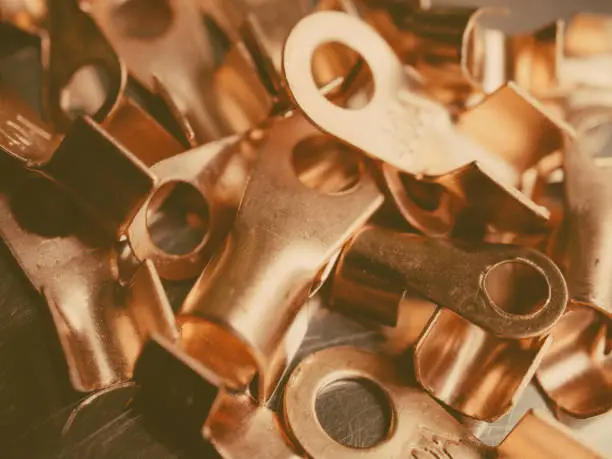
Why Professional Copper Casting Matters for High-Conductivity Busbar Components
Where Cast Busbar Components Make Sense
Busbar parts made from Professional copper casting have precise measurements, high electrical conductivity, and heat stability that aren't always found in regular bar stock. Some designs need parts with complex shapes, built-in mounting options, cooling fins, or special connection points. A good copper foundry can make parts that are close to a net shape, and then CNC-cut them to finish them off. The part that fits the system, moves current with little resistance, and passes tests is what is left. It talks about why casting is important, how to pick the right copper alloy, what to look for in a supplier, and how to make sure the process stays high quality.
Bars and forms that are stamped and rolled work well for straight runs. The best way to make a part with bosses, ribs, cooling channels inside, or more than one terminal in a single body is to cast it. These are the parts that make up switchgear, transformers, power supply systems, battery assemblies, tools for green energy, and industrial control boxes.
Value and how they are used are also important. Because copper is 8.96 g/cm³ dense, cutting it into a difficult shape makes a lot of the pricey metal into chips. The machine only cuts away the stock needed to make the contact surfaces, holes, and threads clean because the shape of a cast blank is pretty close to what it will become. So there is less waste, and the process goes faster.
Defects That Affect Conductivity and Reliability
There are electrical problems with the casting that I can see, not just how it looks. The functional cross-section is smaller because of the pores. This means that current has to run through a smaller opening, which warms up the area. Most of the time, shrinkage holes show up in thick parts close to the ends, since those are the parts that hold the most weight.
The metal is not solid because of the oxide bits. If the joint is broken, the contact resistance goes up, and warpage hurts flat contact sides. Chemistry is also important because even small amounts of phosphorus, iron, or arsenic can make something less conductive. A foundry that controls the melting, gating, and cooling can lower these risks before the part is machined.
What Procurement Teams Should Expect from a Copper Foundry
What's the difference between a general supplier and a copper foundry that can do more than one thing? It helps me the most to compare quotes based on these three expectations:
- Engineering-led process planning: Process planning is done by engineers. Before cutting a design, the service provider should look at the mounting points, the width of the walls, and the current paths. Then it should explain why it chose the gates, steps, and cutting allowances that it did. The fact that they talked about it shows how well they know how copper solidifies.
- Drawing and 3D model review with traceable records: You can expect written feedback on standards and how well the model can be made, as well as inspection records and material certificates that are linked to each batch. As well as drawing and 3D model review with records that can be tracked. With these records, any problem can be traced back to its melt.
- Export documentation and dependable capacity: Material paperwork, packing lists, and business invoices should all arrive on time, and the plant should be able to handle repeat orders by melting and milling enough metal.
These standards make sure that your project doesn't get caught off guard during the first-article review and production.
Copper Alloy Selection for High-Conductivity Busbar Components
Starting with C11000 Copper and High-Copper Cast Grades
Selecting the right alloy is an essential part of Professional copper casting, as material choice directly affects electrical conductivity, operating temperature, mechanical strength, corrosion resistance, and manufacturing requirements. For applications that demand excellent electrical conductivity, C11000, also known as electrolytic tough pitch copper, is a popular option. In the annealed condition, C11000 generally achieves the conductivity levels specified by the International Annealed Copper Standard (IACS), making it suitable for components that carry high electrical currents. In Professional copper casting, however, conductivity should not be the only consideration when choosing a material. Buyers should also evaluate the component's working environment, expected service life, mechanical loading, and compatibility with the selected casting and machining processes. An experienced supplier specializing in Professional copper casting can help compare different copper alloys and recommend materials that balance electrical performance, durability, and production feasibility. By confirming alloy specifications and testing requirements before manufacturing begins, buyers can make more informed decisions and achieve consistent results in Professional copper casting projects.
Sometimes C11000 can make it tougher to cast. It is easy for the metal to rust and react with hydrogen because it contains oxygen. Also, it doesn't bend easily and gets very small very quickly. This is the reason why foundries talk a lot about C81100 and other cast high-copper alloys. Because they conduct electricity well above 80% IACS, the Copper Development Association lists these alloys for use in electrical applications. As soon as possible, you should let the supplier know about the temperature rise goal and current rating. That way, they can help you choose a grade that can be poured and still meet your electrical needs.
Bronze and Brass Options for Strength and Corrosion
Some parts that go with busbars need more than just being able to transfer electricity. Vibrations or salt air can wear down connector bodies, moving contacts, and fittings in places that are wet or salty. Different kinds of brass, tin bronze, phosphor bronze, silicon bronze, and aluminum bronze can be used to do that.
The high-leaded tin bronze C93200 doesn't wear down quickly and is simple to work with. Iron bronze C95400 is a very strong metal that doesn't rust. Not as good at moving power, but these are less expensive. These things aren't even close to being as good as pure copper. I advise using them for mechanical or touch parts and keeping current-carrying paths in copper-rich materials. A quick look at the plan can often tell you where every part goes.
Verifying the Grade with Testing and Certificates
You can't just pick a number off the paper. The seller needs to prove that the poured metal meets the needs. Tests of the chemical composition confirm the amount of copper and elements that affect conductivity. It's connected to a batch or heat number on the material certificate.
Checking the chemistry of the raw material as it comes in, checking the sizes after they've been machined, and any other visual or nondestructive checks needed by the application should all be written down as quality controls. When the manufacturer asks for a quote, point out any standards on your drawing, such as an ASTM or CDA number. If the design is based on how well it conducts electricity, I think you should ask for conductivity measurements to be done on test samples so that your engineers don't have to guess.
Casting and Machining Process Control for Busbar Parts
Choosing the Casting Method from the Drawing
Not every part of a busbar can be fixed in the same way. Sand casting can be used for different batch sizes, bigger parts, and cores with more complicated shapes. You might be able to get better results with other methods for smaller parts or walls that are smoother. The best choice depends on how much space is needed, how thick the walls are, how many holes are in them, how much the annual amount is, and how much surface area is needed.
Fudebao Technology specializes in manufacturing equipment and casting solutions, including machine tools, low-pressure casting machines, and die casting machines. Our main production capabilities cover aluminum alloys, copper alloys, and stainless steel. For Professional copper casting projects, our team begins by carefully reviewing the customer's copper busbar drawings and technical requirements. Based on the selected alloy, component geometry, and intended application, we recommend a suitable casting process to achieve the required performance and dimensional accuracy. This early technical assessment is an important part of Professional copper casting, as it helps identify potential manufacturing challenges before production begins. By evaluating pattern design, gating systems, and tooling requirements in advance, we can reduce unnecessary modifications and avoid costly delays. Once the tooling has been manufactured, changing the original pattern or gating design can be difficult and expensive. Our approach to Professional copper casting therefore emphasizes early engineering communication, practical process planning, and effective tooling development. Through these measures, Fudebao Technology aims to improve production efficiency and deliver reliable copper alloy components for industrial applications. Choosing an experienced partner for Professional copper casting can also help customers save development time and achieve more consistent manufacturing results.
Melting Practice and Gas Control
Copper melts at about 1,984 °F (1,085 °C), and air can easily pass through it. Hydrogen breaks down in the liquid, and when it solidifies, it leaks out, leaving pinholes. Ozone can turn into oxides, which can then become part of the part.
That contact is controlled by the right way to melt things. A lot of the time, people control the filling temperature, keep the melt surface safe, use the right deoxidizers, and degas the metal when it needs it. Then, the way the gates and risers are made helps with directional solidification. This means that the finished part doesn't shrink as much as the risers do. This is what the ASM Handbook on Casting says should be done in this field of metalworking. I always ask providers how they keep melting under control when I talk to them. I learned a lot about how well they know copper from their answer.
Finishing Machining, Tolerances, and Surface Treatment
The joints make the busbar work a lot better or worse. When the contact faces are flat, the holes are in the right place, and the threads are clean, bolted connections can keep their binding force. That's why I think of ending as part of the plan for the electricity.
In the same plant, we melt, cast, finish, and treat the surface as part of our process. In other words, a part can go from being a blank to a finished part without having to go to a different supplier. High-speed machining centers and CNC lathes can sometimes get the shape and size of a part 0.05 mm right. Surface treatments like plating can keep areas that come into contact with water from rusting. These things will help you decide which option is best for your setting and assembly. What is your torque, what part needs to be mated, and what the exposure conditions are? Then we can talk about a good finish.
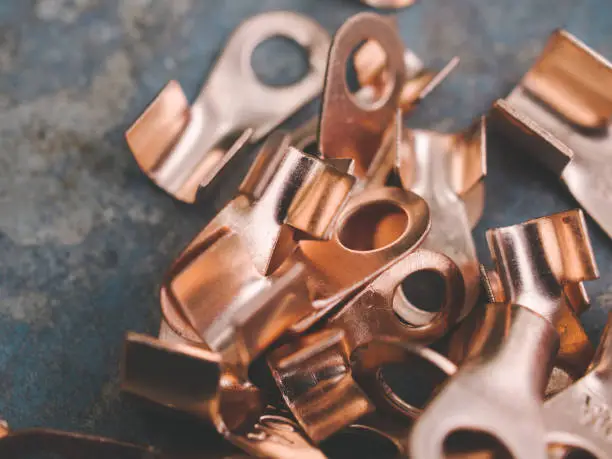
Industry Applications and Sourcing Considerations
Electrical and Energy Equipment
For electrical engineers and strategic sourcing teams that work with power tools and green energy, it's important that materials are conductive, don't rust, are machined precisely, and meet industry standards. Parts that conduct electricity, connect to other parts, power motors, and remove heat are all made of cast copper.
The standards were used to make these designs. IEC 61439-1 is a set of rules for low-voltage control and switchgear systems. As part of these guidelines, the temperature rise must be checked. This means that the cross-section of the busbar, the quality of the contacts, and the heat tracks all have an effect on compliance. I need engineers to send me both the part drawing and the full assembly context. This is because the copper casting changes all of those things. Before we start making things, we use the current rating, the enclosure, and the cooling method to choose the alloy, the wall thickness, and the space for cutting.
Automotive, Machinery, and Aerospace Uses
Copper and copper alloy parts can also be found on the outside of power boards. Parts that connect batteries and distribute electricity in cars and other vehicles need to be the right size and work well over time. People who make industrial tools use copper to make parts that wear out, fittings, and parts that can handle heat in pumps, fans, and gears.
Buyers in defense and aerospace often pay attention to things like advanced inspection, certification systems, and being able to keep track of items. People who want to buy something should tell the seller right away what kind of paperwork they need. This lets the seller know that they can provide it. We know what you want because we've worked with clients in the airplane, marine, industrial equipment, and machinery manufacturing fields. We also look at the specific needs of each job.
How Fudebao Technology Supports Copper Busbar Projects
Fudebao Technology specializes in making precise cuts and castings out of stainless steel, copper alloy, and aluminum alloy for clients all over the world. Instead of going through middlemen, we now sell foreign brands directly, like HAAS machine tools and ESS energy storage batteries. Our goal is to be the best at making metal in China. For people who want to buy a busbar, these are the most important pros:
- Full-process coverage: There is full process coverage, which means that melting, casting, finishing, and surface treatment are all done in the same place. One team is in charge of a part from the sketch to the finished result. This makes it easy to talk about making changes to the drawing.
- Machining equipment: When it comes to machining tools, CNC lathes and high-speed machining centers can finish contact faces, holes, and threads with an accuracy of up to ±0.05 mm, based on the shape of the part and the needs of the plan.
- Casting equipment: Machines for casting: To work with different metals, we use low-pressure casting machines and die casting machines. Once our engineers see your drawing and volume plan, they will suggest a way to do things.
These pros keep your sourcing team from having to switch between sources as often and help them stay on top of plans.
Conclusion
For manufacturing high-conductivity busbar components with complex geometries, mounting features, integrated cooling structures, or specialized connection designs that are difficult or expensive to produce from solid bar stock, Professional copper casting can provide an effective manufacturing solution. However, casting defects such as porosity, shrinkage, internal cavities, and warpage may increase electrical resistance and heat generation, potentially affecting product reliability. This is why successful Professional copper casting depends on more than simply selecting the correct alloy. Melting temperature control, gating system design, solidification management, and comprehensive inspection records are equally important. C11000 copper and suitable high-copper casting alloys are worth considering for applications requiring high electrical conductivity. In comparison, bronze and brass alloys can offer improved mechanical strength, wear resistance, and corrosion resistance, although their electrical conductivity is generally lower. A reliable Professional copper casting supplier should provide chemical composition test results and material traceability records to demonstrate that the supplied alloy meets the agreed specifications. After casting, precision machining can create flat contact surfaces, accurately positioned mounting holes, and properly finished connection areas. These details help maintain consistent contact and minimize joint resistance. By matching the alloy, casting process, machining requirements, and quality documentation to the intended application, Professional copper casting helps engineers and procurement teams obtain components that satisfy both mechanical and electrical performance requirements. Choosing an experienced manufacturer for Professional copper casting also helps reduce production risks and improve the consistency of finished busbar components.
FAQ
Which copper alloy suits a high-conductivity busbar?
If flow is important, pick C11000 or a cast high-copper grade. The bronze types make things stronger and less likely to break, but they don't let energy flow as well. For the load, temperature, and current, make sure the grade is right.
Can cast busbar components be machined to tight tolerances?
Yes. We can machine cast blanks on high-speed machining centers and CNC lathes to within ±0.05 mm of accuracy, depending on the shape. The contact sides and hole places are done once the casting is done.
How do you reduce porosity in copper castings?
We decide what the melting point is, stop gas from entering, and make gates and steps to control the solidification process. After that, the part is checked to make sure it is good before it is made.
What should I send to request a quotation?
Send the plan, a 3D model, the metal you want, the batch sizes, the tolerances, and the tests that need to be done. We need to know what the process is for and what the rules are so that we can suggest a good one.
Request Professional Copper Casting Support from Fudebao Technology
Make a drawing or writing of your busbar and email it to hank.shen@fdbcasting.com. Our group will take a look at it. As a Professional copper casting Supplier, we help with tasks from the blank to the finished part. We heat, cast, cut, and treat the surface, all in-house. Check out fdbcasting.com to see what we can do, and then let us know what alloy, quantity, and tolerances you need. That way, we can talk about a production plan that will work.
References
1. ASM Handbook, Volume 15: Casting, ASM International, 2008.
2. Copper and Copper Alloys, ASM Specialty Handbook, ASM International, 2001.
3. Copper for Busbars, Copper Development Association, 2014.
4. Complete Casting Handbook: Metal Casting Processes, Metallurgy, Techniques and Design, Butterworth-Heinemann, 2015.
5. IEC 61439-1: Low-voltage switchgear and controlgear assemblies, Part 1: General rules, International Electrotechnical Commission, 2020.
6 Materials Science and Engineering: An Introduction, Wiley, 2018.



YOU MAY LIKE