
Copper Casting Supplier for Custom Electrical Equipment Components
2026-11-11
A Copper casting supplier for custom electrical equipment components should match alloy, casting method, tolerance, and inspection plan to the part's real job. Copper carries current and heat better than most casting metals. Porosity, dimensional drift, or a rough surface can therefore raise resistance and create hot spots. Busbars, connectors, terminals, switchgear parts, motor components, and grounding hardware all depend on this control. In this guide, I explain how to choose a supplier, compare casting methods, read tolerances, verify quality, check compliance, and plan an OEM order. I also show how Fudebao Technology supports these projects.
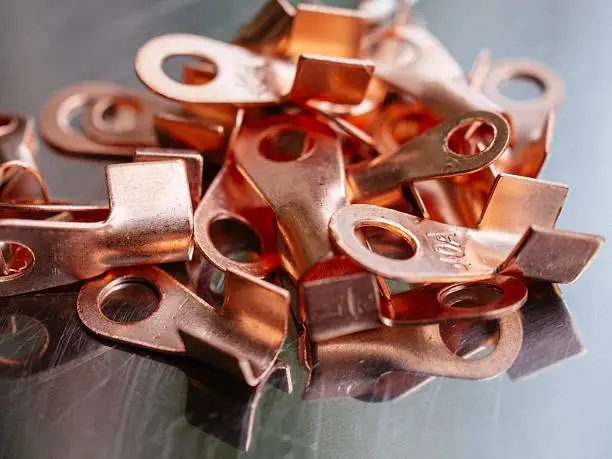
How to Choose a Copper Casting Supplier for Custom Electrical Components
Start With the Operating Conditions
Before I compare quotes, I write down how the part will live. Electricity and current decide how much a substance can carry electricity. Things are strong and hard based on their temperature and how much force they have. They point to alloys that don't rust when water, salt, or chemicals are present. We can tell if a part needs plating or a protective cover by where it will go and how long we think it will last. Of course, the IACS conductivity scale starts with 100% pure copper. This number is used to keep track of each mix. Most of the time, alloying makes things stronger but less conductive. The Copper casting supplier can't give you a good idea because of this. It's faster to see how well it can be made after it's been shared early because engineers can point out problems before the tooling phase starts.
Build a Weighted Supplier Scorecard
An evaluation makes sure that the choice is fair. Some of the things that matter are technical know-how, certificates, wait time, minimum order number, total landed cost, communication, and engineering support. Give each one a weight. Every job has a different weight. Prototype buyers want to be able to change the number of items quickly. When an OEM buys in bulk, they care about capacity, repeatability, and paperwork. Parts that need to be very accurate need CNC cutting and measuring that are very good. It may only take a good cast and even packing to make most copper metal parts. People who buy things in the aerospace, energy, auto, and industrial machinery sectors often add records of inspection and traceability to the list. Give each Copper casting supplier the same score on the same sheet, and then request supporting documentation, such as sample reports, equipment lists, and shipping records, for each high score.
Select the Right Copper Alloy for the Job
Putting "copper" on a picture isn't enough. Copper that conducts electricity well is good for parts that need to carry it, but it's harder to cast without making mistakes. Tin bronze doesn't wear out quickly when used for bushings and moving contacts. Copper and zinc are mixed to make brass. Brass is easy to shape and cast, which makes it a good material for connectors and terminals. Iron bronze made from aluminum is stronger and less likely to rust when used outside, but it doesn't carry electricity as well. Copper-nickel is not permeable to salt water. The metal chromium copper is unique because it is both strong and good at conducting electricity. The conductivity and mechanical strength should be set to their lowest levels. Then, ask for the material's grade, the relevant standard (for example, ASTM B584 for sand castings), chemical analysis, mechanical data, batch traceability, and, if needed, RoHS or REACH paperwork. If you want to buy tin bronzes, you should also ask about conflict minerals.
Copper Casting Process, Methods, and Quality Inspection
Manufacturing Route From Drawing to Shipment
The first step is to look over drawings and CAD files. This is the next step, which is design-for-manufacturing checks. These look at cores, wall thickness, draft, and cutting limits. Steps after this are to make the tool or mold, plan the gates and risers, melt the alloy, and keep the chemicals under control. It's important to degas and clean fill copper because it melts at about 1085 °C and can take in hydrogen in the melt. The casting is taken out and machined, deburred, cleaned, and may need to be coated after it has been poured and hardened. After that, it is checked to make sure it is good. It's possible for shrinking, inclusions, distortion, and internal gaps to change how well the electrical system works. This is because a hole shortens the length of the current. The people who make tools, cast, machine, and finish work together as a team in the same building. We can keep the measurements the same and talk to each other more quickly.
Sand, Investment, and Die Casting Compared
There is more than one best way to make a part, and it depends on its size, shape, tolerances, annual volume, tool budget, and finish. Sand casting can make prototypes, big, difficult parts, and small to medium amounts of them with flexible tools. But parts generally need more work done on them. You can get thin walls and small details with investment casting, but it costs more to make the mold and do the process steps. If you use a permanent mold and die, you can make more of the same thing and make the surface better. There are only a few types of brass that can be used for die casting because copper has a high melting point. Before the approval of the tools is given, you should ask each Copper casting supplier to compare their choices based on price, risk, wait time, and design limits. You can avoid having to buy a new tool later by quickly comparing the ones you have now.
Tolerances and Surface Finish
The tolerances for parts rely on the metal, the way it is cast, the size of the part, the shape of the mold, and how it cools. It's not possible to get exact measurements for as-cast parts, so I split them up on every model. For castings, ISO 8062-3 tells us the tolerance grades, and ASME Y14.5 or ISO GPS rules tell us how to set the datums and geometric controls. The control should be tight on all of the mounting holes, contact surfaces, terminals, bores, insulation gaps, and busbar connectors. Because other parts can stay at general grades, this saves money. A finish that is as-cast, machined, polished, blasted, crushed, plated, or covered is everything you can pick from. Before you make your first order, you should agree in writing on the criteria for acceptance, the way to measure, the level of roughness, and the layer thickness. Things that are machined can be accurate to within 0.05 mm.
Quality Inspection Methods
A good plan for inspecting something looks at its material, size, surface, how it works, and its internal soundness. For melt control, things like spectrophotometer analysis, furnace records, temperature tracking, and being able to follow heat or batches are all used. To check the sizes of things, people use micrometers, gauges, optical systems, and coordinate measuring machines. People who want to buy something can ask for X-rays or ultrasonic tests to look for flaws inside. For cracks on the outside, they can ask for dye penetrant tests. Electrical parts may also need to be tested to see if they conduct electricity. This is often done with an eddy current meter. It is possible to add tests for load, temperature cycling, contact resistance, or power. You should get inspection reports, conformity stickers, first-piece reports, and records of what was done to fix the problem. This paper will help your quality team find any issues with a certain batch and prove it, which will end the case.
Compliance, Sourcing Options, and the Procurement Workflow
Certifications and Compliance Requirements
An organized quality control system is in place at a company that has ISO 9001. It's not the same as process proof, sample approval, or technical checks. Depending on how it will be used and where it will go, buyers may also need RoHS, REACH, conflict minerals, or environmental certificates. When someone sells you a certificate, make sure you check its scope, validity date, issuing body, plant address, and the processes it covers. A certificate that says something about a different site or product group doesn't really prove anything. Talk to your final customer, the importer, and the right regulator to make sure you understand the rules before you start making the product. Every market has its own rules. RoHS (Directive 2011/65/EU) limits the amount of lead that can be used in electronics and computers, but there are some restrictions. In this case, alloys made of copper with lead need to be looked at more closely.
Domestic, Overseas, and China-Based Suppliers
There are trade-offs between the different ways to source goods: cost, ability, contact, logistics, and knowing the rules. If you buy from a domestic source, labor costs might be higher, and you might not be able to use some methods. You can get better prices and faster production when you buy from a Copper casting supplier in another country. They want clear rules about customs, payments, shipping, and making plans for restocking, among other things. If you want to find a supplier in China, you should look at their history of exporting, their international references, their equipment, their engineering resources, their inspection systems, their packaging, and how they ship their goods. A video audit or a test order is a good way to get to know a partner from another country. Do not compare the price per unit, but the cost as a whole. It is important to think about things like tools, machining, freight, duties, stock, rework, warranty, and shipping risk.
Procurement Workflow for OEM and Bulk Orders
To keep people from getting lost, make sure the process is clear. Please send the drawings, CAD files, alloy requirements, expected quantities, information on the application, critical tolerances, inspection standards, and due dates for delivery. The Copper casting supplier checks to see if the product can be made and informs of any casting or forging risks. They then send a price that includes the costs of casting, machining, finishing, inspection, packing, freight, Incoterms, and payment terms. Then, before making a lot of them, a model or first item is made to make sure that they fit right and that the material, finish, and electrical safety are all right. There are written controls in place to keep track of work, handle changes, handle nonconformances, set release criteria, and make sure the work is turned in on time once the work has begun. This order tells the engineers, buying, and quality teams the same thing at all times.
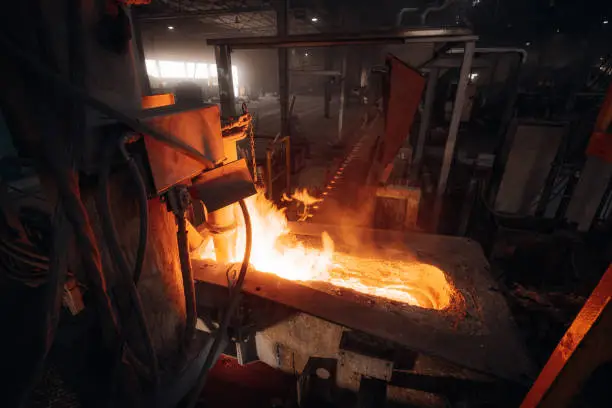
Integrated Supply and Common Sourcing Mistakes
Value of an Integrated Casting and CNC Machining Supplier
A fully integrated seller does everything in one system, from casting to CNC cutting to finishing, testing, packing, and sending. It's easier to get in touch with people at different companies, there are fewer handoffs, and wait times are shorter when there are fewer of them. The most important times for engineering help are when the alloy is chosen, the mold and gates are designed, the machining datum is planned, the tolerances are reviewed, inspections are planned, and production starts. The same team can help with prototypes, test runs, low-volume orders that come up often, and big OEM projects. Before you place another order, make sure you know the company's real capacity, equipment, schedule, who owns the tools, the quality of the paperwork, and its ability to handle global logistics. A site audit or video walk-through can tell you most of what you need to know.
Common Selection Mistakes and How to Avoid Them
Many times, people choose the cheapest unit price, which is not the best choice. Repairs, inspection, packing, tools, or freight may not be part of that price, which drives up the total cost. Picking only "copper" might make the metal weak, unable to conduct electricity, or resistant to corrosion. It can also make warranties less useful. Another trap is giving the go-ahead for a sample without first making sure it can be made. Just because a prototype is good doesn't mean it will be good in production. Tight tolerances raise the cost without making the part work better, so they should only be used on parts that do work. Things get thrown away when changes can't be stopped. Write down the steps you need to take to make changes to drawings, swap materials, switch tools, get approvals, or send an engineering change notice.
How Fudebao Technology Supports Electrical Component Projects
At Fudebao Technology, we cast and finely mill aluminum alloy, copper alloy, and stainless steel as our main business. People from all over the world who work in the auto, industrial equipment, machinery manufacturing, aviation, and shipbuilding industries buy from us. As a Copper casting supplier, we work in a factory with CNC lathes, low-pressure casting machines, and die-casting machines. In that step, we freeze, cast, finish, and treat the surface, so we can give you a part that is ready to use from start to finish. The machine is accurate to within 0.05 mm. We are going to set the standard because we are one of the best aluminum foundries in China. Here is a picture of what you want to make. Please tell us how you plan to use it, and our engineers will let you know if it is possible to make.
Conclusion
When looking for a Copper casting supplier for electrical parts, it's important to match the working conditions of the part with the right alloy, process, tolerance, and inspection plan. Since copper is a good receiver of heat and electricity, flaws like holes or wrong measures cost a lot. This is why it's important to keep an eye on the melt, check the spectrometer, and look over the records. Molds, investments, and dies can all be used to make things in a range of shapes and sizes. What makes a difference in the total cost is the amount of grinding error. Some certifications, like ISO 9001, show that a system is taken care of, but you should check to see what all they cover. RoHS or REACH requirements should also be certified before they are made. When you buy something, keep an eye on the total cost, use a scorecard, and make sure your procurement workflow is clear. The standard is the same from the sample to the repeat order because casting and CNC cutting are done at the same time.
FAQ
What do copper casting suppliers make for electrical equipment?
They make busbars, links, connections, switches, motor parts, and grounding gear. The work that CNC machines do is often done.
Which casting method should I choose?
Die casting is good for making a lot of the same thing out of the right material. Investment casting is good for making small details. Sand casting is good for making big or small parts. Compare tools before you buy one.
Can castings be CNC machined?
Yes. To get important parts, like touch areas and bores, to their final size, they are machined.
What information is needed for a quotation?
The alloy grade, the amount, the tolerances, the surface finish, the certification needs, and the country where the goods will be sent must all be given.
Which documents should I request?
Ask for material certificates, inspection reports, the ISO 9001 certificate, and RoHS or REACH certificates if your market needs them.
Request a Custom Copper Casting Quote for Electrical Components
Fudebao Technology can be found at hank.shen@fdbcasting.com. Please include your drawings, CAD files, alloy needs, yearly demand, tolerances, and the country where the goods will be sent. Casting, CNC machining, and finishing are all done in-house by our Copper casting supplier and manufacturer. To within ±0.05 mm, we can make parts that are exactly right. We'll check to see how easy it is to make and get back to you with a quote that includes molding, shipping, and making the tools. Visit fdbcasting.com to find out more.
References
1. ASM Handbook, Volume 15: Casting, ASM International, 2008
2. ASTM B584, Standard Specification for Copper Alloy Sand Castings for General Applications, ASTM International, 2014
3. ISO 8062-3, Geometrical Product Specifications (GPS): Dimensional and Geometrical Tolerances for Moulded Parts, General Tolerances for Castings, International Organization for Standardization, 2007
4. ASME Y14.5, Dimensioning and Tolerancing, American Society of Mechanical Engineers, 2018
5. ISO 9001, Quality Management Systems: Requirements, International Organization for Standardization, 2015
6. Directive 2011/65/EU on the Restriction of Hazardous Substances in Electrical and Electronic Equipment, Official Journal of the European Union, 2011



YOU MAY LIKE