
How to Select a Reliable Aluminum Die Casting Company for Small Runs?
2026-04-07
When looking for a trusted aluminum die casting partner for small production runs, you need to look at their technical skills, quality processes, and how flexible their supply chain is. In addition to price, you should also look at how well they know how to make tools, choose alloys, and adjust their minimum order number (MOQ). Check for ISO certifications, testing methods, and how well the company has done in the past with batches of the same size. The right supplier communicates clearly, gives you choices for pilot runs, and gives you detailed paperwork that meets the standards of your business. This choice will have a direct effect on the accuracy of the measurements, the reliability of the delivery date, and the long-term cost management of your project.

Understanding the Challenges of Small Run Aluminum Die Casting
There are specific problems that come up with small production runs that are not present in large-scale manufacturing situations. When batch numbers are less than 5,000 units, economies of scale are usually not possible. This means that each unit costs more and takes longer to set up. No matter how much you make, the cost of tools stays high; based on how complicated it is, a single die can cost anywhere from a few thousand to tens of thousands of dollars. When this investment is split up into a few hundred parts, each part has to pay a lot more financially.
Lead times often get longer because manufacturers give priority to large orders that promise better machine utilization rates. Setting up aluminum die casting tools takes the same amount of time whether you're making 200 or 20,000 pieces. This includes installing the die, adjusting the parameters, and doing test runs. Because of this, small-run projects may have to wait longer than planned because they have to compete with bigger jobs for machine access.
Another problem is quality uniformity. With high-volume production, process factors can be fine-tuned over thousands of rounds, resulting in stable output. Small runs make it harder to make these kinds of improvements, which raises the risk of flaws like porosity, cold shuts, or dimensional drift. When suppliers don't have specialized knowledge in small batches or can't count on statistical process control data from long production histories, it may be hard for them to offer consistent quality.
When there is less material waste, it stands out more. A larger portion of the total material used in small runs is the aluminum alloy needed for runner systems, gates, and first test shots. You will have to pay more from suppliers who don't have good material recovery systems or experience with designing gates that work best. To lower the chances of mistakes, delays, and cost overruns, it's important to find a provider that knows about these limitations and has created processes that are perfect for short-run production.
Key Criteria to Evaluate When Selecting an Aluminum Die Casting Partner
Manufacturing Capabilities and Technical Expertise
Checking a supplier's technical skills for small-batch production is the first step in building a strong relationship. Begin by testing their understanding of alloys and the materials they can use. Different types of aluminum alloys, like A380, ADC12, and A356, have different qualities. For example, A380 is great for making complicated thin-wall parts because it is fluid and pressure-tight, while A356 is better for structural uses because it is stronger. Your provider should show that they know a lot about choosing the right alloy for the job, whether you need corrosion protection for electrical housings or thermal conductivity for parts that get rid of heat.
Part quality is directly affected by how precise the equipment is. Find out how many tons their aluminum die casting machines can handle and how they control them. Modern machines with digital process control keep the injection pressure, temperature, and cycle time stable, which is very important when making small batches without having long production runs to keep the parameters stable. CNC milling makes it possible to do tight-tolerance work after casting, which is an important part of casting. Suppliers with multi-axis machining centers, precision lathes, and Coordinate Measuring Machine (CMM) checking systems can send finished parts that are accurate to within 0.05mm.
For small-run projects, knowing how to make custom tools is especially important. The best partners offer modular die designs that lower the cost of original manufacturing or multi-cavity dies that balance the cost of setup with the speed of production. Before production starts, they should give thorough reviews of the die design, flow simulation analyses, and cooling optimization studies. By investing in engineering up front, you can avoid expensive redesigns and production delays later on.
Quality Assurance Systems and Certifications
Good suppliers can be told apart from average ones by how well they handle quality, which is especially important when production numbers are low and statistical sampling doesn't work well. While ISO 9001 approval is a good sign of a quality system's basic competence, standards that are specific to a business are more important. Automotive suppliers should have IATF 16949 approval, which shows they can meet strict quality standards for the automotive industry, such as PPAP (Production Part Approval Process) paperwork. For certain tasks, aerospace customers need sellers who are certified by both AS9100 and the National Aerospace and Defense Contractors Accreditation Program (NADCAP).
Protocols for controlling defects should include First-Article Inspection (FAI) steps, which check the sizes of the first production pieces before making the whole batch. Find out how often nonconformances happen and how they fix them when you talk to possible sellers. Companies that use Six Sigma methods and keep track of defects per million chances (DPMO) show that they want to keep getting better. Real-time inspection tools, such as X-ray porosity detection, leak testing, and automatic optical inspection, find flaws before they spread through small amounts, where each rejected part has a big effect on the project's costs.
Supply Chain Management and Communication
Reliable supply chain practices will keep your small-run project moving along easily, even if other things need to be done first. Realistic lead-time predictions are the first step toward open conversation. Suppliers you can trust give you specific production plans that show when the tooling is finished being made, when trial runs happen, and when full production starts. Instead of making reasons after the fact, they tell people ahead of time about any possible delays and offer ways to avoid them.
Reliability in obtaining materials changes the progress of a job. Suppliers who keep key alloys in stock or who have built relationships with metal refineries can fill your orders quickly without having to wait for materials to be sourced. This feature is especially useful when you need to turn around small amounts quickly. Shipping times and costs are cut down when you're close to your activities or big logistics hubs, though modern freight forwarding has made this benefit less noticeable.
Operational adaptability is what sets flexible producers apart from responsive partners. When doing low-volume production, look for providers that are ready to make engineering changes, offer flexible batch splitting, or set up just-in-time shipping plans that work with your assembly schedules. Companies that have project managers specifically for smaller accounts make sure that your worries are heard, even if the order value is lower than for mass-production contracts.
Step-by-Step Process to Vet and Select Your Ideal Aluminum Die Casting Supplier
Define Project Requirements with Precision
Clear description of requirements stops confusion and lets you evaluate suppliers correctly. Start by writing down the part's requirements, such as its size range, surface finish needs (measured in Ra values), and how well it works, like its pressure number or load-bearing ability. Give providers the exact aluminum die casting alloy grade they need or information about the application, such as the working temperature range, the possibility of being exposed to corrosive environments, and the need for electrical conductivity. This way, they can suggest the right materials.
Describe your true number needs, including the size of the first batch, how much you expect to use each year, and how your business might grow. This information helps sellers figure out if your project fits perfectly with how they do business. List the certificates, inspection records, and other paperwork that are needed to meet your quality standards. Customers in the automotive industry need PPAP packages, customers in the aerospace industry need material approvals and traceability, and customers in industrial settings may need special mechanical testing data.
When planning a timeline, you need to take into account the facts of small-run production. It usually takes 4-6 weeks to plan and build a tool, then another 2-3 weeks for test runs and first-article approval, and finally another 1-2 weeks for production and finishing. Rushing through these steps raises the chance of defects and costs. The budget should take into account that the cost per unit for a small run will be higher than the cost per unit for a large run, but it should also set clear upper limits that show the value of your product.
Conduct Focused Supplier Research and Request Detailed Quotes
Industry-specific listings, trade show contacts, and recommendations from professional networks are the first steps in systematically finding suppliers. Geographic factors are important. For example, domestic providers may have cheaper labor costs but make it easier to communicate and ship goods faster. On the other hand, foreign makers may be cheaper but need more complex operations and quality control. Platforms that focus on production sourcing can make it easier to find suitable people.
When you ask for quotes, give all possible sellers the same information so that you can compare them on an equal level. In addition to price, you should also look at how fast and well they respond. Responding suppliers send quotes back within 48 to 72 hours with careful questions about your application. People who ask for more information about tolerances, surface treatments, or testing requirements are being careful. The quotes should include an idea of how long the production will take, how to pay, and what the guarantee covers.
Look over the detailed ideas that were sent in along with the prices. Strong candidates tell you how to improve the process, how to change the design to make it easier to make or cheaper, and they also give you other options to think about. This consultative interaction points to the possibility of a relationship rather than transactional thought. Check to see if their suggested quality control plan, inspection schedule, and paperwork deliverables are in line with your requirements.
Perform Quality Validation Through Samples and Pilot Runs
Before signing a full production deal with a seller, you can check their skills by asking for sample parts or allowing pilot production runs. When you look at a sample, you should use calibrated tools like micrometers, calipers, or even a CMM to check its measurements and make sure they match the print specs. Check the surface's quality by touching it and looking at it. Make a note of any holes, flash, or other flaws that might affect your application.
Functional testing is a more thorough way to confirm. Put sample parts through situations that are similar to those they will face in the final product, such as temperature cycles, vibration testing, pressure testing, or corrosion exposure. This checks for problems with the material or the method that dimensional checking might miss. To make sure the casting meets the standards for material properties, it is put through mechanical tests like tensile strength, hardness measurement, or fatigue cycles.
Pilot runs, which usually make 10 to 50 pieces, are like real production runs but on a smaller scale. This step shows how well the supplier's process control systems work and how regularly they keep quality high across multiple rounds. Look at how the measures are spread out across the test batch. Tight clustering means the process is being controlled well, while wide variation means problems could happen in full production. Before making bigger numbers, use pilot runs to make sure that the quality acceptance standards, inspection sample plans, and packaging requirements are all set in stone.
Finalize Contracts with Comprehensive but Flexible Terms
Negotiating a contract is a way to protect your interests while also keeping good relationships with your suppliers. Make sure the scope is clear and includes exact part specs backed up by drawing numbers and edit levels. Set minimum acceptable quality levels (AQL) for different types of defects. For example, major defects that affect function should not be accepted at all, while minor cosmetic issues might be okay at a lower rate.
The terms of the deal should lock in unit costs for set amounts of time or volume, and there should be ways to change the material extra if the price of aluminum changes a lot on the market. Tooling deposits (30–50% of the cost of the tool) are usually due up front, and the rest is due when the tool is approved. For production runs, payment terms are usually net-30 or net-60. To get people to deliver on time, you might want to think about performance bonuses or penalty terms for not doing so.
Intellectual property laws protect your ideas by requiring secrecy agreements and making it clear who owns the tools and technical data. Include rules for engineering change orders (ECOs) that explain how to handle, price, and plan changes to the design. Termination terms should include ways to get out of the deal if performance drops, but they should also protect the seller from being suddenly fired after investing in tools. Contracts that are flexible, like ones that let you change the size of a batch, the date of delivery, or the quality requirements, support changing small-run production needs while keeping everyone responsible.

Conclusion
To find the best aluminum die casting provider for small production runs, you need to look at their technical skills, quality systems, supply chain reliability, and culture fit, among other things. In high-volume manufacturing, economies of scale drive decisions. But for small-batch projects, you need partners who are flexible, have specialized knowledge, and are truly committed to lower-volume business. You'll get better product quality, more reliable delivery schedules, and cost structures that help your business reach its goals if you carefully vet your suppliers. When you add up the total cost of ownership, remember that the lowest price isn't always the best deal. You need to think about things like quality risks, project delays, and the cost of tools. Having cooperative relationships with sellers who see your success as linked to theirs gives you a competitive edge that goes beyond individual orders.
FAQ
What typical lead times should I expect for small-run aluminum die casting projects?
Small production runs usually take between 6 and 10 weeks to deliver from the time the order is placed. Depending on how complicated the die is and how many cavities it has, designing and making the tools takes 4 to 6 weeks. It takes an extra one to two weeks for trial runs and the review of the first item to confirm the measurements, change the process settings, and get your approval.
Is aluminum die casting cost-effective for low production volumes?
Aluminum die casting can be cost-effective for numbers as small as 100 to 200 pieces when the complexity of the part, the need for tight tolerances, or the qualities of the material make it a better choice than other methods. The big starting investment in tools is spread out over the number of units that are made, so as volume goes up, per-unit costs go down.
What are common defect types in small-run die casting and how can suppliers mitigate them?
Porosity is the most common type of flaw. It shows up as small holes in the casting that are caused by trapped gas or shrinking as it hardens. Suppliers reduce porosity by using vacuum-assisted die casting systems that remove air before metal injection, the right gating design that lowers noise, and the best process settings that control the speed and pressure of metal injection. When metal streams meet without fully joining, this is called a cold shut. This problem is usually fixed by making sure the metal is at the right temperature, preheating the die properly, and placing the gates so that the whole space is filled.
Partner with Fudebao Technology for Your Small-Run Aluminum Die Casting Needs
Navigating the complexities of small-batch production requires a supplier who combines advanced technical capabilities with genuine commitment to your success. At Fudebao Technology, we have refined our operations specifically to excel in low-volume manufacturing scenarios where others see only operational headaches. Our facility houses high-speed machining centers, CNC lathes, low-pressure casting machines, and die casting equipment that collectively support the complete manufacturing cycle from melting through surface treatment, delivering finished components with precision reaching ±0.05mm. We serve demanding industries including automotive, industrial equipment, and electrical sectors, providing aluminum alloy, copper alloy, and stainless steel casting solutions backed by decades of metallurgical expertise. As a trusted aluminum die casting manufacturer, we understand that your project deserves the same engineering rigor and quality focus regardless of order size. Contact us directly at hank.shen@fdbcasting.com to discuss your specific requirements and receive a comprehensive project evaluation tailored to your technical specifications and timeline needs.
References
North American Die Casting Association. "Die Casting Process and Design Manual." NADCA Publications, 2021.
Kaufman, J. Gilbert, and Elwin L. Rooy. "Aluminum Alloy Castings: Properties, Processes, and Applications." ASM International, 2020.
American Foundry Society. "Metalcasting Industry Handbook: Small-Batch Production Strategies and Cost Analysis." AFS Technical Publications, 2019.
International Organization for Standardization. "ISO 9001:2015 Quality Management Systems – Requirements and Implementation Guidelines for Manufacturing Organizations." ISO Central Secretariat, 2018.
SAE International. "IATF 16949:2016 Quality Management System Standard for Automotive Production and Relevant Service Parts Organizations." Society of Automotive Engineers, 2020.
Modern Casting Magazine. "Economic Analysis of Low-Volume Die Casting Operations: Tooling Strategies and Break-Even Calculations." American Foundry Society, 2022.



YOU MAY LIKE
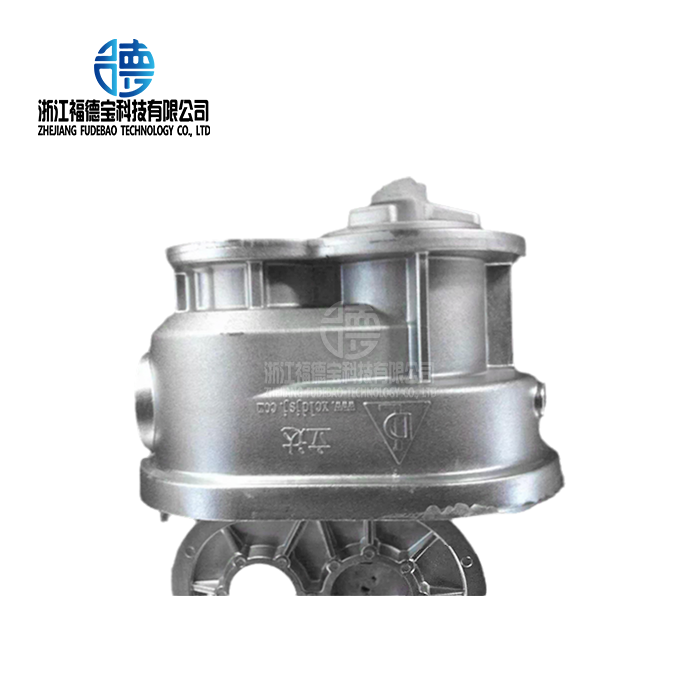
_1756345939856.webp "Aluminum casting chassis")
_1756352712247.webp "stainless steel hex plug")
_1756348711711.webp "anti surge turbo housing")
_1756346613780.webp "Aluminum tent base Casting")