
Direct Factory Sourcing for Copper Castings Used in Power Systems
2026-11-12
Direct factory sourcing means you buy copper castings from the plant that melts, casts, machines, and inspects them, not from a middle layer. For power-system parts such as valve bodies, connectors, and busbar fittings, a Copper casting source factory gives you direct access to engineers, alloy records, and inspection data. That access shortens technical questions, makes quality easier to trace, and keeps cost breakdowns clear. In this guide, I explain how these factories work, which casting methods fit which parts, what quality checks to request, and how to compare a manufacturer with a trading company before you send an RFQ.
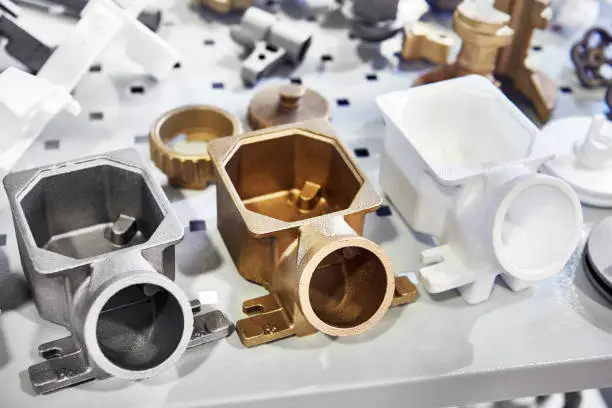
What Is a Copper Casting Source Factory?
We should know what "source factory" means before we compare prices.
A Factory That Controls the Core Steps
Getting the mold made, melting the metal, casting it, checking it, and sealing it are all important steps in the production process that a Copper casting source factory either does themselves or is in charge of. Each step can be flawed if the same people are in charge of them. The melt, the mold, or the cutting program may be at fault. There's no need for the engineer to wait for someone else to answer. Also, the different lines for cutting, machining, and casting help them figure out what changes prices the most. Even if they hire other people to do most of their work, they can still send you good parts. You have to rely on classes you haven't seen, so it takes longer to get useful answers.
Common Copper Alloys and Why Grade Matters
To buy power systems, most people can choose from copper, brass, bronze, and some copper alloys. The UNS number for cast copper metals ranges from C80000 to C99999. Composition bronze, which is sometimes called "ounce metal," is covered by ASTM B62. Copper alloy sand molds, which are used for different things, are covered by ASTM B584. Since this is the case, a model should say what grade it is instead of just "brass." You can only learn so much about science and physics at each grade.
This scale is used to measure how well something conducts electricity. Hot copper is equal to 100% on this scale. You need to think about both the strength and the path of the current when choosing the right grade for electrical parts. Cast metals lose some of their strength when tin, zinc, or lead are added to them. The Lead in Drinking Water Act says that water in places that get a lot of snow or rain can't have more than 0.25% lead in it on average. Parts that hold drinking water must follow this rule.
How to Verify a Supplier
Site claims are just the beginning. You should either go to the plant in person or watch a video tour of it. The place where the metal is melted, the mold shop, and the CNC machines should all be shown to you. Look at the most recent invoices, inspection reports, and measuring tools. Find out what kinds of OEM parts the business makes and where it sends them.
One of Fudebao Technology's main jobs is to carefully mill and cast aluminum alloy, copper alloy, and stainless steel. People buy tools, cars, trucks, ships, and airplane parts from us all over the world. People who want to buy can see the whole process, from melting the metal to casting it and then polishing and treating the outside.
Manufacturing Process and Casting Method Selection
The cast is checked to see if it's clean or needs more work. This is the order I follow.
From Drawing Review to Final Inspection
All the parts, their shapes, wall thickness, and how they will be used are checked before the job starts. They then decide how to make the part and build the mold, gates, risers, cores, vents, and area for cutting. These can be anywhere from 1.5 mm to 6 mm, depending on the process and the size of the part. This is done to make the surface shine like metal.
A professional Copper casting source factory must carefully control the melting, pouring, and cooling stages to achieve consistent casting quality. During copper melting, the molten metal can readily absorb hydrogen, increasing the risk of gas porosity in finished components. To reduce this risk, manufacturers may use nitrogen or argon degassing, while copper-phosphorus deoxidizers can help remove oxygen from the molten metal. These measures help minimize gas-related defects and improve casting integrity. An experienced Copper casting source factory should also optimize the gating and feeding system to control metal flow and promote directional solidification, reducing the likelihood of shrinkage cavities and other internal defects. After solidification, the cast components undergo inspection, cleaning, deburring, and surface finishing before being transferred to CNC machining. Throughout this process, a reliable Copper casting source factory should maintain clear quality control procedures and verify that each component meets the required specifications. Buyers should also pay attention to dimensional definitions when reviewing quotations. A detailed quotation from a professional Copper casting source factory should clearly distinguish between as-cast dimensions and final machined dimensions, including the relevant tolerances and machining allowances. This helps prevent misunderstandings, ensures accurate cost calculations, and makes it easier to confirm whether the finished copper castings meet the technical requirements.
Sand, Investment, and Centrifugal Casting
Sand can be used to make parts that are big, difficult, and not very common. For example, valve bodies and pump housings. Cores can also be used to make holes in the parts. This method makes the surface of small, complicated parts smoother and with more fine details, but it can cost more to make each one. You need to spin the mold before you can make it. The impurities are pushed toward the hole, and parts like sleeves and bushings are made that are thick and cylinder-shaped.
First, check that the method fits the shape. After that, make sure it fits the metal, the width, and the height. That which has thin walls and a heavy valve body with channels inside it are not the same thing. When you try to fix both of them at once, you might make more waste or take longer to machine.
Gravity and Die Casting, and Total Cost
Metal is poured into a mold that stays in place using this method. With this method, you can make copper metal parts that are about the same size over and over again. You press metal into a steel mold to make die-cast parts. Making a lot of parts that stay together is best done this way. You should check the metal and the process at the same time. Copper metals melt at higher temperatures than aluminum, which is why this is the case. This means the die won't last as long.
Not just the line where the ball was thrown, but the whole path should be compared. The cost to land is based on tools, the risk of trash, the time it takes to make, the cost of inspection, and the freight. It could cost more if the cast is cheap but needs a lot of work than if the part is almost ready to be used. As well as CNC lathes and high-speed machining centers, our plant has low-pressure casting machines and die casting machines. I read over the way for each part before I quote.
Quality Standards and Defect Control
Fixing problems with the quality of the goods after they've been sent out costs a lot more, so I ask buyers to do that as soon as possible.
Documents to Request
Make sure you know the type of metal, what chemicals are in it, how it works mechanically, how well it conducts electricity (if that matters), and if there are any acceptable size changes. Then, demand proof of materials, the ability to monitor groups or heat, up-to-date records of inspections, and a first-article process that everyone agrees on.
A first-article report looks at the parts and the drawing together before making a lot of them. This makes it easy to see where the mold or cutting went wrong and fix it. You should also ask the factory how they handle a non-conformance. Does anyone look into it? What records does it keep? How quickly does it answer? A written answer tells you more than a phone promise.
Common Defects and Their Causes
A professional Copper casting source factory must understand the common defects that can occur during copper alloy casting, including deformation, cracks, gas porosity, inclusions, cold shuts, misruns, shrinkage cavities, and surface imperfections. Gas porosity is often caused by hydrogen absorption in the molten metal or excessive moisture in mold materials. Oxide inclusions and surface contamination may result from improper melting practices or inadequate metal handling. When the pouring temperature is too low, or the gating system is poorly designed, incomplete filling, misruns, and cold shuts can occur. Shrinkage cavities may develop when the feeding system cannot compensate for metal contraction during solidification, while uneven or excessively rapid cooling can lead to thermal cracks and dimensional distortion. An experienced Copper casting source factory should identify these risks during process planning and implement appropriate controls for melting, mold preparation, pouring temperature, gating design, and cooling conditions. Regular inspections and defect analysis are also essential for maintaining consistent product quality. By working with a reliable Copper casting source factory, buyers can reduce casting defects, improve dimensional stability, and obtain copper alloy components that meet their technical and application requirements. A quality-focused Copper casting source factory should also provide inspection records and corrective action reports to demonstrate that identified manufacturing problems have been properly addressed.
As walls harden, changes from thick to thin cause stress. Having walls that are always the same height is helpful. The difficulties lie in the design of the mold and the method used for the melts. This means that the manufacturer can correct them faster than a dealer can talk about them.
Inspection Methods by Application
You should make sure the part works. Sizes should be written down on every order. See how stiff the worn parts are and how well they let electricity flow through them. You should always check the bodies of valves and pumps for leaks and pressure.
According to ASTM E165, cracks in the surface are often found with liquid penetrant tests. Ultrasound or X-rays are used to look at the health of important parts of the body. Make sure these tests are worth the time and money you spend on them. The test plan for a safety valve body and a fitting for looks shouldn't be the same. Keeping full records helps approve services and keep an eye on the process over time.
Applications of Copper Castings in Power Systems
Copper metal is used to make parts that need to carry power, keep things from rusting, or bear weight. I can see this being used in these main ways.
Valves and Pumps
When they're in use, custom valve casts shouldn't leak, hold pressure, rust, or have rough surfaces that make it hard to close the valve straight. Copper and bronze are often used because they don't rust when they get wet. The Navy has trouble with galvanic corrosion, but copper and nickel also work well there.
Size and shape of pump bodies and impellers must stay the same, and they must be well-balanced and machined with great care. Also, they need to be able to handle water. Most of the time, people who buy industrial gear like motors, pumps, and compressors want the specs to stay the same from one batch to the next. I believe that the best way to meet these goals is to not change the datum scheme or the cutting plan until the first piece is accepted.
Electrical Castings and Connectors
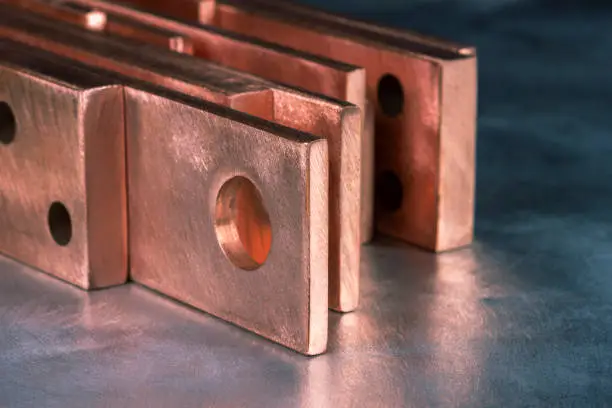
That is why it is important for parts that connect to busbars to be able to let electricity flow, have low contact resistance, and let heat escape. Copper can only carry electricity so well, so silver is still used for parts that do that.
You can put something over cast parts to keep them safe. When engineers work with electricity, they have to write down the standard the part has to meet, the lowest level of conductivity, and any plating requirements. The form and finish of the surface of two wires are what make them work better when they are clamped together. That's why it's important that the sides fit together perfectly.
Fittings, Bearings, and Wear Parts
Brass or metal fittings are chosen based on how well they fit together and how well they protect against heat, pressure, and rust. Keep brass bearings and wear parts in good shape by making sure they are oiled, in the right place, and lined up. Also, make sure that the right materials fit together. Galling is a seizure that can happen when steel hits steel. Metals that are based on copper can help stop it.
How you plan to mount the bearings should help you decide which type to pick. People often use bronzes with lead in them, but they can't be welded because they break easily when heated. Parts for potable water that meet NSF/ANSI 61 standards don't have to be made of lead. Bismuth metal can be used instead.
Direct Manufacturer vs. Trading Company, and How to Buy
You can choose what to buy better if you know the basics of tech.
Where a Direct Manufacturer Fits Best
When you buy from a maker, you have more ways to get in touch with engineers, people who plan production, data on tools and inspections, and teams that fix problems. It can also help you see prices better and make it easier to create unique OEM parts. They're still useful when you need to buy a lot of things at once, keep some things on hand, or buy more than one thing at once.
Make sure that each applicant knows how to cast, what alloys they can use, what tools they have, how much their things cost when they come, how much they can make, and what their minimum order quantity (MOQ) is. There should be no confusion about the necessary materials or prices, and they should not be unwilling to share production information. Release dates that keep changing, and not having a written plan for not following the rules, are all red flags.
Preparing an RFQ and Agreeing on Tooling
If you send the factory a full RFQ, they can tell you if the job is possible and give you the right price. Tell them about the metal, how it will be used, how much they will need each year, how many items they want to order at first, any restrictions, the testing standards, how they need to be packed, where they are located, and the trade terms.
Before you start making the first product, talk about who will own it, how to keep it in good shape, how long it should last, how many samples will be made, and who will sign off on it. To find out the MOQ for the sample, the test run, and the normal output, call the company. That way, you can look at each offer on its own. In the price, ask how much it costs to assemble, check, treat, package, ship, and pay duties. After that, a small order is placed to test how well the shipping works.
Checklist and What Fudebao Technology Brings
Find out as much as you can about the company, the quality, the supply chain, and the technology before making a choice. You should look at more than just the price. Make sure the factory can make the alloy, method, mold, route of machining, volume, sizes, and tests that you need. Talk about what to do if you don't meet standards, how to keep track of things, how to use calibrated instruments, and how to write inspection reports. Next, find out who owns the tools, how much they cost, how they are packed, how long you have to wait, what paperwork you need to export them, and how much room there is for future demand.
The parts that Fudebao Technology makes are cast and milled very precisely in the same place, from the block to the finished part. Even 0.05 mm can go wrong when you're milling. We used to buy them from people in the middle. These days, we buy them from companies outside of the United States, such as ESS energy storage batteries and HAAS robotic machine tools. Why are we one of the best aluminum foundries in China? Because we work hard.
Conclusion
It's not enough to just ask the source plant how much copper casts cost. There are other things you can do as well. Help them with the idea as a partner. It can be easier to find and fix problems if there is a Copper casting source factory that burns metal, shapes metal, machines metal, and looks for flaws. This can help with tracking. It's important to give them the right names because they depend on the grade and how they will be used. What it is depends on the shapes, sizes, and costs of the tools that are used to cast. The real cost is the sum of all the costs, such as freight and milling. This is only possible with the right tests for the risk. It is possible to check things like the pressure of valves and the conductivity of electrical parts. You can get things closer to home from a distributor, but you can get more information and help from makers. Before making a big order, it's better to do a full RFQ and a smart first order.
FAQ
What is the difference between a source factory and a trading company?
The molds are made at a source plant, which also melts the metal, shapes it, and checks the quality. Expert replies and good records often go through someone else because one company gets them from other plants.
Can you make custom copper castings from drawings or samples?
Yes. We'll see if it's possible if you send us plans or 3D models along with the metal grade, standards, and amount per year. That way, we can talk about the best way to do it. Please email me the pictures and sizes of the parts.
How do you control casting defects?
Controlling flaws includes using clean melt, gates that only let solidification happen in one direction, walls that are the same thickness all the way through, and checks that are right for the part, such as pressure tests for valve bodies. They all agree on the review plan before we start making things.
Do you accept small orders?
Little bits depend on the metal, how it is cast, and the tools that are used. Most of the time, MQs for testing, samples, and regular production are not the same. We'll add your thoughts to the price after you let us know what you think.
Request a Quote from a Copper Casting Source Factory
Fudebao Technology can help OEMs, resellers, engineers, and buying teams find a Copper casting source factory that makes power system parts by sending them RFQs. Forging and CNC cutting both happen in the same building. Email hank.shen@fdbcasting.com with your drawings, 3D models, the type of metal, the expected weight and volume, where and when you want the goods delivered, and any testing and machining instructions. How would you like us to do it? Tell us how much you need and how long it will take to get to you. To find out more, please visit fdbcasting.com.
References
1. ASM Handbook, Volume 15: Casting, 2008
2. ASM Specialty Handbook: Copper and Copper Alloys, 2001
3. ASTM B584 Standard Specification for Copper Alloy Sand Castings for General Applications, 2014
4. ASTM B62 Standard Specification for Composition Bronze or Ounce Metal Castings, 2017
5. ASTM E165 Standard Practice for Liquid Penetrant Testing for General Industry, 2018
6. Reduction of Lead in Drinking Water Act, 2011



YOU MAY LIKE