
Copper Casting Source Factory for OEM Plumbing Fittings
2026-11-12
A Copper casting source factory for OEM plumbing fittings is the original manufacturer that melts, casts, machines, and finishes brass, bronze, and copper parts under one controlled process. Buying direct gives you access to the engineers who read your drawings, set the tooling, and manage production. That means clearer answers on tolerances, leak risk, alloy choice, and lead time. In this guide, I explain how the copper casting process works, which materials and methods suit custom plumbing fittings, how quality is checked, and what to prepare before you request a quote.
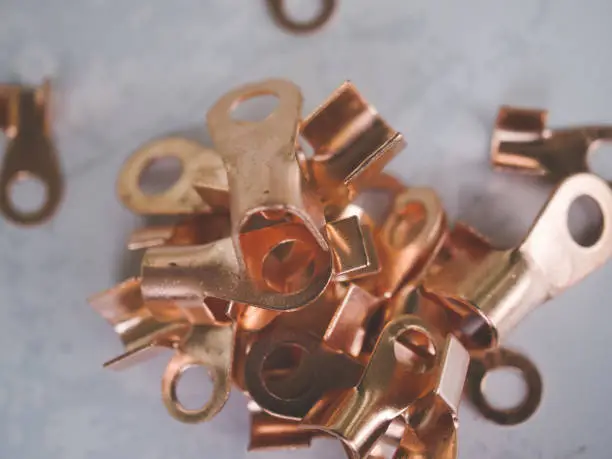
What Is a Copper Casting Source Factory?
Definition of a direct copper casting manufacturer
Making your part in a direct Copper casting source factory means that the person who owns or controls the steps that are used to melt, cast, and mill it. That way, you can get an answer right away if you need to know about a thread or wall thickness. Engineering data, machine records, and check data are all close by. Many times, a trading company is in charge of other plants. People who have things for sale sell them. Only a Copper casting source factory can change a machine program, fix a mold, or keep an eye on a furnace run by itself. Everything else is where it should be. We cast and finely mill aluminum alloy, copper alloy, and stainless steel at Fudebao Technology. This is what we do for a living. We heat, shape, finish, and treat the surface as part of our process.
Why factory-direct sourcing matters for OEM plumbing fittings
Any mistake is serious when it comes to plumbing parts that leak at the threads and close faces. The team that makes the mold can also cut the part. This means that the cutting limit can be set during the pattern stage and then matched to the main cut. Since there is no middle layer, the drawing can be changed faster. You can also see what needs to be fixed. The business can figure out what went wrong, fix the process, and see what went wrong. They are always the same because the same records, tools, and settings are used for each sale. You can have a design idea faster with this control. It only takes a short time to have a part that can be made in an OEM copper casting relationship.
Questions buyers should ask before treating a supplier as a source factory
I think you should ask a few direct questions before you send out an RFQ. Who is in charge of making the molds and patterns? Can I see the place where the metal melts and is cast in person or on video? How do I cut my threads and close my surfaces? The alloy is made of what? How do you keep track of the batches that are sent to the furnace? The report was signed by someone. Who is it? Test records, machine types, and process steps are some of the things that a real Copper casting source factory will give you if you ask for them. You should keep looking if someone doesn't give you a clear answer about where the event takes place. You can get ready for the hard work by answering these questions quickly.
How Copper Casting Is Manufactured for OEM Plumbing Fittings
Steps 1 and 2: Review the design, then select the alloy and casting method
Your drawing or 3D CAD file is the first thing that is used. The plant checks the annual amount, the margins, the finish, the pressure grade, and the type of link. Then it chooses a metal and a way to cast it that fits those needs. To cast in sand, a big valve body with holes in it works well. On the other hand, a small, complex joint might work better for investment casting. The alloy that is used changes based on the chemistry of the water, the rules of the final market, and the plan for the cutting. The US Reduction of Lead in Drinking Water Act says that surfaces are "lead-free" if they have less than 0.25 percent lead on them when they are wet.
Steps 3 and 4: Build the mold, then melt, pour, and solidify
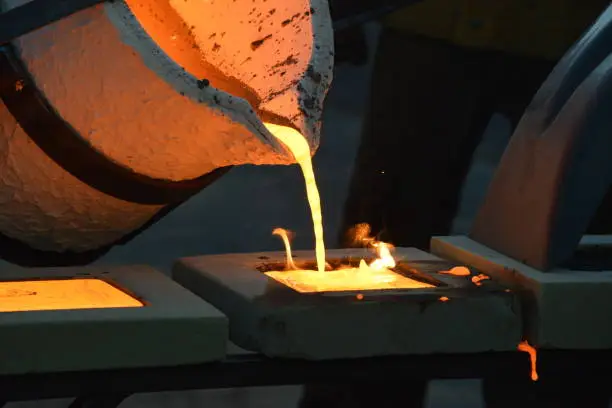
The shape, draft angles, and cutting space are all set by it. The next part is the mold or shape. The part doesn't shrink too much when it cools down because the gates and steps are good. There is someone in charge of the melting who cleans the melt before pouring it. Copper metals are thin because they let air out and shrink, according to the ASM Handbook and other casting books. Once it's hard, the team takes down the gates and ramps and cleans it up. At this stage, a sound casting helps cut things down and cuts down on the number of parts that need to be thrown away.
Steps 5 and 6: Machine, inspect, finish, and pack
Cutting takes a rough mold and fits it into a body. Tasks that are often done include deburring, facing, drilling, reaming, threading, and sealing surfaces. We use high-speed machining centers and CNC lathes in our factory to make sure the accuracy of our work is up to ±0.05 mm. Checkers look at the part's size, how well the threads fit, and the finish on the outside after it has been made. The team then puts on the finish that was asked for. Once you have the quotes, you should agree on how the test will be done and what the rules are for accepting them. If you want to test a part for pressure, you should test it at the same amount of risk. Finally, each part is cleaned, given a lot number, and packed to keep the threads and sealing faces safe while it is shipped overseas.
Copper Casting Methods and Alloys for Plumbing Fittings
Sand casting and investment casting compared
To sand cast, you pour metal into a model made of sand that is shaped like the part. It can work with parts that are big, complicated, or have cores inside them. It's also easy to use the tools, which means they can be used with both small and large valve bodies. Because the surface is rougher, there is more room to machine. This kind of mold is made from clay wrapped around wax. The process of making small, complicated fittings goes faster with this method, but it takes longer to make each part and needs more tools. This method can be used to make rings, sleeves, and bushings. You can use continuous casting to make bars and tubes that you can then machine. Instead of going with your first thought, choose a method that fits the shape, amount, level of comfort, and spend.
Brass castings for general fittings and valves
Brass is made from copper and zinc, and it is usually the best metal for plumbing parts, valve bodies, and threaded joints. It's bright and smooth, and it's simple to finish since it's easy to machine. There is lead in most plumbing brasses to help with the cutting process. So, in the US, things that touch drinking water have to follow lead limits and health rules like NSF/ANSI 61. That's why there are lead-filled and lead-free brasses. Before I look at a picture, I always make sure the setting is good for drinking water. If it does, I know which group of metals to check out first. If the copper alloy sand casts meet standards like ASTM B584, the buyer can put their own name on the picture.
Bronze castings and how to choose between bronze and brass
Bronze is primarily composed of copper and tin, although other elements may be added to achieve specific mechanical and chemical properties. Because of its good corrosion resistance and wear resistance, bronze is widely used in pump components, bushings, and marine fittings. When working with a Copper casting source factory, buyers should understand the differences between bronze, brass, and pure copper before selecting materials for their projects. Brass is generally easier to machine and is commonly used for standard pipe fittings and plumbing components. However, bronze is often more suitable for applications involving abrasive fluids, continuous friction between moving parts, or saltwater exposure. Before making a final decision, buyers should evaluate water quality, flow rate, operating temperature, drinking water regulations, and surface treatment requirements. Pure copper offers excellent electrical and thermal conductivity but can be more challenging to cast and requires careful process control. Therefore, it is commonly selected for components that need to transfer electricity or heat efficiently. An experienced Copper casting source factory can help assess these application requirements and recommend an appropriate copper alloy and casting process. When preparing an RFQ, buyers should avoid using general descriptions such as "brass" or "bronze" without further clarification. Instead, provide the complete alloy designation, relevant material standards, and required chemical composition. This allows the Copper casting source factory to confirm material suitability, improve manufacturing accuracy, and ensure that the finished castings meet the intended application requirements. Working with a qualified Copper casting source factory also helps reduce material selection risks and maintain consistent product quality.
Quality Standards and Inspection for Copper Castings
Material and chemical composition control
What an alloy is made of determines how well it resists rust, how strong it is, and whether regulators will let it work. A trustworthy factory keeps track of the various types of ingots that come in and uses a spectrometer to check the metal's makeup before pouring. Want to know the chemicals in your lot? Get a material certificate that lists the name of the alloy. You can connect a final fitting to the melt that made it, which comes in handy if something goes wrong in the field. If the parts are going to be used in drinking water, you need to show proof that the alloy and the finished product follow the lead laws and rules in your country. You should agree on the standard before you start playing. It can change how much it shrinks, how it's made, and how it looks if you change the metal after the fact.
Dimensional checks and pressure testing
When the plan says to, gauges, micrometers, thread gages, and coordinate measuring tools are all used to make sure that things are the right size. For example, U.S. pipe fittings use ASME B1.20.1 for NPT threads, so put the standard name on your model. Core shift is found by wall-thickness checks. This can make a joint weaker. The part is then put through pressure and leak tests to make sure it works right in the job. The source should write down the test pressure, hold time, and sample size. Everyone is on the same level when there are clear rules for acceptance. This keeps people from disagreeing.
Casting defect inspection and documentation
Casting often has flaws like holes, cracks, cold shuts, misruns, additions, and shrinking gaps. There are flaws on the outside that can be seen, and leaks can be found with a pressure test. X-rays or dye penetrants may be needed to check parts that are more likely to break. It's important to check for important seals before making smooth cuts, since rough cuts can show holes that weren't there before. You should ask for a quality plan, a first article report, a certificate of conformity, and export paperwork with lot numbers when you ship your first item. This paperwork will keep your quality team's record clean. Also, it's easy to do checks from now on. People who buy things in the energy, aircraft, and car businesses often look for this level of tracking.
Cost, MOQ, Lead Time, and Choosing a Supplier
What drives cost and MOQ
Part weight can only be put in one way. Prices depend on how the metal market changes, how much is cast, how hard the tools are to use, how long it takes to machine, how the surface is treated, inspected, packed, and shipped. A furnace's batch size, setup time, and minimum order quantity are often used to find the minimum order number. Get various quotes for different types of projects, such as prototypes, test orders, standard batches, and yearly contracts. Because each job is different, these things are different. To find out how long the quote lasts, ask how long it is tied to the metals market. The plant can better plan their supplies and ability if you tell them how much you hope to make. This can also bring down the cost per part over time.
Lead-time stages to clarify
Lead time is a set of steps, not a single number. The process starts with going over the design. Next, the tools are made, samples are made, permission is sought for the samples, production begins, and the goods are checked, packed, and sent. It takes the most time to approve samples and tools, so I think you should do those first. What do I do if a test doesn't work? What do you think about the changes? If I already have an order, how long does it take to place another one? You should work backward from where the freight is being delivered to get your goal date. It takes longer to ship freight than to make it. If you set clear goals, your team won't have to guess how to set up lines of work.
How to pick a supplier and request a better quote
Before calling wholesalers, make sure you know what drawings, 3D CAD files, materials you need, how much you want to sell each year, tolerances, finish, testing rules, packing, and the market you want to sell to. Then, see how well the applicants can make tools, cast metal, machine parts, finish things, make sure they are safe, and sell them. This is how it works: look at the sample to make sure it works, then place a controlled trial order, and finally start making it again. With a precision of up to ±0.05 mm, our CNC lathes and turning centers can make anything. Fudebao Technology can deliver anything from a blank to a finished product all in one place. Because we work with people in the auto, aviation, marine, industrial equipment, and tool production industries, we know what kinds of paperwork each one needs.
Conclusion
Working with a Copper casting source factory gives OEM buyers direct control over the manufacturing process for plumbing fittings, from initial design review and alloy selection to casting, machining, inspection, and final packaging. An experienced Copper casting source factory can recommend suitable manufacturing methods based on component geometry, dimensional requirements, and production volume. For example, investment casting is generally suitable for small, intricate components with complex details, while sand casting is often preferred for larger parts with internal cavities or complicated passages. Material selection is equally important because plumbing fittings must withstand water exposure, chemicals, and operating pressure. Bronze is often preferred for applications requiring better wear resistance or exposure to marine environments, whereas brass is commonly used for general plumbing applications. A professional Copper casting source factory should implement comprehensive quality inspections, including material verification, dimensional measurements, pressure testing, and defect detection. Material identification marks and batch traceability records are also essential for maintaining consistent quality and supporting future inspections. In addition, tooling investment, machining requirements, and casting methods directly influence production costs, minimum order quantities (MOQ), and delivery lead times. To obtain accurate quotations and ensure repeatable production results, buyers should provide detailed technical drawings or 3D models and establish clearly defined acceptance criteria before manufacturing begins. Choosing a reliable Copper casting source factory helps OEM customers improve production control, reduce quality risks, and establish a stable long-term manufacturing partnership.
FAQ
What is the difference between a copper casting factory and a distributor?
There is a factory that makes the parts and is in charge of the process, the tools, and the checks. People who sell stock items can't change the style or add their own name to them very often.
Which casting method suits OEM plumbing fittings?
Sand casting can be used to make big or complicated parts. Investment casting is a good way to make small parts with lots of details. It depends on the form, size, and limits.
Are brass or bronze castings better for plumbing?
A lot of things work well with brass. Bronze is strong, won't rust, and can be used in water. How to drink water and the science behind fluids give us the answer.
What information do I need for a quote?
As well as the alloy, volume, finish, testing needs, packing, and shipping address, please send drawings or 3D CAD files.
What quality documents should a supplier provide?
Get a certificate of material, a report on the check, records of the pressure tests, and a certificate of compatibility.
Contact Fudebao Technology, Your Copper Casting Source Factory Partner
You can send OEM pipe fitting designs to Fudebao Technology. They will be glad to receive them. From melting the metal to casting it, finishing it, cleaning the surface, and cutting it to within 0.05 mm, our team does it all. To get a Copper casting source factory that will check to see if your project is possible before giving you a price, email hank.shen@fdbcasting.com with your plans, the amount of alloy you need, and where you want the goods shipped. Please go to fdbcasting.com to learn more.
References
1. ASM Handbook, Volume 15: Casting, ASM International, 2008
2. Copper and Copper Alloys (ASM Specialty Handbook), ASM International, 2001
3. Complete Casting Handbook, Butterworth-Heinemann, 2015
4. Reduction of Lead in Drinking Water Act, U.S. Environmental Protection Agency, 2011
5. NSF/ANSI/CAN 61: Drinking Water System Components – Health Effects, NSF International, 2023
6. ASTM B584: Standard Specification for Copper Alloy Sand Castings for General Applications, ASTM International, 2014



YOU MAY LIKE