
Copper Crafts Processing for Decorative Panels, Fixtures, and Wall Art
2026-11-17
Copper Crafts Processing turns copper sheet, wire, tube, or cast stock into finished wall art, decorative panels, and fixtures. They stamp, cast, engrave, polish, and patinate the metal to make it look different. What tools are available, how the installation goes, and how many items are ordered depend on the answer. The best way to make images you'll use over and over is to stamp them. One of the best ways to make complicated three-dimensional shapes is to cast them. Another great way is to shape them by hand. How it looks and how often it needs to be cleaned depends on the finish. This guide helps people match the supplier's skills, the step-by-step process, the finish, and quality checks to a real project. It was made for tech people, designers, buyers, and people who buy things from OEMs.
If you come to Fudebao Technology, we can cast and cut copper alloy, aluminum alloy, and stainless steel very well. There is no need to pay a lot of money for changes if you write a clear plan. I will show you how the parts fit together.
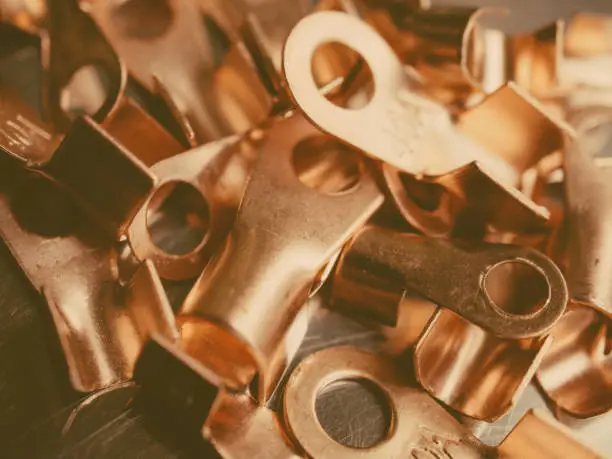
Copper Crafts Processing Methods: From Drawing to Finished Part
How a Copper Craft Project Moves from Design to Delivery
Before you start a project, you need a clear brief. I look at the sizes, specs, mounting details, reference samples, plans, CAD files, and the place where it will go when someone wants to buy something. After that, the copper sheet, wire, tube, plate, or casting stock is shaped, cut, joined, finished, and wrapped. It looks at the color, the safety of the sides, the packing, the cover sizes, the joints, and the surface's evenness. Test items are made before the main item is made and accepted, so problems can be fixed fast. Also, things that are shiny, patinated, etched, or embossed are more likely to get scratched while being shipped, so make sure you pack them well. At the end, turn off the sound and sign off on the sample. Lock the picture as well. This makes sense for people who buy things in the electronics or car businesses. We melt, cast, finish, and treat the surface to make things. One team can start with a blank and finish it.
Main Processing Methods and Where Each One Fits
Mixing strength, depth, and texture is done in a different way for each method. A good way to build doors and walls is to use sheets to make things. As soon as the die is approved, the same pattern or logo is stamped a medium to large number of times. When artists hammer and repoussé by hand, they make reliefs that are unique to each piece. Open screens, lights, and frames that look like figures look good with wire. You can make a lot of different three-dimensional shapes, but pure copper melts at about 1,085°C, so you need to keep an eye on the temperature and gate control. Forged parts are harder and thicker. You can add text, thin lines, and raised patterns if you know how to do these things. I think about a lot of things before I offer a method. For example, how hard the design is, how many there are, what tools are needed, how much work it will be, and how easy it is to change the sizes, the finish, and the plan.
Choosing Between Handmade, Machine-Based, and Hybrid Production
Small runs, odd shapes, one-of-a-kind art styles, and high-end furniture can all benefit from Copper Crafts Processing and careful hand-making. Machinery makes it possible to make the same things over and over again, while Copper Crafts Processing lets artists make one-of-a-kind designs with more care. Brass is made when copper and zinc are mixed together. Brass is a bright metal that can be hard or easy to work with depending on how it was made. The natural properties of copper can also be used by artists to create different shapes, textures, and decorative effects during Copper Crafts Processing. Over time, copper develops a patina that changes the way it looks and makes the color darker and richer. Before making a choice, it's important to see how resistant different brands and types of materials are to rust and to rusting. Most of the time, skilled work and professional tools are the best ways to finish the outside of something. This mix gives Copper Crafts Processing more choices and helps them find the best balance between being accurate and being artsy. I know I'm doing a good job when my clients tell me exactly which parts people will look at and touch first. During the Copper Crafts Processing process, this lets me focus on the most important parts.
Finishes, Thickness, and Construction Choices
Polished, Patinated, Brushed, and Textured Surfaces
Finish is what makes something look good, work well, and last a long time. Copper looks great after it has been cleaned, but rust, fingerprints, and scratches show up quickly. A smooth, matte, or glossy finish makes something look more professional, cuts down on glare, and hides use marks. You can patinate something to make it look old, dark, black, green, blue, or brass. What happens depends on the metal, the chemicals used, how the surface is prepared, and how the curing process is done. That's why I always ask for a real-life example. The surface gets darker when you sandblast, hit it with a hammer, or clean it carefully. Make sure that water, UV light, salt, cleaning products, and your hands won't damage the finish. Copper changes color when it comes in contact with air, too. To keep the color the same, you might want to put a layer of protection on top.
Selecting Sheet Thickness and Tolerances
What makes a panel thick is its shape, size, weight, how often it is hit, how it is held up, and how it is supported. Though it's easy to shape and ship a thin sheet, it breaks more often. Thick sheets are more stable, but they are heavier, need more material, and are harder to shape. People who want to buy copper can use ASTM B152 to find the best bar, sheet, strip, or plate. Label your picture so that the important numbers stand out from the ones that can be changed by hand. You should also say how flat it is, how deep the hole is, where the holes are, how the edges line up, and how well the piece fits. Our tools can get as exact as ±0.05 mm when it comes to things that are already made, like fixing holes and flanges.
Construction, Edges, and Installation Hardware
It doesn't matter how nice the panel is if the wall can't hold it. Before you start Copper Crafts Processing, you should know how much the whole panel will weigh, how it will be put together, what materials will be used, and what parts will be hidden. Planning is a big part of Copper Crafts Processing, especially when you're making copper panels for buildings and business interiors that are meant to look nice. Rolling, folding, or deburring edges that show is a safe way to get rid of sharp edges and keep installers and visitors safe. Units are usually made from blocks that are small enough to fit through doors and lifts. After that, these pieces are put together and linked on the website. Also, we should think a lot more about touch screens and other things that people touch. Based on what the U.S. Environmental Protection Agency (EPA) says, some surfaces made of copper and copper metal can kill bacteria. Because of this, copper could be used for rails, handles, and other places where a lot of weight would be put on it. Before you buy copper for Copper Crafts Processing, you should find out what kind of finish it has. Copper might not kill germs as well if it has certain coatings or processes used on it. Deciding on the best Copper Crafts Processing materials and finishes is important to make sure it looks good, lasts a long time, and meets both practical and aesthetic needs.
Quality Control and Problem Prevention
Quality Control from Raw Material to Shipment
First, the raw materials need to be checked to make sure they are good. The work keeps going as it is cut, put together, packed, and sent. Find out what kind of copper it is, how thick it is, how good it is overall, how stable the batches are, and if it needs any papers. ASTM B584 tells us what metals can be used to make general-use copper alloys in sand and how they should be made. It is part of the process for testers to look at the size, shape, fit, and quality of the joints. During the surface review, the shine, brushing direction, patina covering, and finishing are all compared to a piece that has already been cleaned. For each product, providers can choose from sampling plans, 100% inspection, first-article approval, or third-party pre-shipment inspection. Each has its own risks. The ASTM B117 salt spray test can be used to see how well different coatings work on different things.
Defining Handmade Variation Clearly
Things that are made by hand are nice because they are different, but not too much. There are fights at arrival when the reason "it is handmade" is given. On the order form, there should be a list of color, hammer mark level, patina tone, and relief height ranges that are acceptable. The master sample should also have a signature on it. Write down the places you can see and the places you can't. The finish might not be as tight on the parts you can't see. One is kept by the buyer and one by the inspector so that both can use it to judge the same thing. Shine and varnish look different in cool or warm light. A steady light source can also help you get approval from people far away.
Common Problems and How to Prevent Them
Most of the time, people have problems with rust, fingerprints, a rough sheen, bending, dents, clear joints, and shipping delays. What could make them happen? It's possible for materials to be uneven, the wrong thickness, poorly prepared surfaces, poorly put together, handled roughly, or not meeting all the requirements. This shouldn't happen, so you need a sample that has been approved, clear drawings, clear tolerances, controlled finishing, and the right packaging, such as gloves for handling, interleaving paper, and rigid boxes or crates. How should I take care of it? Put together a plan with samples, models, production goals, packing, and shipping times so that professionals can sign off on it. Many of these problems are caused by holes in the rules.
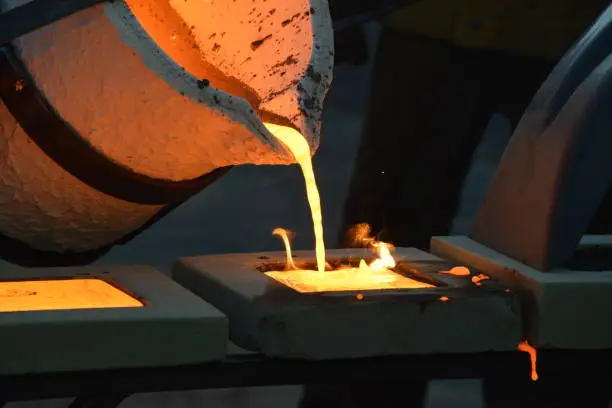
Custom Manufacturing and Supplier Selection
Custom Copper Craft Manufacturing for B2B Buyers
When people buy things for other businesses, stores, and hotel projects, they can get one-of-a-kind items. There should be prices, signs, and types of store sets that can be used more than once. The sets should also be restocked often. It's important to know who owns the tools, your privacy, your ideas, and your right to be left alone while you work on an OEM job. From the start, it's important to think about how to move, support, set up, and get to big structures once they're there. To make prototypes and test the market, it's best to start with small amounts. When the tools are used for mass production, the price per unit goes down. Before you sign, find out how much models cost, how long the process will take, and how you can change the design.
How to Evaluate a Copper Crafts Processing Supplier
For Copper Crafts Processing, you should look at how well a supplier can make products, talk to customers, keep up with quality management systems, do business with other countries, and take care of the environment. For Copper Crafts Processing projects that include wiring, finishing, custom assembly, panels, fixtures, sculptures, wall art, ornaments, and other artistic or useful items, it's especially important to choose a maker with a lot of experience. Find sellers who have experience with what you need, and ask to see their lists of tools, samples of their products, and references from past projects. These tools can help you learn about what they can do, get clear on the approval process, and find problems with the plan before they are made. A trustworthy Copper Crafts Processing provider should also be able to explain Incoterms, shipping papers, inspection records, and packing needs in a clear way. Also, make sure you know who is in charge of getting and paying for transportation insurance. Zhejiang Fudebao Technology Co., Ltd. is a company that owns and operates CNC lathes, low-pressure casting machines, die-casting machines, and high-speed machining centers. Manufacturing services are offered by the company for tools, auto parts, industrial equipment, and parts for boats and airplanes. When looking for a partner for Copper Crafts Processing, looking at the manufacturer's production skills can help you decide if they are right for your project. Once you send us your plans or pictures of the product, we can look them over, figure out what you need, and tell you what the next steps are for production.
Recommended Procurement Workflow for Custom Copper Crafts
You need to do these three things for every single sale.
- List the type of item, its quantity, size, use, finish, price range, where you'd like it sent, and the people you want to buy it. Then, get more than one price that breaks down how much the wood, tools, labor, finishing, packing, shipping, and inspection will cost. After that, you can compare sources line by line, without any bias, and find mistakes in the work before they become differences.
- Read and agree with: Check out each sample to see what it looks like, how big it is, how it was made, how heavy it is, and how it's packed. Make sure to write down every change that was agreed upon and use a "golden sample" as a guide. These goods will be made with the same level of quality. They will then be checked, and more orders will be placed. Large picture and size sheets help teams that are far away quickly check it out.
- Make and play again: Don't start making a lot of them until the inspection plans, drawings, specs, and details of the purchase order have been approved. For orders that will be made again, keep track of the quality and examples that have been accepted. Find out what builders, wholesalers, and end users think by talking to them. You can make more with this. It stays the same size, shape, and color because of this.
There is less technical uncertainty with this order, and costs, quality, and delivery stay in check.
Conclusion
How you make your metal art should match your creative idea if you want to make it look good. To get the right level of detail, volume, and strength in Copper Crafts Processing, stamping, hand-hammering, wireworking, casting, and forging are some of the methods that can be used. It's often possible to get a good balance between artistic accuracy and nice-looking features when you combine old and new ways of making things. In Copper Crafts Processing, this mixed method works great for making sculptures for decoration, metal ornaments, and one-of-a-kind works of art. The finish on the surface affects how they age and how often they need to be maintained, so you should see examples in person. To finish something, you can give it a smooth, brushed, patinated, or patterned surface. Before Copper Crafts Processing, the finished piece fits together and stays in shape based on how wide the sheet metal is, how tall its sides are, and how the walls that hold it up are built. Quality control should happen at every step, from picking out the raw materials to giving out the finished product. This way, any mistakes can be found early on and fixed. Because handmade items can be slightly different, it is very important to make a master sample and write down what kinds of changes are okay. You can also be more sure that every batch of production meets the same quality standards if the standards for checking are always the same. Let the other person know what the price is, accept a reference sample, and keep detailed records of the work for future orders if you want to work together for a long time. With these steps, Copper Crafts Processing is more stable, clear, and simple to use. They also help people get the quality, look, and craftsmanship of the goods they want.
FAQ
Which method suits decorative copper wall panels?
Stamping or embossing patterns are the best way to make ones that will be used over and over. Hand-hammered reliefs are the best way to make ones that are one of a kind. Some bigger jobs may need to be cast or built in modules. Before you buy it all, take a quick look to make sure you like how it looks.
How thick should copper sheet be?
You can tell how thick something is by what it's made of, how hard it is, how heavy it is, and how well it fits against the wall. Thin sheets, on the other hand, are easier to shape but more likely to get dents. Sheets that are thicker weigh more and are stronger. Tell us what you think of your picture.
Can copper crafts be used outdoors?
Yes, as long as you keep it clean and watch out for things like water, UV rays, coats, drains, and other things. Quickly decide if you want the wood to age on its own or have a finish that will keep the color for longer.
What should I send for a quotation?
Tell them what kind of product it is, how it will be used, how much of it they need, what kind of package they need, and where they want it shipped to. You can also send examples like photos, drawings, or CAD files.
Request Copper Crafts Processing Support from Fudebao Technology
Send your drawings, quantities, and finish requirements to Fudebao Technology at hank.shen@fdbcasting.com, and our team will review them for your project. As a Copper Crafts Processing manufacturer with melting, casting, machining, and surface treatment under one roof, we support one-stop delivery from blank to finished part. Visit fdbcasting.com for more details.
References
1. ASM International, ASM Handbook, Volume 15: Casting, 2008
2. ASM International, Copper and Copper Alloys (ASM Specialty Handbook), 2001
3. U.S. Environmental Protection Agency, EPA Registers Copper Alloys as Antimicrobial Public Health Products, 2008
4. ASTM International, ASTM B152/B152M Standard Specification for Copper Sheet, Strip, Plate, and Rolled Bar, 2019
5. ASTM International, ASTM B584 Standard Specification for Copper Alloy Sand Castings for General Applications, 2014
6. ASTM International, ASTM B117 Standard Practice for Operating Salt Spray (Fog) Apparatus, 2019



YOU MAY LIKE