
Copper Casting Supplier for Industrial Pump and Impeller Parts
2026-11-05
A dependable copper casting supplier for industrial pump and impeller parts controls alloy chemistry, matches the casting process to the part, and holds tight tolerances after machining. Pumps run nonstop, so small casting flaws turn into leaks, noise, and downtime. Bronze and brass resist corrosion and wear, which is why pump makers choose copper alloys for impellers and casings. I wrote this guide for engineers and sourcing teams in the United States. It covers materials, processes, tolerances, supplier checks, and the quoting steps, so you can compare options and send a clear request to Fudebao Technology when you are ready.
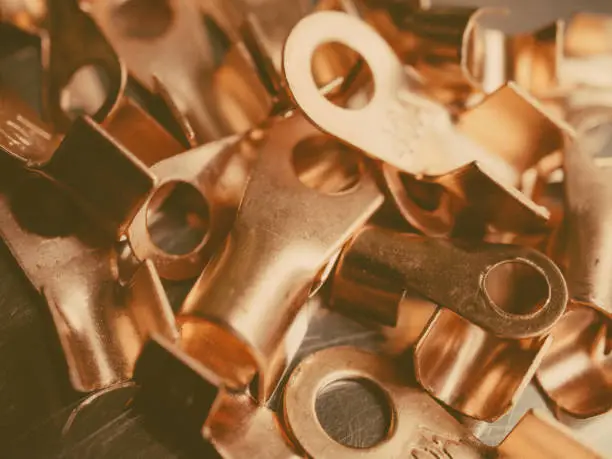
Why the Right Copper Casting Supplier Matters for Pumps and Impellers
Operating Conditions Push Castings Hard
A pump has a rotor that spins while fluid hits it from all sides. The top turns into rust and wears away. Cavitation, which is when vapor bubbles pop close to metal, makes the blades have holes in them. When there is pressure, vibration, and changes in temperature, fits are put under more stress. Many times, when people buy casts, they just picture empty shells. But a case and a propeller work together as one hydraulic system. One blade's small flaw can make the cut less good and slow down the flow. That’s why I believe the alloy and the foundry's control are just as important as the drawing. A good copper alloy turbine casting should still have its shape and surface after years of hard use.
Casting Defects That Hurt Performance
More often than not, holes, shrinking gaps, inclusions, and changes in size are what make a casting fail. Leaks can happen in pump covers that have holes in them. When things shrink, weak spots show up near hubs that are thick. There are things in the part that break through and cause wear while it is being machined. Vibrations happen when there isn't enough balance, and they hurt seals and bearings. Gas holes in copper alloys are often caused by hydrogen. To get rid of hydrogen from the melt, strong foundries use nitrogen or argon, and deoxidizers like phosphor copper get rid of oxygen. They also make gases that control how the metal forms. When I go to a plant, the first thing I always do is ask how they deal with gas. A pump that breaks down in the field costs more than these steps.
What a Qualified Supplier Should Offer
I expect six basic things from a good Copper casting supplier: controlled alloy makeup, traceable heat records, technical help, the right process selection, recorded inspection, and packaging that is ready to export. Everyone lowers their risk. Bugs are easy to fix quickly when they can be tracked back to their source. Engineers check the design for flaws before they make the tools. When inspections are written down, your quality team has proof instead of just promises. These simple ideas show how the quality of the casting affects how well the pump works, how much it costs to keep up, and the supply risk in the long term. Ocean freight can rust or dent machined bores and seal seats, so it's also important to package things in a way that makes them ready for export. You can expect problems in the future if the service provider can't show you one of them. These problems usually happen when the service is down.
Copper Alloy Materials and Casting Processes for Pump Parts
Choosing the Right Copper Alloy
"Copper casting" usually refers to a group of copper alloys, not just copper itself. Tin bronze and lead bronze are used to make bearings, bushings, and other parts. Brass can be used to make bolts and other parts. Iron bronze, like UNS C95800, is often used for marine pump impellers because it is strong and doesn't rust in salt water. Manganese bronze and silicon bronze are both strong, but they don't rust. It is important to choose a metal that is right for the temperature, pressure, type of fluid, and wear. Then, write down the name, the standard, the composition, the mechanical limits, and the heat treatment on your drawing. ASTM B584 and ASTM B148 cover a lot of sand-cast copper alloys. The most common average lead that can be found on wet surfaces of drinking water pumps in the United States is 0.25%. This means that choices without lead, such as bismuth bronze, are important.
Matching the Casting Process to the Part
The process depends on the size, shape, volume, tolerances, and cost of the tools that are used. This table quickly compares the following methods:
| Method | Best Fit | Main Trade-Off |
|---|---|---|
| Sand casting | Large or custom casings, lower volume | Rougher surface, more machining stock |
| Investment casting | Complex shapes, thin sections | Part size limits, longer process |
| Permanent mold or low pressure | Repeat orders, steady quality | Tooling investment |
| Die casting | High volume, thin walls | Shorter die life with copper alloys |
There's no one way that always works. An investment cast blade is best, while a sand cast case is best for a large one. At Fudebao Technology, we have low-pressure casting machines, die casting machines, and CNC machining centers. That's why, before we start making tools, we look at each picture and suggest a way that will work for a Copper casting supplier.
Why CNC Machining Follows Casting
After being poured, most pump parts need to be cut out. For a cast surface to work on impeller bores, seal seats, flange faces, and bearing sites, it needs to meet certain tolerances. Machine about 1.5 mm to 6 mm of extra space around sand-cast copper parts most of the time, but it varies on the size and method. Allow that much space when you make the pattern so that the skin can be cleaned up without losing metal. There are high-speed machining centers and CNC lathes in our workshop that can be very precise, down to 0.05 mm. We can clean, treat the surface, melt, and cast metal. That means that one team works on a part from start to finish, rather than having to pass it from one seller to another.
Tolerances, Surface Finish, and Inspection Requirements
Separate Critical Features From Non-Critical Surfaces
Not every surface needs to be very tight. You should write down on your drawing the important parts that do work, like the impeller width, blade thickness, shaft bore, hub concentricity, flange faces, seal seats, and bearing positions. These parts control how the machine is aligned, balanced, sealed, and able to be swapped out. Don't use tight limits for the outside areas that aren't important; they will only make the cost go up. This helps the foundry figure out how to cut the stock, set up the tools, and check the inspection spots. The shop should focus on what makes the pump work by making a short list of the most important parts. I believe that speeds up quotes too. The important ones get lost when there is a tight limit on all of them for a Copper casting supplier.
Surface Finish by Area
One part needs a different finish. For blades and hydraulic tubes to work, the walls must be smooth. Rough walls cause friction and give cavitation a place to start. Surfaces and holes that are used for closing must be made smooth so that gaskets and seals can work. You can paint or treat the outside in some other way, or it can stay as cast. In your RFQ, don't just give one value; instead, list a roughness goal for each zone. This way saves money and keeps the pump working well. Ask the supplier if you want the metal to be shiny after it has been cut or coated to keep it safe during shipping and storage.
Inspection Methods and Acceptance Criteria
How you choose to inspect something should depend on how dangerous it is. The analyzer checks the chemicals, and the CMM figures out the sizes. You can find flaws on the inside or the outside with X-rays or dye penetrant tests. The case is tight because it passed pressure tests. Balance tests are used to check parts that move, and ISO 21940-11 gives the standard levels for the balance of rigid rotors. Tolerance limits, test methods, sample sizes, and reports that must be submitted should all be included in the RFQ. It's easier to agree on something when the standards are clear, and everyone is working toward the same goal. Ask the seller which tests are done by the company itself and which are sent to labs outside the business. A simple answer can teach you a lot about controlling a process.
How to Evaluate and Compare a Custom Copper Casting Supplier
Foundry, Integrated Manufacturer, or Machine Shop
When you search for providers, most of the time you'll find three different types. The work is done at a foundry that only casts metal. A person who sells tools might hire someone else to do the casting, which is a secret handoff. An integrated manufacturer does the whole process, from melting to casting to milling to polishing the surface. When it comes to pump parts with tight bores and seal seats, I like joint sources because one team is in charge of the whole process. This is true whether the Copper casting supplier is in your area, another country, or China. You should compare their total landed cost, technical support, quality maturity, shipping, intellectual property protection, and service after the sale. It is fair to compare using a simple scoring algorithm. Some red flags are specs that aren't clear, quotes that are too low to be explained, and subcontracting that isn't tracked.
Quality and Communication Checks
Look for proof of work, like ISO 9001, and ask how the shop makes sure it's done. Learn more about how to run the kiln, keep an eye on the materials, look at models or patterns, do the final check, deal with problems, and do the right thing. You need to get inspection reports and certificates for samples of the materials. Also, make sure the engineers can talk to each other. How quickly do they get back to you, and do they give you feedback on the design for casting? Check to see if they can help with planning, making prototypes, export packing, knowing Incoterms, and sending to U.S. ports. It's likely that a supplier will communicate well after an order as well if they clearly answer these questions before the order. Quotes that are short and easy to understand are the best way to get a sense of how the project will go.
Final Checklist Before You Choose
This list lets you see how the finalists stack up against each other.
• Technical fit: Make sure the supplier knows how to work with your alloy, has made similar pump or impeller parts before, and can machine, balance, pressure test, and inspect to your drawing. Ask for measurements of parts that are like the one you have so you can see how they really work. Also, make sure the shop knows about your fluids, temperatures, and pressures.
• Quality control: Make sure that the rules for the U.S. market are being followed and that there are any certificates, material papers, heat-number tracking, or problems that aren't being fixed. Find out what the source does with returned goods and how they keep track of what they do to fix problems. Get a free inspection report before you place your first order. It's clear that the system is strong when answers are strong.
• Commercial terms: To do business, you should look at the minimum order quantity (MOQ), prototype support, clear tooling costs, wait time, packaging, Incoterms, freight, and the company's ability to produce in the future. Make sure that the price includes everything that it says it does, such as testing, machining, and packing for export. Compare the whole deal, not just the price per unit. Any gaps will show up as extra costs in the end.
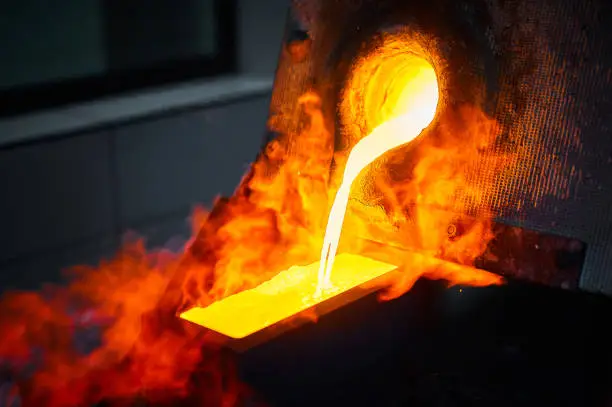
The Procurement Process, Applications, and Supplier Support
What to Send for an Accurate Quote
You need to send the plans, CAD files, metal requirements, working conditions, yearly demand, tolerances, surface finish, testing standards, and in what way the goods will be delivered. After that, a design-for-casting review checks the cores, parting lines, shrinkage, machining margin, feeds, and porosity risk. It also checks the wall thickness and draft. Changes made early on didn't cost a lot, but changes made after the tools were made did. Normal steps in the process are making the mold, casting the first parts, cutting, inspecting, testing, getting approval from the customer, and then making the product. How much the part weighs, the process, the tools, the time it takes to machine, the scope of the inspection, and the cost of the volume drive the price. As soon as possible, please let us know the MOQ, wait time, papers, and logistics so that we can make good plans. There are less quote cycles when all the data comes in on the first day.
Where Copper Castings Work in Pump Systems
Molds made of copper alloy are used to make housings for pumps, impellers, diffusers, wear rings, bushings, bearing housings, valve bodies, and connections. Galvanic rusting happens when two or more metals come together in salt water. Because of this, marine and seawater systems need to be very careful about which alloys they use. Some other industries that use these parts are mining, food processing, HVAC, and water treatment. Bronze bushings work well in places where steel should not touch and rust or seize. If you know how to cast, you can make plumbing parts, valves, heat exchangers, and conductive parts for electrical equipment. As you ask, explain the fluid and duty cycle. Different metals are needed for each place. The whole important choice is based on that one detail.
How Fudebao Technology Supports Pump Programs
The main things that Zhejiang Fudebao Technology Co., Ltd. does are cast and precisely machine metals like copper alloy, aluminum alloy, and stainless steel alloy. People come from all over the world to buy cars, machinery, industrial goods, and items for boats and planes. In our factory, we have CNC lathes, high-speed machining centers, low-pressure casting machines, and die casting machines. Having casting, machining, and surface treatment all in one place makes it easier for people to talk to each other and lowers the risk of being hired by someone else. Our team can talk with you about the metal you pick, the process you pick, design changes, and the machining strategy before you buy the tools. If you want to keep good records, ask us about how to plan deliveries for OEM sales and projects that use spare parts over and over again.
Conclusion
If you want to find a Copper casting supplier for pump and impeller parts, you need to find the right material, method, and control. Alloys like tin bronze, aluminum bronze, and lead-free bismuth bronze can all work with different fluids. Different shapes and sizes can be made with sand casting, investment casting, permanent mold casting, and die casting. The RFQ should include tolerances, surface finish, and checking methods. This is because problems in the casting, like porosity and shrinkage, make it less useful and less efficient. It is safer to hand off when casting and grinding are done at the same time. Quotes that are correct are based on clear drawings, conditions of use, and standards for acceptance. The best provider gets the technical fit right, keeps the quality high, charges the right amount, delivers on time, and provides good customer service. These points link how good the casting is to how well the pump works and how much it costs to keep up.
FAQ
Which alloy is best for an impeller?
Things like the type of fluid, its temperature, pressure, speed, wear, and rust can change it. Tin bronze can be used in a lot of different kinds of water, while aluminum bronze is best in salt water. Give your operating information and ask for a good idea.
Should I choose sand casting or investment casting?
Sand can be used to cast large, one-of-a-kind parts. There are both thin and complicated forms that can be made with investment casting. The machining limits, tolerance, and volume are used to make the choice.
Can one supplier handle casting and CNC machining?
Yes. A lot of places do both cutting and checking at the same time. Fudebao Technology does casting, CNC machining, and surface treatment all at the same time. As little as 0.05 mm can be mistaken in machining.
What do you need for a quotation?
Plans, 3D models, metal, annual output, standards, surface finish, testing needs, and a place to deliver the goods should be sent. We can talk about needs for prototypes and small amounts for a Copper casting supplier.
How can I verify a supplier?
Ask for proof of qualifications, records of materials that can be tracked, inspection reports, customer references, and steps for fixing the problem.
Request a Custom Copper Casting Parts Quotation
You can email Fudebao Technology at hank.shen@fdbcasting.com with your drawings, 3D models, alloy needs, annual volumes, and tolerances. We check to see if the part can be made, how long it will take, and whether it meets quality standards as a Copper casting supplier and Manufacturer. For pump and impeller parts, we then help with casting, CNC cutting, surface treatment, and export papers. Visit fdbcasting.com to learn more, and let us help you rate your project.
References
1. ASM Handbook, Volume 15: Casting, ASM International, 2008
2. ASTM B584, Standard Specification for Copper Alloy Sand Castings for General Applications, ASTM International, 2014
3. ASTM B148, Standard Specification for Aluminum-Bronze Sand Castings, ASTM International, 2018
4. ISO 21940-11, Mechanical Vibration – Rotor Balancing – Procedures and Tolerances for Rotors with Rigid Behaviour, International Organization for Standardization, 2016
5. Reduction of Lead in Drinking Water Act, U.S. Congress, 2011
6. Pump Handbook, 4th Edition, McGraw-Hill, 2008



YOU MAY LIKE