
How Is Copper Crafts Die Casting Used for Decorative Hardware Production?
2026-11-23
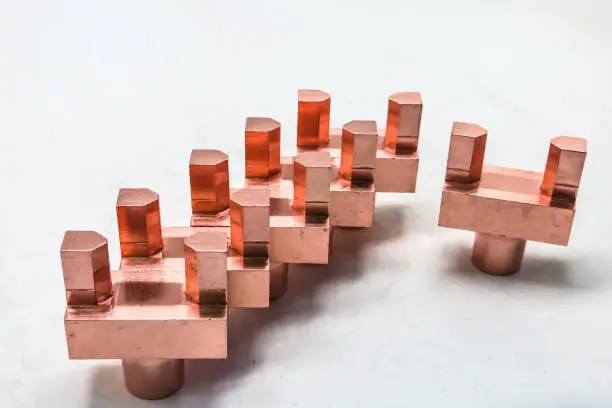
A lot of force is put on dies made of strong steel. Copper Crafts Die Casting then melts metals that are made of copper, like bronze, brass, or other metals, and pours them into the mold. It looks good the way this gear is made. Marks, ribs, and mounting holes are all the same on every part of the die. The form of hardware for jewelry, signs, cabinets, and furniture doesn't change from one batch to the next. Each piece is either trimmed, machined, polished, plated, or given a finish that can be worn over time after it has been cast. This method should work for small to large orders that care about price, look, and being able to do it again and again.
What Is Copper Crafts Die Casting and Where Does It Fit?
Definition and Basic Principle
Using force to bend metal is one way to make die-cast copper items. Once the metal mix is hot from the kiln, it is shaped with a shot system to make it just right. The metal gets stronger after that. And then the die opens. The casting is moved out of the way by ejector pins. Little things that are meant to look good, like writing, lines, and reliefs, are copied many times by the mold. You can use a handle from the first batch with a handle from the tenth batch. This will make people who buy happy. For aluminum metal dies, it's important to know how to cool the steel and what kind of steel was used. For copper metal dies, it's even more important...
Which Copper Alloys Are Used
What kinds of copper alloys are used? In business, "copper die casting" often means bronze or brass instead of pure copper. Copper and zinc are what make brass. It's easy to clean and make things that are bright gold. Copper is often mixed with tin or another metal to make bronze. A unique color that lasts longer than most things. It is about 1,085°C before pure copper melts, and it is about 660°C before pure silver melts. Pure copper tools and dies are under a lot more stress because of this. Because of this, dies for making zinc or aluminum are used more often than dies for making copper alloy. Pick the metal based on what the thing needs.
Typical Decorative Hardware Applications
This method works well for parts that need to be made more than once. Every day, this kind of thing is used to make figures, religious items, keepsakes, nameplates, jewelry parts, hinges, hooks, clamps, handles, knobs, and building accessories. Many copper alloys, like brasses and bronzes, can make health claims about being antibacterial. This is okay with the US Environmental Protection Agency (EPA). That is, you can also use them as door pulls. Even if someone wants to buy metal, they should make sure they have the right metal and see if it is registered before they make any claims. Many times, people in the electrical and industrial fields buy brass housings and parts from the same shops. They can do this because they know how to cut, melt, and shape metal.
How Is the Copper Crafts Die Casting Process Used in Production?
Design Review and Die Development
All designs should be fully reviewed for manufacturability before they are made. This is to make sure that the Copper Crafts Die Casting part can be made quickly and to the right standards. A skilled engineer should check the tools' splitting lines, draft angles, cores, slides, undercuts, ejection systems, overflow areas, gates, runners, and cooling pathways before cutting steel. There are some very important parts to Copper Crafts Die Casting. They control how the molten metal moves into the mold, add small decorative details, and leave marks that can be seen on the final part. The right shape of the die also reduces flaws in the casting, makes the size more stable, and makes finishing easier in the end. It's usually a lot less expensive to find mistakes in plans or 3D models before they are made than to fix them once the metal die is made. Before samples are made, buyers should talk to the manufacturer about their 3D CAD files, product designs, how they want the product to look, and their technical requirements. A skilled Copper Crafts Die Casting company should be able to give you good technical advice and let you know ahead of time if there are any problems with the tools. By talking early on, Copper Crafts Die Casting can keep development costs low, avoid having to change molds, and make sure that the finished products are both useful and nice to look at.
Melting, Injection, and Cooling
Heat is used to melt the metal, and it doesn't change. Copper pieces are often made in cold-chamber machines. The metal is put into a shot sleeve and then pushed into the die by a plunger. Zinc is useful because it doesn't melt quickly. If parts are buried in liquid brass, they will hurt the machine. The people who work on the machine set the heaters for the melt, the die, the injection pressure, the speed of filling, and the fans. Small changes to these options can cause cold shuts, holes, or filling that isn't full. Just as important as making the dies is being strict with the process, because flaws show up quickly on artistic faces that have been cleaned.
Post-Casting Operations
Some parts of the cast are still there after it has been thrown away. It is used to finish holes, threads, or fixing spots that need more exact control than what can be achieved when the part is still made after it has been cut. The parts are put away after they have been checked out. After that, they are ground, smoothed, plated, or coated. When things are being sent overseas, people don't always understand how important it is to pack them until they see the bubble wrap and boxes that keep them from getting scratched. It freezes, casts, finishes, and treats the surface, which is what Fudebao Technology does. They are able to machine some parts so that they are accurate to 0.05 mm. People who want to buy can follow one project through one team this way.
How Do Alloy Choice and Production Method Affect Results?
Brass, Bronze, or Pure Copper
Artists often use brass to make tools because it is easy to shape, fits the die well, and can be coated and polished. Bronze is good for parts that need to be strong, not break easily, or look old. Pure copper might work, but it's harder to melt, fill, and shape, and it doesn't look better overall. Before you give a grade, I think you should explain the color, surface finish, yearly volume, mechanical loads, and compliance needs. The metals are in the drawing package, so the artist doesn't have to guess.
Comparison With Sand Casting, Lost Wax, and CNC
Copper Crafts Die Casting is a great way to make artistic metal parts, especially when small parts need to be made in large quantities with smooth surfaces and regular sizes. Copper Crafts Die Casting can make a lot of similar products of high quality because its die-cast molds can make sides that are all the same thickness and can fit a lot of different part sizes. But if you want to make small works of art or designs with lots of small parts, you might want to look into other ways to cast because they might not need as many complicated tools. CNC machining is another way to use metal bars or blocks to make precise parts. However, it takes longer and removes more material when the shapes are complicated. If a buyer has to choose between Copper Crafts Die Casting and other ways to make things, they should think about the batch size they need, the shape and size of the product, how difficult the structure is, and the surface finish. It's also important to make sure that all suppliers get the same technical drawings, material specs, finishing needs, and inspection standards before they give quotes. People can more accurately compare Copper Crafts Die Casting offers, get a good idea of production costs, and pick the best way to make their decorative hardware projects if they stick to the same project specs.
The Hybrid Approach
A mix is often the best way to do many things. A die is used to make the near-net, and any reliefs that are added for style are also part of the process. Key parts, like hinge seats, holes with threads, or sides that fit together, are the only ones that CNC machines can work on. This method cuts down on waste and work time while keeping the unit the same size. There are two types of tolerance: as-cast tolerance and polished tolerance. As-cast tolerance is used for features that look good, and polished tolerance is used for features that work. There won't be any complaints during review because both will be written on the picture. You can test the design on a small scale with CNC cutting or soft tools before you make the dies hard.
What Design Rules and Finishes Improve Copper Crafts Die Casting Results?
Wall Thickness, Draft, and Radii
So that the metal can flow and cool more evenly, all of the walls must be the same thickness. This makes it less likely to shrink and less likely to let air in. If the draft angles are right, the casting can come out of the die with no marks from drag. When the turns are smooth, you don't have to worry as much. Ribs and bosses need to be the right size so that faces don't get sink marks from thick parts. In the end, you may need to use cores or CNC work to fix the holes, threads, and fixed surfaces. I also believe that splitting lines and ejector marks should be put somewhere that is not visible. There are ways to clean your face that let you polish it faster.
Polishing, Plating, and Patina
That is when you turn a mold into something you can sell. Grind, polish, rub, brush, and use mechanical finishing to give the finish a shine, a satin look, or a specific look. Nickel, chrome, or gold-tone coats will work, but you have to clean, prime, stick, and check the thickness for them to work. With rust and age, it can look old or darker, but the color can be different from one batch to the next. OK range should be set by master samples that have been approved. Plates can make flaws in the casting, like holes, stand out more. Because of this, the surface is made ready while the metal is still being made.
Protecting Finished Surfaces
When you do the last check, look at the color, shine, texture, scratches, pits, metal that shows, and how well the coating sticks to the surface. A lot of people who buy the picture also change things about it to make it look better. The rules are stricter for the face that can be seen than for the back. The work is put away to keep it safe after that. Things that are being sent to the US by sea or air don't touch each other because of strong boxes, wraps, and barriers. Brass might rust more slowly with clear coats, but the best choice will depend on how it is used and stored. They can all use the same scale to rate the first box before it is made if they all agree on these points.
How Do Buyers Control Quality, Cost, and Supplier Risk?
Defect Control and Inspection
Flaws like holes, cold shuts, flash, cracks, surface pits, metal boils, stains, and holes happen all the time. It might have something to do with how clean the melt is, how hot the mold is, how much pressure is used, how fast the mold is filled, how air is let out, or how it cools. For each batch, a good foundry will keep track of this. People can figure out how big something is with more than just calipers and gauges. They also use optical systems, coordinate measuring machines, and other tools. For some parts, you might need an X-ray, CT scan, or section study. When you test the metal with an analyzer, you can see what it is made of. Before you start making the product, you should agree on the standards for the finish, the sample level, the inspection plan, and the raw materials. Folks who buy things in the auto, electrical, and aerospace fields are used to this level of detail. It can be used in programs that make things look nice too.
Tooling Cost and Production Economics
It depends on how long you want the tool to last, its shape, size, number of holes, mold steel, slides, cores, and how it is cooled. The price per unit depends on the metal, the yield of the casting, the cycle time, the cutting, the machining, the polishing, the finishing, the inspection, the packing, the load size, and the cleaning. It costs less to die-cast when a lot of parts are made with tools. You should get prices that break down how much it costs to cut the mold, make examples, build the units, finish them, package them, and send them. First, don't just pay the least amount of money for a thing. Find out how much it costs altogether, including things like repairs, waste, time spent waiting, and the ability to keep getting supplies.
Selecting a Manufacturer and Ordering Workflow
When looking for materials, making sample parts, and working with brass and copper, a good Copper Crafts Die Casting company should know how to do all of these things. One of Fudebao Technology's main jobs is to carefully mill and cast aluminum alloy, copper alloy, and stainless steel. In our plant, we have CNC lathes, high-speed machining centers, low-pressure casting machines, and die casting machines. At the beginning of the process, there are drawings, numbers, models, and 3D CAD files. The supplier then looks at the plan, makes sure they have the right tools and metal, and sends a full quote. Before mass production starts, buyers check first samples based on a control plan that everyone agrees on.
Conclusion
At Copper Crafts Die Casting, nice-looking hardware is made by pouring brass, bronze, or other copper alloys into steel molds. If you use these dies, you can make a lot of them that are all the same size and shape. Brass is used a lot because it's easy to shape and polish. Bronze works well for patinas or things that need to be worn down. Pure copper is hard to work with. Die making works best for medium to large amounts of work. Making things out of lost wax is best when they are small and exact. The best way to handle important connections is to use both CNC milling and hand work together. It's best to check the design early on, use the right finishing, set clear review standards, and look at how much each item costs on its own. People who buy tools can be sure of their quality before they are even made if they agree on the metal, design, finish, and control of the process.
FAQ
Is pure copper suitable for decorative die casting?
It ought to work, but the high freezing point makes it tougher to form, fill, and watch the process. Most of the time, brass or bronze is best for artistic gear because it is easy to cast, has a better finish, and stays in the die longer.
Which alloy gives the best balance of appearance and performance?
Brass is a good metal for most home decor hardware because it is easy to shape, machine, and polish. Bronze should be used for parts that need to last a long time or have a unique color. First, choose the finish and terms of service. After that, check the score.
What should I send to get an accurate quotation?
Send CAD files, drawings, alloy requirements, quantities, tolerances, finish standards, packaging details, destination, and inspection expectations. Confirm low-volume options separately, since tooling choices differ for small runs.
Request a Custom Copper Crafts Die Casting Quote From Fudebao Technology
Fudebao Technology can review your drawings and recommend an alloy, tooling plan, and finishing route for your decorative hardware. As a Copper Crafts Die Casting supplier with melting, casting, machining, and surface treatment under one roof, we support projects from blank to finished product, with machining accuracy up to ±0.05mm. Email hank.shen@fdbcasting.com with your CAD files and quantities, or visit fdbcasting.com for details.
References
1. ASM International, ASM Handbook, Volume 15: Casting, 2008
2. North American Die Casting Association, Product Specification Standards for Die Castings, 2015
3. John Campbell, Complete Casting Handbook: Metal Casting Processes, Metallurgy, Techniques and Design, 2015
4. J.R. Davis (Ed.), Copper and Copper Alloys (ASM Specialty Handbook), 2001
5. Serope Kalpakjian and Steven Schmid, Manufacturing Engineering and Technology, 2014
6. Mikell P. Groover, Fundamentals of Modern Manufacturing: Materials, Processes, and Systems, 2020



YOU MAY LIKE